

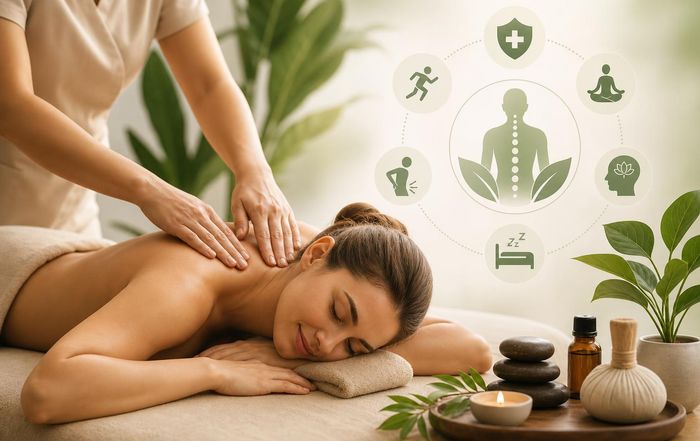
The Growing Interest in Preventive Massage
Preventive Massage as a Cornerstone of Modern Wellness
Preventive massage has moved from the margins of luxury spa culture into the core of evidence-informed wellness, with individuals, employers, and health systems increasingly recognizing that regular, proactive bodywork can be a strategic tool for maintaining physical, mental, and emotional health, rather than a reactive remedy reserved only for pain or injury. As wellnewtime.com continues to explore the new evolving intersection of wellness, health, and lifestyle, preventive massage stands out as a compelling example of how traditional practices are being reinterpreted and integrated into modern life, particularly in regions such as North America, Europe, and Asia where stress-related conditions, sedentary work, and musculoskeletal disorders have become pervasive. In this context, preventive massage is not merely a relaxation technique; it is emerging as a structured, goal-oriented component of holistic health planning, aligned with broader trends in wellness and lifestyle that emphasize consistency, personalization, and long-term resilience.
Defining Preventive Massage in a Health-Focused Era
Preventive massage, as understood in 2026, refers to the regular and intentional use of massage therapy to reduce the risk of future physical and psychological problems, including chronic pain, stress-related illness, and functional limitations, rather than waiting for acute symptoms to appear before seeking care. In contrast to occasional spa visits, preventive massage is often scheduled on a weekly or monthly basis, integrated into broader wellness routines that may include exercise, nutrition, sleep optimization, and mindfulness practices, reflecting the same proactive orientation that has driven the growth of preventive medicine and lifestyle medicine globally. Organizations such as the World Health Organization have highlighted the importance of lifestyle factors in the burden of noncommunicable diseases, and as individuals learn more about healthy living and disease prevention, they increasingly look for accessible, non-pharmacological methods to manage stress, maintain mobility, and support recovery from daily physical strain.
This evolving definition is also shaped by professional standards and guidelines from bodies such as the American Massage Therapy Association, which provides resources on the therapeutic benefits of massage and its role in managing conditions like back pain, anxiety, and soft-tissue injuries, helping both practitioners and clients understand the evidence base behind massage therapy. As the field matures, preventive massage is being framed less as an indulgence and more as part of a continuum of care that includes physiotherapy, chiropractic, and other complementary health services, especially in countries such as the United States, Canada, Germany, and Australia where integrated care models are becoming more common.
The Science and Physiology Behind Preventive Massage
The growing interest in preventive massage is underpinned by an expanding body of research on its physiological and psychological effects, with universities and research institutes across the United States, Europe, and Asia investigating how structured manual therapy influences circulation, neuromuscular function, inflammation, and the stress response. Studies summarized by the National Institutes of Health and its National Center for Complementary and Integrative Health suggest that massage can modulate the autonomic nervous system, reducing sympathetic "fight-or-flight" activity while enhancing parasympathetic "rest-and-digest" responses, which in turn can improve heart rate variability, sleep quality, and perceived stress levels; readers can explore more about the scientific perspective on massage and integrative health.
Beyond the nervous system, preventive massage appears to influence musculoskeletal health by improving soft-tissue extensibility, reducing muscle tension, and enhancing joint range of motion, which is particularly relevant for populations with high levels of sedentary behavior, such as office workers in London, New York, Berlin, Singapore, and Tokyo, who often suffer from neck, shoulder, and lower back discomfort linked to prolonged sitting. Evidence from systematic reviews published in leading medical journals, including resources indexed by PubMed and MEDLINE, indicates that massage may reduce the intensity of chronic low back pain and support functional improvement, especially when combined with exercise and education; those interested in the clinical literature can review research abstracts on massage therapy and pain.
Inflammation and immune modulation are also emerging as areas of interest, with preliminary work suggesting that massage can alter levels of certain inflammatory markers and support recovery after strenuous exercise, which is particularly relevant to the growing global fitness community. As athletes and recreational exercisers in regions from North America to Scandinavia pursue higher performance and faster recovery, preventive massage is increasingly viewed as a validated adjunct to training programs, complementing other recovery strategies such as sleep optimization, nutrition, and active recovery, themes that align closely with the performance-focused content on fitness and training at wellnewtime.com.
Preventive Massage and the Global Wellness Economy
The global wellness economy, as tracked by organizations like the Global Wellness Institute, has continued its expansion into 2026, with wellness tourism, workplace wellness, and personal care services all contributing to robust growth across regions including Europe, Asia-Pacific, and North America. Within this ecosystem, preventive massage occupies a strategic niche at the intersection of spa services, clinical care, and fitness recovery, and is increasingly packaged as part of memberships, subscription models, and integrated wellness programs, rather than sold only as one-off sessions. The Global Wellness Institute's analyses of wellness market trends highlight how consumers are prioritizing experiences that deliver measurable health benefits, which has encouraged providers to position massage as a preventive tool supported by science, rather than purely as a luxury.
This economic shift is evident in the way major hospitality groups, boutique wellness brands, and urban studios from New York and Toronto to London, Paris, Berlin, Singapore, and Sydney are reimagining their massage offerings, integrating them with services such as physiotherapy, mindfulness coaching, and personalized fitness plans. For wellnewtime.com, which closely follows developments in wellness business and brand innovation, preventive massage represents a case study in how consumer expectations are reshaping service design, pricing, and communication, pushing providers to articulate clear value propositions around long-term health, productivity, and quality of life.
Integration with Health, Fitness, and Lifestyle Routines
The most significant development in 2026 is not only that more people are receiving massage, but that they are integrating it systematically into broader health, fitness, and lifestyle routines, treating it as one pillar in a comprehensive self-care strategy. In cities from Los Angeles and Vancouver to Stockholm, Zurich, and Seoul, health-conscious professionals are scheduling massage sessions alongside strength training, yoga, Pilates, and cardiovascular exercise, often guided by digital tools that track recovery, sleep, and stress markers; this reflects a broader shift toward data-informed living that wellnewtime.com covers in its health and wellness insights.
In many cases, preventive massage is paired with specific training cycles, such as marathon preparation, triathlon seasons, or high-intensity interval training programs, with massage therapists collaborating with personal trainers, physiotherapists, and sports physicians to tailor frequency, intensity, and techniques to the individual's load and goals. Resources from organizations like the American College of Sports Medicine provide guidance on integrating recovery strategies into training plans, and massage is increasingly recognized as one of several evidence-informed tools to enhance performance and reduce injury risk.
At the same time, preventive massage is being embraced by individuals who do not identify as athletes but who are navigating demanding professional and caregiving roles, particularly in sectors such as technology, finance, healthcare, and education where cognitive load and emotional stress are high. For these groups, massage is often integrated with practices like meditation, breathing exercises, and digital detox routines, forming part of a personalized resilience strategy that aligns with the growing interest in mindfulness and mental well-being.
Mental Health, Stress Management, and Burnout Prevention
The mental health dimension of preventive massage has become especially prominent in the years following the global disruptions of the early 2020s, as individuals and organizations grappled with rising levels of anxiety, depression, and burnout across regions including the United States, United Kingdom, Germany, Canada, Australia, and beyond. Health authorities such as the Centers for Disease Control and Prevention and Public Health England have emphasized the importance of stress management and self-care in mitigating long-term health risks associated with chronic stress, encouraging the public to explore strategies for stress reduction and mental health support.
Preventive massage contributes to this agenda by offering a structured, embodied way to downregulate the stress response, helping individuals reconnect with physical sensations, release muscular tension associated with emotional strain, and carve out protected time away from screens and cognitive demands. In many wellness centers across Europe and Asia, massage is now combined with guided breathing, aromatherapy, and sound therapy to deepen relaxation, while some clinics in the United States and Canada collaborate with psychotherapists and counselors, positioning massage as an adjunctive support for clients dealing with trauma, grief, or chronic stress, always within appropriate professional boundaries.
For wellnewtime.com, whose readers are highly engaged with topics such as wellness, stress management, and holistic health, this integration of preventive massage into mental health strategies highlights a broader cultural shift: well-being is no longer viewed as purely psychological or purely physical, but as a continuum in which body and mind are deeply interconnected, and touch-based therapies play a meaningful role in restoring balance.
Corporate Wellness and the Future of Work
Corporate wellness has become an influential driver of preventive massage adoption, as organizations across North America, Europe, and Asia recognize that musculoskeletal disorders, stress, and burnout are not only human challenges but also significant economic risks that affect productivity, absenteeism, and retention. Reports from bodies such as the World Economic Forum and the International Labour Organization have underscored the costs of mental ill-health and chronic pain in the workplace, prompting employers to rethink how they support employee well-being.
In response, companies from technology giants in Silicon Valley and Shenzhen to financial institutions in London and Frankfurt, as well as creative agencies in Amsterdam and Stockholm, are incorporating preventive massage into their wellness benefits, either by providing onsite massage services, offering vouchers for local clinics, or integrating massage into flexible health spending accounts. These programs often target employees at risk of repetitive strain injuries, such as those who spend long hours at computers, as well as high-stress roles in management, sales, and customer service, with the dual aim of reducing physical discomfort and signaling a culture that values sustainable performance.
Forward-looking employers are also using massage as part of broader ergonomic and health-promotion initiatives, combining it with workstation assessments, movement breaks, and education on posture and self-massage techniques, aligning with recommendations from organizations like Safe Work Australia and European Agency for Safety and Health at Work, which advocate for holistic approaches to musculoskeletal health. For readers of wellnewtime.com who are involved in leadership, HR, or workplace strategy, preventive massage illustrates how wellness initiatives are evolving from occasional perks to integrated components of organizational design and employee experience.
Regional Trends: From North America to Europe and Asia-Pacific
While interest in preventive massage is global, regional differences in regulation, cultural attitudes, and healthcare systems shape how it is adopted and integrated, creating a diverse landscape that wellnewtime.com follows closely through its world and regional coverage. In the United States and Canada, massage therapy is often delivered in private clinics, wellness centers, and integrated health practices, with regulation varying by state and province, and with growing recognition from insurers who may reimburse massage for specific conditions when prescribed by a physician or other licensed provider; organizations such as the Mayo Clinic provide patient-facing information on how massage therapy can support overall care.
In Western Europe, countries such as Germany, Sweden, Norway, and the Netherlands have robust traditions of physical therapy and manual medicine, and massage is sometimes integrated into medical rehabilitation programs, with social insurance covering certain indications, while in the United Kingdom, massage is more commonly accessed through private wellness and sports therapy channels, often aligned with fitness and athletic performance. Nordic countries, with their strong culture of outdoor activity and work-life balance, have been early adopters of preventive approaches that blend massage, sauna, and hydrotherapy, supported by public health messaging that encourages active lifestyles and recovery.
In the Asia-Pacific region, traditional bodywork modalities such as Thai massage, Shiatsu, Tui Na, and Javanese massage coexist with Western-style therapeutic massage, creating rich hybrid practices that appeal to both local residents and international wellness tourists. Governments in countries like Thailand, Singapore, and Japan have invested in promoting health tourism and traditional medicine, with agencies such as the Tourism Authority of Thailand highlighting wellness and spa experiences as part of their national brand, which in turn supports the expansion of preventive massage services for both visitors and locals. Across these regions, the common thread is a growing recognition that regular, skilled touch can be a powerful, low-risk tool in the pursuit of long-term well-being.
Preventive Massage, Travel, and Wellness Tourism
Wellness travel has become one of the most dynamic segments of global tourism, and preventive massage sits at the heart of many offerings, from destination spas in the Alps and the Mediterranean to wellness retreats in Bali, Phuket, and the Blue Mountains. As travelers from the United States, Europe, China, and Australia seek experiences that combine relaxation with tangible health benefits, resorts and retreat centers are designing programs that include structured massage schedules, movement classes, nutrition consultations, and mindfulness training, transforming vacations into opportunities for reset and recalibration. For readers planning their next restorative escape, wellnewtime.com explores how massage-centric retreats can be integrated into travel and wellness planning to support recovery from digital overload, jet lag, and chronic stress.
Organizations such as the UN World Tourism Organization have documented the rise of wellness tourism and its role in sustainable development, noting that travelers are increasingly interested in destinations that support physical and mental health, respect local cultures, and protect natural environments; those interested can learn more about wellness tourism trends. In this context, preventive massage is not only a personal health choice but also part of a broader movement toward more meaningful, health-oriented travel, with implications for hospitality design, service training, and community engagement in regions from Tuscany and Provence to Costa Rica and New Zealand.
Safety, Standards, and Professionalization
As preventive massage becomes more mainstream, questions of safety, quality, and professional standards have moved to the forefront, with regulators, professional associations, and educators working to ensure that the public can access competent, ethical practitioners. In countries such as the United States, Canada, and parts of Europe, massage therapists are required to complete accredited training programs, adhere to codes of ethics, and engage in continuing education, while professional organizations like the Federation of State Massage Therapy Boards and national associations provide guidance on licensing, standards, and best practices.
Clients are also becoming more discerning, seeking out practitioners who can explain their approach, collaborate with other health professionals, and tailor sessions to individual needs and medical histories. This emphasis on professionalism and transparency aligns closely with the values of experience, expertise, authoritativeness, and trustworthiness that guide editorial decisions at wellnewtime.com, and it underscores the importance of educating the public on how to choose qualified providers, ask informed questions, and integrate massage safely into broader health plans. For readers exploring complementary therapies alongside conventional care, the health and wellness resources at wellnewtime.com offer context and guidance on evaluating options in an informed, critical way.
Digital Innovation, Personalization, and the Future of Preventive Massage
Walking ahead, digital innovation is poised to reshape how preventive massage is accessed, personalized, and evaluated, with implications for practitioners, clients, and the broader wellness industry. Booking platforms and wellness apps already allow users in cities from New York and London to Singapore and Sydney to schedule in-home or in-office massage sessions, read verified reviews, and manage memberships, while wearables and health-tracking devices provide data on sleep, heart rate variability, and recovery that can inform the timing and intensity of sessions. Technology companies and startups are experimenting with AI-driven recommendations that suggest when a user might benefit from bodywork based on stress and activity patterns, echoing trends that wellnewtime.com follows in its amazing coverage of innovation in wellness and health.
At the same time, research institutions and health systems are exploring how to integrate massage data into electronic health records, enabling more coordinated care for patients with chronic pain, musculoskeletal conditions, or high stress loads, and potentially supporting reimbursement models that recognize the preventive value of manual therapies. Organizations like the Cleveland Clinic and Kaiser Permanente have piloted integrative care programs that include massage among other therapies, reflecting a broader move toward whole-person care models. As these initiatives mature, preventive massage may become a more formalized component of population health strategies, particularly in countries seeking to reduce the burden of lifestyle-related diseases and improve quality of life for aging populations.
For wellnewtime.com, the trajectory of preventive massage encapsulates the broader evolution of wellness: from reactive to proactive, from isolated treatments to integrated strategies, from luxury to necessity. As readers across the United States, Europe, Asia, Africa, and South America refine their personal approaches to wellness, health, fitness, mindfulness, beauty, and lifestyle, preventive massage offers a tangible, evidence-informed practice that can be tailored to diverse needs and cultural contexts, grounded in the simple yet profound power of skilled, intentional touch.