

The Happy Power of Wellness Retreats
Wellness Retreats as Transformative Journeys, Not Vacations
Wow, wellness retreats have evolved from niche getaways into strategic tools for personal renewal, professional resilience, and long-term health optimization. For the audience of WellNewTime, which spans wellness, health, fitness, business, lifestyle, environment, and innovation, retreats are no longer perceived as indulgent escapes but as purposeful investments in human capital, emotional stability, and sustainable performance. In a global context where digital overload, geopolitical uncertainty, climate anxiety, and chronic stress have become persistent features of daily life, the wellness retreat has emerged as a structured environment in which individuals can temporarily step outside habitual pressures, rebalance their nervous systems, and reorient their priorities with clarity and intention.
Industry analysis from organizations such as the Global Wellness Institute indicates that wellness tourism continues to outpace general tourism growth, with projections suggesting that the global market could surpass USD 1.5 trillion before the end of the decade if current trends hold. Learn more about wellness tourism's economic impact through the World Travel & Tourism Council. The United States remains a central hub in this evolution, offering a wide spectrum of retreat formats ranging from high-tech, data-driven optimization centers to contemplative spiritual sanctuaries rooted in tradition. For discerning travelers from regions such as the United States, United Kingdom, Germany, Canada, Australia, and key markets across Europe and Asia, U.S.-based retreats offer both accessibility and depth, with world-class practitioners, diverse natural landscapes, and robust infrastructure.
At WellNewTime, the editorial lens is anchored in experience, expertise, authoritativeness, and trustworthiness. This means spotlighting retreats that demonstrate consistent program quality, transparent methodologies, evidence-informed practices, and ethical operations, while also recognizing that transformation is deeply personal and cannot be reduced to marketing narratives. The following analysis, focused on notable U.S. wellness retreats and the trends shaping them in 2026, is intended to help readers make informed, values-aligned decisions about when, where, and how to retreat in ways that support their long-term wellbeing, careers, relationships, and sense of purpose.
Readers seeking broader context on holistic living can explore WellNewTime's dedicated sections on wellness, health, fitness, lifestyle, environment, and innovation, which together frame how retreats fit into a broader life strategy rather than standing as isolated experiences.
Leading U.S. Wellness Retreats: Depth, Design, and Distinction
Lake Austin Spa Resort - Austin, Texas
Lake Austin Spa Resort continues to be regarded as one of the most refined destination spas in the United States, frequently recognized by publications such as Travel + Leisure. Its lakeside setting near Austin, Texas, offers a rare combination of intimacy, natural immersion, and sophisticated programming. The resort's "LakeHouse" spa spans thousands of square feet and integrates Eastern and Western modalities, including advanced facials, vibroacoustic sound therapies, and recovery protocols that incorporate techniques like CBD-enhanced treatments, hydrotherapy, and customized bodywork. Learn more about integrative spa therapies through the American Spa Association.
What distinguishes Lake Austin Spa Resort is not only the breadth of its services but the way in which movement, nutrition, and rest are interwoven into a coherent daily rhythm. Guests might begin their mornings with yoga or paddleboarding on the lake, move into targeted strength or mobility sessions, and then transition into spa treatments followed by thoughtfully curated, seasonal meals that emphasize local produce and balanced macronutrients. This continuous yet gentle flow is particularly attractive to professionals who seek deep restoration without the intensity of a bootcamp environment. For WellNewTime readers interested in the intersection of spa, fitness, and lifestyle design, Lake Austin embodies how a retreat can serve as a prototype for a more sustainable way of living once guests return home.
The Ranch Malibu and The Ranch Hudson Valley
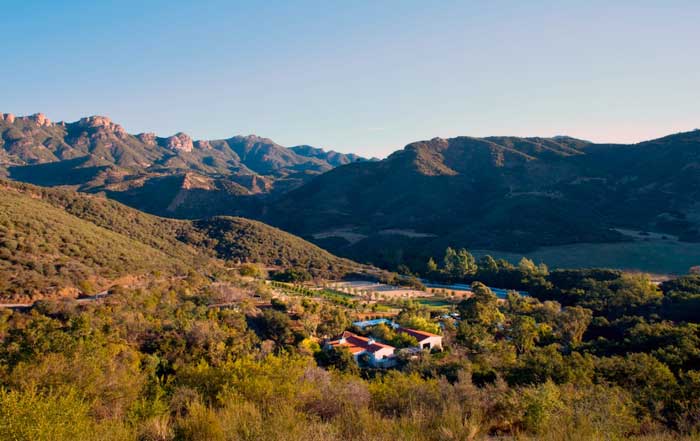
The The Ranch brand, with its flagship The Ranch Malibu and its East Coast counterpart The Ranch Hudson Valley, has built a reputation for disciplined, results-driven programs that appeal to executives, entrepreneurs, and high-performing professionals who want measurable outcomes. The Malibu property, set against the Santa Monica Mountains and the Pacific coast, offers highly structured days that typically include long guided hikes, strength training sessions, restorative yoga, and plant-based, nutrient-dense cuisine. The Hudson Valley location, situated within driving distance of New York City and major East Coast hubs, mirrors this structure while making the experience more accessible for international travelers arriving via New York.
The core philosophy at The Ranch is that physical challenge, when combined with intentional nutrition, sleep hygiene, and digital disconnection, can catalyze rapid shifts in metabolic health, mindset, and lifestyle habits. Participants often report improvements in cardiovascular fitness, body composition, and mental clarity, alongside a renewed capacity to set boundaries and prioritize self-care. Organizations exploring how structured wellness programs can support leadership resilience may find relevant insights in resources from the Harvard T.H. Chan School of Public Health on lifestyle medicine and stress management. For WellNewTime, The Ranch illustrates how retreats can be positioned as serious interventions rather than leisure trips, particularly for those whose careers demand sustained cognitive and emotional output.
Kripalu Center for Yoga & Health - Stockbridge, Massachusetts
The Kripalu Center for Yoga & Health in the Berkshire Mountains remains one of the most respected gateways into immersive mind-body practice. Since the early 1980s, Kripalu has served as a learning and retreat center that combines yoga, meditation, creative exploration, and contemplative workshops led by experienced faculty. The campus model offers flexible programming, allowing guests to choose from structured retreats, thematic workshops, or more open-ended stays that emphasize self-guided practice and rest. Learn more about the role of yoga and meditation in health outcomes through the National Center for Complementary and Integrative Health.
What makes Kripalu particularly valuable for WellNewTime's global audience is its accessibility for individuals at different stages of their wellness journey. Beginners can find foundational programs that demystify yoga and mindfulness, while advanced practitioners can engage in silent retreats, intensive trainings, or specialized workshops on topics such as trauma-sensitive yoga, Ayurveda, or mindful leadership. The natural environment-forested hills, walking trails, and contemplative spaces-supports a sense of groundedness that contrasts sharply with urban overstimulation. For readers interested in integrating mindfulness into their daily lives, WellNewTime's mindfulness section provides additional strategies that resonate with the practices cultivated at Kripalu.
Sensei LÄnaÊ»i and Sensei Porcupine Creek
The Sensei brand, co-founded by Larry Ellison and physician-scientist Dr. David Agus, represents a distinctly data-informed, technologically sophisticated approach to wellness. Sensei LÄnaÊ»i, located on the Hawaiian island of LÄnaÊ»i, and Sensei Porcupine Creek, near Palm Springs, California, integrate biometric assessments, structured coaching, targeted movement, nutrition science, and high-touch spa experiences into personalized programs. Guests often undergo an initial intake that may include body composition analysis, cardiovascular and metabolic testing, and sleep pattern evaluation, with recommendations calibrated accordingly. For readers interested in evidence-based lifestyle interventions, the Mayo Clinic offers accessible overviews of how exercise, nutrition, and sleep influence long-term health.
At Sensei, wellness is framed as a continuous journey rather than a one-time event. The retreats emphasize feedback loops: data informs program design, which in turn shapes behavior, which is then reassessed to refine recommendations. This appeals to professionals in technology, finance, healthcare, and other analytical fields who are accustomed to metrics and performance dashboards. The aesthetic environment-architecturally refined spaces, tranquil gardens, and a high staff-to-guest ratio-ensures that the scientific rigor is balanced by a deeply restorative sensory experience. This model aligns closely with WellNewTime's commitment to innovation and trustworthiness, demonstrating how cutting-edge tools can coexist with timeless practices like meditation and breathwork.
Carillon Miami Wellness Resort - Miami, Florida
Carillon Miami Wellness Resort offers a comprehensive wellness immersion on the Atlantic coastline, combining beachfront relaxation with clinically oriented services. The resort's wellness infrastructure includes cryotherapy, hydrotherapy circuits, a robust fitness center, acupuncture, integrative medicine consultations, and specialized programs in areas such as sleep, longevity, and stress reduction. For those interested in the science behind modalities like cryotherapy or hyperbaric oxygen, the Cleveland Clinic provides overviews of emerging research and clinical applications.
The strength of Carillon Miami lies in its ability to cater simultaneously to guests who want a conventional luxury resort experience and those who seek more targeted health interventions. Visitors can spend mornings in movement classes such as Pilates, functional training, or yoga, followed by afternoons in thermal baths or individual therapies, and evenings in oceanfront reflection or social dining. Its location in Miami makes it particularly attractive to international travelers from Europe, Latin America, and Canada, who can connect through major airports with relative ease. For WellNewTime readers exploring how coastal environments support wellbeing, the National Ocean Service offers insight into the psychological and physiological benefits of blue spaces.
Omni Grove Park Inn - Spa at Sunset Mountain - Asheville, North Carolina
The Omni Grove Park Inn in Asheville, North Carolina, with its renowned Spa at Sunset Mountain, offers a retreat experience grounded in architectural heritage, mountain landscapes, and soothing thermal environments. The spa's design-stone grottos, waterfalls, mineral pools, and relaxation spaces-creates a sense of immersion that encourages guests to slow down and recalibrate. Movement options such as guided hikes, yoga classes, and gentle fitness sessions complement the restorative focus of the spa, while the surrounding Blue Ridge Mountains provide ample opportunities for nature connection.
The appeal of Omni Grove Park Inn for the WellNewTime audience lies in its emphasis on restoration through environment and design rather than intensive programming. Many guests come with the explicit intention of decompressing from demanding roles, using the spa as a catalyst for sleep recovery, nervous system reset, and quiet reflection. Those interested in the science of nature exposure and mental health can explore research summaries from the American Psychological Association on the links between green spaces and psychological wellbeing.
Miraval Resorts & Spas
The Miraval brand, with locations in Tucson, Arizona; Austin, Texas; and the Berkshires in Massachusetts, remains one of the most recognized names in experiential wellness. Miraval retreats emphasize mindfulness, emotional awareness, and integrative healing through a wide range of modalities that may include equine-assisted learning, culinary education, meditation, yoga, outdoor challenges, and therapeutic workshops. The philosophy centers on cultivating "life in balance," where guests are encouraged to explore the stories and habits that shape their choices, then experiment with new ways of relating to stress, relationships, and purpose.
What differentiates Miraval is the combination of luxury hospitality with psychologically informed programming. Many of the facilitators have backgrounds in counseling, coaching, or specialized therapeutic disciplines, and the retreats are designed to gently invite introspection without overwhelming participants. This makes Miraval particularly relevant for professionals navigating transitions, burnout, or leadership challenges. For readers interested in the mental health dimensions of wellness, the National Alliance on Mental Illness offers additional resources on stress, anxiety, and support strategies.
Omega Institute for Holistic Studies - Rhinebeck, New York
The Omega Institute for Holistic Studies operates as a campus-based retreat and learning center across more than 190 acres in Rhinebeck, New York. Unlike resort-style retreats, Omega functions as a hub for workshops, trainings, and intensives that span emotional healing, somatic therapies, spirituality, creativity, and integrative health. Faculty often include authors, clinicians, spiritual teachers, and innovators in fields such as mindfulness, eco-psychology, and social change. For those interested in holistic education models, the Association for Integrative Health and Medicine provides context on interdisciplinary approaches to wellbeing.
Guests at Omega can choose short weekend programs or longer stays, often sharing meals in communal dining areas and participating in campus rituals such as evening talks or silent times by the lake. The environment fosters a sense of community and shared inquiry, which is particularly meaningful for individuals who may feel isolated in their wellness journeys. For WellNewTime readers exploring how personal transformation intersects with broader societal shifts, Omega's blend of inner work and outward-facing topics offers a compelling template.
Karmê Chöling - Barnet, Vermont
Karmê Chöling, a Shambhala Buddhist meditation center in Vermont, offers a distinctly contemplative retreat experience rooted in lineage-based practice. Set within hundreds of acres of forest and rolling hills, Karmê Chöling hosts meditation intensives, silent retreats, contemplative arts programs, and training in disciplines such as archery and mindful leadership. The daily rhythm is often simple and rigorous: meditation sessions, dharma talks, communal meals, and periods of work practice or silence, all designed to cultivate presence, discipline, and compassion.
For WellNewTime's global audience, particularly those in Europe and Asia who are drawn to authentic contemplative traditions, Karmê Chöling illustrates how retreat can function as a laboratory for inner stability amid external volatility. The focus is less on spa services or fitness and more on training the mind and heart. Readers interested in the health effects of meditation may find useful summaries from Mindful.org and scientific overviews via PubMed on mindfulness-based interventions.
Breitenbush Hot Springs Retreat & Conference Center - Oregon
Breitenbush Hot Springs Retreat & Conference Center, located within Oregon's Willamette National Forest, represents a more rustic, community-oriented approach to wellness. Powered largely by its own hydroelectric systems and geothermal resources, Breitenbush has long emphasized ecological consciousness, cooperative governance, and spiritual exploration. Guests typically stay in simple cabins, soak in natural hot springs, attend workshops on topics such as yoga, energy work, or earth-based spirituality, and spend significant time in nature without the constant presence of digital devices.
Following the significant wildfire damage in 2020, Breitenbush has been rebuilding with a focus on resilience and regeneration, which mirrors broader conversations about climate adaptation and sustainable tourism. Learn more about regenerative travel principles through Sustainable Travel International. For WellNewTime readers who are interested in the intersection of environment, spirituality, and wellness, Breitenbush offers a reminder that profound renewal often emerges from simplicity, community, and direct engagement with natural elements.
How to Choose a Wellness Retreat That Truly Fits
In 2026, the sheer variety of wellness retreats can make selection challenging, particularly for busy professionals and global travelers who want to maximize both time and investment. From a WellNewTime standpoint, the most effective approach begins with clarity of intention. Individuals should ask themselves whether their primary need is rest and nervous system recovery, physical conditioning and metabolic reset, emotional healing, spiritual exploration, or a combination of these. Resources from the World Health Organization on mental health and lifestyle-related conditions can help readers frame their priorities in a broader health context.
Once intention is clear, the next step is to evaluate program structure and methodological coherence. A retreat like The Ranch may be ideal for those seeking disciplined physical transformation, while Kripalu or Miraval may better support emotional processing and mindfulness, and Sensei may appeal to those who value data-driven personalization. It is important to review daily schedules, understand the balance between structured activities and free time, and assess whether the intensity level is appropriate. Overly packed itineraries can sometimes recreate the very burnout patterns guests are trying to escape, which is why WellNewTime emphasizes the importance of "white space" in any restorative design.
The expertise and credentials of staff are another critical factor. Prospective guests should feel comfortable asking about practitioner training, affiliations, and safety protocols, particularly for modalities involving physical exertion, psychological vulnerability, or advanced technologies. Checking whether retreats align with guidelines from reputable bodies such as the American College of Sports Medicine or established mental health organizations can provide additional reassurance. For those using retreats as part of a broader career or life transition, WellNewTime's business and jobs sections offer context on how wellbeing investments can influence professional trajectories.
Environmental context also plays a decisive role. Mountain, desert, forest, and coastal environments each shape the retreat experience in distinct ways. Guests from highly urbanized regions such as London, New York, Tokyo, or Singapore may find deep relief in forested or lakeside settings, while others might be energized by desert expanses or ocean vistas. Considering travel logistics, including flight duration, time zone shifts, and transfer complexity, is essential for travelers from Europe, Asia, Africa, and South America, as excessive travel fatigue can undermine the benefits of a short retreat.
Sustainability and ethics are increasingly central to retreat selection, particularly for WellNewTime readers who care about environmental impact and social responsibility. Evaluating a retreat's energy sources, water use, waste management, local hiring practices, and community engagement can help ensure that personal renewal does not come at the expense of local ecosystems or populations. Learn more about sustainable business practices through the United Nations Global Compact and explore broader environmental topics via WellNewTime's environment coverage.
Finally, post-retreat integration is a key criterion often overlooked in marketing materials. The most impactful retreats increasingly provide follow-up coaching, digital communities, or structured reflection tools to help guests translate insights into daily routines. For readers designing their own integration plans, WellNewTime's resources on wellness, fitness, and lifestyle can serve as ongoing reference points long after the retreat has ended.
Emerging Trends Reshaping Retreats in 2026
Several macro trends are reshaping how wellness retreats are conceived, delivered, and evaluated in 2026. One of the most notable is the rise of regenerative wellness and agritourism, in which retreats integrate organic farming, soil regeneration, and ecological restoration into their programming. Guests may participate in harvesting, composting, or land stewardship as part of their healing process, aligning personal wellbeing with planetary health. Learn more about regenerative agriculture through resources from the Rodale Institute.
Data-driven personalization continues to expand, with more retreats incorporating wearables, continuous glucose monitoring, sleep tracking, and AI-assisted coaching. While this can significantly enhance relevance and effectiveness, it also raises questions about data privacy and informed consent, making transparency and governance essential components of trustworthiness. Hybrid modalities are also gaining ground, with retreats blending breathwork, sound therapy, forest bathing, somatic trauma work, and, where legally and ethically appropriate, psychedelic-assisted sessions under medical supervision. Readers interested in the evolving science of psychedelic therapies can consult organizations such as Johns Hopkins Center for Psychedelic and Consciousness Research.
Another trend is the proliferation of proximity retreats and micro-retreats, designed for 2-4 day windows near major cities. These formats are particularly attractive to time-constrained professionals in North America, Europe, and Asia who cannot commit to week-long journeys but still need structured respite. Finally, environmental mindfulness has become non-negotiable; retreats that fail to address their carbon footprint, water use, and community impact increasingly risk reputational damage in a market where conscious consumers expect alignment between values and operations.
Retreats as Strategic Self-Investment
For the community, which spans individuals in leadership roles, entrepreneurial ventures, creative industries, and globally mobile careers, the question is not whether wellness retreats are "worth it" in a superficial sense, but how to select and use them strategically. When approached with clear intention, rigorous discernment, and a commitment to integration, retreats can serve as inflection points that recalibrate health trajectories, prevent burnout, and catalyze new phases of personal and professional growth.
A stay at Lake Austin Spa Resort might teach a high-performing executive how to embed micro-rest and movement into a demanding schedule. A week at The Ranch could reset metabolic health and reframe the relationship to discipline. Time at Kripalu, Miraval, or Omega might unlock emotional insights that improve leadership empathy and relational intelligence. A data-driven immersion at Sensei could provide a blueprint for long-term performance and longevity. A contemplative period at Karmê Chöling or a nature-centered stay at Breitenbush might restore a sense of meaning and connection that no quarterly bonus can replicate.
WellNewTime's role is to accompany readers before, during, and after such journeys, offering context, analysis, and ongoing guidance across domains such as wellness, health, fitness, business, lifestyle, and innovation. As wellness retreats continue to mature in sophistication and scope, the most powerful outcomes will belong to those who treat them not as isolated escapes, but as deliberate, recurring investments in the only asset that underpins every other ambition: a well-regulated body, a clear mind, and a grounded sense of self in an unpredictable world.