

Global Wellness Movements Uniting Communities
A Mature Era of Collective Wellness
Wellness has matured from a fashionable lifestyle trend into a strategic, collective priority that is reshaping how societies organize work, design cities, deliver healthcare, and govern digital innovation. What began as a largely individual pursuit centered on fitness classes, nutrition plans, and beauty rituals has evolved into an interconnected ecosystem of policies, technologies, and community initiatives that position wellbeing as a shared societal asset. From the United States and United Kingdom to Germany, Singapore, South Africa, and emerging hubs across Asia, Africa, and South America, wellness has become a lens through which governments, businesses, and citizens reimagine what progress means in an era defined by climate risk, demographic shifts, and rapid technological change.
The global wellness economy, mapped extensively by the Global Wellness Institute through its ongoing analysis of sectors such as mental health, workplace wellbeing, wellness tourism, and integrative healthcare, continues to expand beyond traditional gym memberships and spa treatments, reflecting the recognition that sustainable economic growth depends on a physically, mentally, and socially healthy population. As this transformation accelerates, platforms like WellNewTime have become essential navigational tools, helping decision-makers and individuals alike interpret complex research, evaluate emerging trends, and connect local initiatives to global movements in a way that is both evidence-based and practical.
From Self-Care Narratives to Structural Wellbeing
The early wellness discourse of the 2010s, often focused on self-optimization and consumer products, has gradually given way to a more structural understanding of wellbeing that acknowledges how housing, transportation, income security, environmental quality, and social connection shape health outcomes as powerfully as personal habits. Institutions such as the World Health Organization have consistently underlined the role of social determinants of health, documenting how factors like inequality, discrimination, and urban pollution contribute to chronic disease and mental health challenges, and these insights have pushed policymakers in regions including Europe, North America, and Asia-Pacific to integrate wellness objectives into urban planning, education, and social policy.
Cities such as Copenhagen, Vancouver, and Melbourne have become case studies in how to embed wellbeing into the physical fabric of daily life by expanding green spaces, prioritizing active mobility, and designing neighborhoods that encourage interaction rather than isolation. Urban innovation forums hosted by organizations like the World Economic Forum demonstrate how these approaches support productivity, innovation, and social resilience, illustrating that wellness is not a peripheral benefit but a core economic and civic asset. Within this evolving landscape, the editorial approach of WellNewTime's wellness coverage emphasizes the interplay between personal agency and systemic conditions, helping readers understand how their individual choices intersect with broader policy and infrastructure decisions.
Community-Based Wellness as a Public Health Strategy
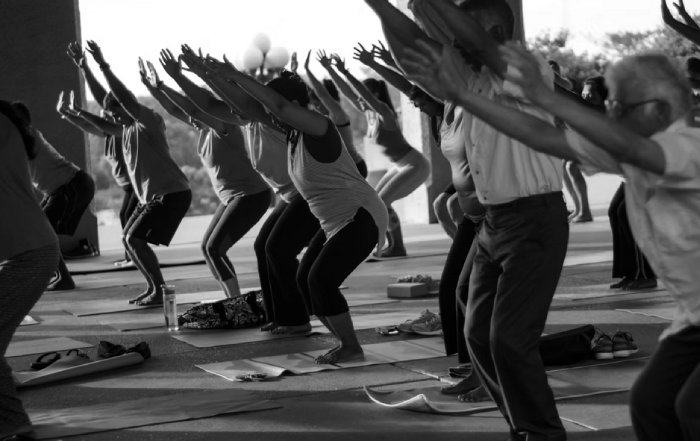
Across North America, Europe, Asia, and increasingly Africa and Latin America, community-based wellness programs have become integral to public health strategies that aim to prevent disease, reduce healthcare costs, and strengthen social cohesion. Local governments, non-profit organizations, and healthcare providers are collaborating to design neighborhood initiatives that address lifestyle-related conditions, loneliness, and stress through group exercise, nutrition education, social clubs, and intergenerational activities. In Canada, Germany, and Japan, for example, community centers host integrated programs where older adults, families, and young professionals participate in shared movement, cooking, and mindfulness sessions that foster both physical health and a sense of belonging.
These initiatives are increasingly grounded in robust research from institutions such as the Harvard T.H. Chan School of Public Health, which highlights the long-term benefits of combining healthy environments, social networks, and behavior change support. For readers seeking to translate these models into practical daily routines, the health section of WellNewTime examines how walking groups, neighborhood wellness challenges, co-operative food initiatives, and digital peer communities can be adapted to diverse cultural contexts, from urban districts in London and New York to smaller cities in Italy, Spain, and South Africa.
Digital Wellness Ecosystems and Global Communities
The digitalization of wellness has accelerated in the mid-2020s, enabling individuals in Brazil, India, France, South Korea, Japan, New Zealand, and beyond to participate in shared wellbeing experiences regardless of geography. Wearables and health platforms developed by companies such as Apple, Google, and Samsung now integrate advanced biosensing, sleep analytics, and mental health check-ins, while specialized services like Headspace and Calm have normalized app-based meditation and emotional support for global audiences. Telehealth has expanded access to medical and psychological care, particularly in remote or underserved regions, and virtual communities have emerged around everything from chronic disease management to inclusive fitness and neurodiversity.
Research from the Pew Research Center continues to show that online health communities can provide crucial information and social support, especially for younger generations and those facing stigma or isolation. At the same time, the rapid growth of digital wellness has raised serious questions about data privacy, algorithmic bias, and the psychological impact of constant connectivity. Organizations such as Mozilla and the Electronic Frontier Foundation are pushing for more transparent, rights-based approaches to health data and digital design, emphasizing that trust and ethical governance are preconditions for sustainable innovation. Within this fast-changing environment, WellNewTime's innovation coverage focuses on how artificial intelligence, behavioral science, and remote care can be harnessed to deliver personalized, equitable wellness experiences without compromising autonomy or privacy.
Massage, Touch Therapies, and Community Connection
Massage and therapeutic touch have moved firmly into the mainstream of integrative health strategies, supported by a growing evidence base that highlights their role in reducing stress, alleviating chronic pain, and supporting emotional regulation. Leading institutions such as the Mayo Clinic and Cleveland Clinic describe massage therapy as a valuable adjunct to conventional care for conditions ranging from musculoskeletal pain to anxiety and post-operative recovery, and healthcare providers in countries including Sweden, Thailand, the United States, and Australia are piloting models that integrate massage and bodywork into hospital settings, rehabilitation programs, and community clinics.
Beyond clinical settings, community-focused massage initiatives are emerging as powerful tools for social support and inclusion. Low-cost community clinics, workplace massage offerings, and volunteer-based services for caregivers, refugees, and frontline workers have helped democratize access to therapeutic touch, reframing relaxation and physical comfort as public health necessities rather than discretionary luxuries. The massage insights provided by WellNewTime explore these developments through both scientific and cultural lenses, examining traditional modalities from regions such as Thailand and Japan, contemporary evidence-based approaches, and the subtle ways in which respectful touch can build empathy and trust within families, organizations, and neighborhoods.
Beauty, Identity, and Inclusive Wellbeing
The global beauty sector has undergone a profound reframing, moving away from narrow, appearance-driven ideals toward a more holistic conception of beauty that integrates skin health, emotional wellbeing, and authentic self-expression. Brands such as Fenty Beauty and The Ordinary helped catalyze this shift by challenging long-standing norms around shade diversity, pricing, and ingredient transparency, and their influence has been amplified by dermatological research from organizations like the American Academy of Dermatology, which underscores connections between skincare, environmental exposure, and systemic health.
Consumers in markets such as France, Italy, Spain, Japan, Singapore, and Brazil are increasingly seeking products and rituals that support barrier health, stress reduction, and long-term resilience rather than quick fixes or unrealistic transformations. Beauty routines are now often integrated with mindfulness, sleep hygiene, and digital detox practices, reflecting the recognition that how individuals feel internally shapes how they present themselves externally. The beauty coverage at WellNewTime examines this evolution through a global lens, highlighting science-backed ingredients, inclusive marketing, and the role of beauty rituals in rebuilding confidence for people navigating life transitions, health challenges, or identity shifts.
Fitness as a Civic and Cultural Force
In 2026, fitness is increasingly perceived not only as a personal health practice but also as a civic and cultural force that strengthens community identity and public space. Free outdoor training groups, city-sponsored cycling networks, and initiatives such as parkrun have shown how shared movement can foster intergenerational connection and civic pride in cities across Europe, Asia, Africa, and North America. Many municipalities now integrate physical activity infrastructure into climate and transport strategies, recognizing that walkable, bike-friendly environments simultaneously reduce emissions, improve air quality, and support cardiovascular health.
The American College of Sports Medicine continues to provide influential guidelines linking regular physical activity with reduced risk of chronic disease, improved mental health, and enhanced cognitive function, and these recommendations inform school curricula, workplace wellness programs, and public campaigns in regions from Canada and Australia to Norway and Malaysia. WellNewTime's fitness section translates this evidence into accessible strategies for individuals and organizations, exploring hybrid workout models, inclusive programming for different ages and abilities, and culturally relevant approaches that resonate in diverse communities.
The Evolving Workplace: Wellbeing, Talent, and the Future of Jobs
The workplace remains one of the most critical arenas for wellness innovation, as organizations confront persistent burnout, talent scarcity, and shifting expectations around flexibility, purpose, and psychological safety. Consultancies such as McKinsey & Company and Deloitte have documented the performance advantages of companies that embed wellbeing into core strategy rather than treating it as a peripheral benefit, noting correlations between comprehensive wellbeing programs and improved engagement, lower turnover, and stronger employer reputation in markets including the United States, United Kingdom, Germany, India, and Brazil.
Hybrid work models, accelerated by the pandemic years and refined through subsequent experimentation, have prompted employers to think more carefully about digital ergonomics, boundaries, and the design of in-person time for collaboration and culture building. Mental health benefits, caregiving support, and inclusive leadership training are increasingly seen as non-negotiable elements of competitive employment offers, especially among younger professionals in Canada, Australia, Netherlands, and Singapore. The jobs and careers coverage at WellNewTime analyzes how wellness is becoming a core differentiator in recruitment and retention, showcasing organizations that integrate wellbeing metrics into performance management and governance, while also offering guidance for individuals seeking roles that align with their health, values, and long-term sustainability.
Environmental Stewardship and Sustainable Wellness
A defining characteristic of wellness movements in 2026 is the acknowledgment that human health is inseparable from planetary health. Climate science synthesized by the Intergovernmental Panel on Climate Change (IPCC) and public health research from bodies such as the Lancet Countdown on health and climate change have made it impossible to ignore how air pollution, heatwaves, biodiversity loss, and food system instability affect respiratory health, mental wellbeing, and nutritional security. As a result, wellness is increasingly framed as an ecological as well as a personal commitment, with growing emphasis on regenerative agriculture, low-impact product design, and climate-conscious lifestyles.
Across Europe, Asia, Africa, Oceania, and the Americas, initiatives promoting active transport, plant-rich diets, and nature-based recreation are being presented as pathways to both lower emissions and higher quality of life. Wellness tourism operators and product manufacturers are being evaluated not only on the experiences they provide but also on their labor practices, resource use, and contributions to local communities. The environment section of WellNewTime explores how green building, circular packaging, and outdoor therapy intersect with personal wellbeing goals, while organizations such as the United Nations Environment Programme offer detailed frameworks for aligning individual, corporate, and policy decisions with planetary boundaries.
Mindfulness, Mental Health, and Collective Healing
Mindfulness has solidified its place as a cornerstone of contemporary mental health strategies, extending from clinical settings into schools, workplaces, and justice systems. Research from institutions such as the UCLA Mindful Awareness Research Center and Oxford Mindfulness Centre has strengthened the evidence base for mindfulness-based interventions in reducing stress, anxiety, and depressive symptoms, while also enhancing attention and emotional regulation. These findings have encouraged educators in Finland, South Korea, Canada, and New Zealand to incorporate age-appropriate mindfulness practices into curricula, and corporate leaders in London, New York, Zurich, and Singapore to adopt contemplative training as part of leadership and resilience programs.
At the same time, mental health remains a pressing global challenge, with organizations such as Mental Health America and Mind in the UK calling for expanded access, reduced stigma, and culturally sensitive care models that recognize the diverse experiences of communities in Asia, Africa, Europe, and the Global South. In response, many wellness movements are combining mindfulness with trauma-informed approaches, peer support networks, and digital therapy platforms to reach individuals who might be excluded by cost, geography, or cultural barriers. The mindfulness coverage at WellNewTime provides readers with practical tools for integrating contemplative practices into daily routines, while also highlighting examples of community-based programs that use mindfulness to support reconciliation, conflict resolution, and social healing.
Conscious Travel and the Next Chapter of Wellness Tourism
Wellness tourism has continued to grow in sophistication, with travelers increasingly seeking experiences that provide genuine restoration, learning, and positive impact rather than superficial pampering. The Global Wellness Institute tracks the evolution of this sector, which now encompasses everything from integrative medical retreats and thermal spas to indigenous-led cultural immersions and wilderness expeditions. Destinations such as Thailand, Costa Rica, Iceland, and New Zealand have become emblematic of restorative travel models that combine natural landscapes, traditional healing practices, and sustainability-focused hospitality.
Travelers from North America, Europe, Asia, and Australia are paying closer attention to how their journeys affect local ecosystems and communities, evaluating accommodation and tour providers on criteria such as carbon footprint, labor conditions, and cultural respect. The World Travel & Tourism Council collaborates with governments and industry stakeholders to develop frameworks that align tourism growth with climate goals and community wellbeing, signaling that responsible travel is becoming a mainstream expectation rather than a niche preference. Through its travel coverage, WellNewTime profiles destinations, operators, and strategies that demonstrate how travel can be a catalyst for personal renewal, cross-cultural understanding, and tangible contributions to local resilience.
Brands, Governance, and the Business of Trust
The commercial wellness landscape in 2026 is both expansive and intensely scrutinized. Major consumer goods companies such as Unilever and L'Oréal, technology firms, and thousands of emerging brands across China, Netherlands, Singapore, Brazil, and South Africa compete for consumer attention and loyalty in categories ranging from supplements and functional beverages to digital coaching and biotech-enabled skincare. In this crowded marketplace, trust has become the decisive differentiator, with consumers increasingly demanding transparency regarding ingredients, scientific validation, labor practices, and environmental impact.
Regulators and standard-setting bodies, including the OECD and national consumer protection agencies, are tightening oversight of wellness-related claims and data usage, while investors examine environmental, social, and governance (ESG) performance as a proxy for long-term resilience. Brands that thrive in this environment tend to combine rigorous research, inclusive design, and authentic storytelling that respects consumers' intelligence and lived experience. The brands and business sections of WellNewTime provide in-depth analysis of how companies can align profit with purpose, build credible partnerships with healthcare and community organizations, and navigate evolving regulatory and consumer expectations without sacrificing innovation.
How WellNewTime Weaves Together Global Wellness Movements
As wellness movements become more interconnected across sectors and regions, the need for reliable, integrative perspectives has never been greater. WellNewTime positions itself as a trusted hub for leaders, practitioners, and engaged readers who want to understand not only what is changing, but why it matters and how to act on it. Through its coverage of wellness, lifestyle, health, environment, and global news, the platform connects personal practices with structural trends, highlighting the interplay between individual choices, community initiatives, corporate strategies, and public policy.
For readers in the United States, United Kingdom, Germany, Canada, Australia, France, Italy, Spain, Netherlands, Switzerland, China, Sweden, Norway, Singapore, Denmark, South Korea, Japan, Thailand, Finland, South Africa, Brazil, Malaysia, New Zealand, and across the wider global community, WellNewTime aims to offer not just information but orientation: a clear, trustworthy view of how wellness is being redefined in boardrooms, city halls, research labs, and local neighborhoods. By foregrounding experience, expertise, authoritativeness, and trustworthiness in its editorial standards, the platform supports a vision of wellness that is inclusive, evidence-based, and deeply connected to the long-term flourishing of people and planet alike.