

Technology and the Future of Personal Training
A New Era of Human Performance
Personal training has shifted from a largely gym-based, one-to-one service into a data-driven, always-on ecosystem that touches almost every aspect of daily life, from sleep and nutrition to work, travel and mental wellbeing. What was once the domain of stopwatch-holding trainers and paper workout logs is now a sophisticated blend of artificial intelligence, biometric wearables, immersive digital environments and global wellness platforms. For readers of wellnewtime.com, who follow developments across wellness, health, business, innovation and lifestyle, this transformation is not just a technological story but a strategic question about how to live, work and thrive in a world where fitness is increasingly personalized, digitized and integrated into broader wellbeing.
The global fitness and wellness industry, tracked closely by organizations such as the World Economic Forum and the Global Wellness Institute, has seen a convergence of healthcare, consumer technology and lifestyle services that is reshaping expectations of what personal training can deliver. As individuals in the United States, Europe, Asia and beyond seek more sustainable, evidence-based approaches to health, personal training is moving from short-term performance goals toward long-term, holistic health outcomes, with technology acting as the connective tissue between people, professionals and platforms.
From Gym Floor to Digital Ecosystem
The traditional model of personal training, centered on in-person sessions in gyms or studios, is being augmented and in some cases replaced by hybrid and fully digital experiences. High-speed connectivity, cloud computing and the ubiquity of smartphones have enabled trainers to reach clients in New York, London, Berlin, Singapore or Sydney with the same immediacy and personalization once reserved for face-to-face sessions. Platforms inspired by pioneers like Peloton and Apple Fitness+ have normalized live and on-demand coaching at home, in hotel rooms or even outdoors, while more specialized applications are focusing on strength training, mobility, rehabilitation and sport-specific performance.
For readers exploring the broader wellness landscape on wellnewtime.com, especially through resources such as the fitness section and wellness insights, this shift illustrates how fitness has become a service layer embedded into daily routines rather than a discrete appointment. Personal training now extends across time zones and geographies, providing continuity for frequent travelers, remote workers and busy professionals in cities from Toronto to Tokyo and from São Paulo to Stockholm. The rise of subscription models, virtual memberships and global online communities has also changed how value is perceived, with ongoing guidance and data-driven feedback increasingly prized over occasional, isolated sessions.
Wearables, Biometrics and Continuous Feedback
The most visible driver of this transformation is the explosion of consumer wearables and health-tracking devices. Fitness watches, smart rings, connected clothing and sensor-equipped equipment now generate a continuous stream of biometric data, including heart rate variability, sleep patterns, respiratory rate, training load and recovery metrics. Companies such as Garmin, WHOOP, Oura and Fitbit have helped make advanced physiological tracking accessible to the general population, while research institutions like the Mayo Clinic and Cleveland Clinic continue to explore how these data can inform safer, more effective exercise prescriptions.
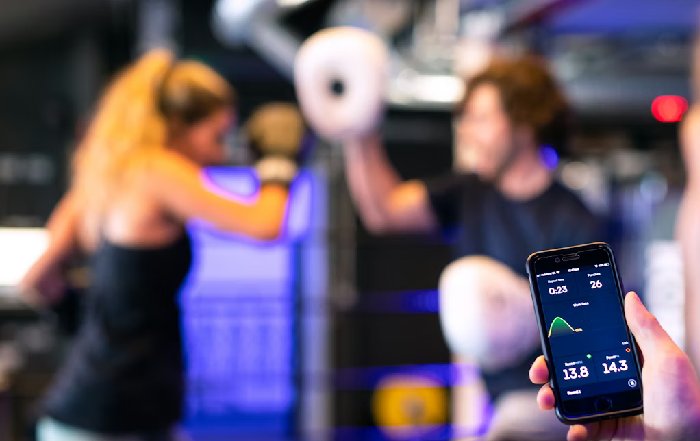
For personal trainers, this data revolution fundamentally changes program design. Instead of relying solely on subjective feedback or infrequent testing, trainers can adjust intensity, volume and recovery in real time based on objective signals from a client's body. A client in London who had a poor night's sleep, as indicated by their wearable, might receive a lighter, mobility-focused session, while a client in Seoul with optimal recovery metrics might be guided through a higher-intensity strength workout. Readers interested in how this continuous feedback loop supports overall health can connect it to the broader themes explored in the health section of wellnewtime.com, where physical activity intersects with cardiovascular health, metabolic resilience and long-term disease prevention.
However, this deluge of data also raises questions about interpretation, privacy and responsibility. Trainers must develop new forms of expertise, not only in exercise science but also in data literacy, understanding the limitations and variability of consumer devices, and avoiding over-reliance on single metrics. Organizations such as the American College of Sports Medicine (ACSM) and the National Strength and Conditioning Association (NSCA) are increasingly providing guidance on evidence-based use of wearables, emphasizing that technology should augment, not replace, professional judgment and human connection.
Artificial Intelligence as the New Training Partner
Artificial intelligence has moved from marketing buzzword to operational reality in personal training platforms. Machine learning models now analyze historical workout data, biometric signals, contextual information such as time of day or travel schedules, and even user-reported mood to generate adaptive training plans. Services inspired by initiatives from Google Health and Microsoft's cloud-based AI tools are enabling smaller fitness technology companies to deliver sophisticated personalization without building every algorithm from scratch.
AI-driven training systems can automatically progress exercises, adjust rest intervals, recommend deload weeks and identify patterns that might indicate overtraining or increased injury risk. For example, a client in Munich might receive a notification that their recent decline in sleep quality and increased resting heart rate suggest the need for a recovery-focused microcycle, while a client in Los Angeles might be guided to increase their daily step count and light activity to compensate for a predominantly sedentary workday. Learn more about how AI is reshaping health and fitness through resources from the World Health Organization and leading digital health hubs such as HealthIT.gov.
Despite these advances, AI in personal training remains most powerful when combined with human expertise. Algorithms can process vast amounts of data and generate recommendations, but they cannot fully grasp the nuanced motivations, cultural contexts and emotional states that influence adherence and long-term behavior change. For wellnewtime.com, which emphasizes mindfulness, lifestyle and mental wellbeing alongside physical fitness, the future likely lies in hybrid models where AI handles routine personalization and monitoring, while human trainers focus on coaching, accountability, empathy and strategic planning. This human-in-the-loop approach supports both efficiency and depth, enabling trainers to serve more clients without sacrificing individual attention.
Immersive and Hybrid Training Environments
The boundary between physical and digital training spaces is dissolving as virtual reality, augmented reality and mixed reality technologies become more mainstream. Headsets and AR-enabled devices from companies such as Meta, Sony and Apple are being used to create immersive training environments where users can join virtual classes, explore simulated outdoor routes or receive real-time visual cues on technique and posture. For a runner in Copenhagen, this might mean virtually experiencing a route through Cape Town or Vancouver while receiving live coaching on cadence and form; for a novice lifter in Paris, AR overlays could highlight correct joint angles and movement paths.
These immersive technologies support not only engagement but also education, allowing trainers to demonstrate complex movements in three dimensions and clients to visualize internal processes such as muscle activation or breathing mechanics. Research shared through organizations like IEEE and innovation-focused hubs such as MIT Technology Review highlights how extended reality can enhance motor learning and motivation, particularly when combined with gamification elements and social features.
Hybrid models are also transforming physical gyms and studios. Facilities in cities from New York to Singapore are integrating smart mirrors, sensor-equipped strength machines and connected cardio equipment that sync with personal training apps and wearable devices. This enables seamless transitions between in-person and remote sessions, ensuring continuity when clients travel for business or relocate to new countries. For readers of wellnewtime.com interested in travel and lifestyle, the ability to maintain a consistent training relationship across borders represents a significant shift from the historically local nature of personal training.
Holistic Wellness: Beyond Sets and Reps
As the line between healthcare and fitness continues to blur, personal training is evolving into a more holistic wellness service that encompasses sleep, stress management, nutrition, mobility and mental health. Many leading trainers are collaborating with dietitians, physiotherapists, psychologists and physicians, supported by telehealth platforms and secure data-sharing frameworks. Resources from organizations such as the National Institutes of Health (NIH) and Public Health England underscore the growing recognition of physical activity as a core pillar of preventive health, not merely a means to aesthetic or performance goals.
For wellnewtime.com, with its deep focus on wellness, beauty, massage, mindfulness and lifestyle, this integrated perspective aligns with a broader shift toward sustainable, long-term wellbeing. Readers exploring mindfulness and lifestyle content can see how personal training is increasingly incorporating meditation, breathwork, recovery modalities and even digital detox strategies into program design. Trainers may use technology to monitor stress markers and sleep, but they also guide clients in setting boundaries around screen time, managing work-life balance and cultivating intrinsic motivation.
Massage and bodywork, long valued for recovery and relaxation, are being integrated into technology-enabled training plans as well. Smart scheduling platforms can coordinate strength sessions, mobility work and massage appointments, while data from wearables helps determine optimal timing and intensity. Readers interested in the restorative side of performance can explore complementary perspectives in the massage section, where touch-based therapies intersect with digital tools to support recovery and resilience.
Globalization, Culture and Accessibility
Technology has made personal training more global than at any point in history. Trainers in Canada can work seamlessly with clients in Japan; specialists in strength and conditioning in the United States can support athletes in Brazil or South Africa; wellness coaches in the United Kingdom can guide corporate clients in Singapore or the United Arab Emirates. Video conferencing, translation tools and cloud-based platforms have reduced many of the logistical barriers that once limited access to high-quality coaching.
At the same time, this globalization raises important cultural, regulatory and accessibility considerations. Training approaches that resonate in the United States may need adaptation for clients in Germany, China or Thailand, where attitudes toward body image, aging, gender roles and work-life balance can differ significantly. Organizations such as the OECD and the European Commission provide insight into demographic trends, labor markets and public health priorities that shape how fitness and wellness services are adopted across regions. Effective trainers in 2026 must therefore develop cultural intelligence alongside technical expertise, understanding local norms, holidays, dietary patterns and even climate factors that influence training adherence.
Accessibility is another critical dimension. While technology has expanded reach, it can also deepen inequalities if services are designed only for affluent, tech-savvy users. Initiatives supported by groups like UNESCO and UNICEF emphasize the importance of inclusive digital health strategies that consider language diversity, disability access, bandwidth constraints and device affordability. Personal training platforms that succeed globally will be those that offer tiered services, offline options and intuitive interfaces, ensuring that individuals in rural areas of Africa, emerging cities in South America or smaller towns in Europe are not excluded from the benefits of personalized guidance.
The Business of Tech-Enabled Personal Training
From a business perspective, the future of personal training is being shaped by new revenue models, partnerships and brand strategies. Subscription-based platforms, freemium apps, corporate wellness contracts and hybrid gym-plus-digital memberships are becoming standard. For entrepreneurs and investors following the business coverage on wellnewtime.com, this evolution presents both opportunities and challenges, as traditional gym chains, boutique studios, technology startups and global consumer brands compete for market share.
Major companies across sectors, including Nike, Adidas, Lululemon and Samsung, have invested heavily in digital fitness ecosystems, combining hardware, software and content to build direct, ongoing relationships with consumers. At the same time, smaller, specialist brands are differentiating through niche expertise, such as strength training for women over 50, pre- and post-natal coaching, endurance sports programming or workplace wellness for remote teams. Learn more about how major brands are adapting to digital fitness trends through industry analyses from McKinsey & Company and Deloitte, which highlight the strategic importance of data ownership, community building and cross-platform integration.
For personal trainers themselves, technology is both a threat and an enabler. On one hand, AI-driven apps and low-cost subscription services can undercut traditional hourly pricing models; on the other hand, trainers who leverage digital tools can scale their impact, serve international audiences and build diversified income streams through group programs, digital products and brand partnerships. The jobs and careers section of wellnewtime.com reflects this shift, as fitness professionals increasingly need skills in digital communication, content creation, data interpretation and online community management alongside foundational exercise science and coaching competencies.
Trust, Data Privacy and Professional Standards
As personal training becomes more entwined with health data and digital platforms, questions of trust, privacy and professional standards come to the forefront. Clients are sharing sensitive information about their bodies, habits and health histories, often across borders and through multiple applications and devices. Regulatory frameworks such as the EU's General Data Protection Regulation (GDPR) and health privacy laws in countries like the United States, Canada and Australia set important baselines, but the rapid pace of innovation frequently outstrips legislation.
Trusted organizations, including the U.S. Federal Trade Commission (FTC) and national data protection authorities in Europe and Asia, have emphasized the need for clear consent processes, robust encryption, transparent data usage policies and options for data portability and deletion. For personal training platforms and individual trainers alike, building and maintaining trust requires more than compliance; it demands proactive communication about how data are collected, interpreted and shared, as well as clear boundaries regarding the scope of practice. Trainers must be explicit about when to refer clients to medical professionals, how they handle red-flag symptoms and what limitations exist in consumer-grade devices.
For readers of wellnewtime.com, who value evidence-based information and ethical practice across wellness, health and beauty, these trust considerations are central to evaluating which platforms, brands and professionals to engage with. The news section and brands coverage can help track how companies respond to emerging regulations, data breaches or ethical controversies, enabling more informed choices about which ecosystems align with personal values and long-term wellbeing goals.
Innovation, Recovery and the Future Training Landscape
Looking ahead, innovation in personal training is likely to accelerate, driven by advances in biosensors, genomics, neurotechnology and materials science. Emerging research from institutions such as Stanford University, Harvard Medical School and global consortia like the Human Genome Project suggests that training programs may increasingly incorporate genetic markers, microbiome profiles and individualized responses to nutrition and recovery interventions. While the ethical and practical implications of such personalization are still being debated, the trajectory points toward ever more tailored approaches to performance and health.
Recovery technologies are also evolving rapidly. Tools such as pneumatic compression devices, infrared saunas, cryotherapy chambers and neuromuscular electrical stimulation are moving from elite sports into mainstream wellness, often integrated with digital platforms that guide usage based on training load and recovery metrics. Readers interested in how these modalities intersect with beauty, spa culture and lifestyle can find complementary perspectives in the beauty section and across the broader wellness coverage of wellnewtime.com. As these tools become more accessible in regions from North America and Europe to Asia-Pacific and the Middle East, personal trainers will play a key role in helping clients discern which interventions are evidence-based and how to integrate them safely.
At the same time, environmental and societal factors cannot be ignored. Climate change, urban design and shifts in work patterns all influence how and where people can safely and enjoyably exercise. Organizations such as the UN Environment Programme (UNEP) and the World Bank highlight how heat waves, air pollution and limited green spaces affect physical activity levels, particularly in rapidly urbanizing regions of Asia, Africa and South America. For readers following the environment section and global perspectives via the world coverage, it is clear that the future of personal training must also consider outdoor infrastructure, sustainable equipment and climate-resilient facility design.
What It Means
For the global audience, spanning the United States, United Kingdom, Germany, Canada, Australia, France, Italy, Spain, the Netherlands, Switzerland, China, Sweden, Norway, Singapore, Denmark, South Korea, Japan, Thailand, Finland, South Africa, Brazil, Malaysia, New Zealand and beyond, the future of personal training is ultimately a question of alignment: aligning technology with human values, aligning data with meaningful action, and aligning short-term performance with long-term health and happiness. As personal training becomes more integrated with digital health, corporate wellness, travel, beauty and lifestyle services, the choices individuals make about which platforms to join, which professionals to trust and which habits to cultivate will have compounding effects over years and decades.
The role of a platform like wellnewtime.com is to provide a grounded, trustworthy lens on these developments, connecting innovation with practical guidance and global trends with personal decisions. Whether readers are exploring new training technologies in the innovation section, seeking holistic wellness strategies on the homepage, or integrating mindfulness, travel and fitness into a coherent lifestyle, the central message remains consistent: technology is a powerful tool, but it is most effective when used in service of clear values, informed choices and human connection.
As 2026 unfolds, the personal training landscape will continue to evolve, shaped by advances in AI, wearables, immersive environments and global connectivity. Yet the core purpose endures: helping individuals move better, feel stronger, manage stress, prevent disease and live more intentional, fulfilling lives. In that sense, the future of personal training is less about replacing human expertise with machines and more about amplifying the best of human coaching through intelligent, ethical and compassionate use of technology.