

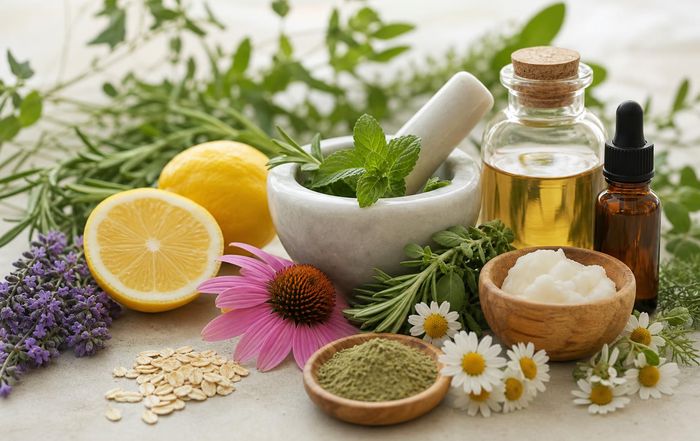
Natural Ingredients Worth Knowing: How Science, Sustainability, and Self-Care Converge in 2026
The New Era of Natural: From Trend to Strategic Imperative
By 2026, natural ingredients have moved far beyond niche wellness circles and into the center of global strategy for health-conscious consumers, premium brands, and forward-looking businesses. What began as a reaction against synthetic additives and opaque supply chains has evolved into a sophisticated, science-informed movement that blends rigorous research, environmental responsibility, and a more holistic understanding of human wellbeing. For readers of wellnewtime.com, whose interests span wellness, health, fitness, mindfulness, travel, beauty, business, and sustainable lifestyle, natural ingredients now represent not only a personal choice but also a lens through which to interpret innovation, regulation, and global market shifts.
As international regulators tighten standards, scientific organizations such as the World Health Organization and National Institutes of Health publish growing bodies of evidence on botanicals and bioactives, and consumers in regions from North America and Europe to Asia-Pacific demand transparency and sustainability, the language of natural ingredients has become a shared vocabulary across sectors. Learn more about how natural products intersect with modern medicine through resources from the U.S. National Center for Complementary and Integrative Health.
Within this context, wellnewtime.com positions natural ingredients not as nostalgic throwbacks to traditional remedies but as dynamic tools that can be integrated into contemporary lifestyles, from urban professionals in London and Singapore to wellness travelers in Thailand and digital workers in Canada, all seeking evidence-based ways to feel better, perform better, and live more sustainably.
Wellness and Health: Evidence-Based Naturals for Modern Lives
The global wellness economy, tracked by organizations such as the Global Wellness Institute, has seen natural ingredients become central to categories ranging from nutritional supplements and functional foods to spa therapies and stress-management products. Readers exploring the wellness landscape can deepen their understanding through the dedicated coverage on wellness at WellNewTime, where natural ingredients are consistently examined through a lens of safety, efficacy, and real-world practicality.
In health-focused discussions, the distinction between "natural" and "safe" is increasingly emphasized by public health agencies and academic institutions. For example, one can explore how certain plant-derived compounds are being researched for cardiovascular and metabolic health by consulting resources from Harvard T.H. Chan School of Public Health. Natural ingredients such as omega-3 fatty acids from algae, polyphenols from berries, and curcumin from turmeric have been the subject of numerous clinical trials, helping clinicians and consumers alike better understand dosage, interactions, and long-term impact. To see how these developments fit into broader health narratives, readers can follow ongoing analysis at WellNewTime Health.
Countries such as the United States, Germany, Japan, and South Korea have seen a surge in integrative medicine clinics that combine conventional treatments with evidence-based botanicals and nutraceuticals. Regulatory bodies like the European Food Safety Authority increasingly scrutinize health claims, which has raised the bar for manufacturers seeking to market natural ingredients for immunity, gut health, and cognitive support. Those interested in regulatory perspectives on natural substances can learn more about food and supplement regulation from the European Food Safety Authority. This convergence of regulation and research is reshaping the global health narrative around natural ingredients, making it more data-driven and accountable.
Fitness and Performance: Natural Support for Active Lifestyles
The fitness community, from recreational runners in Canada and Australia to elite athletes in the United States and Europe, has embraced natural ingredients as part of performance, recovery, and injury-prevention strategies. As sports science evolves, the focus has shifted from quick-fix supplements to long-term support of metabolic health, joint mobility, and mental resilience. Readers interested in integrating natural strategies into their training routines can explore complementary insights via WellNewTime Fitness.
In this space, ingredients such as plant-based proteins derived from peas, rice, and fava beans, adaptogens like ashwagandha and rhodiola, and anti-inflammatory compounds from tart cherries and ginger have gained attention. Organizations such as the International Society of Sports Nutrition publish position stands and reviews that help differentiate between marketing hype and well-supported interventions; those seeking a deeper dive into sports nutrition science can visit the International Society of Sports Nutrition. Meanwhile, sports regulatory bodies including the World Anti-Doping Agency maintain strict lists of prohibited substances, encouraging athletes to verify the purity and provenance of any natural performance products they use; up-to-date information is available from the World Anti-Doping Agency.
The rise of plant-forward diets across Europe and North America has further accelerated innovation in natural sports nutrition, as brands work to deliver complete amino acid profiles, better digestibility, and improved taste using minimal processing and recognizable ingredients. This shift reflects a broader alignment between athletic performance, personal health, and environmental responsibility, themes that resonate strongly with the global readership of wellnewtime.com.
Mindfulness, Stress, and Cognitive Balance: Naturals for the Overloaded Mind
In an era marked by information overload, geopolitical uncertainty, and rapid technological change, natural ingredients have become part of a multidimensional approach to mental wellbeing. Alongside meditation, breathwork, and digital detox practices, many individuals are turning to botanicals and nutrients that may support mood, sleep quality, and cognitive clarity. Readers seeking a broader context on these practices can explore dedicated coverage on mindfulness at WellNewTime.
Adaptogens such as ashwagandha, holy basil, and Siberian ginseng, long used in traditional systems like Ayurveda and Traditional Chinese Medicine, have drawn renewed attention from neuroscientists and psychologists interested in stress adaptation and resilience. Reputable medical institutions such as the Mayo Clinic provide balanced overviews of common supplements and herbal remedies, helping consumers weigh potential benefits against side effects and interactions; those considering specific botanicals can review clinical summaries at the Mayo Clinic. Meanwhile, amino acids like L-theanine from green tea and magnesium from mineral-rich sources are being studied for their roles in relaxation and sleep architecture.
Digital mental health platforms and mindfulness apps increasingly collaborate with nutrition and supplement brands, creating integrated programs that combine guided practices with targeted natural ingredients. This ecosystem reflects a broader recognition that mental health is both biochemical and behavioral, and that personalized approaches, informed by emerging research and ethical marketing practices, are more effective than one-size-fits-all solutions.
Beauty and Personal Care: Clean Formulations with Scientific Rigor
The beauty and personal care sector has arguably been one of the most visible arenas for the natural ingredients movement. Consumers in markets such as the United Kingdom, France, South Korea, and Brazil now routinely examine ingredient lists, seeking products that are free from certain synthetic preservatives, fragrances, and colorants, while prioritizing plant-based oils, extracts, and bioactive compounds. Those interested in how this plays out in practice can explore trend analyses and product spotlights on beauty at WellNewTime.
Dermatological research has increasingly focused on how natural ingredients interact with the skin's microbiome and barrier function. Ingredients such as niacinamide (derived in some cases from natural sources), squalane from sugarcane, and botanical antioxidants from green tea, resveratrol-rich grapes, and centella asiatica are now common in advanced formulations. The American Academy of Dermatology offers guidance on evaluating skincare claims and understanding common actives; readers can consult the American Academy of Dermatology for medically reviewed information. At the same time, traditional ingredients such as shea butter from West Africa and argan oil from Morocco have gained global prominence, raising important questions about fair trade, biodiversity, and local community impact.
The "clean beauty" movement, once loosely defined, is gradually becoming more standardized as organizations and retailers establish ingredient blacklists, safety frameworks, and sustainability benchmarks. Independent watchdogs and non-profit organizations, including the Environmental Working Group, provide databases and rating systems that help consumers interpret ingredient safety and environmental impact; those wishing to explore cosmetic ingredient ratings can visit the Environmental Working Group. For wellnewtime.com readers, the key is not to romanticize natural ingredients uncritically, but to understand how they can be used responsibly in formulations that are stable, effective, and respectful of both human health and the planet.
Travel and Global Discovery: Natural Ingredients Across Cultures
As international travel has steadily recovered and reconfigured in the mid-2020s, wellness-oriented travelers are increasingly seeking experiences that connect them with authentic local ingredients and healing traditions. From hot spring resorts in Japan and geothermal spas in Iceland to herbal steam saunas in Thailand and forest retreats in Finland, natural ingredients and environments are central to many destination experiences. Those planning wellness-focused trips can explore broader destination insights via WellNewTime Travel.
In Asia, traditional herbal pharmacies in Singapore, China, and South Korea showcase roots, mushrooms, and botanicals that have been used for centuries, now often accompanied by modern research summaries and QR-coded traceability information. Institutions such as the World Tourism Organization (UNWTO) highlight how wellness and nature-based tourism are reshaping destination strategies and rural development; readers can learn more about global tourism trends from the World Tourism Organization. In Europe, particularly in countries like Germany, Switzerland, and Austria, the tradition of "Kur" health retreats and balneotherapy continues to evolve, with natural mineral waters and muds being integrated into medically supervised programs.
However, the global popularity of certain natural ingredients, from Amazonian superfruits to Himalayan botanicals, also raises questions about overharvesting, cultural appropriation, and equitable benefit sharing. Responsible travelers and brands are increasingly guided by frameworks such as the Convention on Biological Diversity and local community guidelines, which encourage ethical sourcing and respect for indigenous knowledge; further information on biodiversity and access-and-benefit-sharing can be found via the Convention on Biological Diversity. For wellnewtime.com, telling the story of natural ingredients in travel is inseparable from telling the story of the communities and ecosystems that sustain them.
Business, Brands, and Innovation: Competing on Transparency and Science
From multinational corporations in the United States and Europe to agile startups in Singapore, Australia, and Brazil, companies across the value chain are rethinking how they formulate, source, and communicate about natural ingredients. This shift is not merely cosmetic; it is reshaping research pipelines, supply chain partnerships, and brand positioning strategies. Readers interested in the commercial side of this evolution can follow in-depth coverage at WellNewTime Business.
Leading consumer goods companies and specialized nutraceutical brands now invest heavily in clinical trials, bioavailability research, and novel extraction technologies that preserve active compounds while minimizing environmental impact. Innovation clusters in regions such as Scandinavia, Canada, and Japan focus on marine ingredients, fermentation-derived actives, and upcycled plant materials, reflecting a broader trend toward circular economy models. Organizations like the OECD and World Economic Forum increasingly emphasize bio-based innovation as part of sustainable growth strategies; those wishing to explore policy and economic perspectives can visit the Organisation for Economic Co-operation and Development.
At the same time, digital transparency tools, from blockchain-based traceability to QR codes that reveal farm-level data, have become a competitive differentiator. Brands that can demonstrate not only the origin and purity of their natural ingredients but also the social and environmental conditions under which they were produced are gaining trust across markets in North America, Europe, and Asia. For readers interested in how brands navigate this landscape, WellNewTime Brands offers a curated view of companies working at the intersection of innovation, ethics, and consumer expectations.
Lifestyle and Environment: Aligning Daily Choices with Planetary Health
Natural ingredients are no longer viewed solely through the lens of individual benefit; they are increasingly understood as part of a broader lifestyle and environmental equation. Consumers in countries from the Netherlands and Denmark to New Zealand and South Africa are asking how their choices in food, personal care, and home products affect biodiversity, water use, and carbon emissions. For those looking to integrate natural ingredients into a broader approach to living well, WellNewTime Lifestyle offers perspectives that connect daily habits with long-term wellbeing.
Environmental organizations and research institutes emphasize that not all natural ingredients are inherently sustainable. The cultivation of certain crops can drive deforestation, monoculture, and water stress, while wild harvesting without proper management can threaten vulnerable species. Institutions such as the United Nations Environment Programme and WWF publish reports and frameworks to help businesses and policymakers design more sustainable sourcing strategies; readers can explore these issues through the United Nations Environment Programme and the World Wide Fund for Nature.
Against this backdrop, regenerative agriculture, agroforestry, and community-led conservation initiatives are emerging as crucial models for producing botanicals, essential oils, and plant-based ingredients in ways that restore rather than deplete ecosystems. For wellnewtime.com, the story of natural ingredients is inseparable from the story of climate resilience and ecological stewardship, themes that are also reflected in the platform's coverage of environmental issues at WellNewTime Environment.
Massage, Touch Therapies, and the Power of Natural Oils
The global popularity of massage and bodywork, from Swedish massage in Europe and North America to Thai massage in Southeast Asia and lymphatic drainage techniques in Brazil, has long been intertwined with the use of natural oils, balms, and aromatherapeutic blends. In 2026, the professionalization of these practices continues apace, with therapists and spas paying closer attention to ingredient sourcing, allergen profiles, and therapeutic efficacy. Readers interested in this dimension of wellness can find more detailed explorations at WellNewTime Massage.
Carrier oils such as jojoba, sweet almond, and grapeseed, as well as essential oils derived from lavender, eucalyptus, and citrus peels, are increasingly evaluated through both traditional knowledge and modern safety guidelines. Professional associations and educational institutions in countries such as the United States, United Kingdom, and Australia emphasize the importance of dilution, contraindications, and evidence-based practice. Reputable bodies such as the International Federation of Aromatherapists and national massage therapy boards provide standards and continuing education resources; practitioners and clients alike can review professional aromatherapy guidelines via the International Federation of Aromatherapists.
Moreover, as consumers become more aware of issues like contact dermatitis and fragrance sensitivity, many spas and wellness centers are transitioning toward hypoallergenic, minimally processed oils and offering fragrance-free options. This evolution reflects a broader trend in which natural ingredients are selected not only for their sensory appeal but also for their compatibility with diverse skin types and health conditions.
Global Outlook and the Role of Trusted Information
Across continents, the natural ingredients landscape is shaped by a complex interplay of scientific research, cultural heritage, regulatory evolution, and consumer advocacy. In Asia, centuries-old herbal traditions are being reinterpreted through modern pharmacology. In Europe and North America, stringent regulations and consumer watchdogs push companies toward greater rigor and transparency. In Africa and South America, biodiversity-rich ecosystems and indigenous knowledge systems present both opportunities and responsibilities for global markets.
For business leaders, health professionals, and informed consumers, navigating this terrain requires more than marketing narratives; it demands an ongoing commitment to credible information, critical thinking, and ethical decision-making. Reputable global bodies such as the World Health Organization provide overviews of traditional and complementary medicine, helping to frame natural ingredients within broader health systems; those interested in policy-level perspectives can explore resources from the World Health Organization. At the same time, independent journalism and specialized platforms play a vital role in translating complex developments into accessible insights.
In this environment, wellnewtime.com serves as a dedicated hub where natural ingredients are examined not in isolation but as part of interconnected themes spanning wellness, health, fitness, mindfulness, travel, beauty, business, brands, lifestyle, environment, massage, and innovation. By integrating global perspectives, highlighting responsible practices, and prioritizing clarity over hype, the platform seeks to help readers in the United States, United Kingdom, Germany, Canada, Australia, France, Italy, Spain, the Netherlands, Switzerland, China, Sweden, Norway, Singapore, Denmark, South Korea, Japan, Thailand, Finland, South Africa, Brazil, Malaysia, New Zealand, and beyond make decisions that are not only personally beneficial but also socially and environmentally responsible.
As natural ingredients continue to evolve from trend to foundation in 2026 and beyond, the most valuable asset for individuals, brands, and policymakers will be trustworthy, nuanced knowledge. By staying aligned with reputable scientific sources, global standards, and transparent reporting, and by drawing on the curated coverage available throughout WellNewTime, stakeholders at every level can harness the potential of natural ingredients in ways that honor both human wellbeing and the planet that makes these resources possible.