

Beauty Innovations from South Korea: How K-Beauty Is Redefining Global Wellness
South Korea's Beauty Revolution and the Global Wellness Mindset
South Korea's influence on the global beauty and wellness industry has moved far beyond trend status and become a structural force that is reshaping how consumers, brands, and practitioners think about skin, body, and mind. What began as a fascination with multi-step routines and glass-skin aesthetics has matured into a sophisticated ecosystem of research-driven formulations, wellness-centered rituals, and technology-enabled personalization that now informs product development from New York and London to Berlin, Tokyo, Sydney, and São Paulo. For a platform like wellnewtime.com, which brings together perspectives on wellness, beauty, health, lifestyle, and innovation for a global audience, the South Korean beauty story is not merely about cosmetics; it is about a comprehensive, evidence-based and experience-driven approach to living well.
South Korea's beauty sector has grown into a benchmark for integrated wellness because it aligns scientific rigor with cultural values that prioritize prevention, harmony, and long-term care rather than quick fixes. This philosophy resonates strongly with readers who seek deeper guidance on wellness, health, and mindful living, and it explains why K-beauty remains central to conversations about self-care in the United States, United Kingdom, Germany, Canada, Australia, France, Italy, Spain, and across Asia and Europe.
Cultural Foundations: Holistic Beauty as Everyday Practice
The roots of South Korea's beauty innovations lie in a cultural understanding that skin health, emotional balance, nutrition, and environment are inseparable. Generations of traditional practices, including herbal medicine and meticulous skincare rituals, have shaped a population that views daily routines as investments in future well-being. This perspective is visible in the way Korean consumers integrate cleansing, sun protection, massage, and mindful moments into their mornings and evenings, treating each step as both functional care and a brief pause from stress.
This everyday ritualization aligns closely with emerging global research on the connection between psychological stress and skin conditions such as acne, eczema, and premature aging. Institutions such as Harvard Medical School and the American Academy of Dermatology have highlighted how chronic stress and sleep disruption can impair skin barrier function and accelerate inflammation, and South Korean brands have responded by designing products and routines that explicitly address both physiological and emotional dimensions of care. Readers who explore topics like mindfulness and stress management can see clear parallels between these findings and the Korean approach to beauty as a calming, grounding practice rather than a purely aesthetic pursuit.
The Science Engine: R&D, Dermatology, and Functional Ingredients
The international authority of South Korean beauty is anchored in a powerful research and development infrastructure that links cosmetics companies, dermatologists, universities, and biotech startups. Amorepacific, LG Household & Health Care, and newer innovation-led brands collaborate with research centers in Seoul, Busan, and Daejeon to develop ingredients and delivery systems that are not only novel but also backed by clinical testing and dermatological evaluation.
K-beauty's hallmark ingredients-such as fermented extracts, centella asiatica, snail mucin, and ginseng derivatives-are not accidental trends; they emerge from a long tradition of herbal medicine combined with modern biofermentation, encapsulation, and microbiome science. Organizations such as the Korea Institute of Dermatological Sciences and the Korea Food & Drug Administration have set rigorous standards for functional cosmetics, particularly in areas such as brightening, wrinkle care, and UV protection, which has helped build consumer trust far beyond national borders. As global consumers become more ingredient-literate, consulting resources like INCI Decoder or educational content from DermNet NZ to understand labels and safety profiles, South Korea's emphasis on transparency and efficacy becomes a competitive advantage that aligns with a more informed and discerning audience.
In markets from North America to Europe and Asia, dermatologists increasingly reference Korean formulations when discussing barrier repair, gentle exfoliation, and sun care. Those interested in deeper clinical perspectives can explore dermatology resources from institutions like the Mayo Clinic or Cleveland Clinic, where explanations of skin physiology and barrier function echo the principles that K-beauty has been operationalizing for years.
Multi-Step Routines as Structured Self-Care
The multi-step Korean skincare routine, often simplified internationally into three, five, or seven steps, has become a symbol of K-beauty's methodical approach. While some critics have dismissed it as excessive, its underlying logic is grounded in layering lightweight, complementary formulations that work synergistically rather than relying on a single, highly concentrated product. This modular approach allows users in Canada, Japan, Singapore, or Scandinavia to customize routines according to climate, skin type, and lifestyle, whether they face dry winters, humid summers, urban pollution, or frequent travel.
From a wellness perspective, these routines also function as structured micro-rituals that carve out time for self-attention. For readers of wellnewtime.com/beauty and wellnewtime.com/health, this reflects a broader trend: beauty is no longer a disconnected vanity activity but a consistent framework for preventive care, stress relief, and body awareness. When consumers in Germany, France, or Brazil set aside 10 to 20 minutes in the morning and evening for cleansing, hydrating, and massaging their skin, they are also practicing a form of mindfulness that can support emotional regulation and sleep quality, complementing the guidance offered on lifestyle and wellness habits.
Massage, Touch, and the Somatic Dimension of K-Beauty
One of the less-discussed but increasingly influential components of South Korean beauty is its emphasis on touch, massage, and circulation. Facial massage techniques, lymphatic drainage motions, and acupressure-inspired routines are widely taught in Korean spas, clinics, and online platforms, with a focus on reducing puffiness, enhancing lymph flow, and relieving muscular tension in the jaw, neck, and shoulders. This somatic dimension of beauty care resonates strongly with the global interest in therapeutic touch, as seen in the growth of professional massage therapy and bodywork practices in the United States, United Kingdom, Australia, and New Zealand.
For readers exploring massage and body therapies, the Korean approach demonstrates how simple, regular facial and scalp massage can complement professional treatments, supporting relaxation while potentially improving product absorption and circulation. Clinical research published in international journals and summarized by organizations such as PubMed and NIH has begun to document the physiological benefits of massage, including reduced cortisol levels and improved blood flow, which further validates the integration of these techniques into daily beauty routines. As self-massage tools like gua sha stones, rollers, and microcurrent devices become mainstream, South Korean protocols offer a blueprint for using them not as quick-fix sculpting gimmicks but as long-term wellness tools.
Technology and Personalization: The Smart Future of Beauty
South Korea's reputation as a global technology leader is now fully embedded in its beauty industry. In 2026, smart mirrors, AI-powered skin analysis apps, and at-home diagnostic devices developed by companies such as Lululab, Amorepacific, and Samsung-affiliated ventures are enabling consumers to track hydration levels, pigmentation, and even sensitivity trends over time. These technologies are particularly appealing in digitally advanced markets like South Korea, Japan, Singapore, Denmark, Norway, and Finland, but they are rapidly spreading across North America and Europe as well.
For the business-focused readers of wellnewtime.com/business, this convergence of AI, data analytics, and skincare represents a new frontier of personalized commerce. Companies leverage machine learning to recommend product regimens based on lifestyle, climate, and historical skin responses, while retailers experiment with virtual try-on tools and AR filters. Industry reports from organizations such as McKinsey & Company, Deloitte, and Euromonitor International have highlighted K-beauty's role as a testbed for these innovations, influencing how global brands structure their digital strategies and customer journeys. Readers seeking deeper insight into how technology is reshaping consumer experiences can also explore broader innovation themes at wellnewtime.com/innovation, where beauty serves as a vivid example of personalized, data-informed well-being.
Clean, Ethical, and Sustainable: K-Beauty's Environmental Shift
The global push toward sustainability has fundamentally reshaped expectations of beauty brands in Europe, North America, and Asia, and South Korean companies have been forced to respond with new packaging, sourcing, and formulation strategies. While early K-beauty was sometimes criticized for excessive packaging and limited recyclability, recent years have seen a strong pivot toward refillable systems, biodegradable materials, and responsibly sourced botanicals. Brands now collaborate with environmental organizations and adhere to guidance from bodies such as the UN Environment Programme and OECD on sustainable production and chemical safety.
This environmental shift is particularly relevant for readers who follow environmental and climate topics, as it highlights how consumer pressure and regulatory frameworks in regions like the European Union and United Kingdom are influencing manufacturing practices in South Korea. Many Korean companies now publish sustainability reports aligned with international frameworks such as Global Reporting Initiative (GRI) standards and look to resources from the World Resources Institute or Ellen MacArthur Foundation to design circular packaging models. Learn more about sustainable business practices through global organizations that track ESG performance, and it becomes clear that K-beauty's future success will depend on its ability to balance innovation with environmental stewardship.
Wellness, Fitness, and Lifestyle: Integrating Inner and Outer Beauty
K-beauty's evolution has coincided with a broader global recognition that skin health is closely tied to diet, exercise, sleep, and mental well-being. In South Korea, the integration of beauty with fitness and wellness is visible in the rise of multi-purpose spaces that combine skincare clinics, pilates studios, meditation rooms, and nutritional counseling. This integrated model is increasingly mirrored in cities such as Los Angeles, London, Berlin, Toronto, and Singapore, where consumers seek holistic experiences rather than isolated services.
For readers engaging with fitness and wellness content, South Korea offers a case study in how beauty can act as a gateway to healthier habits. Brands partner with fitness trainers, yoga teachers, and dietitians to create programs that address inflammation, glycemic balance, and sleep hygiene, recognizing that lifestyle factors can significantly influence conditions like acne and premature aging. Scientific resources from organizations such as the World Health Organization, Centers for Disease Control and Prevention, and NHS consistently emphasize the role of diet and movement in systemic inflammation and metabolic health, and Korean wellness brands increasingly align their messaging with this evidence.
Employment, Skills, and Global Career Opportunities in K-Beauty
The expansion of South Korean beauty has opened substantial career pathways not only within South Korea but also in the United States, United Kingdom, Germany, France, Italy, Spain, Netherlands, China, Japan, Singapore, and across Africa and South America. From product development and regulatory affairs to digital marketing, spa management, and international distribution, K-beauty now supports a global network of professionals.
For readers exploring jobs and career transitions, the sector illustrates how expertise in dermatology, chemistry, design, and cross-cultural communication can combine into rewarding roles. Universities in South Korea, Europe, and North America now offer specialized programs in cosmetic science and beauty business management, while industry associations and trade fairs such as in-cosmetics Global and Cosmoprof provide platforms for networking and knowledge exchange. Learn more about global labor trends and skills development through organizations such as the International Labour Organization or World Economic Forum, and it becomes evident that beauty and wellness are no longer peripheral industries; they are central to the future of service economies and creative entrepreneurship.
Global Brands, Local Adaptation, and Regulatory Complexity
As K-beauty brands expand into markets from the United States and Canada to Brazil, South Africa, United Arab Emirates, and Scandinavia, they must navigate a complex web of regulatory standards, cultural expectations, and retail ecosystems. This process has led to a sophisticated understanding of localization: products are reformulated to comply with EU ingredient regulations, SPF testing is adapted to FDA and regional standards, and marketing messages are tuned to resonate with local values around transparency, inclusivity, and diversity.
For readers who follow global news and business developments and international trends, the expansion strategies of Korean beauty companies provide a lens into broader globalization dynamics. Organizations such as the World Trade Organization, OECD, and World Bank track how trade agreements and regulatory harmonization affect industries like cosmetics, while consumer advocacy groups in Europe and North America push for clearer labeling and ethical claims. South Korean brands that succeed internationally demonstrate strong governance, transparent communication, and a willingness to adapt formulations and messaging to meet diverse regulatory and cultural expectations, reinforcing their credibility and trustworthiness.
Travel, Experience, and the K-Beauty Pilgrimage
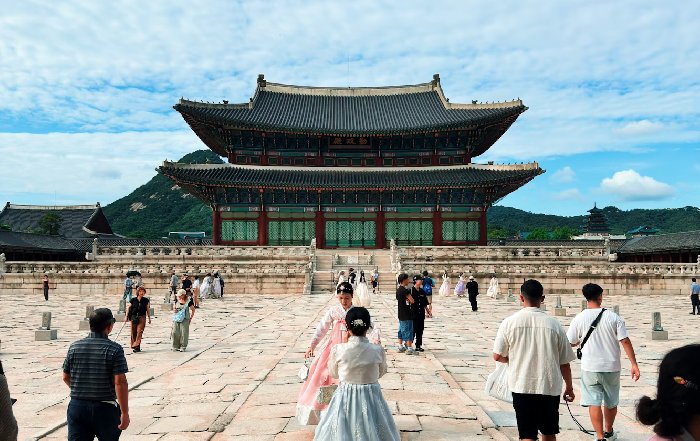
Beauty tourism has become an increasingly visible phenomenon, and South Korea sits at its center. Visitors from the United States, United Kingdom, Germany, France, Italy, Spain, Australia, Singapore, Malaysia, Thailand, and beyond travel to Seoul and Busan to experience dermatology clinics, aesthetic centers, and flagship stores firsthand. These trips combine skincare consultations, spa treatments, and shopping with cultural exploration of neighborhoods like Myeong-dong, Gangnam, and Hongdae, turning K-beauty into a lived experience rather than just a product category.
Readers interested in travel experiences connected to wellness and beauty can view South Korea as a model for how destinations can integrate cosmetic services, wellness retreats, and cultural attractions into cohesive itineraries. Tourism boards collaborate with clinics and brands to ensure high standards of safety, hygiene, and ethical practice, taking cues from international health guidelines provided by organizations such as the World Tourism Organization (UNWTO) and World Health Organization. This combination of experience, expertise, and regulation helps build trust among travelers who may be considering advanced treatments such as laser therapies, injectables, or medical-grade facials while abroad.
K-Beauty as a Mirror of Global Innovation and Well-Being
The story of South Korean beauty is inseparable from broader conversations about how societies define and pursue well-being. K-beauty's rise illustrates how a country can leverage cultural heritage, scientific excellence, and digital innovation to create a globally resonant model of self-care. For the readers of wellnewtime.com, who engage with interconnected topics across wellness, beauty, health, business, environment, lifestyle, and innovation, K-beauty offers a practical blueprint for the future of holistic living.
Its success rests on four pillars that align closely with the values of Experience, Expertise, Authoritativeness, and Trustworthiness. First, experience is central: products and routines are designed not just to deliver measurable results but also to create calming, sensorial rituals that support mental and emotional balance. Second, expertise underpins every innovation, from dermatological research and clinical testing to advanced manufacturing and regulatory compliance, supported by collaboration with universities, hospitals, and global partners. Third, authoritativeness emerges from consistent performance, transparent communication, and alignment with international scientific and environmental standards, allowing K-beauty brands to act as reference points for the global industry. Fourth, trustworthiness is built through visible commitments to safety, sustainability, ethical sourcing, and honest marketing, which are increasingly non-negotiable for discerning consumers in North America, Europe, Asia, Africa, and South America.
As beauty, wellness, and lifestyle continue to converge, South Korea's innovations will likely remain at the forefront of how individuals and organizations imagine healthier futures. For businesses, practitioners, and consumers who follow developments through platforms like wellnewtime.com, engaging with K-beauty is not simply about adopting a new product line or routine; it is about understanding a comprehensive, integrative philosophy of care that recognizes the profound connections between skin, body, mind, environment, and community.