

How Technology Is Personalizing Health and Fitness
A New Phase of Individualized Wellbeing
The personalization of health and fitness has matured from an emerging trend into an organizing principle for how individuals across the world understand their bodies, manage their energy, and interact with health systems and wellness brands. The convergence of connected devices, advanced analytics, behavioral science, and increasingly interoperable health data has created an environment in which people in the United States, the United Kingdom, Germany, Canada, Australia, France, Italy, Spain, the Netherlands, Switzerland, China, South Korea, Japan, Singapore, the Nordic countries, and rapidly developing markets in Africa and South America expect their health experiences to be as tailored and responsive as their favorite digital services. For WellNewTime, which brings together perspectives on wellness, health, fitness, and lifestyle, this shift is not a distant industry narrative but a lived reality that shapes the questions readers ask, the products they evaluate, and the decisions they make about their bodies, minds, careers, and environments.
In leading markets such as North America, Western Europe, and advanced Asian economies, personalized health is now driven by an intricate combination of wearable sensors, AI-powered coaching, telehealth ecosystems, and digital therapeutics that adapt in real time to an individual's physiology, emotional state, environment, and behavior. Urban professionals in New York, London, Berlin, Singapore, and Seoul rely on adaptive training plans that adjust to travel schedules and stress levels, while wellness-focused communities in Scandinavia, Australia, and New Zealand combine environmental data, sleep analytics, and outdoor activity tracking to optimize seasonal routines. Emerging innovation hubs in Brazil, South Africa, Thailand, and Malaysia are building localized solutions that reflect different cultural norms, infrastructure realities, and health priorities, yet they share the same expectation: health experiences should feel uniquely relevant and trustworthy.
For a global, wellbeing-focused platform like WellNewTime, which also covers business, brands, environment, and innovation, the personalization story is ultimately about experience, expertise, authoritativeness, and trustworthiness. It is about helping readers distinguish between evidence-based solutions and appealing but unproven claims, and about mapping how this new era of individualized wellbeing intersects with careers, travel, mental health, and the broader social and environmental context in which people live and work.
The Expanding Data Foundation of Personalized Health
The foundation of personalization in 2026 remains data, but the scope, granularity, and integration of that data have expanded significantly compared with only a few years ago. Wearables have moved beyond simple step counts and heart rate readouts to offer continuous insight into heart rate variability, multi-stage sleep architecture, respiratory rate, skin temperature, blood oxygen saturation, and in some cases even early indicators of infection or overtraining. Major technology ecosystems led by Apple, Google, and Samsung now act as central hubs that aggregate information from watches, rings, patches, connected scales, smart home devices, and even cars, creating a near-continuous stream of contextual data that can be translated into personalized guidance. Public health organizations such as the World Health Organization continue to frame how this data should be used to support population health while safeguarding equity and ethics.
Beyond consumer wearables, individuals in markets including the United States, Germany, the United Kingdom, Canada, and parts of Asia increasingly access clinical-grade and near-clinical data through at-home blood testing, remote diagnostics, and digital-first clinics. Biomarkers related to metabolic health, inflammation, hormonal balance, and cardiovascular risk can now be monitored more frequently and interpreted through user-friendly dashboards that connect directly with telehealth providers. Institutions like the U.S. National Institutes of Health have expanded their public resources on precision medicine, biomarker validity, and risk stratification, enabling both professionals and informed consumers to better evaluate which metrics are meaningful and which are primarily marketing.
In Europe, the push toward secure health data spaces and interoperable electronic health records has accelerated, with the European Commission's digital health initiatives providing a regulatory backbone for cross-border data exchange and personalized care. Similar efforts in countries such as Singapore, Japan, and South Korea are reshaping how hospitals, insurers, and technology companies collaborate, while privacy regulations in regions like the EU and Canada set high standards that influence global practices. For WellNewTime readers, this means that the promise of personalization increasingly depends on the ability of systems to integrate data from multiple sources and present it in ways that are comprehensible, actionable, and aligned with individual values and goals, rather than overwhelming users with fragmented numbers and scores.
Artificial Intelligence as the Personal Health Engine
Artificial intelligence has become the engine that transforms raw data into meaningful personalization, and in 2026 its role is both more powerful and more scrutinized than ever. Machine learning models now identify subtle and complex patterns across time, correlating sleep disturbances, micro-variations in heart rate variability, movement patterns, and self-reported mood to predict elevated risk of burnout, injury, or relapse in chronic conditions. In athletic contexts, AI-driven platforms can detect early signs of overtraining or under-recovery long before the individual feels overt fatigue, while in workplace wellness programs, algorithms flag patterns that suggest rising stress among teams or departments and trigger targeted interventions.
Leading clinical institutions such as Mayo Clinic and Cleveland Clinic have deepened their use of AI-enabled decision support tools to assist clinicians in diagnosis, treatment planning, and risk prediction, often combining imaging, genomics, and longitudinal health records. At the policy and systems level, organizations like the World Economic Forum continue to explore frameworks for responsible AI deployment in healthcare, emphasizing transparency, accountability, and fairness. In parallel, regulators including the U.S. Food and Drug Administration have refined their oversight of adaptive algorithms, software-as-a-medical-device, and real-world performance monitoring, creating clearer boundaries between wellness applications and regulated medical tools.
From the user's perspective, AI-driven personalization has become more ambient and less conspicuous. A fitness application may quietly reduce the volume of high-intensity sessions after detecting several nights of poor sleep and elevated resting heart rate, while a nutrition platform adjusts meal recommendations based on subtle shifts in blood glucose responses and seasonal availability of ingredients in Italy, Spain, or Japan. Mindfulness and mental health applications adapt their tone, session length, and content based on engagement data, self-reported emotional states, and physiological stress indicators captured by wearables. For readers navigating this landscape, WellNewTime's coverage of mindfulness and innovation offers ongoing analysis of how these AI systems can support, but never replace, self-awareness and professional guidance.
Personalized Fitness and Performance: Adaptive Coaching at Scale
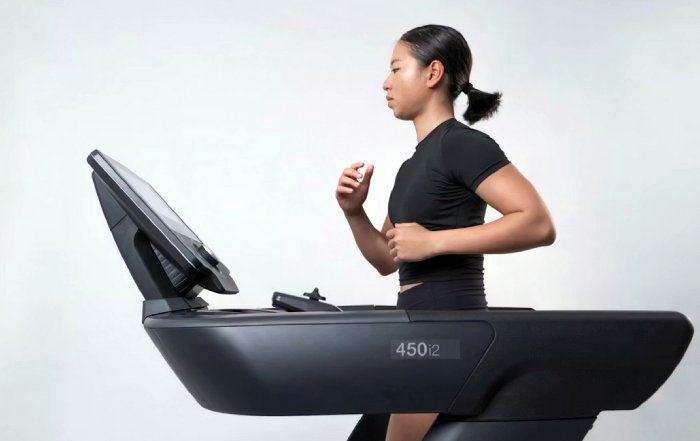
The traditional model of generic workout plans and one-size-fits-all training schedules has largely given way to adaptive coaching systems that respond dynamically to each person's capacity, objectives, and constraints. In 2026, global fitness brands, boutique studios, digital platforms, and even corporate wellness programs increasingly rely on algorithms that integrate performance data, subjective feedback, and contextual signals such as travel, illness, or high workloads to adjust training in real time. This shift is particularly visible in markets like the United States, the United Kingdom, Germany, Australia, and Canada, where consumers have rapidly adopted connected strength equipment, smart cardio machines, and app-based coaching.
Elite sport has long been a proving ground for data-driven training, and organizations such as the Australian Institute of Sport have helped translate high-performance principles into frameworks that can be applied by recreational athletes and fitness enthusiasts. Readers interested in how these principles are codified can review resources from the Australian Institute of Sport, which illustrate how load management, recovery tracking, and performance analytics are being standardized. These concepts now underpin mainstream products that automatically adjust training volume and intensity when indicators such as heart rate variability, sleep quality, or muscle soreness suggest that the body is not ready for maximal effort.
Cultural and environmental diversity play an increasingly central role in personalized fitness design. In Nordic countries like Sweden, Norway, and Finland, outdoor endurance activities, cold exposure, and seasonal light variation are integrated into training recommendations, while in Thailand, Malaysia, Brazil, and South Africa, heat and humidity inform hydration strategies, training times, and recovery protocols. Public health resources such as the Centers for Disease Control and Prevention continue to provide baseline guidance on physical activity, which can then be customized by digital platforms according to age, health status, and regional conditions. Within this evolving ecosystem, WellNewTime's fitness and wellness coverage focuses on helping readers understand how to blend sophisticated technology with realistic routines that respect work schedules, family responsibilities, and long-term sustainability.
Precision Nutrition and Metabolic Personalization
Nutrition has become one of the most dynamic frontiers of personalized health, as individuals seek guidance that reflects not only their goals and preferences but also their unique metabolic responses. In 2026, continuous or intermittent glucose monitoring, at-home lipid and inflammation testing, and AI-assisted food logging enable people in North America, Europe, and Asia to understand how specific foods, meal timing, and combinations of macronutrients affect their energy, mood, sleep, and exercise performance. This has shifted the conversation away from universal diet labels toward more nuanced, context-sensitive strategies.
Academic institutions such as Harvard T.H. Chan School of Public Health continue to provide accessible, evidence-based frameworks for healthy eating patterns, allowing readers to learn more about sustainable dietary choices that support long-term health rather than short-term trends. National health agencies like the UK National Health Service maintain clear, population-level guidance while acknowledging that personalization can improve adherence and outcomes for individuals with specific conditions such as diabetes, cardiovascular disease, or irritable bowel syndromes.
For WellNewTime readers, the practical challenge lies in integrating these tools into daily life without becoming overwhelmed by data or falling into perfectionism. Busy professionals in cities such as New York, London, Paris, Toronto, and Sydney are increasingly turning to platforms that propose weekly meal plans, grocery lists, and restaurant choices aligned with their biometric feedback and lifestyle constraints. In Asia, where culinary traditions in Japan, South Korea, China, and Southeast Asia are deeply rooted, personalization is most effective when it enhances rather than replaces local cuisines, suggesting healthier variants, portion adjustments, and timing strategies that fit cultural norms. The same is true in Mediterranean regions like Italy and Spain, where traditional dietary patterns already align with many evidence-based recommendations. By connecting nutrition with content in lifestyle and health, WellNewTime emphasizes that the most robust personalized nutrition strategies are those that are emotionally satisfying, socially compatible, and environmentally conscious, not merely numerically optimized.
Mental Health, Mindfulness, and Emotional Personalization
As awareness of mental health has grown worldwide, personalization has extended beyond physical metrics to encompass emotional states, cognitive patterns, and stress responses. In 2026, digital mental health platforms use a blend of self-reported mood tracking, passive data from devices, and validated psychological scales to tailor interventions for stress, anxiety, depression, and burnout. This is particularly relevant in high-pressure environments across the United States, the United Kingdom, Germany, France, Singapore, South Korea, and Japan, where long working hours, economic uncertainty, and digital overload can erode resilience.
Organizations such as the World Health Organization and the U.S. National Institute of Mental Health continue to issue guidance on effective treatment modalities and the safe integration of digital tools into care pathways. Teletherapy platforms in North America, Europe, and parts of Asia increasingly combine algorithmic triage with licensed human clinicians, creating stepped-care models in which low-intensity digital interventions are escalated to more intensive support when risk indicators appear. This approach enables personalization at scale while preserving clinical oversight and human connection.
Mindfulness and contemplative practices have also been reshaped by personalization. Apps now adjust session content, language, and pacing based on engagement patterns, stress biomarkers, and even local time zones, offering short interventions for time-pressed executives in London or New York, longer deep-dive practices for individuals in quieter phases of life in Scandinavia or New Zealand, and culturally adapted content for users in Thailand, India, or Brazil. Integration with wearables allows some platforms to proactively suggest breathing exercises or grounding practices when they detect elevated heart rate or reduced heart rate variability during working hours. For WellNewTime, which regularly explores these themes in its mindfulness and wellness sections, the key message is that technology can create more personalized entry points into mental wellbeing, but it must be anchored in evidence-based methods and complemented by supportive relationships, meaningful work, and restorative environments.
Recovery, Massage, and Restorative Personalization
As individuals pursue higher levels of performance in work, sport, and everyday life, recovery has moved from a peripheral consideration to a central pillar of personalized health strategies. In 2026, recovery is no longer treated as passive downtime but as an active, data-informed process that integrates sleep optimization, massage, mobility work, breath training, and stress management into a cohesive plan. Wearable-derived metrics such as heart rate variability, sleep efficiency, and nocturnal movement patterns serve as proxies for autonomic balance and cumulative fatigue, guiding whether a person should push harder, maintain, or pull back.
Organizations like the American College of Sports Medicine have continued to synthesize research on training load, recovery, and injury prevention, providing frameworks that coaches, clinicians, and platforms adapt for varied populations. Readers interested in scientific overviews can explore resources from the American College of Sports Medicine, which help differentiate between practices supported by robust evidence and those primarily driven by commercial trends. At the same time, public-facing organizations such as the Sleep Foundation offer accessible guidance on sleep duration, circadian rhythms, and behavioral strategies for improving sleep quality, which many digital platforms now translate into personalized recommendations based on each user's sleep profile.
Massage and bodywork have also been integrated into the personalization landscape, both through in-person services and increasingly sophisticated home devices. Data-informed recommendations now guide individuals on when to schedule deeper tissue work, when to prioritize gentle restorative techniques, and how to coordinate massage with training cycles, travel, and periods of high cognitive demand. In cities like New York, London, Berlin, Singapore, and Dubai, professionals are combining app-based recovery plans with regular sessions from therapists who understand sports performance, chronic pain, or stress-related tension. WellNewTime's dedicated massage section provides readers with insights into how to select modalities and practitioners, and how to integrate massage with digital recovery tools in a way that enhances rather than fragments their overall wellbeing strategy.
Trust, Privacy, and Ethical Personalization
The power of personalized health and fitness technologies is inseparable from the question of trust. In 2026, concerns about data privacy, algorithmic bias, and commercial misuse of sensitive information have moved from specialist debates into mainstream conversations across North America, Europe, and Asia. Regulators and oversight bodies, such as the Office of the Privacy Commissioner of Canada and the European Data Protection Board, have intensified their focus on health data processing, cross-border transfers, and secondary uses of data, while enforcement of frameworks like the EU's General Data Protection Regulation continues to influence practices well beyond Europe's borders.
For organizations operating in this space, including information platforms such as WellNewTime, demonstrating experience, expertise, authoritativeness, and trustworthiness requires more than technical competence. It demands clear explanations of what data is collected, how it is used, and how individuals can exercise control; meaningful consent processes; robust cybersecurity safeguards; and governance structures that address conflicts of interest and commercialization risks. Employers implementing personalized wellness programs must carefully separate aggregated, anonymized insights used to shape supportive policies from any individual-level data that could influence hiring, promotion, or insurance decisions. Similarly, insurers and health systems must guard against reinforcing inequities through opaque risk scoring that disproportionately affects marginalized groups.
Ethical personalization also entails actively addressing bias in algorithms and datasets. Health technology companies are under increasing pressure from advocacy organizations and global initiatives, including those highlighted by the World Economic Forum's work on health equity, to demonstrate that their products perform reliably across diverse populations in terms of gender, age, ethnicity, geography, and socioeconomic status. For readers in regions such as Africa, Latin America, and parts of Asia, this is not merely a theoretical concern; it shapes whether personalized solutions are accurate, accessible, and culturally relevant. WellNewTime's news and world coverage increasingly reflects these debates, highlighting policy developments, landmark cases, and emerging best practices that will define trust in personalized health over the coming decade.
Business Models, Careers, and the Personalized Health Ecosystem
The rise of personalization has reconfigured the business landscape surrounding health, fitness, and wellness, creating new revenue models, partnerships, and career paths. Traditional boundaries between healthcare providers, insurers, fitness brands, wellness retreats, technology companies, and consumer packaged goods have blurred, giving rise to integrated ecosystems where data flows among devices, apps, clinics, and corporate programs. For executives and entrepreneurs following WellNewTime's business and brands sections, understanding this ecosystem has become vital for strategy, investment, and risk management.
Subscription-based digital therapeutics, hybrid physical-digital fitness offerings, personalized supplement and nutrition services, and corporate wellbeing platforms now compete and collaborate across markets in North America, Europe, and Asia-Pacific. Large incumbents in healthcare and technology are acquiring or partnering with nimble startups, while insurers increasingly incentivize the use of validated personalized tools that can demonstrably reduce risk and improve adherence. Global organizations such as the World Economic Forum's Centre for Health and Healthcare convene stakeholders to shape standards, interoperability, and responsible innovation, influencing how companies position themselves and how regulators respond.
On the labor market side, new roles have emerged at the intersection of data science, behavioral psychology, health coaching, regulatory compliance, and user experience design. Digital health companies in hubs like San Francisco, Boston, London, Berlin, Amsterdam, Singapore, Seoul, and Sydney are recruiting professionals who can bridge clinical expertise and product development, interpret complex datasets in ways that are meaningful for end users, and navigate regulatory landscapes that vary across jurisdictions. For individuals exploring career transitions or seeking to future-proof their skills, WellNewTime's jobs section highlights how roles in digital health coaching, AI ethics, wellness program design, and personalized fitness instruction are evolving, and what competencies employers increasingly value.
Environment, Travel, and Lifestyle Integration
Personalized health in 2026 is deeply intertwined with environmental conditions, mobility patterns, and lifestyle design. Climate change, air pollution, heat waves, and urban design influence respiratory health, cardiovascular risk, mental wellbeing, and physical activity opportunities in cities. Environmental organizations such as the United Nations Environment Programme provide data and analysis that contextualize individual health decisions within broader ecological trends, reminding readers that personalized strategies must also account for planetary boundaries and community resilience.
Travel has returned as a central feature of professional and personal life for many, and personalization technologies play a growing role in helping frequent travelers manage jet lag, immune stress, and routine disruption. Location-aware fitness apps adjust training recommendations based on hotel facilities, local climate, and air quality; sleep and circadian tools propose light exposure and napping strategies aligned with flight schedules; and nutrition platforms suggest regionally appropriate, health-conscious meal options. WellNewTime's travel coverage increasingly focuses on how to maintain coherent routines across time zones and cultures, while its environment reporting examines how urban planning, transport systems, and green infrastructure can support or undermine population health.
Lifestyle integration is ultimately where personalization proves its true value for readers across continents. For some, especially remote workers in North America and Europe, the priority is building daily structures that prevent digital fatigue, support regular movement, and maintain clear boundaries between work and rest. For others, such as entrepreneurs in Africa or Asia navigating rapid growth and volatility, the emphasis may be on resilience, energy management, and stress buffering. Families in countries like Canada, Australia, and the Netherlands are using personalized tools to coordinate activity, sleep, and nutrition across generations, while older adults in Japan, Italy, and Germany increasingly rely on adaptive programs that support healthy aging, fall prevention, and cognitive health. As a global hub at wellnewtime.com, WellNewTime curates these diverse experiences, underscoring that personalization is meaningful only when it fits the rhythms, responsibilities, and aspirations of real lives.
The Road Ahead: Human-Centered Personalization Beyond 2026
Looking beyond 2026, the trajectory of personalized health and fitness points toward even more powerful capabilities, but also more complex responsibilities. Advances in sensor miniaturization, multimodal AI, and secure health data infrastructures will enable earlier detection of risk, more precise interventions, and richer integration between clinical care and everyday life. At the same time, societal expectations around privacy, explainability, and fairness will continue to rise, and regulators will likely demand greater transparency about how algorithms function and how outcomes vary across populations.
For the global community that turns to WellNewTime for guidance across wellness, beauty, health, fitness, business, environment, mindfulness, and travel, the central task is to harness personalization in a way that is genuinely human-centered. This means choosing technologies that are grounded in credible science, that respect individual autonomy and cultural diversity, and that enhance rather than erode self-knowledge and social connection. It involves consulting reputable resources such as the World Health Organization, national health agencies, and leading academic institutions, while also listening to one's own body, seeking professional advice when needed, and acknowledging that metrics are tools, not verdicts.
Ultimately, personalization is most powerful when it supports a compassionate, realistic relationship with health, rather than a relentless pursuit of optimization. It can help an overextended executive in New York recognize the early signs of burnout and adjust before a crisis, guide a young professional in Berlin toward sustainable fitness habits, assist a family in Singapore in balancing academic pressure with play and rest, or support an older adult in South Africa in maintaining independence and vitality. As WellNewTime continues to expand its coverage across wellness, health, fitness, lifestyle, and related domains, its commitment is to illuminate this evolving landscape with clarity, nuance, and integrity, helping readers around the world use technology not as a master, but as a partner in living healthier, more balanced, and more purposeful lives.