

The Future of Wearable Fitness Technology
A New Era for Human Performance and Everyday Wellbeing
As 2026 unfolds, wearable fitness technology is entering a decisive new phase in which devices are no longer just accessories that count steps or track heart rate, but integrated health companions that shape how individuals move, work, recover and even make medical decisions. For the global audience of WellNewTime, whose interests span wellness, fitness, health, business, lifestyle and innovation, the evolution of wearables sits at the intersection of personal wellbeing, digital transformation and the economics of a rapidly expanding industry. From the United States and United Kingdom to Germany, Canada, Australia, Singapore and beyond, consumers, clinicians, employers and policymakers are redefining what it means to be "connected" to one's own body.
This transformation is being accelerated by advances in sensors, artificial intelligence, edge computing and materials science, combined with a societal shift toward proactive health management and performance optimization. While step counters and simple heart-rate monitors once dominated the landscape, the future points toward multi-sensor ecosystems that continuously analyze physiology, behavior and environment, and then translate that data into actionable, personalized guidance. In this context, WellNewTime is positioning its coverage, from wellness and fitness to innovation and business, to help readers understand not only what is possible, but what is trustworthy, ethical and genuinely beneficial.
From Activity Trackers to Intelligent Health Platforms
The evolution of wearable fitness technology over the last decade has been marked by a steady shift from novelty gadgets to clinically relevant health tools. Early consumer devices focused on metrics such as steps, calories and basic sleep patterns. Today, leading platforms from companies such as Apple, Google's Fitbit, Samsung, Garmin, Whoop and Oura are incorporating advanced capabilities including continuous heart rhythm monitoring, blood oxygen saturation, respiratory rate, temperature trends, stress proxies and even early illness detection signals.
Regulators have taken notice. The U.S. Food and Drug Administration has cleared certain smartwatch features for atrial fibrillation detection and irregular rhythm notifications, signaling a closer alignment between consumer wearables and regulated medical devices. Readers can explore how regulators are approaching digital health tools through resources such as the FDA's digital health center. In Europe, the European Medicines Agency and national bodies are similarly scrutinizing the clinical validity and safety of wearables that blur the line between wellness and medical care, while data protection frameworks such as the EU GDPR are shaping how personal health information is handled and shared.
At the same time, academic research is increasingly validating the role of wearables in health monitoring and behavior change. Institutions such as Stanford University and Harvard T.H. Chan School of Public Health have published findings on how continuous physiological monitoring can detect pre-symptomatic changes in health, support long-term cardiovascular risk management and encourage sustained lifestyle improvements. Those interested in the evidence base can review summaries through organizations like the World Health Organization and public health agencies such as the U.S. Centers for Disease Control and Prevention, which discuss digital health interventions and their impact on population health.
For WellNewTime's global readers in regions including Asia, Europe, Africa and South America, this convergence of consumer technology and clinical oversight raises important questions: when does a fitness tracker become a medical device, who is responsible for interpreting its data and how should individuals integrate these insights into broader health strategies that include professional medical advice and lifestyle changes?
Hyper-Personalized Coaching: AI as the New Fitness Companion
The defining feature of next-generation wearable fitness technology is not simply more data, but more meaningful interpretation of that data. Artificial intelligence and machine learning are enabling hyper-personalized coaching that adapts to each person's physiology, habits and goals. Instead of generic step targets or standard workout templates, wearables in 2026 are increasingly offering individualized recommendations for training intensity, recovery periods, sleep optimization and stress management, based on continuous analysis of real-world behaviors and biometric signals.
Major platforms are investing heavily in AI-driven health coaching. Apple continues to enhance its Health and Fitness ecosystems with advanced algorithms that analyze heart rate variability, sleep stages and activity patterns to suggest tailored exercise and recovery plans. Whoop and Oura have built their brands around readiness scores and recovery indices that synthesize multiple physiological markers into a single, easy-to-interpret metric. Meanwhile, Garmin and Polar have become trusted tools among endurance athletes in countries such as Norway, Sweden, Finland, Japan and New Zealand, where data-driven training has long been embraced.
To understand how AI is reshaping personal health analytics, readers can explore resources from the World Economic Forum and McKinsey & Company, which analyze the economic and societal implications of AI in healthcare and wellness. These discussions highlight that the value of AI-driven wearables lies not only in performance optimization for athletes, but also in early risk detection for conditions such as overtraining, chronic stress and cardiovascular strain among everyday users, remote workers and aging populations.
For WellNewTime, which covers mindfulness and lifestyle alongside fitness and health, the rise of AI coaching also raises questions about digital dependency, the psychological impact of constant feedback and the risk of algorithmic bias. If AI models are trained on limited demographic data, their recommendations may be less accurate for underrepresented groups across Africa, South America or certain age cohorts, underscoring the importance of transparency and inclusivity in model development.
Integrating Wellness, Mental Health and Recovery
The future of wearables is not limited to physical performance metrics; it increasingly encompasses mental health, emotional wellbeing and holistic recovery. Devices are now capable of approximating stress levels through heart rate variability, electrodermal activity and breathing patterns, while some platforms are experimenting with mood logging, guided breathing and mindfulness prompts within their interfaces.
Organizations such as Headspace Health and Calm have partnered with hardware manufacturers and corporate wellness programs to integrate digital mindfulness and resilience training into wearable ecosystems, recognizing that stress, burnout and anxiety are major determinants of both productivity and physical health. For readers seeking evidence-based perspectives on mental health and digital tools, resources such as the National Institute of Mental Health and NHS in the United Kingdom provide guidance on how technology can support, but not replace, professional care.
WellNewTime's focus on wellness and health aligns closely with this integrated view. The platform's audience across North America, Europe, Asia and Oceania is increasingly interested in how wearables can support better sleep hygiene, more restorative recovery and healthier daily rhythms, rather than simply pushing for higher performance or constant activity. This shift is visible in the popularity of sleep-focused devices and features, as well as in the growing attention to HRV-based recovery metrics and digital tools that nudge users toward breaks, micro-meditations and ergonomic adjustments during the workday.
Massage, physiotherapy and bodywork are also being influenced by wearable data. Professionals in these fields can now review clients' activity levels, sleep quality and stress markers to personalize treatments and home-care recommendations. Readers exploring the intersection of technology and manual therapies can refer to WellNewTime's coverage of massage and related services, as well as industry analyses from sources like the American Massage Therapy Association, which discuss how digital health tools are reshaping client expectations and practitioner workflows.
Business Models, Brands and the Global Market Landscape
The business dynamics of wearable fitness technology are evolving as rapidly as the technology itself. What began as a hardware-centric market is now shifting toward subscription-based services, digital coaching, corporate wellness programs and data-driven health partnerships. For a business-focused readership, the financial and strategic implications are substantial, with major technology companies, sports brands, healthcare providers and insurers all vying for influence.
Leading companies such as Apple, Google, Samsung, Huawei, Xiaomi, Garmin and Fitbit are moving beyond one-time device sales to recurring revenue models that bundle premium analytics, personalized training plans and exclusive content. Meanwhile, sportswear and lifestyle brands such as Nike and Adidas are integrating digital platforms with physical products, creating ecosystems that span apparel, footwear, training plans and community challenges. Those interested in market forecasts and investment trends can explore analyses from the International Data Corporation and Statista, which track the growth of the wearable segment across regions including China, India, Brazil and South Africa.
For WellNewTime's audience of professionals, entrepreneurs and job seekers, the wearable sector is also creating new career pathways in data science, sports science, digital product management, user experience design and health coaching. The platform's jobs and brands sections are increasingly relevant as startups and established players seek talent that can bridge technology, physiology, psychology and user-centered design. In parallel, corporate wellness programs in Canada, Germany, Singapore and Japan are deploying wearables to support employee health initiatives, reduce absenteeism and enhance engagement, raising questions about data governance, voluntary participation and the boundaries between personal and professional monitoring.
Data Privacy, Ethics and Regulatory Oversight
As wearable fitness technology becomes more powerful and pervasive, concerns about data privacy, security and ethical use are intensifying. Devices that continuously collect heart rate, sleep patterns, location and sometimes even electrocardiogram data generate highly sensitive profiles of an individual's health status and daily routines. The question of who owns this data, how it is stored and whether it can be shared or monetized has moved to the forefront of policy debates in North America, Europe, Asia and beyond.
Regulatory bodies and privacy advocates are working to establish clearer frameworks. In the European Union, the General Data Protection Regulation sets strict requirements on consent, data minimization and user rights, including the right to access and delete personal data. Readers can learn more about these protections through the European Commission's data protection portal. In the United States, a more fragmented landscape of state and federal regulations is emerging, with agencies such as the Federal Trade Commission scrutinizing how companies handle consumer health data, especially when it is shared with third-party advertisers or analytics firms.
Global organizations, including the Organisation for Economic Co-operation and Development and World Bank, have highlighted the need for harmonized standards and cross-border data governance, particularly as wearable platforms operate across jurisdictions and store data in cloud infrastructures that span multiple countries. Ethical questions also arise around algorithmic transparency and fairness: if wearables are used to inform insurance premiums, employment decisions or access to health services, how can societies ensure that these tools do not entrench existing inequalities or discriminate against specific populations?
For WellNewTime, which engages readers through news and world coverage, these debates are central to building trust. The platform's editorial stance emphasizes clear communication about how data is used, the limitations of consumer health devices and the importance of consulting qualified medical professionals before making significant health decisions based on wearable outputs. In a marketplace saturated with bold claims and aggressive marketing, authoritativeness and transparency become competitive advantages.
Sustainability, Environment and the Lifecycle of Wearables
The environmental impact of wearable fitness technology is an increasingly important consideration for consumers, regulators and manufacturers. Devices are often upgraded every two to three years, leading to concerns about electronic waste, resource consumption and the carbon footprint of production and logistics. As sustainability becomes a core value for audiences in Scandinavia, Western Europe, Australia, New Zealand and many urban centers worldwide, the wearable industry faces pressure to adopt more responsible practices.
International organizations such as the United Nations Environment Programme and the Ellen MacArthur Foundation are promoting circular economy principles that encourage product longevity, repairability, modular design and responsible recycling. Some manufacturers are beginning to experiment with recycled materials, take-back programs and longer software support cycles, though these initiatives are not yet universal or standardized. The environmental cost of cloud computing and data centers that power wearable analytics is also coming under scrutiny, prompting investments in energy-efficient infrastructure and carbon-offset programs.
WellNewTime's environment and lifestyle sections are well placed to explore how consumers can make more sustainable choices, from choosing devices with longer lifespans and robust repair policies to participating in recycling initiatives when upgrading. For global readers in regions such as Africa and South America, where e-waste often accumulates without adequate recycling infrastructure, these issues are not abstract; they have direct implications for local ecosystems and public health.
Travel, Global Lifestyles and Cross-Cultural Adoption
Wearable fitness technology is also reshaping how people travel, commute and experience the world. For frequent travelers, digital nomads and international professionals, wearables provide continuity in health tracking across time zones, climates and cultural contexts. Devices can adjust recommendations based on jet lag, altitude, temperature and air quality, helping users manage fatigue, hydration and exposure to pollution in megacities from Beijing to São Paulo.
Travel and tourism organizations are beginning to recognize the potential of wearables to enhance safety and experience. Adventure travel companies in regions such as New Zealand, Canada, Switzerland and South Africa are exploring partnerships with wearable brands to monitor participants' vital signs during high-risk activities, while hospitality providers experiment with wellness packages that incorporate guided runs, recovery sessions and spa experiences informed by wearable data. Readers curious about the intersection of travel and health technology can complement WellNewTime's travel coverage with insights from organizations such as the World Travel & Tourism Council, which examines how digital tools are transforming tourism.
Cultural attitudes toward health data, body image and performance also shape how wearables are adopted. In some Asian markets, there is strong enthusiasm for quantified self-tracking and gamified fitness challenges, while in parts of Europe and North America, privacy concerns and digital fatigue may temper adoption. For WellNewTime's worldwide readership, understanding these nuances is essential, especially for businesses and brands planning cross-border product launches, partnerships or marketing campaigns.
The Convergence of Fitness, Healthcare and Everyday Life
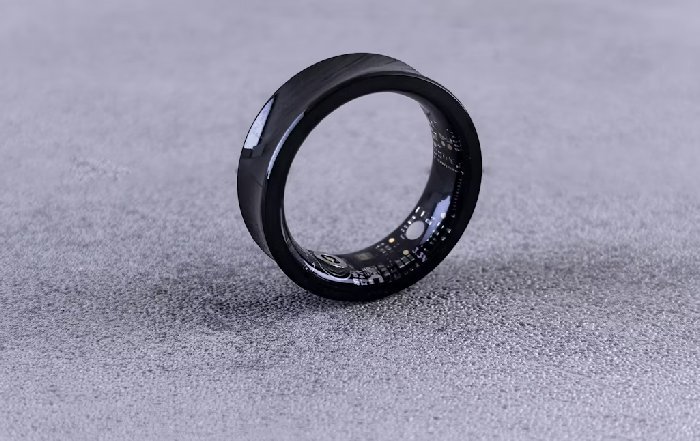
Looking ahead, the most significant development in wearable fitness technology may be its seamless integration into everyday life, blurring the boundaries between fitness, healthcare, work, leisure and home environments. Smart rings, patches, textiles and even "invisible" sensors embedded in clothing and furniture are emerging, moving beyond the wrist-dominated form factor of the early 2020s. Research labs and companies showcased at events such as the Consumer Electronics Show and Mobile World Congress are demonstrating prototypes of flexible, skin-like sensors and smart garments that can monitor muscle activation, posture and hydration in real time.
Healthcare systems in countries such as Germany, France, Italy, Spain, Singapore and South Korea are experimenting with integrating wearable data into electronic health records, enabling more continuous monitoring of chronic conditions such as diabetes, hypertension and heart failure. Organizations like the World Health Organization and OECD discuss how digital health tools, including wearables, can support aging populations, reduce hospital readmissions and extend care to rural or underserved communities. However, they also caution that digital divides in connectivity, literacy and affordability must be addressed to avoid exacerbating health inequities.
For WellNewTime, whose editorial vision spans health, business, innovation and global news, this convergence presents a unique opportunity to guide readers through a complex landscape. The platform can help distinguish evidence-based innovation from hype, highlight best practices in data stewardship and amplify voices from different regions and disciplines who are shaping the future of human performance and wellbeing.
Positioning WellNewTime in the Wearable Future
As wearable fitness technology becomes more sophisticated, the need for trusted, independent analysis grows. Consumers, athletes, clinicians, employers and policymakers are all grappling with similar questions: which devices and platforms are credible, how should data be interpreted, what are the real benefits versus the marketing promises and how can technology be integrated into life in a way that enhances, rather than dominates, the human experience?
WellNewTime, with its focus on wellness, massage, beauty, health, fitness, jobs, brands, lifestyle, environment, world events, mindfulness, travel and innovation, is uniquely positioned to answer these questions for a global audience. By drawing on interdisciplinary expertise, maintaining a critical but open-minded stance toward new technologies and foregrounding issues of privacy, equity and sustainability, the platform can help readers navigate the wearable ecosystem with confidence.
The coming years will likely see continued acceleration in sensor accuracy, AI sophistication, clinical validation and cross-industry collaboration. Yet the core challenge will remain fundamentally human: using these powerful tools to support healthier, more fulfilling lives without reducing people to data points or outsourcing judgment to algorithms. As the world moves deeper into this wearable era, WellNewTime's role will be to illuminate not only what the technology can do, but how individuals and societies can use it wisely, ethically and sustainably. Readers can follow this evolving story across the site's dedicated sections, including wellness, fitness, innovation and the broader WellNewTime home, as the future of wearable fitness technology continues to unfold.