

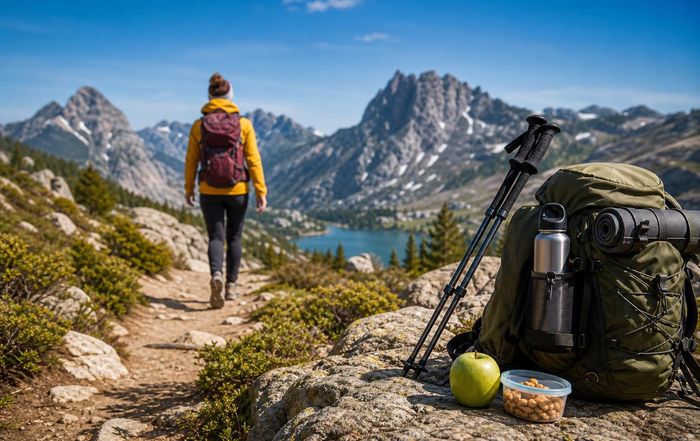
Healthy Adventures for Active Travelers! Lets Go!
The New Era of Active Travel
Active travel has moved from a niche interest to a defining force in global tourism, reshaping how individuals, families, and businesses think about movement, recovery, and long-term wellbeing. Across North America, Europe, Asia-Pacific, and emerging destinations in Africa and South America, travelers are no longer content with passive sightseeing; they seek experiences that challenge the body, calm the mind, and strengthen resilience, while still aligning with professional responsibilities and the realities of a hyper-connected world. For WellNewTime and its happy fit and healthy community, this shift represents not only a lifestyle transformation but also a strategic opportunity to integrate wellness, performance, and meaningful exploration into a coherent, sustainable way of living and working.
This new era is being driven by converging trends: the maturation of the global wellness economy, the mainstreaming of fitness culture, widespread adoption of hybrid and remote work models, and a growing recognition that mental health and physical health cannot be separated. Institutions such as the World Health Organization highlight the importance of physical activity for preventing chronic disease and improving mental wellbeing; readers can explore their latest perspectives on global physical activity guidelines. At the same time, organizations like the Global Wellness Institute track how wellness tourism has become a multi-hundred-billion-dollar sector that continues to expand, as seen in their analysis of wellness tourism trends. Within this context, healthy adventures for active travelers are no longer indulgences but core investments in performance, longevity, and quality of life.
Defining Healthy Adventures in a Connected World
Healthy adventures in 2026 are characterized by intentionality, integration, and personalization. Rather than simply booking a hiking trip or a yoga retreat, active travelers design experiences that combine physical challenge, restorative practices, cultural immersion, and digital boundaries that protect focus and recovery. A week of trekking in the Dolomites, for example, may be paired with guided breathwork, structured recovery sessions, and periods of planned disconnection from work, while still allowing for essential communication with colleagues when necessary. This approach reflects a more mature understanding of wellness, in which adventure is leveraged as a catalyst for sustainable lifestyle change rather than a temporary escape.
From a health perspective, the science underpinning active travel is increasingly robust. Leading organizations such as the American College of Sports Medicine provide evidence-based recommendations on how aerobic activity, strength training, and flexibility work together to support cardiovascular health, metabolic function, and musculoskeletal resilience, which can be explored in their resources on exercise guidelines. Meanwhile, the Centers for Disease Control and Prevention offer detailed insights into how movement reduces the risk of chronic diseases and supports mental health, including guidance on benefits of physical activity relevant to travelers who spend long hours in transit or at work. For the WellNewTime audience, this knowledge translates directly into better planning of trips that balance intensity and recovery, allowing individuals to return home more energized rather than depleted.
Wellness as the Foundation of Active Travel
Wellness is no longer an optional add-on to travel; it has become the foundation on which successful active adventures are built. This shift is clearly reflected in how travelers research and select experiences, with a growing focus on sleep quality, nutrition, stress management, and access to restorative therapies. On WellNewTime's dedicated wellness section, readers can explore how these elements come together in practical ways by visiting the wellness insights hub, where trends, expert interviews, and destination spotlights are curated with a global perspective.
At a macro level, institutions such as the World Economic Forum have drawn attention to the economic and societal costs of burnout and stress, underscoring why companies and individuals alike are rethinking how they approach time off, travel, and work-life integration; readers can examine broader context in reports on wellbeing and productivity. As active travelers plan their adventures, they increasingly prioritize destinations and accommodations that support circadian-friendly lighting, noise control, and healthy food options, while also valuing access to nature and spaces for contemplative practice. This is particularly true among professionals in the United States, United Kingdom, Germany, and the Nordic countries, where awareness of mental health and stress-related illness is high and where wellness-centric travel is becoming part of corporate benefits and leadership development programs.
Health, Prevention, and Longevity on the Move
In 2026, healthy adventures are deeply intertwined with prevention and longevity. Advances in wearable technology, biomarker testing, and personalized health coaching enable travelers to understand their bodies with greater precision, allowing them to design trips that challenge their limits without compromising safety. Resources from the National Institutes of Health on exercise and heart health and from the National Health Service in the United Kingdom on healthy travel and vaccination inform preparation for journeys that might include altitude, heat, or extended endurance activities.
For readers of WellNewTime, the health section provides a bridge between scientific evidence and practical application, helping travelers make informed decisions before, during, and after their trips; this can be explored through curated content at the health resource center. Whether planning a cycling tour across Spain, a trail-running retreat in New Zealand, or a multi-day kayak expedition in Canada, active travelers increasingly integrate pre-travel health checks, vaccination advice, joint and mobility assessments, and tailored conditioning programs. This preventive mindset not only reduces the risk of injury and illness but also enhances confidence, allowing individuals from their twenties to their seventies to attempt experiences that might have seemed unrealistic in prior decades.
Fitness-Driven Itineraries and Performance-Oriented Travel
Fitness is the backbone of many healthy adventures, and in 2026, performance-oriented travel has become more sophisticated, inclusive, and data-informed. Rather than simply booking a hotel gym, active travelers look for destinations that offer structured training environments, expert coaching, and access to nature-based workouts that challenge the body in diverse ways. The rise of fitness tourism is evident in the popularity of running camps in Kenya, cycling clinics in Italy, surf and strength retreats in Portugal, and triathlon-focused getaways in Australia and the United States.
Organizations such as Strava and Garmin have helped normalize data-driven training and community-based challenges, making it easier for travelers to maintain performance goals while on the road, and readers can explore how digital platforms support endurance sports by reviewing resources on endurance training communities and performance metrics. For those seeking structured inspiration, WellNewTime offers a dedicated fitness section that explores training methods, recovery strategies, and destination-specific workouts tailored to different regions and climates, accessible via the fitness and performance page. This integration of training and travel allows executives, entrepreneurs, and remote professionals to align their fitness goals with their travel agendas, transforming business trips and vacations into opportunities for measurable physical progress.
Mindfulness, Mental Health, and the Inner Journey
Healthy adventures are not solely about physical exertion; they are equally about cultivating mental clarity, emotional balance, and inner resilience. In 2026, mindfulness-based travel experiences have expanded beyond traditional yoga retreats to encompass meditation treks in the Himalayas, forest bathing itineraries in Japan and Scandinavia, and digital detox stays in remote regions of New Zealand, Canada, and South Africa. Scientific support for these practices continues to grow, with institutions like Harvard Medical School publishing accessible explanations of how mindfulness meditation affects the brain and stress response, as outlined in their overview of mindfulness and health.
The mental health dimension of travel is also increasingly recognized by global organizations. The World Health Organization has emphasized the importance of mental health promotion and stress reduction, and readers can review their guidance on mental health and wellbeing. For WellNewTime, this aligns closely with its mission to connect active lifestyles with inner balance, reflected in the platform's dedicated mindfulness section, where readers can explore practical tools, destination guides, and expert perspectives through the mindfulness and mental balance hub. Active travelers now frequently design itineraries that combine sunrise runs or hikes with guided meditation, journaling, or breathing practices, recognizing that the most valuable outcomes of a trip are often cognitive clarity, creativity, and a renewed sense of purpose.
Travel Experiences Across Regions: From Urban Trails to Remote Expeditions
The geography of healthy adventures has become remarkably diverse, mirroring the global readership of WellNewTime, which spans the United States, United Kingdom, Germany, Canada, Australia, France, Italy, Spain, the Netherlands, Switzerland, China, Japan, South Korea, Singapore, Thailand, South Africa, Brazil, and beyond. Urban destinations increasingly offer integrated wellness infrastructure, from extensive cycling networks in the Netherlands and Denmark to waterfront running paths in Singapore and Sydney, while rural and wilderness regions provide the space for multi-day treks, ski touring, and wildlife-focused expeditions.
For travelers seeking inspiration and practical planning support, organizations such as National Geographic highlight destinations that blend adventure with conservation and culture, and their features on adventure travel can serve as a starting point. Similarly, the United Nations World Tourism Organization provides insight into global tourism trends and the growth of sustainable and nature-based travel, which can be explored in their materials on sustainable tourism development. Within this dynamic landscape, WellNewTime curates travel narratives and analyses that emphasize active itineraries, wellness-focused accommodations, and region-specific health considerations, all accessible through the travel and exploration section. From cycling the wine routes of France to trail running in the Alps, diving in Thailand, or surfing along the coasts of Portugal and Brazil, the emphasis is consistently on experiences that leave travelers physically invigorated and mentally restored.
Beauty, Recovery, and the Role of Massage in Active Travel
As travelers push their physical limits through hiking, cycling, climbing, skiing, and water sports, the importance of recovery has come sharply into focus. Beauty and body care are no longer seen as purely cosmetic but as integral components of holistic performance and wellbeing. In 2026, high-end hotels, wellness resorts, and specialized retreats across Europe, Asia, and the Americas offer sophisticated recovery suites that combine hydrotherapy, contrast bathing, infrared saunas, and targeted massage protocols designed for athletes and active guests. The science behind these practices is supported by organizations such as the Mayo Clinic, which provides accessible overviews of massage benefits and recovery strategies for stress and muscle tension.
For WellNewTime, beauty and massage are framed through a performance and wellbeing lens, integrating skincare for different climates, sun protection for high UV environments, and bodywork tailored to runners, cyclists, and hikers. Readers can explore these themes through the platform's dedicated beauty content at the beauty and self-care page and specialized massage coverage at the massage and bodywork section. Active travelers increasingly schedule sports massage, myofascial release, or lymphatic drainage sessions into their itineraries, recognizing that such interventions not only enhance comfort and appearance but also accelerate recovery, reduce injury risk, and improve sleep quality, thereby extending the benefits of the trip long after returning home.
Business, Brands, and the Professionalization of Active Travel
The rise of healthy adventures has significant implications for business and brands worldwide. In 2026, forward-thinking companies are integrating active travel into leadership development programs, team offsites, and executive retreats, recognizing that shared physical challenges and wellness-focused environments can strengthen trust, innovation, and strategic thinking. At the same time, a new generation of travel, fitness, and wellness brands is emerging, designing products and services specifically for active travelers, from performance apparel optimized for multi-climate trips to digital platforms that integrate itinerary planning with training schedules and recovery protocols.
Organizations such as McKinsey & Company have analyzed the rapid growth of the wellness economy and its implications for consumer behavior, which can be explored in their perspectives on the future of wellness. The World Travel & Tourism Council similarly tracks how wellness and adventure are reshaping tourism patterns and economic impact, with resources on travel and tourism trends. For WellNewTime, the intersection of business and active travel is a core editorial focus, covered in depth on the business and strategy section, while brand-specific innovations and partnerships are highlighted through the brands and market insights hub. Executives and entrepreneurs are increasingly seeking destinations and programs that allow them to combine strategic planning sessions with trail runs, guided hikes, or water-based activities, creating environments in which physical movement catalyzes creative insight and team cohesion.
Lifestyle, Environment, and Sustainable Adventure
Healthy adventures are inseparable from broader lifestyle choices and environmental considerations. In 2026, active travelers are more aware than ever of their ecological footprint, leading to a greater emphasis on low-impact transportation, responsible wildlife encounters, and support for local communities. The link between personal health and planetary health has been underscored by organizations such as the Intergovernmental Panel on Climate Change, whose reports on climate change impacts highlight the vulnerability of many beloved adventure destinations, from alpine regions to coral reefs. Similarly, environmental groups like the World Wildlife Fund provide guidance on responsible nature travel and conservation-focused itineraries that allow travelers to contribute positively to the ecosystems they visit.
For WellNewTime, daily lifestyle reporting integrates these environmental and ethical dimensions, helping readers align their travel choices with their values and long-term wellbeing, as explored in the lifestyle and culture section. The platform also dedicates attention to environmental innovation and policy developments that affect travel, climate, and outdoor recreation, which readers can follow through the environment and sustainability page. Across Europe, Asia, Africa, and the Americas, a growing number of lodges, tour operators, and regional governments are adopting sustainability standards, investing in trail maintenance, habitat restoration, and community-led tourism initiatives that ensure active travel supports rather than depletes local environments and cultures.
Innovation, Work, and the Future of Healthy Adventures
So the future of healthy adventures for active travelers will be shaped by technological innovation, evolving work models, and shifting societal expectations around health. Advances in digital health tools, from AI-driven training plans to real-time biometric monitoring and personalized recovery recommendations, will continue to blur the boundaries between home, office, and trail. Organizations like the OECD are already examining how digitalization and remote work affect wellbeing and productivity, with insights available in their research on future of work and wellbeing. At the same time, travel and hospitality innovators are experimenting with subscription-based wellness travel models, integrated remote-work retreats, and hybrid programs that combine virtual coaching with in-person expeditions.
Within this evolving landscape, WellNewTime positions itself as a central resource for professionals, entrepreneurs, and globally mobile individuals who wish to align their careers with an active, health-centered lifestyle. Coverage of innovation, from new recovery technologies to sustainable gear and digital planning platforms, is curated in the innovation and future trends section. As the nature of work changes, so too will the role of travel; extended "work-from-anywhere" stays in wellness-focused hubs, rotational residencies in nature-rich regions, and company-sponsored active sabbaticals are likely to become more common, creating new expectations for employers and new opportunities for destinations that can deliver reliable connectivity alongside high-quality wellness and adventure infrastructure.
The Little Part of WellNewTime in Guiding Global Active Travelers
By 2026, the ecosystem of healthy adventures is rich, complex, and rapidly evolving, spanning wellness, health, fitness, mindfulness, travel, beauty, business, brands, lifestyle, environment, massage, world events, innovation, jobs, and news. For a global, professionally oriented audience, the challenge is not a lack of options but the need for trusted, integrated guidance that connects evidence-based health insights with practical travel planning and strategic life design. WellNewTime responds to this need by weaving together expert perspectives, regional coverage, and real-world stories that reflect the priorities of its readers in the United States, Europe, Asia, Africa, and the Americas.
Through its interconnected 100% original sections on wellness, health, fitness, travel, lifestyle, business, brands, environment, massage, beauty, and mindfulness, the platform offers a cohesive framework for designing and living a life in which every journey becomes an opportunity to enhance physical vitality, mental clarity, and long-term resilience. As healthy adventures continue to redefine what it means to travel, work, and thrive in a globalized world, WellNewTime remains committed to helping its fans navigate this landscape with insight, intention, and trust, ensuring that active travel is not just a trend of the mid-2020s but a lasting cornerstone of a healthier, more purposeful way of living.