

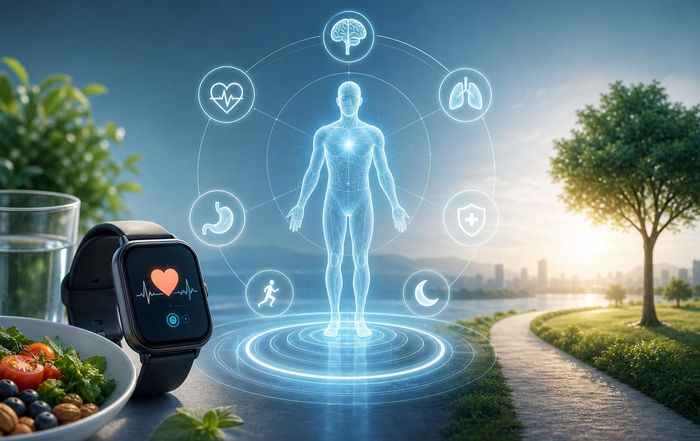
The Future of Smart Preventive Health
A New Era for Prevention?
Preventive health has shifted from an aspirational concept to a concrete strategic priority for individuals, employers, health systems, and governments across the world. The convergence of artificial intelligence, wearable technology, precision medicine, and behavioral science is reshaping what it means to stay well, and WellNewTime is increasingly positioned at the crossroads of these developments, translating complex innovation into practical guidance for people who want to live longer, healthier, and more purposeful lives. Instead of waiting for illness to appear and then reacting, citizens in the United States, the United Kingdom, Germany, Canada, Australia, Singapore, and far beyond are beginning to experience a more proactive model of care in which risks are identified earlier, interventions are more personalized, and everyday lifestyle choices are supported by real-time data and digital coaching.
This transformation is not happening in isolation; it is being driven by demographic pressures, rising chronic disease burdens, and escalating healthcare costs that threaten the sustainability of health systems in North America, Europe, and Asia alike. Organizations such as the World Health Organization are emphasizing that noncommunicable diseases like cardiovascular disease, diabetes, and certain cancers are now the dominant causes of death worldwide, making prevention a global economic and social imperative rather than a niche health interest. As readers online explore updated topics such as wellness, health, and lifestyle, they are encountering a new vocabulary of risk scores, digital biomarkers, precision nutrition, and smart environments that collectively define the emerging landscape of smart preventive health.
From Reactive Care to Predictive, Preventive Models
For more than a century, healthcare in most countries has been structured around acute, episodic care delivered in hospitals and clinics, with limited systematic attention to upstream determinants of health such as physical activity, sleep, stress, and environmental exposures. In 2026, the leading health systems in countries like Sweden, Singapore, and the Netherlands are steadily moving toward predictive and preventive models, supported by digital infrastructure and value-based reimbursement. Initiatives such as the U.S. Centers for Disease Control and Prevention's focus on chronic disease prevention and the European Commission's strategy for digital health show how public policy is catching up with scientific evidence that prevention yields substantial returns in both life expectancy and economic productivity. Readers can explore how this shift intersects with broader business trends as employers recognize that prevention is becoming a core component of workforce strategy and brand reputation.
The move toward predictive care is underpinned by the maturation of data analytics and AI. Healthcare organizations and technology companies are building models that can analyze patterns in electronic health records, genomics, and lifestyle data to predict who is at risk of developing conditions such as type 2 diabetes or cardiovascular disease years before symptoms emerge. Institutions like Mayo Clinic and Cleveland Clinic are increasingly integrating predictive algorithms into routine care pathways, while research from the National Institutes of Health and similar agencies in Europe and Asia is expanding the evidence base for risk stratification and early intervention. Learn more about how data-driven health strategies are evolving through resources such as the NIH and the World Economic Forum, which regularly highlight the economic and societal impact of preventive health innovation.
Wearables, Sensors, and the Rise of Continuous Monitoring
One of the most visible hallmarks of smart preventive health is the ubiquity of wearable devices and connected sensors that track activity, heart rate, sleep stages, and increasingly sophisticated physiological signals in real time. In 2026, consumers across the United States, United Kingdom, Germany, and Japan are using devices from companies like Apple, Samsung, Fitbit (Google), and Garmin not only as fitness accessories but as integral components of their personal health ecosystems. Advanced wearables are now capable of detecting irregular heart rhythms, estimating blood oxygen saturation, and providing early warnings for conditions such as atrial fibrillation, while continuous glucose monitors are enabling people with diabetes and those at risk to manage blood sugar more proactively. Learn more about the evolving capabilities of wearables through trusted resources like the U.S. Food and Drug Administration and Harvard Medical School, which provide guidance on digital health tools and their clinical value.
The shift from episodic measurements in clinical settings to continuous, passive monitoring in daily life is reshaping the relationship between individuals and their health data. For readers of WellNewTime, this means that wellness and fitness are no longer abstract goals but measurable, trackable processes that can be optimized over time. The integration of wearables with fitness and mindfulness platforms is enabling personalized coaching that adapts to each person's stress levels, sleep patterns, and activity trends. In markets such as Canada, Australia, and South Korea, insurers are beginning to offer incentives for policyholders who share wearable data, raising both exciting opportunities for more affordable coverage and important questions about privacy and equity that will shape the future of smart preventive health.
AI, Digital Twins, and Personalized Risk Prediction
Artificial intelligence has moved from theoretical promise to practical application in preventive health, especially through the development of personalized risk models and digital twins. A digital twin in healthcare is a virtual representation of an individual's physiology, lifestyle, and medical history that can be used to simulate disease progression and test potential interventions before they are applied in real life. Leading research institutions and technology companies are using AI to build these models, drawing on data from imaging, genomics, and real-world evidence. Organizations such as IBM, Microsoft, and Google DeepMind are collaborating with hospitals and research centers in Europe, Asia, and North America to refine algorithms that can predict cardiovascular events, cancer recurrence, and metabolic disorders with increasing accuracy. Readers can explore the broader implications of AI in health through resources like MIT Technology Review and the World Economic Forum, which examine how digital twins and predictive analytics are reshaping entire industries.
In the context of smart preventive health, AI-driven risk prediction is most powerful when combined with actionable, personalized interventions. Instead of generic advice to "exercise more" or "eat healthier," individuals receive tailored recommendations based on their genetic profile, microbiome, metabolic responses, and behavioral preferences. Precision nutrition, for example, uses AI models to predict how specific foods will affect an individual's blood sugar or lipid levels, enabling more effective prevention of diabetes and cardiovascular disease. Institutions such as Stanford Medicine and Imperial College London are at the forefront of this research, publishing studies that show how personalized interventions can significantly outperform one-size-fits-all guidelines. For the global audience of WellNewTime, especially in regions like Europe, Asia, and North America, this means that the path to better health is becoming more individualized, data-informed, and responsive to cultural and regional differences in diet, lifestyle, and environment.
Integrating Wellness, Mindfulness, and Mental Health into Prevention
Smart preventive health is not limited to physical biomarkers and medical risk scores; it also encompasses mental health, emotional resilience, and overall wellbeing. In 2026, there is growing recognition that chronic stress, anxiety, and burnout are major risk factors for cardiovascular disease, immune dysfunction, and metabolic disorders, especially in high-pressure work environments in cities such as New York, London, Berlin, Singapore, and Tokyo. Organizations like The American Psychological Association and Mental Health Foundation in the UK highlight the strong evidence linking psychological wellbeing to long-term physical health outcomes. As a result, employers and health systems are integrating mindfulness, stress management, and mental health support into their preventive strategies, seeing them as essential components of sustainable performance and quality of life. Readers can explore how these developments intersect with everyday practices through WellNewTime's dedicated coverage of mindfulness and wellness, where the focus is on translating clinical insights into practical routines.
Digital tools are playing a central role in this integration. Meditation apps, virtual therapy platforms, and AI-driven mental health chat services are providing on-demand support to millions of users across North America, Europe, and Asia, reducing barriers to care and normalizing conversations about mental health. Leading organizations such as National Health Service (NHS) in the UK and Health Canada are endorsing evidence-based digital mental health tools as part of broader preventive strategies, especially for young people and working adults. Learn more about mental health and digital support options through trusted resources like NHS and the World Health Organization, which offer guidelines and educational materials that complement the more lifestyle-focused perspectives available on WellNewTime, where mental wellbeing is consistently linked to fitness, sleep, nutrition, and work-life balance.
Smart Environments, Cities, and the Role of the Built World
The future of preventive health extends beyond the individual to encompass the environments in which people live, work, and travel. Air quality, urban design, transportation systems, and access to green spaces all influence rates of respiratory disease, obesity, and mental health challenges. In 2026, cities such as Copenhagen, Singapore, and Vancouver are increasingly recognized as global leaders in health-promoting urban planning, with integrated cycling infrastructure, walkable neighborhoods, and policies to reduce air pollution and noise. Organizations like The World Bank and UN-Habitat emphasize that healthy cities are crucial for sustainable development and economic resilience, particularly as urbanization accelerates in Asia, Africa, and South America. Readers interested in how these macro-level trends intersect with personal lifestyle choices can explore environment and travel coverage on WellNewTime, where sustainable tourism and health-conscious urban experiences are increasingly prominent themes.
Within homes and workplaces, smart environments are emerging through the integration of sensors, Internet of Things devices, and intelligent building management systems. Indoor air quality monitors, circadian lighting, and adaptive climate control systems are being used by employers and property developers in markets such as the United States, Germany, and Japan to create spaces that support cognitive performance, sleep quality, and overall health. Research from organizations like Harvard T.H. Chan School of Public Health and Lawrence Berkeley National Laboratory has shown that indoor environmental quality can significantly influence productivity and absenteeism, encouraging businesses to invest in smart buildings as part of their preventive health strategies. Learn more about healthy buildings and environmental health through resources such as Harvard School of Public Health, which complement WellNewTime's focus on lifestyle, wellness, and the everyday experience of living and working in a rapidly changing world.
Corporate Wellness, Brands, and the Business of Prevention
Preventive health has become a central concern for corporate strategy and brand positioning in 2026, particularly in competitive markets across North America, Europe, and Asia-Pacific. Employers have come to recognize that chronic disease, mental health challenges, and burnout are not only human tragedies but also significant drivers of lost productivity, absenteeism, and healthcare costs. Leading organizations such as Johnson & Johnson, Unilever, and Microsoft are investing heavily in comprehensive wellness programs that combine digital health platforms, fitness incentives, mental health support, and flexible working arrangements. Research from McKinsey & Company and Deloitte underscores that companies with robust health and wellbeing strategies tend to outperform peers in employee engagement, retention, and innovation. Readers can explore how these trends intersect with careers and organizational culture through WellNewTime's coverage of business, brands, and jobs, where preventive health is increasingly framed as a competitive advantage and a hallmark of responsible leadership.
Consumer brands in sectors such as food, beauty, fitness, and travel are also repositioning themselves around preventive health and holistic wellbeing. In the beauty and personal care industry, companies like L'Oréal and Estée Lauder are emphasizing skin health, sun protection, and microbiome-friendly formulations, aligning with evidence from dermatology and immunology that the skin barrier plays a crucial role in overall health. Learn more about the science behind skin and beauty through resources such as the American Academy of Dermatology, which complement WellNewTime's focus on beauty as part of a broader wellness and lifestyle narrative. In the fitness and sports sectors, brands are integrating data from wearables and connected equipment into personalized training programs, while travel companies are curating wellness-oriented itineraries that combine physical activity, mindfulness, and exposure to restorative natural environments, all of which align with the growing demand among WellNewTime's readers for experiences that support long-term health rather than short-term escape.
Global and Regional Perspectives on Smart Preventive Health
Although the technological foundations of smart preventive health are increasingly global, their implementation varies significantly by region due to differences in health systems, cultural norms, regulatory frameworks, and economic conditions. In the United States, the combination of high healthcare costs and a fragmented insurance landscape has spurred rapid innovation in consumer-facing digital health solutions, with venture-backed startups and large technology companies competing to offer personalized prevention platforms. Meanwhile, in countries like the United Kingdom, Germany, and the Nordic nations, publicly funded health systems are integrating digital prevention tools into national strategies, leveraging centralized data and strong primary care networks to scale population-level interventions. Organizations such as OECD and The Commonwealth Fund provide comparative analyses of how different countries are approaching preventive health, offering valuable context for WellNewTime readers in Europe, North America, and beyond who wish to understand how policy and system design shape individual options.
In Asia, countries such as Singapore, South Korea, and Japan are leveraging their strengths in technology infrastructure and public health management to pioneer smart city initiatives that embed preventive health into urban living, while emerging economies like Thailand, Malaysia, and Brazil are experimenting with mobile-first preventive programs to reach rural and underserved populations. Africa and South America present both challenges and opportunities, with rapidly growing populations, rising rates of noncommunicable diseases, and expanding mobile connectivity that could support innovative, low-cost preventive models. Learn more about global health trends and regional strategies through organizations like World Bank and World Health Organization, which document how different regions are addressing the dual burdens of infectious and chronic disease. For WellNewTime, with its global readership spanning Europe, Asia, Africa, North America, South America, and Oceania, highlighting these regional nuances is essential to ensuring that insights about smart preventive health are both aspirational and grounded in the realities of diverse health systems and cultural contexts.
Trust, Ethics, and Regulation in a Data-Rich Future
As preventive health becomes increasingly data-driven and reliant on AI, questions of trust, ethics, and governance are moving to the forefront. Individuals are being asked to share sensitive health, genetic, and behavioral data with healthcare providers, insurers, employers, and technology companies, raising concerns about privacy, discrimination, and data security. Regulatory bodies such as the European Data Protection Board and agencies enforcing GDPR in Europe, along with frameworks like HIPAA in the United States, are working to ensure that the use of health data respects fundamental rights and maintains public trust. Learn more about data protection and digital rights through resources such as the European Commission and Electronic Frontier Foundation, which offer guidance on how individuals and organizations can navigate the complex landscape of digital health ethics. For WellNewTime, whose readers are deeply engaged in wellness, health, and lifestyle, it is essential to emphasize that smart preventive health must be built on transparency, informed consent, and equitable access rather than on opaque algorithms and unchecked data sharing.
Ethical considerations also extend to the design and deployment of AI systems themselves. Bias in training data can lead to unequal performance of predictive models across different populations, potentially exacerbating health disparities among racial, ethnic, and socioeconomic groups in countries such as the United States, Brazil, South Africa, and beyond. Organizations like World Health Organization and IEEE are developing guidelines for trustworthy AI in health, emphasizing fairness, accountability, and human oversight. In addition, professional bodies such as American Medical Association are issuing policy statements on the responsible use of AI in clinical practice, underscoring that technology should augment, not replace, the clinical judgment and human connection that are central to effective preventive care. As WellNewTime continues to cover news and innovation in this field, it plays a critical role in helping readers understand both the promise and the limitations of AI-enabled prevention, enabling informed decisions about which tools and services to trust.
How Our Kind Readers Can Navigate the Next Decade of Prevention
For individuals, families, and professionals engaging with WellNewTime in 2026, the future of smart preventive health is not a distant abstraction but a set of decisions that must be made today about how to live, work, travel, and care for one another. The proliferation of apps, wearables, genetic tests, and wellness programs can be overwhelming, especially when marketing claims outpace scientific validation. Trusted sources such as Mayo Clinic, Cleveland Clinic, and National Institutes of Health remain essential reference points for evidence-based medical guidance, while we aim to complement these authorities by curating daily new insights at the intersection of wellness, health, fitness, lifestyle, and world trends. This combination of clinical rigor and lifestyle relevance is crucial for translating the vast potential of smart preventive health into everyday routines that are realistic, sustainable, and personally meaningful.
Over the coming decade, readers can expect preventive health to become more integrated into every aspect of life, from the design of homes and offices to the structure of work, the nature of travel experiences, and the evolution of digital services. Massage and bodywork, for example, are increasingly being recognized not merely as luxury treatments but as components of stress management and musculoskeletal health, aligning with our focus on massage as part of holistic wellbeing. Beauty routines are converging with dermatology and immunology, fitness is merging with data science, and environmental sustainability is being reframed as a health imperative, particularly as climate change intensifies heatwaves, air pollution, and vector-borne diseases. Learn more about sustainable business practices and their health implications through organizations such as World Resources Institute and United Nations Environment Programme, which highlight how environmental stewardship and human health are intertwined.
In this evolving landscape, the core principles that will define successful engagement with smart preventive health are informed choice, consistency, and trust. Individuals will need to select technologies and services that align with their values, privacy expectations, and health goals; they will need to cultivate daily habits around movement, nutrition, sleep, and stress that are enhanced rather than dictated by digital tools; and they will need to rely on top sites like this to help differentiate between meaningful innovation and transient hype. As the boundaries between healthcare, wellness, business, and lifestyle continue to blur across regions from North America and Europe to Asia, Africa, and South America, WellNewTime is committed to providing nuanced, globally aware, and ethically grounded coverage that empowers its audience to thrive in the era of smart preventive health.