

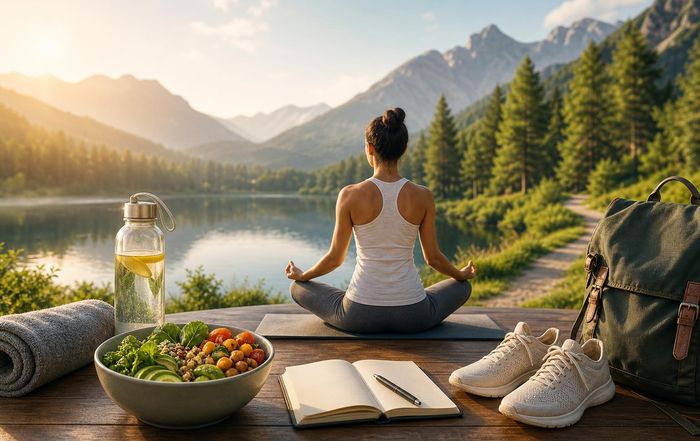
Planning Health-Focused Weekend Getaways: A Wonderful Guide for Modern Professionals!
The Rise of the Health-Focused Weekend in a Hyperconnected World
The health-focused weekend getaway has evolved from a niche wellness trend into a strategic necessity for high-performing professionals, entrepreneurs, and executives who are seeking sustainable productivity, emotional balance, and long-term resilience in an increasingly volatile global environment. As hybrid work models mature across the United States, United Kingdom, Germany, Canada, Australia, and beyond, the traditional separation between work and leisure has blurred, prompting a new question for business leaders and knowledge workers alike: how can short breaks be designed not merely as escapes, but as structured interventions that improve health, performance, and decision-making over time.
For wellness fans, here, this shift aligns directly with the platform's focus on integrated living, where wellness, health, fitness, mindfulness, travel, beauty, business, and lifestyle are no longer treated as separate domains but as interdependent pillars of a coherent life strategy. A health-focused weekend getaway, when thoughtfully designed, becomes a practical expression of this philosophy, enabling individuals to reset physiology, recalibrate mental focus, and reconnect with personal values without stepping away from professional responsibilities for extended periods.
The acceleration of research into stress, sleep, and mental health by organizations such as the World Health Organization and academic centers like Harvard Medical School has underscored the health and economic costs of chronic stress and burnout. Learn more about how stress affects long-term health and productivity at Harvard Health Publishing. In parallel, travel and hospitality sectors across Europe, Asia, North America, and South America have responded with more targeted wellness offerings, from digital detox retreats in Norway and Sweden to nature-based escapes in New Zealand and South Africa, all designed to serve a global audience that values both high performance and deep restoration.
Defining a Health-Focused Weekend Getaway
A health-focused weekend getaway in 2026 is not simply a short holiday; it is a deliberately structured 48- to 72-hour experience oriented around measurable improvements in physical, mental, and emotional wellbeing. Unlike traditional leisure trips, which often emphasize entertainment or sightseeing, these weekends are built on evidence-based practices that support recovery, cognitive clarity, and long-term health.
In practical terms, this kind of weekend integrates elements of physical activity, restorative rest, mindful nutrition, and mental decompression, while minimizing exposure to digital overload and decision fatigue. Readers exploring the wellness dimension of short breaks can deepen their understanding by visiting the Wellness section of wellnewtime.com, where the editorial approach consistently emphasizes Experience, Expertise, Authoritativeness, and Trustworthiness in curating guidance for a global audience.
Key characteristics of a health-focused weekend in 2026 include the selection of destinations that offer access to nature, clean air, and safe movement infrastructure; accommodations that support sleep hygiene and relaxation; and experiences that encourage mindfulness, physical activity, and intentional disconnection from work-related stimuli. The most effective getaways also support continuity, enabling individuals to return home with sustainable habits rather than transient benefits.
The Science of Short Rest: Why Weekends Matter More Than Ever
Contemporary research from institutions such as Stanford University, University College London, and Karolinska Institutet has reinforced the importance of short, regular recovery cycles in maintaining cognitive performance and emotional regulation. Learn more about the science of rest and performance at Stanford Medicine and explore how sleep and circadian rhythms influence health at National Institutes of Health. In 2026, the evidence is clear: waiting for an annual two-week vacation is no longer an effective strategy for managing chronic stress, especially for professionals operating in global, always-on markets.
Short, well-designed breaks have been shown to improve attention, creativity, and problem-solving, while reducing markers of inflammation and stress. Organizations like the American Psychological Association highlight that micro-recovery periods, including weekends, can significantly reduce burnout risk and support better long-term mental health. Readers interested in the broader health context can explore the Health hub at wellnewtime.com to understand how weekend choices compound into long-term wellbeing outcomes.
Furthermore, research into nature exposure, sometimes referred to as "green time" or "blue space" exposure, demonstrates that even brief contact with natural environments can lower blood pressure, reduce cortisol, and enhance mood. Learn more about the benefits of nature on mental health at National Park Service and Nature journal's coverage of environmental health. For professionals in dense urban centers such as London, New York, Tokyo, Singapore, Paris, and Seoul, designing weekend escapes that prioritize natural settings is no longer a luxury; it is a strategic health decision.
Strategic Planning: Aligning Weekend Getaways with Personal Health Goals
Effective planning of a health-focused weekend in 2026 begins with clarity around personal health objectives. A senior executive recovering from chronic stress will design a different weekend from an entrepreneur training for a marathon or a remote worker seeking to improve sleep quality. The most successful getaways are those that are aligned with specific, realistic goals, such as improving sleep consistency, increasing daily movement, practicing structured mindfulness, or resetting nutritional patterns after a period of intensive work.
Professionals can start by assessing their current health status and priorities, ideally in consultation with healthcare providers or wellness experts, and then translating those priorities into weekend design principles. For example, an individual aiming to reduce anxiety might prioritize quiet, low-stimulation environments, guided breathing sessions, and gentle activities like walking or restorative yoga. Those looking to boost metabolic health and fitness might focus on active travel experiences that incorporate hiking, cycling, or swimming, supported by nutrient-dense, locally sourced meals. Learn more about evidence-based physical activity guidelines at the World Health Organization and explore advanced fitness insights at American College of Sports Medicine.
For readers of wellnewtime.com, integrating these goals with ongoing lifestyle changes is essential. The platform's Fitness section and Lifestyle coverage provide frameworks for building routines that extend beyond a single weekend, ensuring that each getaway reinforces a broader trajectory toward healthier, more intentional living.
Choosing the Right Destination: From Urban Sanctuaries to Nature Retreats
Selecting the right destination remains one of the most critical decisions in planning a health-focused weekend. In 2026, the global travel ecosystem offers an unprecedented range of options, from urban wellness sanctuaries in Berlin, Amsterdam, Toronto, and Sydney, to nature-based retreats in the Alps, the Rockies, the fjords of Norway, the coastlines of Spain and Italy, and the forests of Finland and Japan.
Urban wellness weekends can be particularly effective for professionals who cannot travel far but still require a significant reset. Many cities now host hotels and boutique properties designed around sleep optimization, air quality, and access to spa and fitness facilities. Learn more about urban wellness travel trends at World Travel & Tourism Council and explore broader travel dynamics at UN World Tourism Organization. For those planning more immersive nature getaways, national parks, protected coastal areas, and rural wellness resorts across North America, Europe, Asia, and Oceania offer environments that naturally support decompression and physical activity.
Readers can align their destination choices with their interests and values by considering factors such as climate, cultural context, language, safety, and accessibility. For global professionals, destinations in Singapore, Japan, South Korea, and Thailand provide a blend of high-quality infrastructure and rich cultural wellness traditions, including hot springs, traditional massage, and meditation practices. Those seeking to integrate sustainability into their travel decisions can learn more about responsible tourism and environmental impact at United Nations Environment Programme, aligning their personal wellbeing with broader planetary health considerations.
The Travel section of wellnewtime.com continues to highlight destinations that balance wellness, cultural authenticity, and environmental responsibility, offering readers a curated lens through which to select their next health-focused weekend.
Designing a Restorative Itinerary: Structure Without Over-Scheduling
One of the most common mistakes in weekend travel planning is over-scheduling, turning what should be a restorative experience into another source of time pressure and decision fatigue. In 2026, the most effective health-focused weekend itineraries are those that provide a clear structure while leaving ample space for rest, spontaneity, and unstructured time.
A balanced itinerary typically includes a combination of movement, stillness, and sensory restoration. Morning hours might be reserved for moderate physical activity, such as hiking, swimming, or yoga, when energy levels are naturally higher. Afternoons can be dedicated to slower experiences, such as spa treatments, reading, or gentle walks in nature, while evenings are best oriented around calming rituals, nourishing meals, and reduced screen exposure. Learn more about circadian-friendly routines and sleep hygiene at Sleep Foundation, where experts outline how timing and light exposure influence rest quality.
For readers interested in integrating massage and bodywork into their weekends, the Massage section of wellnewtime.com offers perspectives on different modalities and how they support recovery, from sports massage for active travelers to therapeutic approaches targeting stress and muscular tension. Combining such treatments with mindfulness practices, breathwork, and digital detox strategies can significantly amplify the restorative impact of even a two-day escape.
The Role of Mindfulness and Mental Reset
Mindfulness has moved from the margins of wellness culture into the mainstream of leadership development and organizational health, with companies across United States, United Kingdom, Germany, Japan, and Singapore incorporating contemplative practices into employee wellbeing programs. A health-focused weekend in 2026 provides an ideal context for deepening these practices, free from the constant interruptions of email, messaging platforms, and social media.
Structured mindfulness sessions, whether self-guided or facilitated by trained practitioners, can include sitting meditation, mindful walking, breath-focused practices, or contemplative journaling. These techniques not only reduce acute stress but also enhance metacognition, enabling individuals to observe their own thought patterns and emotional reactions with greater clarity. Learn more about mindfulness research and mental health at American Mindfulness Research Association and explore psychological perspectives on contemplative practices at National Institute of Mental Health.
For readers of wellnewtime.com, the Mindfulness section offers ongoing guidance on integrating these practices into daily life, ensuring that the benefits of a weekend retreat do not dissipate upon returning to work. By using weekend getaways as laboratories for mental reset, individuals can test and refine routines that support greater emotional resilience and cognitive flexibility throughout the workweek.
Integrating Movement and Fitness Without Exhaustion
Physical activity is a cornerstone of any health-focused weekend, but in 2026, the emphasis has shifted from intensity at all costs to intelligent movement that respects individual capacity, recovery needs, and long-term goals. High-performing professionals often arrive at their weekends in a state of partial exhaustion, making it counterproductive to schedule extreme workouts or physically demanding challenges that further deplete energy reserves.
Instead, the most effective weekends blend moderate-intensity activities with opportunities for gentle movement and stretching. Hiking in national parks, cycling along coastal paths, open-water swimming in safe environments, and yoga or Pilates sessions are all examples of movement that supports both cardiovascular health and mental clarity. Learn more about exercise and brain health at Centers for Disease Control and Prevention and explore global physical activity guidelines at World Health Organization.
The Fitness coverage on wellnewtime.com continues to emphasize sustainable training philosophies, encouraging readers to view their weekend activities as part of a broader fitness narrative rather than isolated events. By calibrating intensity, duration, and recovery within a weekend, individuals can return to their professional responsibilities feeling physically energized rather than depleted.
Nourishment, Beauty, and the Sensory Dimension of Recovery
Nutrition and sensory experience play a subtle but powerful role in shaping the impact of a health-focused weekend. In 2026, there is growing recognition that the aesthetics of a space, the quality of light, the textures of natural materials, and the rituals of self-care can profoundly influence nervous system regulation and perceived wellbeing. For many readers of wellnewtime.com, beauty is not merely a cosmetic concern but a dimension of health that encompasses skin integrity, environmental exposure, and the psychological impact of feeling well cared for.
Choosing accommodations and experiences that prioritize clean, nutrient-dense food, minimal exposure to environmental toxins, and access to soothing spa or skincare treatments can enhance both physical and emotional recovery. Learn more about the intersection of nutrition and health at Harvard T.H. Chan School of Public Health and explore evidence-based perspectives on skin health at American Academy of Dermatology.
The Beauty section of wellnewtime.com reflects this expanded perspective, highlighting products, treatments, and rituals that support both appearance and underlying health. By weaving these elements into a weekend getaway-whether through thermal baths in Switzerland, traditional spa rituals in Thailand, or coastal thalassotherapy in France and Spain-travelers can create a multisensory environment that signals safety and restoration to the body and mind.
Sustainability, Environment, and the Ethics of Wellness Travel
In 2026, planning a health-focused weekend also requires consideration of environmental impact and social responsibility. The wellness travel sector has faced increasing scrutiny over its carbon footprint, resource use, and relationship with local communities, prompting more travelers to seek experiences that align with their ethical values. A truly restorative weekend is not only about personal health but also about contributing to, or at least not harming, the ecosystems and societies that host these experiences.
Travelers can make more responsible choices by favoring destinations accessible by train or short-haul flights where possible, selecting accommodations with credible sustainability certifications, and supporting local businesses that prioritize fair labor and community engagement. Learn more about sustainable travel frameworks at the Global Sustainable Tourism Council and explore environmental health insights at European Environment Agency.
For readers of wellnewtime.com, the Environment section offers context on how individual lifestyle decisions intersect with planetary health. By integrating sustainability into weekend planning, individuals across Europe, Asia, Africa, and the Americas can align their personal recovery with broader commitments to climate resilience and social equity.
From Weekend to Way of Life: Embedding Insights into Daily Routines
The true value of a health-focused weekend getaway lies not only in the immediate sense of relief or pleasure but in the insights and habits that travelers bring back into their everyday lives. In 2026, leading organizations and health experts increasingly view these short breaks as experimental spaces where individuals can test new routines, assess their impact, and then selectively integrate the most effective practices into regular schedules.
This might involve adopting a simplified morning routine inspired by a retreat experience, maintaining a weekly digital detox period that mirrors the boundaries practiced during the weekend, or continuing a new form of movement discovered while traveling. Learn more about habit formation and behavior change science at Behavioral Science & Policy Association and explore broader wellbeing frameworks at OECD Better Life Index.
The editorial mission of wellnewtime.com is to support this translation from experience to enduring change, connecting readers with resources across its Business section, Brands coverage, and Innovation hub that highlight how companies, technologies, and services are reshaping the future of wellness, work, and travel. In doing so, the platform encourages its global audience-from Brazil to Malaysia, from Netherlands to Japan-to view each weekend not as an isolated escape, but as a strategic investment in a healthier, more resilient, and more purposeful life.
What's The Future of Health-Focused Getaways?
As the world continues to adapt to technological acceleration, demographic shifts, and environmental pressures, the role of short, intentional breaks will only grow in importance. The convergence of digital health tools, personalized data, and evolving hospitality models suggests that by the late 2020s, many weekend getaways will be informed by real-time insights into sleep patterns, stress levels, and physical activity, enabling even more tailored and effective experiences.
Yet amid these innovations, the core principles will remain grounded in human needs that transcend technology: the need for rest, for connection with nature, for meaningful relationships, and for alignment between values and actions. For the kind and active community, here, planning a health-focused weekend is not merely about choosing a destination or booking a spa treatment; it is about consciously designing a recurring ritual that supports long-term health, enhances professional performance, and honors the interconnectedness of personal wellbeing and the wider world.
Those who approach their weekends with this level of intentionality-integrating insights from global health research, sustainable travel practices, and mindful living-will be better positioned to thrive in a complex, demanding century, transforming two or three days at a time into a powerful engine for lasting change.