

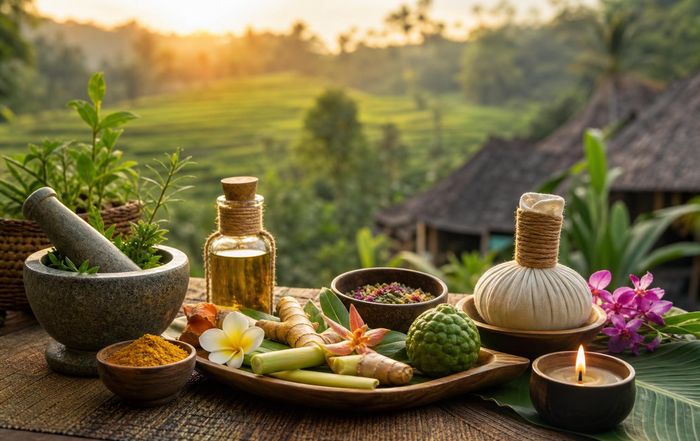
Exploring Local Wellness Traditions in a Globalized 2026 World
Local Rituals in a Hyper-Connected Era
In 2026, when wellness has become a trillion-dollar global industry and digital platforms shape how people sleep, move, eat, and work, local wellness traditions are emerging as one of the most powerful counterbalances to homogenized health advice and formulaic self-care trends. Around the world, from community bathhouses in Japan to forest saunas in Finland and herbal clinics in South Africa, deeply rooted practices are being rediscovered, reinterpreted, and integrated into modern lifestyles. For readers of wellnewtime.com, whose interests span wellness, health, fitness, mindfulness, travel, beauty, business, brands, lifestyle, environment, massage, world affairs, innovation, jobs, and news, this renewed focus on locality is not a nostalgic curiosity; it is a strategic and deeply practical response to stress, burnout, and the search for purpose in an uncertain global environment.
Local wellness traditions are shaped by geography, climate, religion, history, and community values, which means they often address specific physical and psychological needs that generic wellness trends overlook. While global guidelines from organizations such as the World Health Organization or U.S. Centers for Disease Control and Prevention provide essential evidence-based frameworks for health and disease prevention, the daily practices that truly sustain long-term wellbeing are often those that feel culturally familiar, emotionally resonant, and socially shared. This is where local rituals, crafts, and healing systems become indispensable, not as exotic experiences for tourists, but as living systems that can inform how individuals design their personal wellness strategies.
For wellnewtime.com, positioning wellness as both global and deeply local means helping readers translate these traditions into actionable routines that respect cultural origins while fitting the realities of life in cities like New York, London, Berlin, Singapore, and São Paulo. By exploring how local wellness practices evolve and what they mean in 2026, it becomes possible to understand not only how people care for their bodies and minds, but also how communities protect their identities, economies, and environments in the face of global change.
The Science Behind Tradition: Why Local Practices Endure
One of the reasons local wellness traditions have survived centuries of political shifts, technological disruption, and economic crises is that many of them are rooted in practical observation and intergenerational experimentation, even when they were not originally framed in scientific language. Modern research from institutions such as Harvard T.H. Chan School of Public Health and Mayo Clinic increasingly validates elements of traditional practices, from the stress-reducing effects of slow breathing and herbal teas to the cardiovascular benefits of hot-cold exposure in saunas and baths.
In East Asia, Traditional Chinese Medicine and Japanese Kampo, for example, have been used for centuries to treat common ailments with acupuncture, herbal formulas, and food therapy. While not every claim stands up to rigorous clinical trials, modern pharmacology has isolated active compounds from plants long used in these traditions, and integrative medicine departments at leading hospitals in the United States, Europe, and Asia are selectively incorporating acupuncture and mindfulness-based approaches for chronic pain and anxiety. Readers who follow the health coverage on wellnewtime.com will recognize a growing emphasis on such integrative models that combine evidence-based medicine with carefully evaluated traditional approaches.
Similarly, the Scandinavian practice of sauna bathing, long considered a cultural norm rather than a wellness trend, has been associated with improved cardiovascular health and reduced risk of certain diseases in population studies from Finland and neighboring countries. Public health agencies such as Public Health England and research groups across the European Union have begun to explore how these communal rituals intersect with social cohesion, mental health, and preventive care. Learn more about how environmental context shapes health behavior through resources from the European Environment Agency, which highlight the interplay between climate, built environments, and lifestyle.
The persistence of these traditions, supported by emerging research, underscores a key principle that guides the editorial perspective at wellnewtime.com: wellness is not a static checklist of supplements and workouts, but a living relationship between people, places, and practices. By understanding why certain rituals endure, readers can make informed choices about which elements to adopt, adapt, or simply appreciate as part of the cultural fabric of the communities they visit or belong to.
Mindfulness and Meaning in Local Rituals
Mindfulness has become a global buzzword, but its roots are deeply local, emerging from specific religious and philosophical traditions such as Buddhism, Hinduism, and Stoicism. In Japan, for instance, the practice of zazen meditation in Zen temples, the mindful preparation of matcha in the tea ceremony, and the seasonal appreciation of cherry blossoms are not isolated wellness activities; they are woven into social life, aesthetics, and ethics. Contemporary mindfulness programs in the United States, the United Kingdom, Germany, Australia, and beyond often draw from these traditions, yet the local context in which they originated gives them a depth and coherence that purely app-based approaches can lack. Readers can explore how structured mindfulness fits into a broader wellness plan through wellnewtime.com's dedicated mindfulness coverage at wellnewtime.com/mindfulness.html.
Academic centers such as the Oxford Mindfulness Foundation and UCLA Mindful Awareness Research Center have documented the benefits of mindfulness-based stress reduction for anxiety, depression, and chronic illness, but they also emphasize the importance of ethical foundations and community support. Local traditions often embed mindfulness in rituals that reinforce values such as gratitude, humility, and interconnectedness, whether through shared meals in Italy, communal prayers in South Korea, or nature-based ceremonies among Indigenous communities in Canada and Brazil. These rituals transform mindfulness from a solitary technique into a relational practice that strengthens families and neighborhoods.
For wellnewtime.com, which serves a readership that values both scientific rigor and lived experience, there is a growing emphasis on how local rituals can help people reconnect with meaning in a time of digital overload and geopolitical uncertainty. Articles that explore contemplative travel, slow living, and neighborhood-based wellbeing initiatives reflect a conviction that mindfulness is most sustainable when it is anchored in daily routines and local spaces, from morning walks in urban parks to weekly gatherings at community centers. Those interested in integrating such practices into their lifestyles can find inspiration in the site's broader lifestyle insights at wellnewtime.com/lifestyle.html, where local stories and global perspectives intersect.
Movement, Fitness, and the Geography of the Body
Fitness trends often appear to be universal, with high-intensity interval training, wearable trackers, and connected equipment dominating headlines and social feeds across North America, Europe, and Asia. Yet local movement traditions offer a powerful reminder that the human body adapts not only to training programs but also to terrain, climate, and culture. From yoga in India and capoeira in Brazil to tai chi in China and ice skating in the Netherlands, these practices evolved as responses to specific physical and social environments, shaping posture, coordination, balance, and social bonds in distinctive ways.
In 2026, sports science institutions such as the Australian Institute of Sport and German Sport University Cologne increasingly study how traditional movement forms can complement modern training, particularly for longevity, injury prevention, and mental health. Slow, rhythmic practices like qigong and Nordic walking have gained traction among older adults in countries such as Sweden, Norway, and Finland, while urban communities in the United States and the United Kingdom are reclaiming folk dance, martial arts, and community running clubs as accessible entry points into active living. Readers can discover how these approaches integrate into contemporary routines through wellnewtime.com's fitness coverage at wellnewtime.com/fitness.html, which highlights both global research and local stories.
Environmental factors also shape how movement is experienced and sustained. Coastal communities in Australia and New Zealand, for example, have long integrated surfing, open-water swimming, and beach running into everyday life, while mountain regions in Switzerland, Italy, and Spain emphasize hiking, skiing, and trail running as both recreation and cultural identity. Organizations such as the International Olympic Committee and World Health Organization Europe advocate for context-specific physical activity strategies that leverage local infrastructure, traditions, and landscapes, recognizing that people are more likely to stay active when movement feels natural, enjoyable, and socially supported.
For wellnewtime.com, which engages readers who travel frequently and live in diverse climates, exploring local movement traditions offers a practical way to maintain fitness routines across time zones and cultures. Articles that highlight city-specific wellness itineraries, from cycling in Amsterdam to forest bathing in Japan, help readers design travel experiences that are both restorative and aligned with local customs, reinforcing the idea that fitness is not confined to gyms but is embedded in the geography of the body and the places it inhabits.
Healing Environments: Nature, Climate, and Community
Local wellness traditions are often inseparable from the environments in which they developed, and in 2026, as climate change reshapes weather patterns, biodiversity, and urban design, the connection between environment and wellbeing is receiving unprecedented attention. Practices such as Japan's shinrin-yoku, or forest bathing, which encourage slow, sensory immersion in forests, have been studied by researchers and public health agencies for their potential to reduce stress hormones, improve mood, and support immune function. Organizations like the Nature Conservancy and World Wildlife Fund highlight how protecting natural landscapes is not only an environmental priority but also a public health strategy, linking conservation to mental health, physical activity, and cultural continuity.
Urban wellness innovations in cities such as Singapore, Copenhagen, and Vancouver draw heavily from local environmental realities, incorporating green roofs, waterfront promenades, and cycling infrastructure that encourage daily contact with nature. Learn more about sustainable urban planning and its health implications through resources from UN-Habitat, which documents how cities around the world integrate parks, blue spaces, and walkable streets into their development strategies. For readers of wellnewtime.com, whose interests include environment, travel, and lifestyle, these examples illustrate how local ecosystems shape the rituals of walking, resting, and socializing that underpin everyday wellness.
At wellnewtime.com, the environment is treated as a core wellness topic rather than a separate policy issue, reflecting a belief that clean air, safe water, and accessible nature are as fundamental to health as nutrition and exercise. The site's environment section at wellnewtime.com/environment.html regularly explores how local communities from South Africa to Norway are adapting traditional land-based practices to modern sustainability challenges, whether through regenerative agriculture, community gardens, or eco-tourism initiatives that respect indigenous knowledge. By contextualizing local wellness traditions within broader environmental trends, wellnewtime.com helps readers see how their personal choices intersect with global ecological systems.
Touch, Massage, and the Power of Human Connection
Among the most intimate and universal wellness traditions are those involving touch, from massage and bodywork to communal bathing and grooming rituals. In Thailand, the structured stretches and pressure techniques of traditional Thai massage have been passed down through temple schools and family lineages, while in Sweden, the classic Swedish massage style reflects a long-standing appreciation for circulation, muscle relaxation, and gentle recovery after physical activity. In many regions of Africa, Latin America, and Asia, midwives and elders teach infant massage and postpartum care as essential practices for bonding and recovery, blending physical benefits with emotional reassurance.
Modern research from organizations such as the National Institutes of Health and Cleveland Clinic has documented the potential of therapeutic touch to alleviate certain types of pain, reduce anxiety, and improve sleep, although standards of training and regulation vary widely across countries. For business travelers and wellness tourists, understanding local norms around touch, privacy, and gender in massage settings is critical, both for ethical reasons and for personal comfort. wellnewtime.com addresses these nuances in its dedicated massage section at wellnewtime.com/massage.html, offering guidance that respects cultural diversity while emphasizing safety and professionalism.
In 2026, as remote work, digital communication, and virtual reality become more pervasive, the value of in-person touch and physical presence has only increased. Local massage traditions, from hammams in Morocco and Turkey to onsen culture in Japan and banyas in Russia, serve as reminders that wellness is not merely an individual pursuit but a shared experience shaped by architecture, etiquette, and community expectations. By highlighting these practices, wellnewtime.com encourages readers to consider how they can cultivate healthy touch and embodied connection in their own lives, whether through professional services, family rituals, or simple acts of care among friends.
Beauty Rituals as Cultural Storytelling
Beauty, often dismissed as superficial, carries profound cultural narratives about identity, status, and belonging. Local beauty traditions reveal how communities understand aging, gender, and health, and in 2026, as global beauty brands expand into every major market, there is a growing counter-movement that celebrates regional ingredients, techniques, and aesthetics. In South Korea, for example, multi-step skincare routines rooted in meticulous cleansing and hydration have evolved from local habits into global trends, yet their original context includes concepts of balance, prevention, and respect for the skin barrier that are sometimes lost in translation. Readers can explore the intersection of beauty and wellbeing through wellnewtime.com's beauty coverage at wellnewtime.com/beauty.html, which emphasizes skin health, ethical sourcing, and cultural sensitivity.
In countries such as France and Italy, beauty rituals often center on simplicity, sensory pleasure, and integration with daily life, whether through pharmacy-grade skincare, Mediterranean diets rich in antioxidants, or slow grooming rituals that prioritize touch and scent. Organizations like the Environmental Working Group and European Chemicals Agency provide resources on cosmetic safety, ingredient transparency, and regulatory frameworks, helping consumers in Europe, North America, and beyond make informed choices about the products they incorporate into their routines. Local traditions, from Moroccan argan oil applications to Indian ayurvedic hair treatments, are increasingly scrutinized for both efficacy and supply chain ethics, raising important questions about fair trade, biodiversity, and cultural appropriation.
For wellnewtime.com, which speaks to an audience that values both aesthetics and authenticity, beauty coverage is positioned as part of a holistic wellness narrative rather than a separate fashion segment. Articles explore how local beauty rituals can support skin health, self-esteem, and cultural connection without succumbing to unrealistic standards or unsustainable consumption. By featuring brands and practitioners who honor their roots and invest in local communities, the site reinforces the idea that beauty can be a vehicle for empowerment, storytelling, and environmental responsibility.
Wellness Tourism: Opportunity, Responsibility, and Ethics
As international travel rebounds and evolves in 2026, wellness tourism continues to grow across regions such as Southeast Asia, Europe, and Latin America, with travelers seeking not just relaxation but transformation through local wellness traditions. Yoga retreats in India, meditation monasteries in Thailand, thermal spas in Hungary, and indigenous healing ceremonies in South America attract visitors from the United States, Canada, the United Kingdom, Germany, China, and beyond, promising authenticity and renewal. However, this surge of interest also raises complex questions about cultural respect, commercialization, and equity.
Organizations like the Global Wellness Institute and World Travel & Tourism Council track the economic impact of wellness tourism and advocate for standards that protect both travelers and host communities. Learn more about sustainable tourism frameworks through the UN World Tourism Organization, which emphasizes community participation, environmental stewardship, and cultural preservation. For readers of wellnewtime.com, who often combine travel with wellness pursuits, understanding these frameworks is essential for making responsible choices that support local economies without exploiting traditions or degrading ecosystems.
At wellnewtime.com, travel coverage at wellnewtime.com/travel.html highlights destinations and experiences that prioritize local leadership, fair compensation, and meaningful cultural exchange. Features may explore how a family-run ryokan in Japan preserves onsen etiquette, how a cooperative in South Africa integrates traditional herbal knowledge into spa treatments, or how a retreat center in Costa Rica collaborates with indigenous communities on land management. By spotlighting such examples, the platform encourages travelers to approach local wellness traditions with humility, curiosity, and a willingness to learn rather than merely consume.
Business, Brands, and the Future of Local Wellness
Behind every local wellness tradition that gains global visibility, there are businesses, brands, and entrepreneurs making strategic decisions about storytelling, pricing, sourcing, and partnerships. In 2026, wellness companies in the United States, Europe, Asia, and Africa are increasingly aware that authenticity and trust are non-negotiable for discerning consumers. Misrepresenting or diluting local traditions can lead not only to reputational damage but also to regulatory scrutiny, especially as agencies such as the U.S. Food and Drug Administration and European Commission tighten oversight of health and wellness claims.
wellnewtime.com, through its business section at wellnewtime.com/business.html and its focus on brands at wellnewtime.com/brands.html, examines how companies navigate these challenges across markets from North America and Europe to Asia-Pacific and Africa. Profiles of founders, case studies of cross-cultural collaborations, and analyses of regulatory trends help readers understand which organizations demonstrate genuine experience, expertise, authoritativeness, and trustworthiness. Brands that invest in local communities, share profits fairly, support training and certification, and communicate transparently about the limits of traditional practices are more likely to build long-term loyalty and positive impact.
Innovation, too, plays a crucial role in the future of local wellness. Digital platforms, telehealth services, and wearable technologies are being designed to respect cultural nuances while expanding access to traditional knowledge, from virtual consultations with ayurvedic practitioners in India to online tai chi classes led by masters in China and online coaching grounded in Nordic outdoor traditions. The innovation coverage at wellnewtime.com/innovation.html explores how technology can preserve, rather than erase, local wisdom, provided that intellectual property rights, data privacy, and community consent are prioritized.
In labor markets worldwide, from Singapore and Japan to Brazil and South Africa, wellness jobs related to local traditions-such as massage therapists, yoga teachers, herbalists, and mindfulness coaches-are becoming more formalized and professionalized. Regulatory bodies and educational institutions collaborate to create certification standards, while job platforms and career resources, including those highlighted at wellnewtime.com/jobs.html, help practitioners navigate evolving expectations. For the global business audience of wellnewtime.com, these developments represent both opportunities for growth and responsibilities to uphold ethical practices.
Integrating Local Wisdom into Personal Wellness Strategies
In a world where information flows across borders in seconds, the challenge for individuals is not access but discernment. Local wellness traditions provide a rich reservoir of ideas, but they must be approached with respect, curiosity, and critical thinking. Readers of wellnewtime.com are encouraged to begin by understanding the historical and cultural context of any practice they wish to explore, whether it is ayurvedic nutrition, Finnish sauna culture, Japanese tea ceremonies, Brazilian dance, or South African herbal remedies. Consulting credible sources, such as national health agencies like Health Canada or Singapore's Health Promotion Board, and evidence-based medical institutions like Johns Hopkins Medicine, can help distinguish between time-tested wisdom and unsubstantiated claims.
Integrating local wellness traditions into a modern lifestyle does not require adopting an entire cultural framework or abandoning conventional healthcare. Instead, it involves thoughtful experimentation, collaboration with qualified practitioners, and ongoing reflection on what truly supports physical, mental, and emotional wellbeing. Whether a reader lives in New York, London, Berlin, Toronto, Sydney, Paris, Milan, Barcelona, Amsterdam, Zurich, Shanghai, Stockholm, Oslo, Copenhagen, Seoul, Tokyo, Bangkok, Helsinki, Cape Town, São Paulo, Kuala Lumpur, Auckland, or any other city around the world, the core principle remains the same: wellness is most sustainable when it is rooted in place, community, and personal values.
For wellnewtime.com, this perspective shapes every editorial decision. By weaving together global research, local stories, and practical guidance, the platform aspires to be a trusted companion for readers navigating the complex landscape of contemporary wellness. As 2026 unfolds, exploring local wellness traditions is not only a way to honor cultural diversity; it is a pathway to building resilient, meaningful, and ethically grounded lives in a rapidly changing world.