

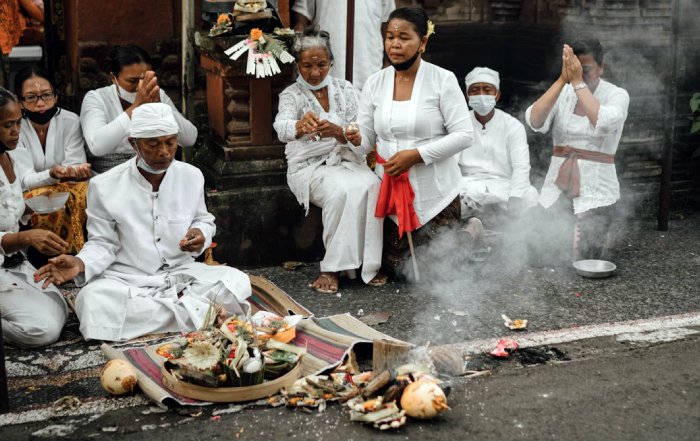
The Influence of Cultural Traditions on Modern Wellness
A New Phase for Global Wellness at Wellnewtime.com
Wellness has firmly established itself as a strategic priority for individuals, employers, policymakers, and investors across the world, moving far beyond its earlier image as a discretionary lifestyle choice. From Bergen to Bali, wellness is now intertwined with healthcare, workplace policy, urban planning, travel, and consumer brands. For wellnewtime.com, whose readers follow developments in wellness, health, business, lifestyle, and innovation, the key question is no longer whether wellness matters, but how it can be shaped in a way that is culturally intelligent, ethically grounded, and evidence-informed.
What has become particularly clear in 2026 is that many of the most powerful and enduring wellness practices are deeply rooted in cultural traditions that long predate the modern wellness industry. Systems of knowledge developed in India, China, Japan, Indigenous communities across the Americas, Africa, and Oceania, as well as historic European spa and nature cultures, now underpin a multi-trillion-dollar global market. Yet these practices were not originally designed as consumer products; they emerged as integrated approaches to living well, connecting body, mind, community, and environment. As readers across the United States, United Kingdom, Germany, Canada, Australia, France, Italy, Spain, the Netherlands, Switzerland, China, Sweden, Norway, Singapore, Denmark, South Korea, Japan, Thailand, Finland, South Africa, Brazil, Malaysia, and New Zealand engage with these traditions, they increasingly ask how to participate in them respectfully, safely, and authentically.
For wellnewtime.com, which positions itself as a trusted global platform, this shift creates a responsibility to interpret wellness through a cultural lens that values Experience, Expertise, Authoritativeness, and Trustworthiness. That involves not only explaining what works, but also clarifying where practices come from, how they evolved, and how they can be integrated into modern life without erasing the communities and philosophies that created them.
Historical Lineages: From Local Healing to Global Industries
The contemporary wellness economy, mapped in detail by organizations such as the Global Wellness Institute, spans fitness, nutrition, mental health, spa and massage, beauty, workplace well-being, and wellness tourism. Yet beneath this diverse ecosystem lies a shared pattern: practices that were once embedded in local healing systems or spiritual traditions have been adapted, standardized, and exported into global markets.
In India, Ayurveda developed as a comprehensive life science that aligned diet, herbs, massage, seasonal routines, and ethical conduct with the rhythms of nature and community life. Rather than treating disease as an isolated event, Ayurveda framed health as a dynamic balance of doshas, environment, and consciousness. In China, Traditional Chinese Medicine (TCM) evolved over millennia into a sophisticated framework of meridians, qi, organ systems, and pattern diagnosis, with acupuncture, herbal formulas, Tui Na massage, and qigong forming a coherent system of prevention and treatment. Readers who wish to understand how traditional systems are being evaluated today can explore overviews of integrative medicine through resources from the National Center for Complementary and Integrative Health.
Japan's Zen Buddhist traditions, along with practices such as tea ceremony and forest bathing (shinrin-yoku), emphasized simplicity, presence, and deep engagement with nature, concepts that now influence global approaches to mindfulness, design, and nature-based therapies. In Europe, thermal and mineral springs in Germany, Italy, Hungary, and the Czech Republic supported a long-standing medical spa culture, where hydrotherapy and balneotherapy were prescribed by physicians and reimbursed by public health systems, laying the groundwork for today's wellness tourism and spa resorts. Learn more about the evolution of spa and balneotherapy practices through resources from the European Spa Association.
Indigenous cultures across North America, South America, Africa, and Oceania have also maintained rich healing traditions that combine plant medicine, storytelling, song, ritual, and communal support. These systems position health as a relationship among people, land, ancestors, and ecosystems, and increasingly inform modern thinking on resilience, trauma healing, and environmental stewardship. International frameworks such as those of UNESCO highlight the importance of safeguarding intangible cultural heritage, including healing and ritual practices, as part of global cultural diversity. Readers interested in how heritage and wellness intersect can explore more through UNESCO's work on intangible cultural heritage.
For the audience of wellnewtime.com, these historical roots reinforce a crucial point: cultural traditions are not decorative branding elements. They are complex, context-specific responses to human needs, and any serious engagement with modern wellness must take their origins and evolution into account, particularly when advising readers in regions as diverse as Europe, Asia, Africa, South America, and North America.
Mindfulness, Mental Health, and the Return to Depth
One of the most visible examples of cultural traditions influencing modern wellness remains the global spread of mindfulness and contemplative practices. Techniques that originated in Buddhist, Hindu, and Taoist monastic settings have, over the past decades, been reframed for clinical psychology, corporate resilience programs, and digital health apps. The work of figures such as Jon Kabat-Zinn, who developed Mindfulness-Based Stress Reduction (MBSR), and institutions like the Oxford Mindfulness Foundation helped bridge contemplative traditions with empirical research, making practices once confined to monasteries in Thailand, Japan, or Sri Lanka accessible to patients and employees in hospitals and boardrooms across the United States, United Kingdom, Germany, Canada, and Australia.
As mental health challenges, burnout, and loneliness have intensified globally, especially in high-pressure urban and corporate environments, mindfulness has moved from the margins to the center of mental well-being strategies. Major medical institutions including Harvard Medical School and University of Oxford have published extensive research on meditation's impact on brain function, emotional regulation, and stress biomarkers. Readers can explore research summaries on mindfulness and health through resources from Harvard Health Publishing.
However, by 2026 the conversation has matured. Many practitioners and scholars now question what is lost when ancient practices are stripped of their ethical, philosophical, and communal dimensions and presented solely as tools for productivity or stress relief. Traditional teachers emphasize that mindfulness was historically embedded in frameworks of compassion, non-harming, and insight into interdependence, and that separating technique from values risks reinforcing the very forms of individualism and overwork that contribute to distress.
This has led to a growing emphasis on culturally informed mindfulness, where programs explicitly acknowledge their roots and, where appropriate, collaborate with lineage holders, monastics, and cultural experts. Global organizations such as the World Health Organization stress the importance of culturally sensitive mental health approaches that build on local traditions rather than replace them. Those interested in global mental health strategies can learn more through the World Health Organization. For wellnewtime.com and its readers exploring mindfulness and mental well-being, the most trusted offerings in 2026 are those that combine scientific rigor with cultural humility, presenting contemplative practices as part of a broader ethical and relational approach to life.
Traditional Bodywork and Massage in a Professionalized Era
Massage and bodywork provide another clear illustration of how cultural traditions are reshaping modern wellness. Techniques such as Thai massage, shiatsu, Tui Na, Ayurvedic Abhyanga, and Hawaiian Lomi Lomi have moved from temples, community healers, and family lineages into international spa chains, physiotherapy practices, and integrative clinics. Each modality carries a distinctive worldview: Thai massage integrates Buddhist values and traditional Thai medicine through rhythmic pressure and stretching along energy lines; shiatsu reflects Japanese interpretations of meridian theory; Tui Na forms part of TCM's broader diagnostic system; Ayurvedic massage uses herbal oils and marma point work to balance doshas; Lomi Lomi is inseparable from Hawaiian spiritual and familial traditions.
In North America, Europe, and parts of Asia-Pacific, the professionalization of massage has led to stronger regulation, standardized curricula, and clearer ethical codes. Associations such as the American Massage Therapy Association and the Federation of Holistic Therapists have worked to formalize training pathways and protect public safety, while also encouraging respect for cultural origins. Readers who want to understand industry standards and professional guidelines can explore resources from the American Massage Therapy Association and the Federation of Holistic Therapists.
At the same time, the globalization of bodywork has raised concerns about cultural appropriation and commodification. Some Indigenous and local communities have voiced objections to the commercialization of sacred rituals or techniques without consent, attribution, or fair economic participation. In response, leading wellness operators and hotels are adopting more rigorous cultural due diligence, forming partnerships with local practitioners, co-developing protocols, and ensuring that training and storytelling reflect the voices of origin communities.
For readers of wellnewtime.com exploring massage, these developments mean that the choice of a modality or provider is not only about physical results, but also about alignment with ethical and cultural values. Businesses that demonstrate Experience, Expertise, Authoritativeness, and Trustworthiness increasingly do so by showing how they protect cultural integrity, provide transparent qualifications, and invest in the communities whose knowledge they rely on.
Beauty, Ritual, and Cultural Narratives of Self-Care
The beauty and personal care sector has undergone a similar transformation, with cultural traditions playing a central role in how products and rituals are designed and marketed. Korean beauty (K-beauty), Japanese beauty (J-beauty), and formulations inspired by Ayurveda, TCM, African botanicals, and Indigenous plant knowledge have reshaped consumer expectations in the United States, United Kingdom, Germany, France, Italy, Spain, and beyond. Multi-step skincare routines, fermented ingredients, rice water, and traditional oils are now positioned not just as cosmetic tools, but as gateways to ritualized self-care and emotional well-being.
For wellnewtime.com readers exploring beauty, brands, and lifestyle, the key issue is how to differentiate between genuinely culturally grounded, science-backed offerings and surface-level storytelling. Organizations such as the Environmental Working Group and Campaign for Safe Cosmetics have pushed the industry toward greater ingredient transparency, safety, and environmental responsibility. Those seeking to evaluate ingredients and product safety can learn more through the Environmental Working Group.
Sustainability and equity are now central to beauty's engagement with cultural traditions. Brands that use Ayurvedic herbs, African oils, Amazonian plants, or Indigenous knowledge face growing scrutiny over sourcing practices, biodiversity impact, and benefit-sharing with local communities. International bodies such as the United Nations Environment Programme emphasize the need to protect traditional knowledge and ecosystems in the face of commercial demand. Readers interested in how sustainability and culture intersect in consumer products can explore guidance from the United Nations Environment Programme.
By 2026, inclusive beauty has also moved from niche to norm. Consumers in markets from Canada and Brazil to South Africa, the Netherlands, Sweden, and Malaysia expect representation of diverse skin tones, hair textures, and cultural aesthetics, and they are increasingly attuned to whether brands treat cultural motifs as inspiration or as extractive marketing. Within this landscape, cultural traditions function not only as sources of ingredients or rituals but as frameworks for reimagining beauty as part of holistic well-being, identity, and social belonging.
Fitness, Movement, and the Cultural Story of the Body
Global fitness culture has shifted markedly from a narrow focus on weight loss and performance metrics toward a broader appreciation of movement as a cultural and emotional experience. Yoga, tai chi, qigong, capoeira, martial arts, and a wide range of traditional and contemporary dance forms now coexist with strength training and high-intensity workouts in studios and digital platforms from Los Angeles and London to Berlin, Singapore, Tokyo, and Johannesburg.
Yoga's global spread remains a defining case. While it is widely practiced as a form of physical exercise, there is a growing movement, led by Indian scholars, teachers, and organizations, to anchor yoga more firmly in its philosophical and spiritual roots, including concepts of dharma, non-attachment, and self-inquiry. Similarly, tai chi and qigong, originating in Chinese martial and healing traditions, have gained recognition in Western medical literature for their role in supporting balance, mental calm, and chronic disease management. Institutions such as the Mayo Clinic and the National Institutes of Health now provide accessible summaries of research on these practices; readers can explore this evidence through resources from the Mayo Clinic.
For wellnewtime.com readers focused on fitness, the cultural framing of movement is increasingly important. In Nordic countries such as Sweden, Norway, and Finland, concepts like friluftsliv-an ethic of open-air life-shape public policies that encourage outdoor activity, influencing everything from urban park design to school curricula. In Brazil, capoeira blends martial arts, music, and history, transforming training into a living expression of Afro-Brazilian resistance and creativity. In Japan, group calisthenics and workplace exercises reflect collective norms and corporate culture.
Global fitness platforms expanding into Asia, Africa, and South America are learning that success requires more than exporting a standardized class format; it demands sensitivity to local traditions, gender norms, religious practices, and community dynamics. For individuals, this cultural diversity offers an opportunity to choose movement practices that resonate not only with physical goals but also with personal identity and values.
Business, Employment, and the Cultural Economy of Wellness
The integration of cultural traditions into wellness has significant implications for business strategy and the labor market. The sector now supports a wide spectrum of roles: therapists, coaches, yoga and meditation teachers, spa managers, wellness architects, health-tech founders, sustainability specialists, and corporate well-being leaders, among others. Many of these professions depend on the skillful translation of cultural practices into contemporary contexts.
Consultancies such as McKinsey & Company and Deloitte have documented the rapid expansion of the wellness economy and its convergence with mainstream industries, from hospitality and travel to consumer goods and real estate. Executives and entrepreneurs who want to understand these shifts can explore market analyses through McKinsey & Company. For readers of wellnewtime.com interested in business and jobs, this means that cultural competency, ethical awareness, and regulatory knowledge are becoming core professional skills alongside technical expertise.
Wellness tourism illustrates this evolution vividly. Travelers from North America, Europe, and increasingly Asia-Pacific seek immersive experiences in Thailand, Japan, India, South Korea, New Zealand, South Africa, and Brazil, where they can participate in traditional ceremonies, spa therapies, retreats, and nature-based programs. To be credible and sustainable, operators must engage with local communities, respect cultural protocols, and design offerings that benefit residents as much as visitors. For readers exploring travel, the most trustworthy brands are those that present themselves as facilitators of cross-cultural learning, rather than as purveyors of exoticized experiences.
Within companies, wellness is now tied to talent attraction, retention, and performance. Employers in the United States, United Kingdom, Germany, Canada, Australia, Singapore, and beyond are integrating mental health support, flexible working models, and culturally inclusive wellness benefits that respect the diverse traditions of multi-national workforces. This may involve offering meditation rooms, multi-faith spaces, culturally sensitive counseling, or allowances for traditional healing practices, demonstrating respect for employees' cultural identities while aligning with broader environmental, social, and governance (ESG) goals.
Innovation, Technology, and the Digital Life of Tradition
By 2026, technology has become a primary interface through which many people encounter cultural wellness practices. Streaming platforms, mobile apps, wearable devices, and virtual reality environments allow users in cities and rural areas alike to access yoga classes from India, mindfulness teachings from monastics in Asia, tai chi from Chinese masters, or breathwork and somatic practices influenced by Indigenous and contemporary modalities.
For innovation-oriented readers of wellnewtime.com exploring innovation and digital health, this brings both unprecedented opportunity and heightened responsibility. Artificial intelligence and data analytics can personalize programs based on biometrics, behavior, and preferences, while virtual and mixed reality can simulate forest bathing, sound baths, or retreat environments for those unable to travel. At the same time, these technologies can oversimplify complex traditions, amplify unqualified voices, or commercialize sacred practices without context.
Global organizations such as the World Economic Forum and the OECD have published guidance on responsible digital innovation, data ethics, and the governance of AI in health-related applications. Readers can explore these frameworks through the World Economic Forum. Leading digital wellness platforms are responding by partnering with recognized institutions, lineage holders, and clinical experts; embedding clear disclaimers and safety protocols; and designing content that integrates cultural background and ethical considerations rather than presenting practices as detached techniques.
Biosensors and wearables now track heart rate variability, sleep quality, stress markers, and movement patterns during practices such as meditation, yoga, tai chi, or traditional massage. While these tools help validate benefits and optimize programs, they cannot capture the full meaning of ritual, community, or spiritual experience. For wellnewtime.com, which aims to bridge rigorous evidence with lived cultural reality, editorial coverage increasingly emphasizes both quantitative findings and qualitative narratives, helping readers interpret data without losing sight of the deeper purposes of wellness traditions.
A Culturally Intelligent Future for Global Wellness
As wellness continues to expand in scale and influence across every major region of the world, the role of cultural traditions is becoming more central, not less. In 2026, individuals and organizations in the United States, United Kingdom, Germany, Canada, Australia, France, Italy, Spain, the Netherlands, Switzerland, China, Sweden, Norway, Singapore, Denmark, South Korea, Japan, Thailand, Finland, South Africa, Brazil, Malaysia, and New Zealand are increasingly aware that wellness is not a one-size-fits-all template but a tapestry of local meanings and practices.
For wellnewtime.com, this reality defines the editorial and strategic direction of the platform. Serving a readership interested in wellness, health, environment, world, and lifestyle, the task is to provide guidance that is both globally informed and locally respectful. That means highlighting robust scientific evidence while acknowledging the philosophical and communal dimensions of practices; amplifying voices from within the traditions being discussed; and scrutinizing trends for signs of superficiality, exploitation, or cultural erasure.
Experience, Expertise, Authoritativeness, and Trustworthiness in wellness now require a clear stance on cultural integrity. Businesses and professionals that thrive in this environment will be those that invest in cultural literacy, engage in genuine collaboration with origin communities, and design offerings that are transparent, inclusive, and sustainable. Policymakers and educators, in turn, can draw on cultural traditions to build public health strategies that resonate with local values, whether through nature-based programs in Nordic countries, community healing in African contexts, or contemplative education in Asian and Western schools.
For readers of wellnewtime.com, the path forward involves making choices that honor both personal needs and cultural origins: selecting massage and movement practices with awareness of their lineage, exploring beauty and self-care rituals that respect biodiversity and traditional knowledge, engaging with digital wellness tools that prioritize ethics and authenticity, and supporting travel and business models that contribute to community well-being.
In this emerging phase of global wellness, cultural traditions are not static relics or mere branding motifs; they are living bodies of knowledge that continue to evolve. When approached with respect, curiosity, and critical discernment, they offer powerful resources for building healthier, more resilient, and more connected societies. As wellnewtime.com continues to report on wellness, news, and innovation for a worldwide audience, its role is to help readers navigate this complex landscape with clarity, context, and a deep appreciation for the cultures that have shaped the very idea of well-being.