

Innovative Wellness Concepts in Singapore: How a Global City Is Redefining Wellbeing
Singapore's Rise as a Global Wellness Testbed
In 2026, Singapore stands out not only as a financial and technology hub but also as one of the world's most dynamic laboratories for innovative wellness concepts, where health, lifestyle, and business converge in a tightly integrated ecosystem that increasingly influences how individuals and organizations across North America, Europe, Asia, Africa, and South America think about wellbeing in urban environments. With its compact geography, strong regulatory frameworks, and advanced digital infrastructure, the city-state has become an ideal testbed for new wellness models that combine clinical science, hospitality, sustainability, and data-driven personalization, making it a compelling case study for readers of WellNewTime who follow developments in wellness, health, fitness, travel, innovation, and responsible business practices.
Singapore's government and private sector have long treated health as an economic and social priority, and this orientation has deepened since the global disruptions of the early 2020s, leading to a marked shift from reactive healthcare to proactive wellness and prevention, supported by initiatives such as the national Healthier SG strategy, which encourages residents to build long-term relationships with family doctors, improve lifestyle habits, and adopt digital tools for self-management. By combining robust public policy with entrepreneurial energy from local startups and global brands, Singapore has created a fertile environment for new concepts that resonate with wellness-conscious professionals from the United States, United Kingdom, Germany, Canada, Australia, and beyond who are seeking models that can be adapted to their own markets and workplaces. For readers exploring broader perspectives on wellbeing and innovation, WellNewTime provides an evolving context through its coverage of wellness, health, and innovation, within which Singapore's story is particularly instructive.
From Healthcare to Whole-Person Wellness
One of the defining characteristics of Singapore's wellness transformation is the shift from a narrow medical focus to a comprehensive, whole-person approach that integrates physical, mental, social, and environmental dimensions of health, a paradigm that aligns closely with the editorial perspective of WellNewTime, where wellbeing is treated as a multi-layered experience rather than a set of disconnected services. The city's major healthcare institutions, such as SingHealth and the National University Health System, have increasingly embraced preventive care, digital monitoring, and lifestyle interventions, while private sector operators have built complementary ecosystems of spas, fitness studios, integrative clinics, and wellness-focused hospitality offerings.
The World Health Organization's evolving guidance on health promotion has reinforced this multifaceted approach, and Singaporean policymakers have been quick to translate such principles into applied programs in schools, workplaces, and community settings, thereby normalizing the idea that wellness is a shared responsibility spanning individuals, employers, and the state. International observers can explore how global health standards are evolving and how they intersect with urban wellbeing by reviewing resources from organizations such as the World Health Organization and the World Economic Forum, which increasingly highlight the economic value of preventive health, mental resilience, and sustainable lifestyles. Within this broader frame, readers who follow WellNewTime's coverage of business and lifestyle trends will find Singapore's whole-person wellness model particularly relevant for corporate leaders designing future-ready employee wellbeing strategies.
High-Tech Wellness: Data, AI, and Personalized Care
Singapore's reputation as a smart city has naturally extended into the wellness sector, where data analytics, artificial intelligence, and connected devices are being deployed to create personalized, measurable, and scalable experiences that appeal to tech-savvy consumers from Europe, Asia, and North America. The government's Smart Nation initiative has laid the groundwork for secure data infrastructure and digital identity systems, which in turn enable health platforms to integrate clinical records, lifestyle data, and wearable metrics in ways that remain challenging in many other jurisdictions. This environment has encouraged local startups such as HeartVoice, Doctor Anywhere, and WhiteCoat to develop telehealth and remote monitoring solutions that bridge the gap between medical care and everyday wellbeing routines.
International technology leaders, including Apple, Google, and Samsung, have also used Singapore as a launchpad for health-related features and partnerships, leveraging the city's high smartphone penetration and strong regulatory clarity around digital health. Professionals interested in the intersection of AI and wellbeing can explore broader developments through resources such as the MIT Technology Review and the Stanford Center for Digital Health, which document how algorithmic tools are reshaping prevention, diagnosis, and behavioral coaching. For readers of WellNewTime, these developments underscore how innovation in Singapore is not merely about gadgets but about building trustworthy systems where data security, clinical oversight, and user experience are carefully balanced to support sustainable behavior change and long-term health outcomes.
Urban Sanctuaries: Spas, Massage, and Restorative Design
Despite its dense skyline and reputation for relentless efficiency, Singapore has invested significantly in creating urban sanctuaries that offer residents and visitors restorative spaces for massage, spa therapies, and contemplative relaxation, reflecting a growing recognition that recovery is as important as performance in modern life. Luxury hotels such as Marina Bay Sands, Capella Singapore, and Raffles Hotel Singapore have developed spa concepts that blend traditional Asian therapies with modern wellness science, offering treatments that incorporate mindfulness, aromatherapy, and advanced bodywork techniques tailored to stressed executives, digital nomads, and wellness tourists from Japan, South Korea, the United States, and Europe. Beyond the hospitality sector, boutique studios and community-focused centers in neighborhoods like Tiong Bahru, Joo Chiat, and Holland Village offer massage modalities ranging from Thai and Balinese to myofascial release and sports recovery, often combined with yoga, breathwork, or meditation classes.
These developments align closely with the interests of WellNewTime readers who seek deeper understanding of massage and its role in integrated wellness, as well as those exploring the broader beauty and self-care landscape. International travelers can complement this perspective by reviewing guidance from organizations like the Global Wellness Institute, which has chronicled the rise of wellness tourism and the economic impact of spa and massage industries across Asia, Europe, and the Americas. In Singapore's case, the integration of spa design with biophilic architecture, green roofs, and water features creates environments that not only soothe the body but also reconnect urban dwellers with nature, a theme that resonates strongly with global conversations about mental health, digital overload, and the need for intentional pauses in hyper-connected lives.
Fitness, Performance, and the Science of Everyday Movement
Singapore's fitness landscape has evolved rapidly over the past decade, moving beyond traditional gyms to embrace functional training, boutique studios, outdoor exercise networks, and integrated performance labs that serve everyone from elite athletes to office workers seeking sustainable routines. Brands such as Virgin Active, F45 Training, and local innovators like UFIT and The Rehab Lab have introduced evidence-based training programs that emphasize mobility, strength, and metabolic health, often supported by physiotherapy, nutrition counseling, and digital tracking. Public infrastructure has kept pace, with the Singapore Sports Hub, park connector networks, and community sports facilities offering accessible venues for running, cycling, and group activities that encourage social cohesion alongside physical fitness.
Readers interested in how fitness science is evolving globally can explore resources from institutions such as the American College of Sports Medicine and the UK's National Health Service, which provide research-based guidelines on movement, recovery, and injury prevention that inform many of the programs now offered in Singapore. For WellNewTime's audience, this convergence of performance science and everyday movement is particularly relevant to discussions on fitness, where the emphasis is shifting from short-term transformation to long-term resilience, healthy aging, and the integration of exercise into busy professional schedules in cities from London and Berlin to Toronto, Sydney, and São Paulo.
Mindfulness, Mental Health, and the Culture of Psychological Safety
Mental wellbeing has become a central theme in Singapore's wellness evolution, reflecting global shifts in how organizations, governments, and individuals understand stress, burnout, and psychological resilience in a volatile world. The city has witnessed a proliferation of mindfulness studios, meditation apps, and corporate resilience programs that draw on both Eastern contemplative traditions and Western psychological research, with organizations such as Brahm Centre, Mindful Awareness Practice (MAP) programs at National University of Singapore, and various private providers offering structured interventions for students, professionals, and seniors. At the same time, the government has strengthened mental health frameworks through initiatives like the Singapore Ministry of Health's National Mental Health and Well-being Strategy, which aims to improve access to care, reduce stigma, and embed mental health literacy in schools and workplaces.
Global readers can deepen their understanding of these trends by consulting resources such as the American Psychological Association and the Mind charity in the UK, which provide evidence-based insights into stress management, cognitive behavioral approaches, and the impact of workplace culture on mental health outcomes. For WellNewTime, which dedicates significant editorial space to mindfulness and holistic wellness, Singapore's approach is especially instructive because it demonstrates how a high-pressure, globally connected economy can begin to recalibrate norms around rest, vulnerability, and support, moving toward cultures of psychological safety where seeking help is seen as a strength rather than a weakness.
Integrative Health, Beauty, and Longevity
In Singapore, the boundaries between health, beauty, and longevity are increasingly blurred, as consumers seek integrated solutions that address appearance, vitality, and disease prevention through a combination of medical science, nutrition, and lifestyle design. Medical wellness centers and integrative clinics have emerged to offer services such as genetic testing, hormone profiling, advanced dermatology, and regenerative therapies alongside nutrition coaching and stress management, appealing to discerning clients from China, India, the Middle East, and Western markets who view the city as a trusted destination for high-standard care. Brands like IDS Clinic, The Wellness Clinic, and regional leaders such as LVMH's beauty and wellness portfolio have contributed to a sophisticated ecosystem where aesthetic treatments are framed within broader health narratives, supported by stringent regulatory oversight from agencies like the Health Sciences Authority.
For those interested in the scientific underpinnings of longevity and integrative medicine, organizations such as the National Institutes of Health and the European Society of Preventive Medicine offer a wealth of research and clinical guidelines that inform many of the protocols now adopted in Singaporean practices. Within WellNewTime's coverage of beauty and health, Singapore's integrative model serves as a reference point for how cities in Europe, North America, and Asia can responsibly navigate the growing demand for anti-aging solutions, ensuring that aesthetic aspirations are balanced with ethical considerations, scientific rigor, and long-term wellbeing.
Sustainable Wellness: Nature, Environment, and Urban Design
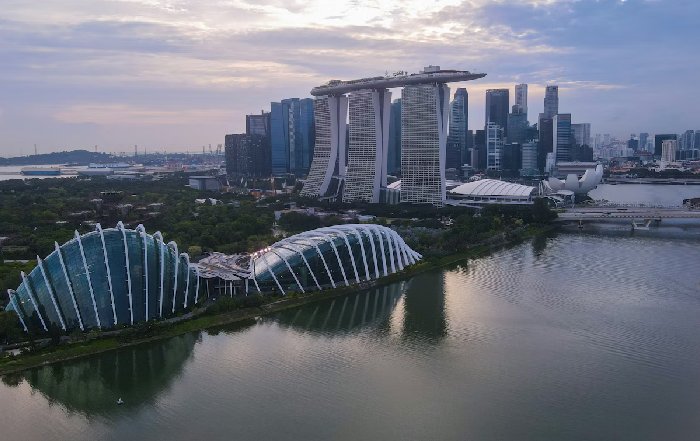
Singapore's wellness innovation is deeply intertwined with its environmental and urban planning strategies, which aim to create a "City in Nature" where green spaces, biodiversity, and climate resilience are integral to everyday life. Projects such as Gardens by the Bay, the Southern Ridges, and the extensive park connector network are not only tourist attractions but also living laboratories for nature-based wellbeing, providing residents with accessible spaces for walking, cycling, mindfulness, and family recreation in a tropical, biophilic environment. The government's Singapore Green Plan 2030 further reinforces this connection by setting ambitious targets for green buildings, clean energy, and sustainable mobility, all of which have direct implications for public health and quality of life.
International readers can explore the link between environment and health through organizations like the United Nations Environment Programme and the World Resources Institute, which document how urban design, air quality, and access to nature influence physical and mental wellbeing across continents. For WellNewTime, whose audience is increasingly concerned with the intersection of wellness and sustainability, Singapore's environmental strategy aligns closely with the themes explored in its environment and world sections, offering a model for how cities from Amsterdam and Copenhagen to Vancouver and Wellington can integrate wellness considerations into climate adaptation and green infrastructure planning.
Wellness Tourism and the Global Visitor Experience
As international travel has rebounded and evolved, Singapore has positioned itself as a premium wellness tourism hub that combines medical excellence, hospitality, culture, and safety, attracting visitors from regions as diverse as Europe, the Middle East, North America, and Southeast Asia. The Singapore Tourism Board has actively promoted integrated experiences that link luxury hotels, spa retreats, nature excursions, and culinary journeys centered on nutrition and sustainability, while medical tourism providers coordinate specialized packages for preventive screenings, elective procedures, and post-treatment recovery in resort-like environments. This positioning is reinforced by Singapore's reputation for cleanliness, security, and efficient transport, all of which are critical factors for wellness-focused travelers seeking low-friction, high-trust experiences.
Those interested in the evolution of global wellness travel can consult resources such as the World Travel & Tourism Council and the UN World Tourism Organization, which analyze how traveler expectations are shifting toward health, authenticity, and environmental responsibility. For readers of WellNewTime exploring travel and wellness, Singapore's approach illustrates how destinations can differentiate themselves not only through attractions but through coherent narratives that connect urban design, health infrastructure, culture, and hospitality into a seamless, restorative journey that aligns with the values of modern, health-conscious professionals and families.
The Business of Wellness: Jobs, Brands, and Innovation
Behind Singapore's visible wellness experiences lies a rapidly expanding business ecosystem that spans startups, global brands, research institutions, and investors, creating significant opportunities for employment, entrepreneurship, and cross-border collaboration. The wellness economy here encompasses fitness chains, spa operators, health-tech platforms, clean beauty brands, nutraceutical companies, and corporate wellbeing consultancies, many of which use Singapore as a regional headquarters to serve markets across Southeast Asia, East Asia, and Oceania. Organizations such as Enterprise Singapore and EDB Singapore actively support this growth through grants, incubators, and international partnerships, while universities and polytechnics develop specialized programs in sports science, nutrition, spa management, and digital health to build a skilled workforce.
Professionals and job seekers interested in the evolving wellness labor market can gain broader insights from platforms like the World Economic Forum's Future of Jobs reports and the International Labour Organization, which highlight how health and wellbeing roles are gaining prominence across industries. For WellNewTime, whose readers track jobs, brands, and business trends, Singapore's wellness sector offers a compelling example of how innovation, regulation, and consumer demand can combine to create high-value, purpose-driven careers that appeal to talent from the United States, United Kingdom, Germany, Canada, Australia, and emerging markets alike.
What Singapore's Wellness Innovation Means for a Global Audience
Singapore's experience between 2020 and 2026 demonstrates that wellness innovation is most powerful when it is treated as a systemic endeavor rather than a collection of disconnected services, integrating healthcare, technology, environment, culture, and commerce into a coherent whole that supports individuals throughout their lives. For global readers of WellNewTime, the city-state offers practical lessons on how to design workplaces that prioritize mental health without sacrificing performance, how to build cities where nature and movement are embedded in daily routines, and how to regulate emerging wellness technologies in ways that protect consumers while still enabling experimentation and growth. It also illustrates the importance of trust, both in institutions and in brands, as a foundation for any wellness initiative aspiring to long-term relevance and impact.
As wellness continues to evolve across continents-from the urban centers of North America and Europe to the fast-growing cities of Asia, Africa, and South America-Singapore's approach suggests that the most successful models will be those that combine scientific rigor with cultural sensitivity, digital sophistication with human connection, and economic ambition with environmental responsibility. For WellNewTime, which connects readers across wellness, massage, beauty, health, news, business, fitness, lifestyle, environment, mindfulness, travel, and innovation, Singapore's innovative concepts provide a rich source of insight and inspiration, reinforcing the platform's commitment to Experience, Expertise, Authoritativeness, and Trustworthiness in guiding its global audience toward more informed, holistic, and sustainable choices about how they live, work, and care for themselves in an increasingly complex world.