

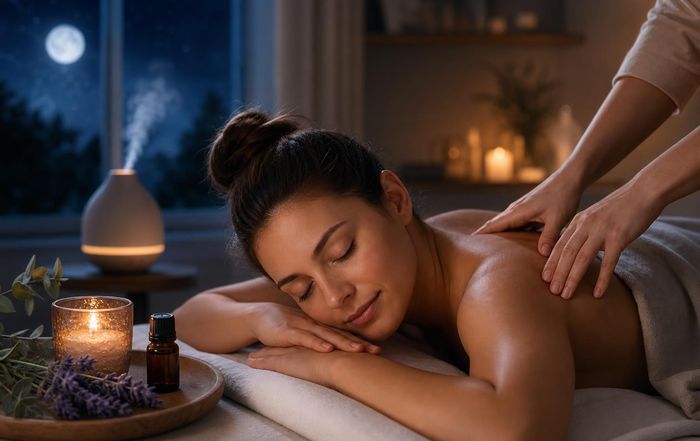
Massage Habits for Better Sleep: A Strategic Guide for High-Performance Lives
The New Economics of Sleep and Recovery
I think we've all realised one way or another that sleep has moved from a private health concern to a main need for individuals, organizations, and economies. Across North America, Europe, Asia, and beyond, executives, entrepreneurs, and high-performing professionals increasingly recognize that chronic sleep deprivation erodes decision-making, creativity, emotional regulation, and long-term health. Reports from organizations such as the World Health Organization highlight the global burden of sleep-related disorders, while research from institutions like Harvard Medical School underscores how insufficient sleep elevates risks for cardiovascular disease, obesity, and mental health challenges. In this context, massage has quietly shifted from a perceived luxury to a targeted, evidence-informed tool for improving sleep quality, nervous system regulation, and overall resilience.
For hopefully well rested fans of wellnewtime.com, who already place a premium on integrated wellness, performance, and lifestyle design, massage habits for better sleep are not about indulgence; they are about building a sustainable foundation for productivity, emotional balance, and long-term vitality. As companies in the United States, United Kingdom, Germany, Singapore, and Australia roll out broader well-being strategies, sleep-focused bodywork is emerging as a practical intervention that bridges the gap between high-stress work cultures and the biological need for deep, restorative rest. Learn more about how sleep impacts performance through resources such as Harvard Health and the National Sleep Foundation.
Why Massage Improves Sleep: The Science Behind the Experience
Massage therapy's impact on sleep is grounded in physiology rather than mystique. When skilled touch is applied to muscles and connective tissue, it stimulates pressure receptors in the skin that send signals to the brain, helping to shift the autonomic nervous system from a sympathetic "fight-or-flight" state toward a parasympathetic "rest-and-digest" mode. This shift is associated with reduced levels of cortisol, the primary stress hormone, and increased levels of serotonin and, indirectly, melatonin, which play key roles in regulating sleep-wake cycles. Research summarized by the American Massage Therapy Association and reviewed in journals accessible via PubMed indicates that regular massage can improve sleep in people with chronic pain, anxiety, and certain medical conditions, while also enhancing subjective sleep quality in generally healthy adults.
In global hubs such as New York, London, Berlin, Singapore, and Tokyo, where high cognitive load and digital saturation dominate daily life, massage functions as a structured interruption of stress physiology. The slow, rhythmic pressure of Swedish massage, the targeted work of myofascial release, and the calming techniques of aromatherapy massage all converge on the same outcome: a downregulated nervous system that is more ready to transition into deep, non-REM sleep. Readers interested in the broader health implications of this physiological shift can explore additional evidence-based overviews at Mayo Clinic and Cleveland Clinic.
Designing a Sleep-Focused Massage Routine
Developing massage habits for better sleep is most effective when approached as a structured routine rather than an occasional treat. For many professionals and wellness-oriented individuals, the most practical starting point is a weekly or bi-weekly professional massage session complemented by short, targeted self-massage rituals integrated into evening wind-down practices. On wellnewtime.com, this philosophy aligns closely with the platform's integrated approach to wellness, where consistent, small actions compound into significant changes in health and performance over time.
A typical sleep-focused weekly structure might involve a full-body relaxation massage early in the week to reset muscular tension accumulated from travel, long meetings, and digital work, followed by shorter self-massage sessions on key tension areas-neck, shoulders, feet, and lower back-on subsequent evenings. This pattern supports a more stable nervous system baseline, making it easier for the body to enter restorative sleep cycles rather than oscillate between acute exhaustion and wired wakefulness. For individuals engaged in regular training or high-intensity exercise, integrating massage into an existing fitness routine can also enhance recovery, reduce soreness, and further support sleep quality.
Professional Massage Modalities That Support Sleep
Different massage modalities influence sleep in distinct ways, and choosing the right approach depends on lifestyle, stress profile, and health status. Traditional Swedish massage, with its long, flowing strokes and moderate pressure, remains one of the most effective techniques for general relaxation and parasympathetic activation. This style is particularly well-suited to knowledge workers, executives, and entrepreneurs in major business centers from the United States to Singapore who experience chronic mental tension and muscular tightness from prolonged sitting and device use.
For individuals dealing with specific pain conditions, such as neck strain from remote work, lower back pain, or sports-related injuries, targeted therapeutic techniques like myofascial release or trigger point therapy can indirectly improve sleep by reducing discomfort that would otherwise fragment rest. In many European and Asian cities, traditional practices such as Thai massage, Shiatsu, and reflexology are also being integrated into corporate wellness programs and personal routines, valued for their emphasis on energy flow, stretching, and pressure point stimulation. To better understand different massage styles and their potential benefits, readers can consult resources from the National Center for Complementary and Integrative Health at NCCIH and the American Massage Therapy Association at AMTA.
Self-Massage as a Daily Sleep Ritual
While professional massage offers deep benefits, sustainable sleep improvement in 2026 increasingly depends on what individuals do daily, not just once or twice a month. Self-massage has emerged as a practical, accessible tool that can be integrated into evening routines without requiring specialized equipment or extensive training. Simple techniques, such as using the fingers to slowly knead the muscles at the base of the skull, applying gentle pressure along the jawline to release clenching, or rolling the feet over a small ball, can all trigger localized relaxation that cascades into a more general sense of calm. When combined with slow breathing and reduced screen exposure, these practices create a powerful pre-sleep ritual.
Readers of wellnewtime.com who are already exploring mindfulness and meditation will find that self-massage can function as a bridge between mental and physical relaxation, helping the mind follow the body into a quieter state. To deepen understanding of how such simple interventions can influence sleep architecture, individuals may explore educational materials from organizations such as the Sleep Foundation at Sleep Foundation and the American Academy of Sleep Medicine at AASM.
Integrating Massage with Holistic Sleep Hygiene
Massage habits for better sleep are most effective when integrated into a broader framework of sleep hygiene and lifestyle design. Consistent sleep and wake times, a dark and cool bedroom environment, reduced caffeine and alcohol intake in the evening, and a structured wind-down period form the foundation upon which massage can exert its full benefits. Without this foundation, even the most expertly delivered massage will struggle to counteract the effects of late-night work, unregulated blue light exposure, and constant digital stimulation. This integrated perspective reflects the editorial ethos of wellnewtime.com, which emphasizes interconnected pillars of health, environment, and lifestyle choices.
In many global cities, high-achieving professionals now view their evening routines as non-negotiable appointments with themselves, similar in importance to client meetings or board presentations. Incorporating 10-20 minutes of self-massage into this routine-after a warm shower and before reading or journaling-can signal to the body that it is safe to downshift into rest. Those looking to refine their broader sleep strategies can find practical guidance from sources such as the Centers for Disease Control and Prevention at CDC Sleep and the National Institutes of Health at NIH Sleep.
Regional Perspectives: Massage and Sleep Across Global Cultures
Massage traditions shaped by culture, climate, and history are now intersecting with modern sleep science in compelling ways across continents. In Asia, long-established practices such as Thai massage in Thailand, Shiatsu in Japan, and Tui Na in China have historically been used for balancing energy and promoting recovery, and are increasingly reframed through the lens of nervous system regulation and sleep optimization. In Europe, particularly in countries like Germany, Sweden, and Switzerland, spa culture and medical rehabilitation programs have normalized massage as part of preventive health and recovery from musculoskeletal issues that can disrupt sleep.
In North America, from Canada to the United States, the growth of evidence-based integrative medicine has led hospitals and clinics to incorporate massage into care plans for patients with chronic pain, cancer-related fatigue, and anxiety, many of whom report improved sleep as a secondary benefit. In rapidly developing wellness markets such as Brazil, South Africa, and Malaysia, urban professionals are adopting massage not only as a relaxation tool but as a structured component of their personal performance strategy. Readers curious about these global trends can explore broader wellness and travel intersections through platforms like World Travel & Tourism Council and the World Economic Forum's insights on well-being at WEF.
Massage, Fitness, and Recovery-Driven Sleep
For many in the wellnewtime.com community, physical training is a core part of identity and daily structure, whether in the form of strength training, running, cycling, yoga, or high-intensity interval workouts. Quality sleep is where much of the adaptation from training actually occurs, with growth hormone release, muscle repair, and memory consolidation happening most robustly during deep sleep. Massage, when strategically timed within a training week, can accelerate recovery by improving circulation, reducing perceived muscle soreness, and enhancing range of motion, all of which contribute to more comfortable and efficient sleep. This is especially important for athletes and active professionals in regions such as the United States, United Kingdom, Australia, and the Nordic countries, where outdoor and endurance sports are deeply embedded in lifestyle culture.
Integrating massage into a broader recovery strategy that includes hydration, nutrition, stretching, and relaxation practices can help prevent overtraining and burnout, which are major threats to consistent sleep quality. Resources from organizations such as the American College of Sports Medicine at ACSM and the International Olympic Committee's consensus statements accessible via Olympic.org provide additional context on the importance of recovery and sleep in athletic performance, complementing the practical lifestyle content available through wellnewtime.com's fitness and lifestyle sections.
The Business Case: Corporate Wellness, Massage, and Sleep
From a business perspective, massage habits that improve sleep are no longer merely a perk; they represent a strategic investment in cognitive performance, emotional intelligence, and long-term workforce sustainability. Studies cited by organizations like the World Economic Forum and OECD have linked poor sleep to reduced productivity, increased absenteeism, higher healthcare costs, and elevated risk of burnout. In 2026, forward-thinking companies in sectors such as finance, technology, consulting, and creative industries are integrating massage into their wellness portfolios, particularly in high-pressure hubs like New York, London, Frankfurt, Singapore, and Hong Kong, where talent retention and mental health are critical concerns.
Some organizations provide on-site chair massage sessions during peak project periods, while others offer stipends for employees to access local massage therapists trained in stress and sleep-focused modalities. These initiatives are often paired with sleep education workshops, flexible work arrangements, and digital detox policies that collectively support healthier sleep patterns. For leaders and HR professionals exploring this space, resources such as McKinsey & Company and the Harvard Business Review offer strategic perspectives on well-being and productivity, complementing the more lifestyle-oriented business coverage available at wellnewtime.com's business section.
Massage, Beauty, and the Visible Impact of Restorative Sleep
In the global beauty and aesthetics market, particularly prominent in regions like South Korea, Japan, France, Italy, and the United States, the relationship between sleep, skin health, and appearance is now widely acknowledged. Chronic sleep deprivation has been linked to accelerated skin aging, impaired barrier function, and dull complexion, while restorative sleep supports collagen production, cellular repair, and a more vibrant appearance. Facial massage, whether performed by professionals or integrated into personal skincare routines, enhances circulation, lymphatic drainage, and muscle relaxation in the face and neck, which can indirectly support sleep by reducing tension and creating a sense of calm during evening rituals.
For the audience of wellnewtime.com, where beauty is increasingly viewed through the lens of health, authenticity, and longevity rather than quick fixes, combining facial massage with bodywork and good sleep hygiene represents a cohesive, long-term strategy. Leading dermatology and skincare organizations, such as the American Academy of Dermatology at AAD, provide additional insight into how sleep quality influences skin health, while global beauty brands are aligning their messaging with this integrated understanding of wellness, appearance, and rest.
Environmental and Lifestyle Factors Shaping Massage Habits
The environments in which people live and work-from dense urban centers in China and South Korea to coastal cities in Spain, New Zealand, and Canada-significantly shape both stress exposure and access to restorative practices such as massage. Noise pollution, artificial lighting, and long commutes can disrupt circadian rhythms and elevate baseline stress, making it more difficult to achieve deep sleep even when schedules allow for sufficient hours in bed. Massage, in this context, functions as a compensatory intervention that helps the body recalibrate, but it is most powerful when combined with broader environmental and lifestyle adjustments, such as creating darker, quieter sleeping spaces and setting firmer boundaries around work and digital engagement.
Readers interested in how environmental factors intersect with health and sleep can explore broader discussions at UN Environment Programme and the World Health Organization's environmental health pages at WHO. These macro-level insights complement the more personal and actionable guidance available through wellnewtime.com's environment and lifestyle sections, helping individuals design lives in which massage and sleep-supportive habits are not isolated acts but part of a coherent, values-driven way of living.
Building a Personal Sleep-Massage Strategy with WellNewTime
For the probably now quite sleepy but happy readers of wellnewtime.com, around the United States, Europe, Asia, Africa, and the Americas, the path toward better sleep through massage is both highly personal and broadly universal. The specific modalities, frequencies, and rituals will differ for a technology executive in San Francisco, a consultant in London, an entrepreneur in Singapore, or a creative professional in São Paulo, yet the underlying principles remain consistent: the nervous system thrives on predictable signals of safety, the body repairs itself most effectively during deep sleep, and structured touch can be a powerful communicator of calm and restoration.
By combining professional massage where accessible, simple daily self-massage practices, and thoughtful integration with existing wellness, fitness, and mindfulness routines, individuals can build a sustainable framework for sleep that supports both immediate performance and long-term health. As wellnewtime.com continues to expand its positive and inspirational, independent coverage across wellness, massage, health, and lifestyle, readers are invited to view massage not as an isolated treatment, but as a strategic habit woven into the fabric of a modern, high-performing, and deeply human life.