

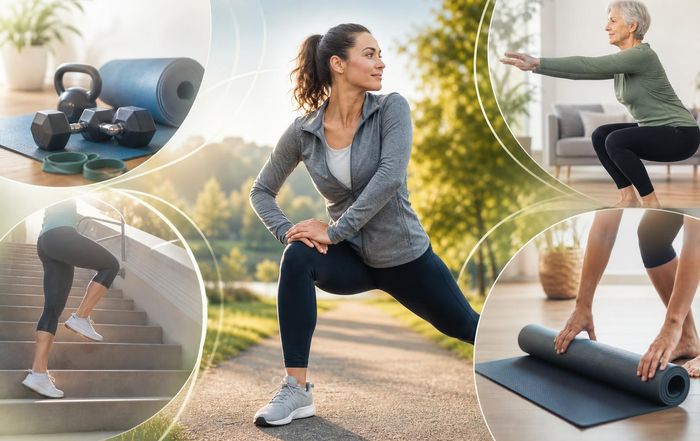
Fitness Habits That Improve Daily Mobility
Why Daily Mobility Has Become a Strategic Asset
Daily mobility is no longer discussed only in physiotherapy clinics and sports facilities; it has moved into boardrooms, remote-working hubs, and wellness retreats across the world. As hybrid work models become the norm in the United States, the United Kingdom, Germany, Canada, Australia, and across Asia and Europe, the ability to move freely, comfortably, and without pain has emerged as a critical foundation for sustainable performance, healthy aging, and long-term productivity. For the global audience of wellnewtime.com, which spans wellness enthusiasts, executives, entrepreneurs, and professionals from sectors as diverse as technology, finance, hospitality, and creative industries, daily mobility is now recognized as a strategic asset rather than a secondary fitness goal.
Daily mobility refers to the capacity of joints and muscles to move through their full, functional range of motion, supporting everyday activities such as walking, lifting, bending, and reaching, as well as recreational pursuits like hiking in New Zealand, cycling in the Netherlands, skiing in Switzerland, or practicing yoga in Singapore. As organizations and individuals increasingly rely on digital tools, prolonged sitting and reduced incidental movement have become widespread, contributing to stiffness, back pain, and reduced functional capacity. Research from institutions such as the World Health Organization highlights how physical inactivity is a major risk factor for noncommunicable diseases; readers can learn more about global activity trends through the WHO's resources at who.int. Against this backdrop, fitness habits that deliberately improve daily mobility have become central to a modern, evidence-informed approach to wellness, health, and performance.
For the team here which is dedicated to integrating wellness, fitness, mindfulness, beauty, lifestyle, and business insight into a single, trusted platform, daily mobility sits at the intersection of these interests. It influences how people feel at work, how they travel, how they age, how they present themselves, and how they participate in their communities from North America to South Africa and Brazil. This article explores the most effective, sustainable fitness habits that improve daily mobility, with a focus on practical integration into busy lives and demanding careers.
The Science of Mobility: More Than Flexibility
To understand which fitness habits genuinely improve daily mobility, it is useful to distinguish mobility from flexibility, two terms that are often used interchangeably but refer to different qualities. Flexibility describes the passive length of a muscle, such as how far a therapist can move someone's hamstring while the person remains relaxed. Mobility, by contrast, is inherently active; it reflects how well a person can control movement through a range of motion using their own strength and neuromuscular coordination. The American College of Sports Medicine explains these distinctions clearly and provides guidelines on incorporating them into exercise programs; readers can explore their recommendations at acsm.org.
Daily mobility is influenced by several interlocking factors: joint structure, soft tissue quality, muscle strength, motor control, and nervous system regulation. The National Institutes of Health and resources such as nih.gov outline how aging, sedentary behavior, and chronic stress can alter these systems, leading to stiffness, compensatory movement patterns, and increased risk of injury. For the global audience of wellnewtime.com, whose members may be balancing demanding careers in London, Berlin, New York, Tokyo, or Singapore with family responsibilities and travel, this science underscores a critical point: mobility is not simply a question of stretching more; it is about training the body to move with strength, control, and relaxation in the contexts that matter most.
On wellnewtime.com, the connection between mobility and broader health outcomes is reflected across sections such as health, wellness, and fitness, where readers consistently seek strategies that combine scientific rigor with real-world applicability. The most effective mobility habits therefore integrate elements of strength, stability, and neuromuscular training, rather than relying solely on traditional static stretching.
Habit 1: Dynamic Warm-Ups as a Daily Ritual
Among the most impactful fitness habits for improving daily mobility is the consistent use of dynamic warm-ups at the start of the day or before any significant physical activity. Dynamic warm-ups involve controlled, movement-based drills that elevate heart rate, increase blood flow, and move joints through progressively larger ranges of motion. Instead of holding static stretches, individuals perform movements such as leg swings, hip circles, arm circles, spinal rotations, and walking lunges, all with a focus on smooth, deliberate motion. Organizations such as Harvard Health Publishing emphasize that dynamic warm-ups prepare muscles and joints more effectively for activity and help reduce injury risk; readers can explore these recommendations at health.harvard.edu.
For readers of wellnewtime.com, a brief, 8-12 minute dynamic warm-up can be integrated into a morning routine before work, a mid-day break between virtual meetings, or as a prelude to strength training or running sessions. This type of ritual is particularly valuable for professionals who spend long hours at a desk, whether in Silicon Valley, Frankfurt, Toronto, or Seoul, because it counteracts the cumulative effects of static sitting. As covered in the lifestyle content, such micro-routines are often the difference between aspirational wellness and habits that are actually maintained over months and years.
Dynamic warm-ups also have a cognitive and emotional dimension. By encouraging individuals to pay attention to how their bodies feel-tightness in the hips, stiffness in the upper back, or imbalance between sides-they serve as a daily check-in that supports early intervention and self-care. Organizations such as Mayo Clinic explain how these short, regular movement breaks can improve circulation and focus; readers can learn more at mayoclinic.org. When framed as a non-negotiable part of one's professional preparation, similar to reviewing a calendar or planning priorities, dynamic warm-ups become a cornerstone of mobility and performance.
Habit 2: Strength Training for Joint-Friendly Movement
Contrary to lingering myths, strength training, when programmed intelligently, is one of the most effective tools for improving daily mobility. Controlled resistance exercises that move joints through full, pain-free ranges of motion help maintain cartilage health, support bone density, and improve neuromuscular control. The National Health Service in the UK, accessible at nhs.uk, highlights strength training as a fundamental component of healthy aging and fall prevention, while also supporting functional independence.
For the global readership of wellnewtime.com, especially those in knowledge-intensive roles in New York, Paris, Sydney, or Hong Kong, strength training that targets the key mobility hubs-hips, shoulders, thoracic spine, and ankles-can transform how they feel during long workdays and travel. Movements such as goblet squats, Romanian deadlifts, split squats, rows, and overhead presses, when performed with appropriate load and technique, gradually increase both strength and usable range of motion. Resources such as Examine.com, which offers evidence-based analysis of training and supplementation at examine.com, provide detailed insight into how resistance training contributes to joint health and daily function.
The interplay between strength and mobility is frequently emphasized in the fitness and business pages, where high-performing professionals are encouraged to view their bodies as long-term assets. Strong muscles around mobile joints allow individuals to lift luggage overhead in airports, climb stairs in European city centers, or carry children without strain. As Centers for Disease Control and Prevention guidance at cdc.gov notes, strength training at least twice per week is associated with reduced all-cause mortality and better functional outcomes, reinforcing that mobility training is not a niche pursuit but a mainstream health priority.
Habit 3: Integrating Mobility Micro-Breaks into the Workday
In 2026, as remote and hybrid work models continue across the United States, Europe, and Asia, the structure of the workday has shifted, but the physical demands of prolonged sitting and screen time remain. One of the most practical habits for improving daily mobility is the intentional integration of mobility micro-breaks every 45-90 minutes, consisting of one to three minutes of targeted movement. These short sessions might include neck rotations, scapular retractions, hip openers, or standing calf raises, all designed to reset posture and restore circulation.
Companies such as Microsoft and Google have publicly shared their interest in employee well-being and ergonomics, and while each organization designs its own internal programs, external resources at osha.gov from the Occupational Safety and Health Administration provide guidance on safe work practices and posture. For the readership of wellnewtime.com, especially those in leadership roles, championing mobility micro-breaks within teams can have a ripple effect on culture, signaling that movement and health are valued rather than seen as distractions.
On the wellnewtime wellness and news pages, mobility micro-breaks are increasingly discussed in the context of digital well-being and mental health. Frequent short movement sessions have been associated with improved mood and reduced stress, as outlined in research summarized by Johns Hopkins Medicine at hopkinsmedicine.org. For individuals in high-pressure roles in finance in London, software development in Bangalore, or consulting in Chicago, these micro-breaks offer a realistic way to protect mobility and energy without compromising productivity.
Habit 4: Mindful Movement Practices for Nervous System Regulation
Daily mobility is not only a mechanical issue; it is deeply influenced by the state of the nervous system. Chronic stress, poor sleep, and unresolved tension can lead to protective muscle guarding and perceived stiffness, even when joints technically have adequate range of motion. Mindful movement practices such as yoga, tai chi, and qigong have therefore become central components of mobility-focused fitness strategies in 2026, especially among health-conscious professionals in Sweden, Norway, Japan, and Singapore who value both physical and mental performance.
Organizations such as Yoga Alliance and International Tai Chi Chuan Federation promote standards and education for these disciplines, while institutions like Cleveland Clinic provide accessible information on their benefits for balance, mobility, and stress reduction at my.clevelandclinic.org. For readers of wellnewtime.com, integrating one or two weekly sessions of yoga or tai chi, either in person or via high-quality digital platforms, can unlock mobility gains that purely mechanical approaches may not achieve, by calming the nervous system and improving body awareness.
The wellnewtime.com mindfulness section frequently explores how breathwork, meditation, and mindful movement intersect. Practices such as slow diaphragmatic breathing combined with gentle spinal rotations or hip openers can help downregulate the sympathetic nervous system, reducing perceived stiffness and improving range of motion. This approach is particularly valuable for frequent travelers commuting between time zones from Los Angeles to Tokyo or Dubai to Frankfurt, where the combination of jet lag, altered sleep, and long flights can exacerbate muscular tension and joint discomfort. Resources from Headspace and Calm, while commercial in nature, have contributed to mainstream awareness of these practices, and their educational content is often referenced in broader discussions at headspace.com and calm.com.
Habit 5: Walking and Low-Impact Cardio as Foundational Movement
Among all fitness habits, regular walking remains one of the most accessible and powerful tools for maintaining daily mobility, particularly for busy professionals and families. Low-impact cardio such as brisk walking, cycling, and swimming supports joint lubrication, cardiovascular health, and metabolic function, all of which indirectly support mobility. The Heart Foundation in Australia and organizations such as American Heart Association, accessible at heart.org, emphasize that even 30 minutes of moderate-intensity walking most days of the week can significantly improve health markers and mobility.
For the global audience of wellnewtime.com, walking is also a cultural and environmental experience. In cities such as Copenhagen, Amsterdam, and Zurich, walking and cycling infrastructure encourages active commuting, while in countries like New Zealand, Italy, and South Africa, hiking and nature walks are integral to local lifestyles. The wellnewtime.com travel and environment sections often highlight destinations and practices that combine movement, sustainability, and mental restoration, illustrating how mobility habits can be woven into leisure and exploration rather than confined to gyms.
Low-impact cardio also plays a crucial role in weight management, which indirectly influences joint health, especially in the knees, hips, and lower back. Resources from World Obesity Federation at worldobesity.org and public health agencies in Europe and Asia underscore the importance of maintaining a healthy body weight to reduce strain on joints and preserve mobility into older age. For professionals in demanding roles who may struggle with long, structured workouts, committing to daily walking goals-tracked via wearable technology or simple logs-offers a practical, sustainable foundation.
Habit 6: Recovery, Massage, and Soft Tissue Care
Improving daily mobility is not solely about adding more exercise; it is equally about optimizing recovery and soft tissue health. Techniques such as self-myofascial release with foam rollers, trigger point balls, and massage guns, as well as professional massage therapy, can help reduce muscle tension, improve circulation, and enhance the quality of movement. The American Massage Therapy Association provides educational resources on the benefits of massage for mobility and pain management at amtamassage.org.
For readers of wellnewtime.com, especially those in cities with high-intensity work cultures like New York, London, Hong Kong, and Singapore, regular massage is increasingly viewed as a strategic investment rather than a luxury. The platform's dedicated massage and beauty sections often explore how therapeutic touch, lymphatic drainage, and targeted bodywork can support not only mobility but also skin health, posture, and overall well-being. When combined with adequate sleep, hydration, and nutrition, these recovery practices create an environment in which mobility training can deliver lasting results.
Organizations such as Sleep Foundation, accessible at sleepfoundation.org, and Nutrition.org provide guidance on how sleep quality and diet influence inflammation, tissue repair, and energy levels, all of which affect how freely and comfortably people move. For executives, entrepreneurs, and professionals in demanding roles across North America, Europe, and Asia-Pacific, scheduling regular recovery sessions-whether in the form of massage, sauna, or simply structured rest days-helps ensure that mobility gains are consolidated rather than eroded by chronic fatigue and overtraining.
Habit 7: Personalization Through Data, Coaching, and Innovation
By 2026, digital health technologies, wearables, and AI-driven coaching platforms have significantly changed how individuals monitor and improve their mobility. Devices that track posture, step count, heart rate variability, and even joint angles during movement allow users to receive feedback and adjust habits in real time. Organizations such as Apple, Garmin, and Oura have popularized this data-driven approach, while research institutions like Stanford Medicine, accessible at med.stanford.edu, continue to explore how these tools can support long-term health.
For wellnewtime.com, which regularly covers emerging trends in its innovation and brands sections, the key issue is not technology for its own sake, but how these tools can support genuinely personalized mobility strategies. A professional in Tokyo with a history of knee pain, a creative director in Berlin dealing with upper back tension, and a healthcare worker in Toronto recovering from long shifts will each require different mobility programs. Data from wearables and movement assessments can help coaches and physiotherapists design targeted routines that address individual limitations while respecting time constraints and preferences.
At the same time, wellnewtime.com emphasizes that technology should support, not replace, fundamental principles of trust and expertise. Working with qualified physiotherapists, certified trainers, and medical professionals remains essential, particularly for individuals managing chronic conditions or recovering from injury. Reputable resources such as Physiopedia at physio-pedia.com and Chartered Society of Physiotherapy at csp.org.uk offer insights into evidence-based practice, reinforcing the importance of professional guidance. For readers considering career shifts into health, wellness, and fitness, the jobs section of wellnewtime.com often highlights roles that combine technology, coaching, and mobility-focused care.
Making Mobility a Core Part of Modern Lifestyle and Business Culture
Ultimately, the fitness habits that improve daily mobility are most powerful when they are integrated into a coherent lifestyle strategy rather than treated as isolated tasks. For the fit healthy and wellness news following individuals, this integration spans personal routines, workplace culture, travel habits, and even brand choices. Organizations that prioritize employee mobility-through ergonomic design, movement-friendly meeting structures, and wellness programs-are increasingly seen as more attractive employers, especially among younger professionals in Europe, North America, and Asia who value holistic well-being and sustainable performance.
In cities from Stockholm to San Francisco and from Seoul to São Paulo, co-working spaces, hotels, and airports are beginning to incorporate mobility-friendly design, such as standing desks, stretching zones, and walking paths. These shifts reflect a broader cultural recognition that mobility is not a niche concern for athletes, but a universal requirement for healthy, engaged living. The world and business sections regularly highlight companies and cities that exemplify this shift, offering readers practical models and inspiration.
For individuals, the path forward involves a combination of dynamic warm-ups, intelligent strength training, mobility micro-breaks, mindful movement, regular walking, recovery practices, and data-informed personalization. By weaving these habits into the fabric of daily life-whether in a home office in Canada, a corporate tower in Dubai, a startup hub in Berlin, or a creative studio in Melbourne-readers can protect and enhance their mobility well into later decades. As wellnewtime continues to evolve as a top site, its commitment to good content will remain focused on one core objective: helping people around the world move through their lives with greater ease, confidence, and vitality.