

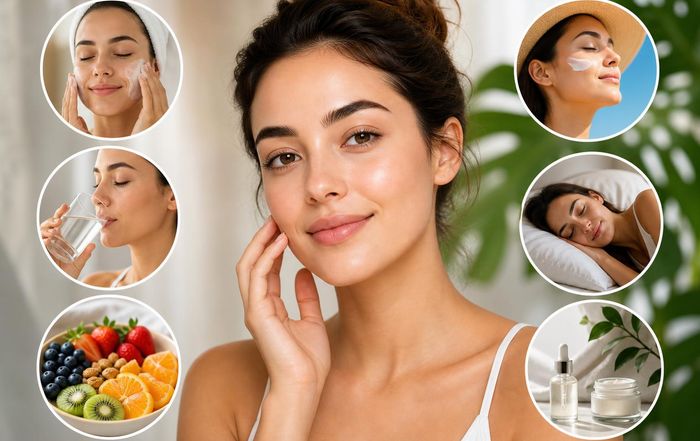
Daily Habits for Healthy Looking Skin in 2026: A Global, Science-Led Guide
The New Skin Health Mindset
In 2026, healthy looking skin has become a central pillar of overall wellbeing rather than a purely cosmetic ambition, and readers of wellnewtime.com increasingly view their skincare routines as an extension of how they eat, move, work, travel and age. Around the world, from the United States and the United Kingdom to Singapore, Germany, Australia and South Korea, consumers are shifting from quick fixes to daily, sustainable habits that protect the skin barrier, support mental health and align with environmental and ethical values. This evolution is supported by advances in dermatology, behavioral science and wellness research, which together show that glowing, resilient skin is less about occasional expensive treatments and more about consistent, evidence-based routines anchored in sleep, nutrition, stress management and smart topical care.
As a platform dedicated to integrated wellbeing, Well New Time is uniquely positioned to explore how daily routines can be designed to support skin health from multiple angles, bringing together insights from dermatology, psychology, fitness, mindfulness and sustainable lifestyle choices. Readers who already engage with resources on wellness, health, fitness and lifestyle will recognize that the same habits that protect the heart, brain and immune system are also those that preserve elasticity, even tone and radiance of the skin over time.
Understanding Skin as a Living, Global Organ
Healthy looking skin begins with understanding that the skin is a living, dynamic organ that reflects both internal physiology and external exposures. Dermatologists at organizations such as the American Academy of Dermatology explain that the skin barrier, composed of lipids, proteins and tightly packed cells, acts as the body's first line of defense against pathogens, pollution and ultraviolet radiation, while also regulating hydration and temperature. Learn more about the structure and function of skin through resources from the American Academy of Dermatology.
In Europe and Asia, research groups supported by institutions like the European Academy of Dermatology and Venereology and the Japanese Dermatological Association have highlighted how climate, humidity, air quality and cultural habits influence both skin conditions and perceptions of beauty. For example, urban residents in cities such as London, Paris, Seoul, Beijing and New York are exposed to higher levels of particulate matter, nitrogen dioxide and ozone, which accelerate oxidative stress and can contribute to pigmentation, fine lines and dullness. Readers can explore global data on air pollution and health through the World Health Organization to better understand the environmental context in which their skin ages.
By recognizing the skin as both a mirror and a shield, individuals are better able to appreciate why daily habits must address internal and external factors simultaneously, and why an integrated approach, such as that promoted by Well New Time, offers a more sustainable path to visible results.
Morning Rituals: Setting Up the Skin for the Day
A powerful daily skin habit begins with a structured morning ritual that respects the skin barrier while preparing it for environmental stressors. Across North America, Europe and Asia, leading dermatologists emphasize that a simplified but consistent sequence of gentle cleansing, targeted treatment and broad-spectrum sun protection can deliver more reliable benefits than complex, ever-changing product lineups.
Upon waking, a mild, pH-balanced cleanser removes overnight sweat, sebum and skincare residues without stripping essential lipids. Evidence from clinical studies catalogued in resources such as the National Institutes of Health database shows that over-cleansing, particularly with harsh surfactants, disrupts the microbiome and increases transepidermal water loss, which in turn can lead to irritation and premature aging. Readers can review emerging science on the skin microbiome and barrier function through the National Center for Biotechnology Information.
After cleansing, many experts recommend a hydrating, antioxidant-rich serum or lotion containing ingredients such as vitamin C, niacinamide or polyphenols, which help neutralize free radicals generated by ultraviolet radiation and pollution. Organizations like the British Association of Dermatologists and the Canadian Dermatology Association have published patient guidance on the role of antioxidants and barrier-supporting ingredients, and readers can learn more about evidence-based skincare actives via the British Association of Dermatologists.
The non-negotiable final step is sunscreen. In 2026, broad-spectrum SPF 30 or higher is widely recognized as the single most important topical product for maintaining youthful, even-toned skin, regardless of gender, age or ethnicity. The Skin Cancer Foundation and the Cancer Council Australia both emphasize that daily sunscreen use reduces risk of skin cancers and photoaging, even in countries with cooler climates such as the United Kingdom, Sweden or Canada. Those interested in detailed recommendations on sun protection, including for darker skin tones, can explore the Skin Cancer Foundation.
For readers of Well New Time who travel frequently for business or leisure, adapting the morning routine to destination climate is critical. In humid regions like Thailand or Singapore, lighter, non-comedogenic formulations may be preferable, whereas in drier climates such as the American Southwest, South Africa or parts of the Middle East, richer moisturizers and humectants like glycerin and hyaluronic acid can help maintain hydration. Integrating skin-conscious planning into itineraries aligns naturally with the platform's focus on travel and holistic lifestyle design.
Nutrition and Hydration: Feeding the Skin from Within
While topical products play a visible role, long-term skin health is profoundly influenced by daily dietary choices. Research from organizations like the Harvard T.H. Chan School of Public Health and the European Society for Clinical Nutrition and Metabolism indicates that diets rich in colorful fruits and vegetables, omega-3 fatty acids, lean proteins and whole grains are associated with better skin elasticity, reduced inflammation and slower appearance of wrinkles. Readers can explore comprehensive guidance on healthy dietary patterns through Harvard's nutrition resources.
Antioxidant-rich foods such as berries, leafy greens, tomatoes and citrus help combat oxidative stress, while omega-3 sources like fatty fish, walnuts and flaxseeds support cell membrane integrity and may reduce inflammatory skin conditions. At the same time, high glycemic load diets, ultra-processed foods and excessive added sugars have been linked to acne flares and glycation of collagen, especially in younger populations in the United States, Brazil and parts of Asia. To understand the broader health implications of dietary patterns, readers can consult the World Cancer Research Fund, which synthesizes evidence on nutrition, metabolism and chronic disease.
Hydration is another daily habit with visible impact. Although exaggerated claims about specific water volumes are common, organizations such as the Mayo Clinic and National Health Service in the United Kingdom agree that steady intake of water and hydrating foods supports circulation and helps the skin maintain plumpness and resilience. Those interested in nuanced guidance on hydration, including for athletes and active professionals, can learn more via the Mayo Clinic.
For the Well New Time audience, which often integrates wellness with demanding careers and active lifestyles, aligning meals and hydration with skin health is a practical extension of broader goals discussed in sections on health, fitness and lifestyle. Developing simple routines, such as including a portion of vegetables at every meal, choosing oily fish several times per week and keeping a water bottle accessible during work and travel, can deliver incremental but cumulative benefits for skin appearance.
Movement, Circulation and the Skin-Fitness Connection
Regular physical activity is widely known to support cardiovascular and metabolic health, but its impact on skin appearance is increasingly recognized in 2026. Exercise improves blood flow, delivering oxygen and nutrients to skin cells while supporting lymphatic drainage and waste removal. Studies referenced by organizations such as the American College of Sports Medicine and World Heart Federation suggest that consistent moderate-intensity exercise is associated with healthier, more elastic skin, even in older adults. Those wishing to explore the systemic benefits of activity can review resources from the American College of Sports Medicine.
However, there is a balance to strike. Excessive high-intensity training without adequate recovery can increase cortisol levels and oxidative stress, potentially exacerbating inflammatory skin conditions in susceptible individuals. Sweating itself is not harmful and may even help clear pores, but leaving sweat, dirt and occlusive makeup on the skin for extended periods can contribute to breakouts. Simple habits such as removing makeup before workouts and gently cleansing the face and body afterwards help maintain clarity and comfort.
The global community that follows Well New Time often combines fitness with travel, outdoor sports and urban commuting, from cycling in Amsterdam to running in Sydney or hiking in the Alps. Integrating skin-supportive practices into these activities, such as applying water-resistant sunscreen, wearing protective clothing and re-hydrating promptly, aligns with the platform's broader guidance on wellness and travel, and reflects a modern, performance-oriented approach to appearance and health.
Sleep, Stress and the Mind-Skin Axis
One of the most significant shifts in skin health thinking over the past decade has been the recognition of the mind-skin axis. Dermatologists and psychologists working with organizations such as the International Society of Dermatology and the American Psychological Association have documented how chronic stress, anxiety and sleep deprivation can trigger or worsen conditions such as acne, eczema, psoriasis and rosacea, while also dulling complexion and accelerating visible aging. Readers can learn more about the interaction between psychological stress and health outcomes via the American Psychological Association.
During deep sleep, the body increases blood flow to the skin, repairs cellular damage and regulates hormones that influence sebum production and inflammation. Short, fragmented or poor-quality sleep, which is prevalent among professionals in major cities from New York to Tokyo, disrupts these processes. Guidance from organizations such as the National Sleep Foundation and Sleep Foundation emphasizes that adults generally benefit from seven to nine hours of consistent, high-quality sleep, with regular bedtimes and wake times. Those seeking detailed recommendations can explore resources from the Sleep Foundation.
Mindfulness, meditation and breathing practices, frequently discussed in the mindfulness section of Well New Time, offer practical tools for moderating stress responses and supporting healthy skin. Research curated by institutions like UCLA Mindful Awareness Research Center and Oxford Mindfulness Centre indicates that regular mindfulness practice can reduce perceived stress, improve sleep quality and indirectly support clearer, calmer skin. Readers interested in integrating meditation into their routines can explore introductory resources from UCLA Health's mindfulness program.
For many readers in Europe, Asia, North America and beyond, adopting a nightly digital curfew, limiting late-evening work, and incorporating brief relaxation exercises can become as fundamental to skin health as moisturizer and cleanser, aligning emotional wellbeing with visible radiance.
Evening Care: Repair, Renewal and Ritual
If the morning routine is about protection, the evening routine focuses on repair and renewal. Throughout the day, the skin accumulates pollutants, sunscreen, makeup and sweat, and failing to remove these thoroughly can impair barrier function and contribute to irritation and congestion. Dermatological associations across regions, including the American Academy of Dermatology and the Australasian College of Dermatologists, advise gentle but effective cleansing at night, sometimes using a two-step approach that combines an oil-based cleanser followed by a water-based cleanser, particularly for those who wear long-wear makeup or mineral sunscreen. Readers can learn more about best practices for cleansing and barrier protection at the Australasian College of Dermatologists.
Nighttime is also when many active ingredients, such as retinoids, gentle exfoliants and peptides, are most effectively used. Prescription and over-the-counter retinoids, supported by decades of research summarized in clinical guidelines from the American Academy of Dermatology and European Dermatology Forum, have been shown to improve fine lines, uneven pigmentation and texture when used consistently and with appropriate sun protection during the day. Those interested in understanding the mechanism and safety profile of retinoids can explore scientific overviews via the National Institutes of Health.
However, stronger does not always mean better. Over-exfoliation and aggressive use of multiple actives can compromise the skin barrier, leading to redness, flaking and sensitivity. Many dermatologists now recommend cycling active ingredients, prioritizing barrier repair and listening to the skin's tolerance signals. Incorporating a well-formulated moisturizer containing ceramides, cholesterol and fatty acids, particularly in colder climates such as Scandinavia, Canada or Northern Europe, helps reinforce the barrier overnight.
For readers of Well New Time who value ritual and self-care, the evening skincare routine can become a calming, mindful practice that bridges the day's demands and restorative sleep. This aligns naturally with the platform's focus on beauty and wellness, encouraging a relationship with skincare that is both scientifically grounded and emotionally nourishing.
Touch, Massage and the Role of Professional Care
Daily habits for healthy looking skin extend beyond products and into the realm of touch and professional treatments. Facial massage, whether performed at home or by experienced therapists, can temporarily enhance circulation, reduce feelings of puffiness and provide a sense of relaxation that supports the mind-skin axis. Techniques rooted in traditions from Japan, South Korea, Thailand and Europe have gained global popularity, and when performed gently with appropriate oils or creams, they can complement a consistent skincare regimen.
Evidence for the long-term structural effects of facial massage is still emerging, but organizations such as the International Spa Association and Global Wellness Institute highlight the broader benefits of massage for stress reduction, sleep and overall wellbeing. Readers can explore the evolving role of massage in integrated wellness through the Global Wellness Institute. On Well New Time, discussions in the massage and wellness sections often emphasize that treatments are most effective when seen as complements to, rather than substitutes for, consistent daily habits.
Professional dermatological care also plays a critical role. Regular skin examinations, especially for individuals with significant sun exposure or a family history of skin cancer, are strongly recommended by organizations such as the U.S. Centers for Disease Control and Prevention and Cancer Research UK. Those seeking guidance on skin cancer screening and mole checks can consult Cancer Research UK. In addition, dermatologists can tailor routines for specific concerns such as acne, melasma, rosacea or aging, taking into account skin type, ethnicity, climate and lifestyle factors across regions from North America to Asia and Africa.
By blending at-home rituals with periodic professional support, readers can build a layered approach to skin health that is both personalized and grounded in clinical expertise.
Environment, Sustainability and Ethical Skin Health
In 2026, conversations about daily skincare habits increasingly intersect with environmental and ethical concerns, reflecting the priorities of a global audience that cares about both personal wellbeing and planetary health. Consumers in Europe, North America, Asia and Oceania are more aware than ever of issues such as microplastics, reef-safe sunscreens, packaging waste and the carbon footprint of beauty supply chains.
Organizations like the United Nations Environment Programme and Environmental Working Group have drawn attention to the environmental impact of certain cosmetic ingredients and packaging choices, encouraging both companies and consumers to make more sustainable decisions. Readers can learn more about broader sustainable consumption and environmental health through the United Nations Environment Programme. On Well New Time, the environment and brands sections increasingly highlight companies that prioritize biodegradable formulas, refillable packaging, responsible sourcing and transparent ingredient lists.
Ethical considerations extend to animal testing, labor practices and diversity in clinical testing. Certifications from organizations such as Leaping Bunny and Fairtrade International help consumers in countries like Germany, France, the Netherlands, South Africa and Brazil identify products that align with their values. Those interested in cruelty-free standards can review information from Cruelty Free International.
By choosing brands that are transparent, science-driven and environmentally responsible, readers support a broader ecosystem in which daily skin habits contribute not only to personal radiance but also to global wellbeing, reinforcing the mission of Well New Time to integrate individual and planetary health.
Personalizing Daily Habits Across Regions and Life Stages
Although the core principles of skin health are universal, the specific daily habits that work best vary by region, skin type, age and lifestyle. In humid climates such as Malaysia, Thailand and parts of Brazil, lighter textures and focus on oil control and pollution protection may be prioritized, whereas in colder regions like Finland, Norway and Canada, richer emollients and barrier repair are central. In high-UV environments such as Australia, New Zealand and South Africa, sun protection and regular skin checks become especially critical.
Life stages also matter. Teenagers and young adults may focus more on acne, oil control and sun avoidance, while professionals in their thirties and forties often prioritize early signs of aging, stress management and work-travel balance. Older adults may concentrate on dryness, thinning skin and monitoring for skin cancers. Organizations like the Cleveland Clinic and Johns Hopkins Medicine offer age-specific dermatology guidance, and readers can explore overviews of skin concerns by decade through resources such as Cleveland Clinic.
For the diverse global audience of Well New Time, the most effective approach is not to copy a single routine seen on social media, but to build a flexible framework grounded in science and then adapt it to local climate, cultural practices and personal preferences. The platform's coverage of world, innovation and business trends helps readers stay informed about new technologies, ingredients and regulatory developments that may influence their skincare decisions in the coming years.
Integrating Skin Health into a Holistic Wellbeing Strategy
Ultimately, daily habits for healthy looking skin are most powerful when integrated into a comprehensive wellbeing strategy that spans nutrition, movement, sleep, stress management, environmental awareness and ethical consumption. The same routines that support cardiovascular health, metabolic balance and mental resilience are those that preserve collagen, maintain barrier integrity and promote a clear, luminous complexion.
As readers navigate demanding careers, family responsibilities and global travel, Well New Time encourages them to view skincare not as an isolated vanity project but as a visible indicator of how well their overall lifestyle is aligned with their values and biological needs. By combining consistent morning and evening routines, thoughtful nutrition and hydration, regular physical activity, restorative sleep, mindful stress management, occasional professional care and conscious product choices, individuals across continents-from the United States, Canada and the United Kingdom to Germany, Singapore, Japan, South Africa and beyond-can cultivate skin that not only looks healthier today but remains resilient in the years ahead.
In this integrated perspective, every day becomes an opportunity to reinforce the connection between inner health and outer appearance, and Well New Time serves as a trusted partner, offering ongoing guidance across wellness, health, beauty, lifestyle and related domains, helping readers transform informed knowledge into sustainable daily habits for truly healthy looking skin.