

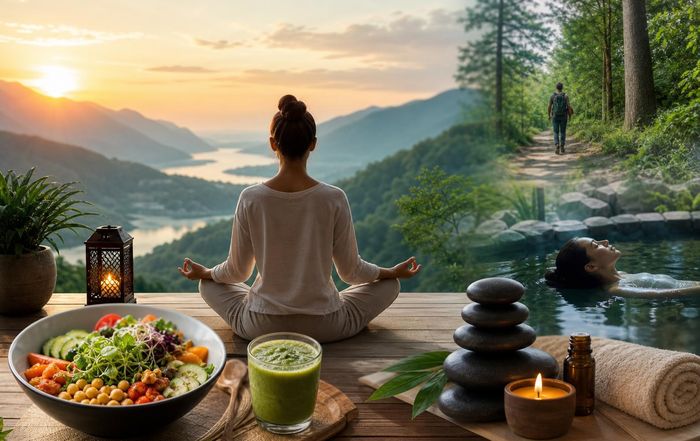
Wellness Travel Beyond Luxury Experiences: Redefining Wellbeing in Motion
The New Era of Wellness Travel
Wellness travel has evolved far beyond the image of infinity pools, five-star spas, and exclusive retreats reserved for a privileged few. Around the world, from the United States and United Kingdom to Germany, Singapore, and New Zealand, a more grounded, inclusive and science-informed understanding of wellbeing on the move has taken root. Travelers are no longer satisfied with superficial pampering; they increasingly seek experiences that support long-term physical health, mental resilience, emotional balance, and a more meaningful connection with people and places. For wellnewtime, which sits at the intersection of wellness, health, lifestyle, and business, this shift marks a critical moment to redefine what it means to travel well and live well in an interconnected global landscape.
This new paradigm is shaped by converging forces: advances in health science, rising awareness of mental health, digital work flexibility, climate concerns, and a maturing wellness industry that is being held to higher standards of evidence, transparency, and ethics. As organizations such as the World Health Organization emphasize more holistic definitions of health that extend beyond the absence of disease, travelers are learning to align their journeys with long-term wellbeing goals rather than short-lived indulgence. Learn more about integrated health perspectives on the World Health Organization website.
Within this context, wellnewtime.com is positioning wellness travel not as a niche luxury category but as a practical, accessible dimension of everyday life that touches fitness, mental health, nutrition, sleep, work, and even career choices. Readers exploring the platform's dedicated sections on wellness, health, and lifestyle increasingly expect guidance that bridges aspiration with evidence, and inspiration with realistic planning.
From Luxury Escapes to Everyday Wellbeing Journeys
The first major shift in wellness travel is the move from occasional luxury escapes to more frequent, everyday wellbeing journeys that can be tailored to different budgets and life stages. Instead of saving for a once-in-a-decade retreat, many individuals in North America, Europe, and Asia now integrate short wellness-focused trips into their annual routines, combining remote work, family visits, and restorative breaks in ways that were not common before the rise of hybrid work models. This change is visible in the growth of mid-range wellness accommodations, health-focused city breaks, and nature-based experiences across countries such as Canada, Spain, Thailand, and South Africa.
Organizations like Booking Holdings and Airbnb have reported increasing demand for stays near hiking trails, hot springs, and cycling routes, while wellness-focused urban hotels in cities like London, Berlin, Singapore, and Sydney now emphasize sleep quality, air purification, and healthy dining options as strongly as they emphasize design. To understand how travel patterns are changing globally, readers can explore current trends through resources such as the UN World Tourism Organization, which tracks how wellbeing and sustainability are reshaping tourism flows.
For wellnewtime.com, this democratization of wellness travel aligns closely with the platform's mission to make wellbeing accessible and actionable. Rather than focusing solely on ultra-premium spa resorts, the editorial perspective emphasizes realistic itineraries, evidence-based self-care strategies on the road, and city or nature escapes that support fitness, mental clarity, and emotional balance without requiring extravagant budgets. Readers who are already following the site's travel and fitness sections are increasingly looking for guidance on how to merge movement, exploration, and recovery into a coherent lifestyle.
The Science-Backed Foundations of Wellness Travel
Experience alone is no longer sufficient to define wellness travel; travelers in 2026 demand a foundation of credible science that supports claims about stress reduction, immune support, sleep improvement, and cognitive benefits. In response, destinations and brands are turning to research from institutions and organizations such as Harvard Medical School, Mayo Clinic, and the American College of Sports Medicine, which provide evidence for the benefits of physical activity, mindfulness, and exposure to nature. Those interested in the physiological impact of exercise while traveling can explore resources from the American College of Sports Medicine.
The growing body of research on "blue spaces" and "green spaces" underscores how proximity to oceans, lakes, forests, and parks can reduce stress hormones, improve mood, and even enhance cardiovascular health. Studies highlighted by Harvard T.H. Chan School of Public Health and Stanford University have shown that time in nature can support cognitive restoration and creativity, which in turn makes wellness travel especially relevant for professionals in high-pressure roles who need to sustain performance over the long term. Readers can learn more about the mental health benefits of nature exposure through resources such as Harvard Health Publishing.
Mental health, once a peripheral topic in travel marketing, is now central. Organizations like Mind in the UK and the National Alliance on Mental Illness in the US have helped normalize discussions around anxiety, burnout, and depression, which has led to travelers seeking environments and programs that support emotional wellbeing, not just physical relaxation. Evidence-based mindfulness practices, cognitive-behavioral techniques, and digital mental health tools are increasingly incorporated into retreat programs and even airline wellness offerings. Those wishing to understand more about evidence-based mental health strategies can explore resources from the National Institute of Mental Health.
On wellnewtime.com, this emphasis on science translates into editorial choices that prioritize trustworthy information over trends. Articles in the health and mindfulness sections seek to explain the mechanisms behind stress, sleep, and recovery, empowering readers to select travel experiences that align with their specific needs, whether they are managing chronic conditions, recovering from burnout, or simply aiming to maintain healthy habits on the road.
Mindfulness and Mental Resilience on the Move
Mindfulness has moved from the meditation cushion into airports, hotel rooms, train carriages, and digital nomad hubs across continents. In the US, UK, Germany, Sweden, and Japan, a growing number of travelers use breathing exercises, short meditations, and journaling as anchors during transit and in unfamiliar environments. This is not only a lifestyle trend; research from organizations such as University of Oxford and UCLA Mindful Awareness Research Center has provided robust evidence that mindfulness practices can reduce anxiety, improve sleep, and enhance emotional regulation. Those seeking deeper insight into mindfulness research can explore the UCLA Mindful Awareness Research Center.
Wellness travel operators are responding by integrating structured mindfulness components into city retreats, nature-based trips, and even business travel packages. In Singapore, Seoul, and Copenhagen, hotels are offering guided audio meditations and dedicated quiet spaces, while in Australia, Canada, and New Zealand, nature lodges are combining forest bathing with contemplative practices that encourage travelers to slow down and fully inhabit the present moment. This approach is especially resonant for professionals from high-intensity sectors such as finance, technology, and healthcare, who often travel frequently and risk chronic stress if they do not proactively manage their mental load.
For wellnewtime.com, mindfulness is not framed as a separate spiritual pursuit but as a practical, evidence-supported skill that enhances every dimension of travel, from navigating jet lag to deepening cultural experiences. The platform's mindfulness and wellness content encourages readers to treat each journey as an opportunity to practice presence, cultivate gratitude, and reset mental habits that may be difficult to shift in everyday routines at home.
Fitness, Movement, and the Physiology of Travel
Physical movement is increasingly recognized as a non-negotiable pillar of wellness travel, particularly as sedentary lifestyles and desk-based work remain prevalent in North America, Europe, and Asia. Long flights, extended meetings, and digital work marathons can compromise circulation, joint health, and metabolic balance, making intentional activity during travel essential rather than optional. Organizations such as the World Heart Federation and Centers for Disease Control and Prevention emphasize that regular movement is critical for cardiovascular health and the prevention of non-communicable diseases. Readers can learn more about global physical activity guidelines through the World Health Organization's physical activity recommendations.
Wellness travel today encompasses structured fitness experiences such as hiking retreats in the Alps, cycling tours in Italy and the Netherlands, yoga and Pilates escapes in Bali and Thailand, and surf camps in Portugal, Australia, and Costa Rica. At the same time, it extends to more accessible practices: walking-focused city itineraries in Paris, Barcelona, or Tokyo; hotel-room strength routines; and community fitness classes that allow travelers to connect with local residents while maintaining physical conditioning.
For wellnewtime.com, the integration of travel and movement is a central editorial theme. The fitness section highlights how travelers can design itineraries that prioritize walking routes, active excursions, and recovery strategies such as stretching, mobility work, and massage. The platform also explores how technology, from wearables to evidence-based fitness apps, can help travelers in countries like the United States, Germany, and South Korea monitor sleep, heart rate variability, and activity levels, thereby transforming each trip into a data-informed experiment in personal health optimization.
Beyond Spas: Massage, Recovery, and Somatic Wellbeing
While luxury spas once defined the public image of wellness travel, the conversation in 2026 has expanded to include more comprehensive approaches to recovery and somatic wellbeing. Massage remains a powerful modality, but it is now framed within a broader context of musculoskeletal health, nervous system regulation, and post-exercise recovery. Research highlighted by institutions such as Cleveland Clinic and Johns Hopkins Medicine has explored how massage and manual therapies can support pain management, circulation, and stress reduction, especially for individuals with high travel loads or intensive fitness routines. Those interested in the therapeutic benefits of massage can explore resources from Cleveland Clinic.
In countries such as Thailand, Japan, and Sweden, traditional massage practices have been integrated into modern wellness programs that combine movement, stretching, and breathwork. Meanwhile, in the US, Canada, and the UK, sports massage and myofascial release are increasingly offered in wellness-focused hotels and retreat centers, catering to travelers who combine adventure activities with targeted recovery. This shift reflects a more sophisticated understanding of the body, where touch-based therapies are aligned with exercise science, ergonomics, and stress physiology.
For readers of wellnewtime.com, the massage and wellness sections provide guidance on how to choose qualified practitioners, understand different modalities, and integrate massage into a holistic travel plan that includes sleep hygiene, hydration, and mindful movement. This perspective reinforces the platform's commitment to expertise and safety, helping travelers distinguish between superficial relaxation and truly therapeutic experiences.
Sustainable and Regenerative Wellness Travel
In 2026, wellness travel cannot credibly claim to support wellbeing if it ignores environmental and social impact. Travelers from Europe, North America, and Asia are increasingly aware that their choices influence local ecosystems, communities, and cultures, and they are scrutinizing whether wellness-branded experiences genuinely align with sustainability principles. Organizations such as the Global Sustainable Tourism Council and the World Wildlife Fund have played a significant role in defining standards and highlighting the intersection between human wellbeing and planetary health. Learn more about sustainable tourism principles on the Global Sustainable Tourism Council website.
Regenerative travel, which goes beyond minimizing harm to actively restoring ecosystems and supporting local economies, is emerging as a natural evolution of wellness travel. In destinations from Costa Rica and Brazil to South Africa and New Zealand, eco-lodges, community-based tourism initiatives, and conservation-focused retreats invite travelers to participate in reforestation, wildlife monitoring, and cultural preservation. This approach resonates strongly with wellness-minded travelers who understand that personal health is inseparable from the health of forests, oceans, and urban environments.
For wellnewtime.com, sustainability is not a separate topic but a core dimension of wellbeing. The platform's environment and travel sections emphasize low-impact itineraries, responsible wildlife experiences, and partnerships with organizations that adhere to credible environmental and social standards. Readers are encouraged to view every wellness journey as an opportunity to contribute positively to host communities, whether through fair employment, local sourcing, or support for cultural heritage.
Business, Brands, and the Professionalization of Wellness Travel
The wellness travel sector has matured into a complex ecosystem of brands, investors, and innovators that must balance commercial objectives with authenticity and trust. Global companies such as Accor, Hyatt, and Marriott International have expanded their wellness offerings, while specialized brands, from boutique retreat operators to digital wellness platforms, compete to deliver differentiated value. At the same time, corporate travel programs and employers in the US, Europe, and Asia increasingly view wellness-oriented travel policies as strategic tools for talent retention, productivity, and mental health.
Industry bodies such as the Global Wellness Institute and World Travel & Tourism Council have contributed research, frameworks, and data that help stakeholders understand market size, consumer expectations, and best practices. Those who wish to explore the economic and strategic dimensions of wellness travel can refer to insights from the Global Wellness Institute. These organizations highlight that wellness travelers tend to stay longer, spend more, and show greater interest in local culture and nature, which can make them valuable segments for destinations seeking sustainable growth.
For wellnewtime.com, which maintains a dedicated business and brands focus, this professionalization of wellness travel is an important editorial frontier. The platform examines how brands communicate their wellness value propositions, how they integrate scientific expertise, and how they ensure safety and ethical standards across global operations. It also explores emerging business models such as subscription-based retreat memberships, wellness-focused co-living spaces, and hybrid travel-work-wellness packages designed for remote professionals.
Wellness Travel and the Future of Work
The evolving nature of work is one of the most powerful drivers behind the transformation of wellness travel. Remote and hybrid work models, now well established in the United States, Canada, the UK, Germany, and across parts of Asia-Pacific, have enabled professionals to relocate temporarily or permanently while maintaining employment. This has given rise to "work-wellness" journeys that combine productivity, exploration, and self-care over weeks or months rather than days. Governments in countries such as Portugal, Estonia, and Costa Rica have introduced digital nomad visas, while cities like Lisbon, Barcelona, and Chiang Mai have become hubs for professionals seeking community, sunlight, and a healthier pace of life.
At the same time, organizations are rethinking corporate travel policies, integrating wellness considerations such as schedule flexibility, access to healthy food, time for recovery after long-haul flights, and support for mental health. Research from bodies like the International Labour Organization and OECD has highlighted the risks of burnout and the importance of work-life balance, leading forward-thinking employers to view wellness travel elements as integral to employee wellbeing strategies. Those interested in the intersection of work and health can explore resources from the International Labour Organization.
Within this changing landscape, wellnewtime.com addresses both individual professionals and employers through its jobs, business, and world coverage. The platform explores how individuals can design travel that supports performance and recovery, and how organizations can embed wellness into mobility policies, leadership development programs, and global team gatherings. This perspective reinforces the idea that wellness travel is not a temporary escape from work, but a way to integrate work and life more harmoniously across borders.
Personalization, Data, and the Role of Innovation
Innovation is rapidly reshaping how wellness travel is designed, delivered, and evaluated. Wearable devices, health apps, and digital platforms now allow travelers to monitor key metrics such as sleep quality, stress levels, heart rate variability, and activity patterns in real time, enabling more personalized decisions about rest, movement, and nutrition. Companies in the health technology space, from Apple and Garmin to specialized wellness platforms, are integrating with hospitality and travel services to create seamless experiences that adjust to individual needs. Learn more about digital health trends through organizations such as the World Economic Forum.
Artificial intelligence and data analytics are also being used by destinations and brands to tailor recommendations, optimize itineraries, and predict when travelers may need extra support or downtime. In Asia, Europe, and North America, some wellness resorts now use pre-arrival health questionnaires, optional biometric assessments, and ongoing digital coaching to design programs that address specific goals such as metabolic health, stress reduction, or post-injury recovery. This level of personalization can significantly enhance outcomes, but it also raises questions about data privacy, consent, and equity of access.
For wellnewtime.com, which maintains a forward-looking innovation lens, technology is viewed as a tool that must be guided by ethical principles and robust evidence. The platform explores both the potential and the limitations of AI-driven recommendations, digital therapeutics, and remote coaching, encouraging readers to maintain agency over their data and to prioritize partnerships with organizations that demonstrate transparency and accountability.
How Wellnewtime.com Curates Wellness Travel for a Global Audience
The audience of wellnewtime.com is global, spanning regions from North America and Europe to Asia, Africa, and South America, with particular interest in countries such as the United States, United Kingdom, Germany, Canada, Australia, France, Italy, Spain, Netherlands, Switzerland, China, Sweden, Norway, Singapore, Denmark, South Korea, Japan, Thailand, Finland, South Africa, Brazil, Malaysia, and New Zealand. This diversity requires a nuanced approach to wellness travel coverage that respects cultural differences, varying levels of infrastructure, and distinct health priorities.
Within this global context, the platform's editorial strategy is to integrate wellness travel into a broader ecosystem of content that includes wellness, health, fitness, beauty, lifestyle, environment, and news. This interconnected approach reflects the reality that a trip to a forest retreat in Finland, a yoga weekend in Italy, or a mindfulness-focused city break in Tokyo cannot be isolated from everyday habits, workplace dynamics, or long-term health strategies.
By emphasizing experience, expertise, authoritativeness, and trustworthiness, wellnewtime.com aims to serve as a reliable companion for readers who want to travel with intention and integrity. The platform showcases destinations and brands that demonstrate clear commitments to safety, scientific grounding, environmental responsibility, and cultural respect, while offering practical guidance on how to prepare physically and mentally for wellness-focused journeys.
Wellness Travel as a Lifelong Practice
As of today, wellness travel is no longer a trend but an evolving practice that mirrors deeper shifts in how people across continents understand health, work, and meaning. From the beaches of Australia and Brazil to the mountains of Switzerland and Japan, travelers are seeking experiences that align with their values, support their bodies and minds, and contribute positively to the places they visit. Luxury still has a role, but it is increasingly defined by depth, authenticity, and impact rather than by excess.
For us here the path forward involves continuing to refine and expand its coverage of wellness travel as part of a holistic vision of modern living. By drawing on credible science, engaging with innovative brands and destinations, and listening closely to the evolving needs of its global readership, the platform is positioned to guide individuals and organizations toward travel experiences that are not only enjoyable but genuinely transformative.
In this sense, wellness travel beyond luxury experiences becomes a way of inhabiting the world: an ongoing commitment to move, rest, connect, and contribute in ways that honor both personal wellbeing and the wellbeing of the planet.