

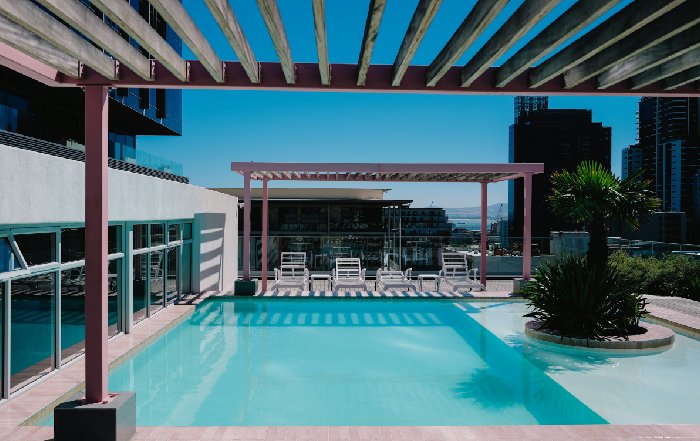
The Modern Transformation of the Urban Spa
Urban Spas at the Center of a Changing World
The urban spa has moved far beyond its origins as a quiet escape from city life and has become a strategic hub where wellness, technology, sustainability, and lifestyle converge in ways that reflect profound shifts in how people live and work. In major cities from New York and London to Singapore, Berlin, and São Paulo, the spa is no longer a peripheral luxury but a core component of the emerging "well-living" economy, addressing not only relaxation and beauty but also mental resilience, workplace performance, environmental responsibility, and community connection. For WellNewTime.com, which has consistently explored the intersection of wellness, business, and innovation, the transformation of the urban spa provides a powerful lens through which to understand broader changes in health-conscious urban living and the expectations of sophisticated consumers across North America, Europe, Asia, and beyond.
This evolution is being shaped by demographic shifts, advances in health science, the normalization of hybrid and remote work, and the growing recognition of stress, burnout, and loneliness as systemic risks to both individuals and organizations. Urban spas are responding by blending evidence-based therapies, digital tools, personalized data, and holistic lifestyle guidance, turning what was once a periodic indulgence into an integrated part of a long-term wellness strategy. As global institutions such as the World Health Organization highlight the economic and social costs of poor mental health and chronic disease, and as reports from the Global Wellness Institute underline the rapid growth of the wellness economy, the urban spa is emerging as a practical, locally rooted answer to global challenges that affect city dwellers from Toronto to Tokyo.
From Escape to Ecosystem: Redefining the Spa Experience
Historically, city spas were designed as temporary sanctuaries, places to step away from the demands of work and family for a massage, a facial, or a steam. Today, the leading operators in the United States, United Kingdom, Germany, Singapore, and elsewhere are reimagining the spa as an ecosystem that integrates massage, movement, nutrition, mental health support, and technology-enabled diagnostics, often in collaboration with medical professionals and wellness brands. This shift is visible in the way many urban spas now design their spaces, with open, multi-functional areas that support meditation sessions, breathwork classes, and educational workshops, alongside more traditional treatment rooms.
Consumers, empowered by access to high-quality health information from organizations such as the Mayo Clinic and Cleveland Clinic, are increasingly skeptical of vague wellness claims and expect transparency, measurable outcomes, and professional standards. Urban spa leaders have responded by investing in staff training, partnering with dermatologists, physiotherapists, and psychologists, and incorporating tools that allow clients to track sleep, stress, and recovery metrics over time. Learn more about the evolution of the global wellness economy at the Global Wellness Institute. For WellNewTime.com, which covers developments across wellness, health, and business, this trend illustrates how wellness is moving from a fragmented set of services to a coherent, data-informed ecosystem.
The Science-Backed Urban Sanctuary
One of the most significant changes in the modern urban spa is the growing emphasis on evidence-based practice. In cities such as London, New York, Zurich, and Seoul, leading spas are increasingly guided by research from institutions like Harvard T.H. Chan School of Public Health, which has documented the links between chronic stress, cardiovascular risk, and reduced life expectancy, and from the American Psychological Association, which has highlighted the mental health consequences of high-pressure urban lifestyles. As a result, spa menus are being restructured around outcomes such as improved sleep quality, reduced anxiety, enhanced mobility, and accelerated recovery from physical training, rather than simply listing a series of treatments by duration and price.
Massage therapies are tailored using insights from sports science and pain management, with practitioners drawing on resources such as the National Institutes of Health to understand musculoskeletal disorders and the role of manual therapy in rehabilitation. Urban clients who spend long hours at desks or on digital devices increasingly seek targeted interventions for neck, back, and eye strain, and spas are responding with integrated programs that combine therapeutic massage, stretching protocols, and ergonomic education. Those who want to explore the health benefits of regular massage can deepen their understanding through dedicated platforms such as the massage section of WellNewTime, where the focus is on connecting professional practice with real-world outcomes.
Integrating Mental Health, Mindfulness, and Emotional Resilience
The mental health dimension of the urban spa transformation is particularly pronounced in 2026, as organizations and individuals in the United States, Europe, and Asia confront the lingering effects of pandemic-era stress, economic volatility, and geopolitical uncertainty. According to data made available through the World Health Organization, anxiety and depression remain leading contributors to global disability, and urban environments often amplify these pressures through noise, congestion, and social isolation. In response, forward-thinking spas have begun to position themselves as accessible gateways to mental wellbeing, offering services that complement but do not replace clinical care.
Meditation rooms, guided mindfulness sessions, and breathwork workshops are now common in high-end facilities in cities such as Sydney, Paris, and Vancouver, often developed with input from psychologists or mindfulness teachers who draw on research from sources like Mindful.org and Greater Good Science Center at UC Berkeley. These practices are frequently integrated into broader spa journeys, where a client might begin with a short mindfulness exercise, proceed to a stress-relief massage, and conclude with a personalized plan that includes digital meditation tools and lifestyle recommendations. Readers interested in cultivating their own practices can explore resources on mindfulness and mental wellness, where WellNewTime.com examines practical strategies for building emotional resilience in demanding urban contexts.
Technology, Data, and Personalization in the Spa Experience
Digital transformation has reached the spa sector in ways that would have seemed unlikely a decade ago. In 2026, many urban spas in markets such as the United States, Germany, Singapore, and South Korea use technology not as a gimmick but as a means to deliver more personalized, efficient, and measurable experiences. Wearable devices and health apps allow clients to share sleep, heart rate variability, and activity data with spa practitioners, who can then recommend specific treatments and recovery protocols. The integration of such tools is often informed by guidance from organizations like Apple Health, Garmin, and WHO-endorsed digital health frameworks, which emphasize data privacy and user control.
Advanced skin analysis devices, popular in cities such as Tokyo, Seoul, and Milan, enable estheticians to design bespoke facials and skincare regimens based on objective measurements of hydration, pigmentation, and elasticity, often aligned with dermatological insights from the American Academy of Dermatology. Meanwhile, virtual reality relaxation experiences, AI-guided meditation, and biofeedback tools are being introduced to help clients manage anxiety and improve focus in ways that resonate with tech-savvy urban professionals. Those who want to understand how innovation is reshaping wellness can explore the innovation coverage on WellNewTime, where technology is consistently evaluated through the lens of human experience, safety, and long-term value rather than novelty alone.
The Rise of Preventive Health and Integrated Care
Another defining feature of the modern urban spa is its alignment with preventive health strategies that aim to reduce the burden of chronic disease and enhance quality of life over the long term. As healthcare systems in North America, Europe, and Asia grapple with aging populations and rising costs, there is growing recognition that prevention is not simply a medical issue but a lifestyle challenge that must be addressed where people live and work. Urban spas are increasingly collaborating with physicians, nutritionists, and fitness professionals to offer integrated programs that support metabolic health, cardiovascular fitness, and hormonal balance.
For example, in major hubs such as New York, London, Berlin, and Singapore, some spas now provide structured programs that combine regular massage, supervised exercise, nutritional coaching, and stress management training, often informed by guidelines from organizations like the American Heart Association and Public Health England. Learn more about evidence-based preventive health strategies through resources such as the U.S. Centers for Disease Control and Prevention. For readers who want to embed these principles in their own routines, the health section of WellNewTime offers analysis of how urban dwellers can use spa services as part of a broader preventive approach, rather than waiting for symptoms or burnout to appear.
Fitness, Recovery, and Performance for the Urban Professional
The convergence of fitness and spa culture is particularly visible in cities with strong sports and outdoor lifestyles, such as Vancouver, Melbourne, Stockholm, and Barcelona, as well as in dense financial centers like New York and Hong Kong where performance and productivity are paramount. Urban spas are increasingly pairing massage and hydrotherapy with structured recovery protocols that support both amateur and professional athletes, as well as office workers who train intensively outside work hours. Recovery lounges with compression therapy, cryotherapy, infrared saunas, and contrast bathing are becoming common, and are often promoted not only as luxuries but as tools for reducing injury risk and supporting long-term physical capacity.
Sports science research from organizations such as the International Olympic Committee and Sports Medicine Australia has helped popularize the idea that recovery is an essential component of training, not an optional extra, and urban spas are translating this message into accessible services for busy clients. To deepen their understanding of performance and recovery, readers can explore fitness-focused content on WellNewTime.com, which examines how urban professionals in the United States, Europe, and Asia can integrate spa-based recovery into demanding schedules without compromising professional responsibilities.
Beauty, Identity, and Confidence in the Urban Context
Beauty services remain a core part of the urban spa offering, but the meaning of beauty is changing as clients in cities from Los Angeles and Toronto to Paris, Berlin, and Tokyo demand more inclusive, ethical, and health-conscious approaches. The modern urban spa increasingly treats beauty as a dimension of overall wellbeing and self-expression, rather than a narrow pursuit of perfection. This shift is supported by dermatological research and consumer advocacy that emphasize skin health, sun protection, and the psychological benefits of feeling comfortable in one's own appearance, with guidance from authorities such as the European Academy of Dermatology and Venereology.
Clean beauty, non-invasive treatments, and personalized skincare regimens are now central to many spa menus, with transparent ingredient lists and sustainability commitments that reflect growing consumer concern about environmental and ethical issues. Those who wish to explore these trends further can visit the beauty section of WellNewTime, where the focus is on connecting aesthetic treatments with confidence, identity, and long-term skin health rather than short-term trends. Learn more about responsible cosmetic practices from organizations such as the Environmental Working Group, which provides resources on ingredients and product safety for consumers in North America and beyond.
Sustainability, Environment, and the Responsible Urban Spa
Sustainability has moved from marketing language to operational imperative for serious urban spa operators in 2026, particularly in environmentally conscious markets such as the Nordics, Germany, the Netherlands, Canada, and New Zealand, as well as progressive cities in Asia and South America. As climate risks become more visible and consumers pay closer attention to the environmental footprint of their lifestyle choices, spas are under pressure to demonstrate responsible sourcing, energy efficiency, and waste reduction across their operations. This includes everything from the choice of building materials and water management systems to the selection of textiles, personal care products, and cleaning agents.
Many leading spas now align their strategies with frameworks such as the United Nations Sustainable Development Goals, emphasizing responsible consumption, clean water, and climate action. Learn more about sustainable business practices through resources provided by the UN Environment Programme and World Resources Institute, which offer guidance for companies seeking to reduce their environmental impact. WellNewTime.com has consistently highlighted the importance of environmental responsibility in its environment coverage, and the urban spa is a natural focal point for this discussion, as it directly connects personal wellbeing with planetary health in a tangible, experiential way.
Business Models, Brands, and the New Competitive Landscape
The transformation of the urban spa is not only experiential and technological; it is also strategic and financial. As the wellness economy grows, international hotel groups, independent operators, and emerging wellness brands are competing to capture market share in cities across North America, Europe, and Asia-Pacific. Global hospitality leaders such as Marriott International, Accor, and Hyatt have expanded their spa and wellness offerings, while specialized wellness brands and boutique operators differentiate themselves through niche positioning, such as biohacking, traditional medicine, or eco-luxury. Learn more about hospitality and wellness trends from organizations like Skift and McKinsey & Company, which analyze market shifts and consumer expectations.
Franchised spa chains continue to expand in markets such as the United States, Canada, and the United Kingdom, offering standardized experiences and strong brand recognition, while independent urban spas in cities like Berlin, Copenhagen, and Seoul often compete through hyper-localization, design innovation, and personalized service. For business leaders and entrepreneurs following WellNewTime.com, the business section provides context on how these models are evolving, how investors view the wellness sector, and which brands are gaining traction across different regions, from Europe and Asia to Africa and South America.
Employment, Skills, and the Future of Spa Careers
As urban spas become more sophisticated and integrated into broader health and lifestyle ecosystems, the skills required of their professionals are changing. Massage therapists, estheticians, spa managers, and wellness coaches are expected to understand not only their core modalities but also basic concepts in psychology, exercise science, nutrition, and digital tools, as well as customer experience and cross-cultural communication. This is particularly important in globally connected cities such as London, Dubai, Singapore, and New York, where clients come from diverse cultural backgrounds and have varied expectations shaped by different health systems and beauty standards.
Professional associations and educational institutions around the world are updating curricula to reflect these realities, often drawing on competency frameworks from organizations such as the International Spa Association and national vocational bodies. At the same time, the spa sector provides significant employment opportunities, particularly for women and younger workers, in regions such as Southeast Asia, Africa, and South America where tourism and wellness are growth industries. Those considering careers or transitions into the wellness and spa space can explore opportunities and trends through the jobs section of WellNewTime, which highlights the skills, certifications, and personal qualities that are increasingly valued in this evolving profession.
Urban Spas, Travel, and the Global Wellness Journey
Urban spas are also deeply connected to the broader growth of wellness tourism, as travelers from the United States, Europe, China, and the Middle East increasingly prioritize health, relaxation, and meaningful experiences when choosing destinations. Cities such as Bangkok, Tokyo, Barcelona, Cape Town, and Vancouver have become known not only for their cultural and culinary offerings but also for their sophisticated spa and wellness infrastructures, which combine local traditions with global best practices. Organizations like the World Travel & Tourism Council and UN World Tourism Organization have documented the expansion of wellness-focused travel and its economic impact on urban and regional economies.
For travelers who wish to integrate spa experiences into their journeys, WellNewTime.com provides guidance through its travel coverage, helping readers identify destinations and experiences that align with their values, whether they prioritize sustainability, traditional therapies, cutting-edge innovation, or discreet luxury. In this context, the urban spa becomes both a local anchor for residents and a gateway for visitors seeking to understand a city through the lens of its wellness culture, from traditional hammams in Istanbul to onsen-inspired facilities in Japan and contemporary recovery studios in New York or London.
The Role of Media and Platforms like WellNewTime.com
As the urban spa sector becomes more complex and globally interconnected, trusted information becomes critical for consumers, professionals, and investors who must navigate a landscape filled with competing claims and rapidly evolving standards. Platforms such as WellNewTime.com play a vital role in curating reliable insights, highlighting best practices, and connecting developments across wellness, beauty, fitness, environment, business, and innovation. By drawing on expertise from health authorities, academic institutions, and industry leaders, and by maintaining a clear focus on experience, expertise, authoritativeness, and trustworthiness, such platforms help readers distinguish between superficial trends and meaningful, sustainable transformation.
The site's integrated coverage of wellness, lifestyle, brands, and news enables readers to see how the modern urban spa fits into broader shifts in consumer behavior, workplace culture, and urban development. In a world where wellness has become both a personal priority and a strategic business issue, the ability to access clear, balanced, and globally informed analysis is essential, and WellNewTime.com positions itself as a trusted companion in that journey.
Looking Ahead: The Next Chapter of the Urban Spa
The modern transformation of the urban spa is well underway but far from complete. As technologies such as AI, biometric monitoring, and immersive environments continue to mature, and as public health challenges evolve in response to demographic and environmental changes, urban spas will need to remain agile, ethical, and deeply human-centered. The most successful operators in cities across the United States, United Kingdom, Germany, Canada, Australia, France, Italy, Spain, the Netherlands, Switzerland, China, Sweden, Norway, Singapore, Denmark, South Korea, Japan, Thailand, Finland, South Africa, Brazil, Malaysia, and New Zealand will be those who can balance innovation with evidence, luxury with accessibility, and individual care with planetary responsibility.
For readers of WellNewTime.com, the urban spa stands as a vivid example of how wellness is being woven into the fabric of everyday life, reshaping not only how people relax but how they work, travel, consume, and connect with others. As the site continues to track developments across wellness, business, environment, and innovation, the urban spa will remain a focal point where global trends become personal realities, and where the pursuit of a healthier, more balanced life finds concrete expression in the heart of the world's great cities. Those who wish to stay informed about this evolving landscape can continue to explore the breadth of content available on WellNewTime.com, where the modern story of urban wellbeing is being documented and interpreted for a discerning, globally minded audience.