

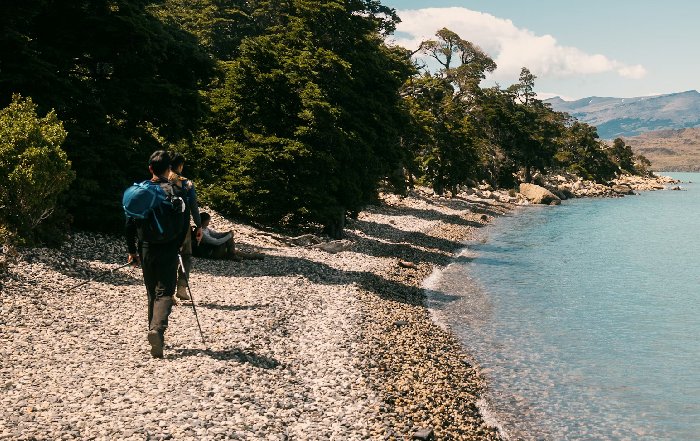
The Emergence of Health-Focused Journeys
Redefining Travel in a Health-Conscious World
Travel has moved far beyond the traditional pursuit of sightseeing and leisure, evolving into a powerful vehicle for personal transformation, preventive health, and professional renewal. Health-focused journeys, once a niche segment associated primarily with luxury spa retreats, have become a mainstream global movement shaped by converging trends in public health, workplace culture, technology, and consumer expectations. As readers of WellNewTime already sense through their interest in wellness, fitness, mindfulness, lifestyle, and innovation, travel is increasingly evaluated not only by the memories it creates but by the measurable impact it has on physical, mental, and emotional wellbeing.
This shift has been accelerated by demographic changes, the lingering psychological imprint of the COVID-19 pandemic, and the growing evidence base around lifestyle medicine and preventive care. Organizations such as the World Health Organization now emphasize the importance of holistic health promotion across the lifespan, and travelers are responding by designing itineraries that support better sleep, improved nutrition, stress reduction, and enhanced resilience. Learn more about how the WHO frames health as a state of complete physical, mental, and social wellbeing at who.int.
For WellNewTime, which sits at the intersection of wellness, travel, business, and innovation, the emergence of health-focused journeys is not just a trend to report; it is a defining narrative that connects readers' personal aspirations with broader shifts in global economies, labor markets, and environmental priorities. The modern traveler from the United States, the United Kingdom, Germany, Canada, Australia, France, Italy, Spain, and beyond is no longer content to simply escape daily life for a week; they seek to return with new habits, deeper self-knowledge, and a more sustainable approach to work and living.
From Wellness Tourism to Integrated Health Journeys
The concept of wellness tourism is not new, but its scope and sophistication have changed dramatically. Early wellness trips centered on spa treatments, yoga retreats, or detox programs. Today's health-focused journeys integrate medical insight, behavioral science, and personalized data, often blending clinical services with restorative experiences. The Global Wellness Institute has documented how wellness tourism has grown into a multi-hundred-billion-dollar sector, outpacing general tourism growth and reshaping destinations worldwide. Readers can explore broader wellness economy trends at globalwellnessinstitute.org.
More travelers are designing itineraries that begin with a health assessment, incorporate movement and mindfulness, and conclude with a structured plan for maintaining gains at home. This approach aligns with the expanding evidence base from organizations such as the Harvard T.H. Chan School of Public Health, which highlights how physical activity, nutrition, sleep, and stress management collectively influence long-term health outcomes. Those interested in the scientific foundations of lifestyle medicine can review insights at hsph.harvard.edu.
On WellNewTime, this integrated perspective is reflected in the way content connects wellness, health, fitness, and mindfulness, encouraging readers to see travel not as an interruption to healthy routines but as a catalyst for strengthening them. The new generation of health journeys is less about temporary escape and more about long-term alignment between values, behaviors, and environments.
The Science Driving Health-Focused Travel Decisions
One of the most significant drivers behind the rise of health-focused journeys is the growing body of research linking lifestyle choices and environmental context to chronic disease risk, cognitive performance, and emotional wellbeing. Institutions such as the Mayo Clinic have long emphasized the role of exercise, nutrition, and stress management in disease prevention, and their educational resources have helped travelers understand how to integrate these principles into their daily lives and travel plans. Readers can review comprehensive preventive health guidance at mayoclinic.org.
At the same time, mental health considerations have become central to travel planning. Organizations like Mind in the United Kingdom and national mental health bodies in Canada, Australia, and across Europe have raised awareness of burnout, anxiety, and depression, prompting individuals and employers to see restorative travel as a legitimate component of mental health strategies. For an overview of mental health resources and guidance, travelers often turn to trusted platforms such as mentalhealth.org.uk.
Sleep science has also begun to influence how people design itineraries and choose accommodations. The National Sleep Foundation and similar organizations in Europe and Asia have published guidelines on circadian rhythms, jet lag, and the importance of sleep-friendly environments, encouraging hotels, airlines, and tour operators to rethink lighting, noise control, and scheduling. Those who want to understand the health impact of sleep disruption during travel can explore the research at sleepfoundation.org.
As this scientific knowledge becomes more widely accessible, health-focused journeys are increasingly personalized. Travelers use wearable devices and health apps to monitor heart rate variability, sleep quality, and activity levels, then select destinations and activities that support their specific goals. This data-driven approach aligns with WellNewTime's commitment to innovation and practical guidance, helping readers transform abstract health recommendations into concrete travel decisions.
Wellness, Massage, and the Therapeutic Travel Experience
A defining feature of health-focused journeys is the integration of therapeutic modalities that address both physical and psychological stress. Massage therapy, in particular, has moved from a luxury add-on to a core component of travel itineraries for business and leisure travelers alike. Evidence from organizations such as the American Massage Therapy Association indicates that massage can reduce muscle tension, support circulation, and relieve stress, making it a valuable tool for counteracting the strains of long-haul flights, intensive work schedules, and digital overload. More information about the clinical benefits of massage can be found at amtamassage.org.
Destinations across Europe, Asia, and the Americas have responded by integrating massage and bodywork into broader wellness programs that also include hydrotherapy, movement practices, and nutrition support. In countries such as Thailand, Japan, and South Korea, traditional therapeutic practices are being reimagined for international guests seeking authentic yet evidence-informed experiences. Health-focused travelers from the United States, Canada, Germany, and the Nordic countries increasingly seek out these modalities as part of structured programs rather than ad hoc indulgences.
For WellNewTime, featuring experiences that combine therapeutic massage with holistic wellness is essential to helping readers design meaningful itineraries. Those exploring this dimension of travel can find curated insights and perspectives on massage-focused content and its role in broader wellness journeys, alongside related coverage of beauty and self-care that supports both confidence and recovery.
Beauty, Confidence, and Holistic Self-Care on the Road
Health-focused journeys also intersect with the evolving concept of beauty, which is increasingly framed as an expression of vitality, self-respect, and inner balance rather than purely aesthetic perfection. Global brands and boutique operators alike are repositioning beauty treatments as part of comprehensive wellbeing programs that combine dermatology-informed skincare, nutrition, stress management, and sleep optimization. Organizations such as the American Academy of Dermatology provide educational resources that help travelers understand the impact of sun exposure, pollution, and climate change on skin health, which in turn shapes choices about destinations and protective routines. Readers can explore these dermatological insights at aad.org.
This holistic view of beauty is particularly relevant for international travelers navigating varied climates across Europe, Asia, Africa, and the Americas. Health-conscious visitors to Mediterranean destinations, Nordic countries, or tropical regions are increasingly attentive to hydration, UV protection, and recovery treatments, integrating them into spa visits, hotel offerings, and local experiences. As a result, beauty-focused elements of travel are becoming more aligned with long-term skin health and overall wellbeing.
Within the WellNewTime ecosystem, beauty is positioned as part of a broader lifestyle strategy that supports confidence, professional presence, and emotional resilience. Readers interested in how beauty rituals, skincare innovations, and self-care practices intersect with travel can explore in-depth coverage at the dedicated beauty section, where aesthetics and health are treated as complementary dimensions of the same journey.
Corporate Wellness, Business Travel, and the New Executive Itinerary
The transformation of travel into a health-focused endeavor is particularly visible in the business sector, where employers across North America, Europe, and Asia-Pacific are rethinking how corporate trips influence performance, retention, and healthcare costs. Organizations such as the World Economic Forum have highlighted the economic burden of burnout and chronic disease, encouraging companies to integrate wellness into their travel and mobility policies. Leaders and HR professionals can learn more about the business case for employee wellbeing at weforum.org.
Forward-thinking employers are now designing business travel programs that prioritize reasonable schedules, access to fitness facilities, nutritious food options, and opportunities for recovery and reflection. Some are partnering with wellness-focused hotels and retreat centers to host strategy sessions and leadership programs that blend work with mindfulness, coaching, and physical activity. This shift reflects a recognition that exhausted employees are less creative, less resilient, and more likely to leave, while health-supportive travel can enhance engagement and loyalty.
For readers of WellNewTime who operate in executive, entrepreneurial, or HR roles, this evolution presents both a challenge and an opportunity. The platform's business section increasingly examines how corporate travel policies, leadership development programs, and employer benefits can align with health-focused journeys, helping organizations in the United States, United Kingdom, Germany, Singapore, and beyond remain competitive in a talent market that prioritizes wellbeing.
Fitness, Movement, and the Active Travel Paradigm
Physical activity is another pillar of health-focused journeys, with travelers seeking destinations and itineraries that encourage movement rather than sedentary consumption. The World Health Organization has established clear guidelines on the amount and intensity of exercise needed to reduce the risk of chronic disease, and these recommendations are gradually informing how people plan their trips, from choosing walkable cities to booking hiking, cycling, or yoga-based retreats. Those interested in detailed physical activity recommendations can consult the guidance at who.int.
In Europe, cities such as Amsterdam, Copenhagen, and Zurich have become models for active urban travel, offering extensive cycling infrastructure, pedestrian-friendly streets, and easy access to green spaces. In Asia and Oceania, destinations in Japan, New Zealand, and Australia are promoting nature-based experiences that combine physical challenge with environmental education. In North America and South America, national parks and protected areas are increasingly marketed as places to reset health, not just capture photographs.
On WellNewTime, the fitness section emphasizes how travelers can maintain and even enhance their physical condition on the road, integrating strength training, cardiovascular exercise, and restorative movement into both short trips and extended stays. Health-focused journeys are no longer confined to specialized retreats; they are being woven into city breaks, business conferences, and family holidays.
Mindfulness, Mental Resilience, and the Inner Journey
The mental and emotional dimensions of travel have gained prominence as societies grapple with rising rates of anxiety, burnout, and digital overload. Health-focused journeys increasingly incorporate structured mindfulness practices, including meditation, breathwork, and contemplative walking, as tools for restoring focus and emotional balance. Research from institutions such as Johns Hopkins Medicine has highlighted how mindfulness-based interventions can reduce symptoms of anxiety and depression and improve overall quality of life, encouraging travelers to seek experiences that cultivate presence and self-awareness. Those wishing to explore this research further can visit hopkinsmedicine.org.
Destinations across Asia, including Japan, Thailand, and South Korea, as well as retreat centers in Europe and North America, are responding by offering programs that combine traditional contemplative practices with modern psychology and neuroscience. These experiences often emphasize digital detox, encouraging participants to step away from constant connectivity and rediscover the rhythms of their own thoughts and bodies.
For WellNewTime, mindfulness is not an abstract concept but a practical skill set that readers can integrate into daily routines and travel experiences alike. The platform's mindfulness coverage explores how breathing techniques, journaling, and reflective travel design can help individuals in high-pressure roles maintain clarity and compassion, whether they are navigating a demanding business trip or a personal sabbatical.
Sustainability, Environment, and Ethical Health Journeys
As health-focused journeys become more popular, questions arise about their environmental and social impact. Travelers who care about their personal wellbeing increasingly recognize that their health is intertwined with the health of the planet, and they are seeking ways to minimize their footprint while maximizing positive outcomes for local communities. Organizations such as the United Nations Environment Programme and the World Travel & Tourism Council have provided frameworks for sustainable tourism, encouraging businesses and travelers to reduce emissions, protect biodiversity, and support local economies. Those interested in sustainable tourism principles can explore guidance at unep.org and wttc.org.
Health-focused journeys that involve long-haul flights or resource-intensive facilities face legitimate scrutiny, particularly in regions already vulnerable to climate change. In response, many operators are investing in renewable energy, water conservation, and regenerative agriculture, while also promoting slower, longer stays that reduce the frequency of travel and deepen engagement with local culture. This approach aligns with the values of readers who care about both personal health and planetary wellbeing.
WellNewTime addresses this intersection through its environment section, where coverage highlights how travelers can choose destinations and providers that align with their ethical and environmental priorities. By featuring brands and initiatives that demonstrate genuine commitment to sustainability, the platform helps readers design health journeys that support both their own bodies and the ecosystems they depend on.
Careers, Brands, and the Emerging Health-Travel Ecosystem
The rise of health-focused journeys has created new professional pathways and reshaped the strategies of global and regional brands. From wellness resort managers and retreat facilitators to health coaches, digital product designers, and sustainability consultants, a growing ecosystem of roles now supports this evolving market. Labor market observers and career platforms note increasing demand for professionals who can combine expertise in health, hospitality, technology, and environmental stewardship, particularly in hubs such as the United States, the United Kingdom, Germany, Singapore, and the Nordic countries.
For readers considering career transitions or entrepreneurial ventures, WellNewTime's jobs section provides a lens into how health-focused travel is creating opportunities across continents. At the same time, the brands section examines how both established companies and emerging innovators are positioning themselves in this space, whether through specialized retreats, digital platforms, or integrated wellness offerings within broader travel portfolios.
Organizations like Booking Holdings, Airbnb, and leading hotel groups are expanding their wellness and sustainability portfolios, while niche brands focus on highly curated experiences for specific demographics, such as executives, caregivers, or older adults. This diversification underscores the maturation of the sector and its resilience in the face of economic cycles, as consumers increasingly regard health-focused journeys as essential investments rather than discretionary luxuries.
Innovation, Technology, and the Future of Health Journeys
Technology is playing a decisive role in shaping the next phase of health-focused travel. From AI-driven itinerary planning and telehealth consultations to biometric feedback and immersive digital wellness experiences, innovation is making it easier to personalize and evaluate the impact of journeys. Organizations such as the World Economic Forum and leading technology research institutions have documented how digital health tools are transforming preventive care and self-management, and these same tools are being integrated into travel ecosystems. Readers can explore broader digital health trends at weforum.org.
Wearable devices now allow travelers to track sleep, heart rate variability, and activity levels in real time, adjusting their behavior and environment to optimize recovery. Telemedicine platforms connect travelers with clinicians who can advise on altitude adaptation, jet lag strategies, or chronic condition management while abroad. Virtual and augmented reality technologies are being used to introduce mindfulness practices, pre-visit orientation for anxious travelers, and even remote participation in wellness retreats for those unable to travel physically.
WellNewTime's innovation coverage pays particular attention to how these technologies can enhance, rather than replace, authentic human connection and embodied experience. The most effective health-focused journeys of the coming years are likely to blend high-tech insight with high-touch care, combining data-driven personalization with empathetic human support.
Integrating Health-Focused Journeys into Everyday Life
As health-focused journeys gain prominence, the central challenge for individuals and organizations is integration: how to ensure that the insights, habits, and physiological gains from a restorative trip endure once travelers return to their regular environments. The most successful programs now incorporate pre-travel preparation, in-journey coaching, and post-travel follow-up, often delivered through digital platforms that support habit formation, social accountability, and ongoing education.
For readers of WellNewTime, this integration mirrors the platform's own structure, which connects lifestyle, travel, wellness, business, and world developments into a coherent narrative. Health-focused journeys are not isolated episodes; they are part of a broader commitment to living and working in ways that respect the body, mind, community, and environment. Whether a reader is planning a short mindfulness retreat in Europe, a fitness-focused adventure in New Zealand, a restorative beach stay in Southeast Asia, or a hybrid business-wellness trip in North America, the underlying goal is the same: to align travel with the deeper pursuit of a well-lived, resilient, and purposeful life.
As 2026 unfolds, the emergence of health-focused journeys stands as one of the most consequential shifts in how people move through the world. It reflects a growing recognition that wellbeing is not a side project but the foundation for creativity, leadership, and sustainable prosperity. For WellNewTime and its global audience, this movement offers both inspiration and responsibility: to choose journeys that heal rather than deplete, to support brands and policies that prioritize health and the environment, and to carry the lessons of each trip back into homes, workplaces, and communities around the world.