

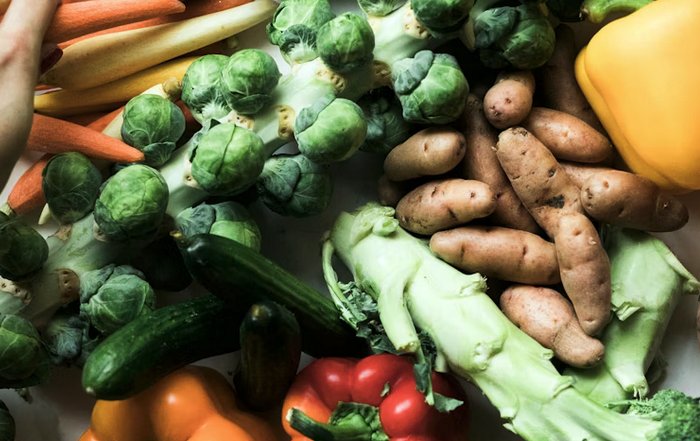
Nutrition Choices Reflecting Modern Health Awareness
The Maturing Landscape of Global Nutrition Awareness
Now nutrition has become one of the most visible and influential dimensions of modern life, shaping how individuals care for their bodies and minds, how organizations design workplaces and product portfolios, and how governments define public health and environmental priorities. Across North America, Europe, Asia, Africa and South America, people now understand that what they eat is not a narrow question of calories or short-term dieting, but a strategic determinant of physical resilience, cognitive performance, emotional balance, longevity and even professional success. For the global audience of WellNewTime, which includes wellness-focused consumers, executives, entrepreneurs, clinicians and policy observers from the United States, the United Kingdom, Germany, Canada, Australia, France, Italy, Spain, the Netherlands, Switzerland, China, Sweden, Norway, Singapore, Denmark, South Korea, Japan, Thailand, Finland, South Africa, Brazil, Malaysia, New Zealand and beyond, nutrition has become a daily expression of values such as sustainability, social responsibility and personal wellbeing rather than a background habit or an afterthought.
This evolution is grounded in a rapidly expanding evidence base and in the work of authoritative institutions that have placed nutrition at the center of global health agendas. Organizations such as the World Health Organization and the Food and Agriculture Organization of the United Nations continue to frame nutrition as a cornerstone of disease prevention and human development, and readers can follow these global priorities by exploring how nutrition is addressed within broader health strategies. At the same time, national health systems in the United States, the United Kingdom, Germany, Canada, Australia, Singapore, the Nordic countries and many emerging economies are embedding nutrition counseling into primary care and digital health platforms, making dietary guidance more accessible than ever. Against this backdrop, WellNewTime positions its coverage at the intersection of wellness, business, policy and lifestyle, helping readers connect complex scientific and policy developments with their own daily food decisions and long-term health aspirations through resources such as its curated content on wellness and holistic living.
From Counting Calories to Evaluating Quality and Context
Compared with the early decades of the twenty-first century, the nutrition conversation in 2026 is far more sophisticated and context-aware. Instead of focusing narrowly on calorie counts, fad diets or isolated nutrients, individuals and organizations now frame nutrition in terms of food quality, overall dietary patterns and the long-term interplay between diet, lifestyle and environment. Supermarkets now prominently feature labels that highlight added sugars, sodium, fiber, whole grains and ultra-processed ingredients, while public debates increasingly center on how food is grown, processed, packaged and transported.
Evidence-based frameworks have helped drive this shift. Institutions such as the Harvard T.H. Chan School of Public Health have promoted pattern-based models that emphasize vegetables, fruits, whole grains, healthy fats and mindful portion sizes, and professionals across continents continue to refer to resources that explain the healthy eating plate concept. At the same time, governments have refined front-of-pack labeling and reformulation policies, nudging manufacturers to reduce sugar, salt and unhealthy fats and encouraging consumers to favor minimally processed foods. For readers of WellNewTime, this more nuanced view of food quality aligns naturally with broader lifestyle interests, from stress management and sleep hygiene to physical activity and self-care, which are explored in depth through the platform's coverage of health, medicine and prevention.
Science-Backed Dietary Patterns in a Connected World
As research has accumulated, several dietary patterns have consistently emerged as supportive of long-term health across diverse populations and cultures, even as regional variations and personal preferences remain important. The Mediterranean-style diet, characterized by abundant vegetables, fruits, legumes, nuts, whole grains, olive oil and moderate consumption of fish, continues to be associated with reduced cardiovascular risk, better metabolic health and potential cognitive benefits. Organizations such as the American Heart Association provide practical frameworks for heart-healthy eating patterns, and these principles are now being adapted in countries as varied as the United States, the United Kingdom, Germany, Canada, Australia and South Africa.
At the same time, traditional dietary patterns from Japan, South Korea, the Nordic region, parts of Italy and Spain and various African and Latin American communities are gaining renewed recognition, as researchers and chefs alike highlight the protective value of time-tested combinations of whole grains, fermented foods, seasonal produce and modest portions of animal products. In the United States, the U.S. Department of Agriculture and Department of Health and Human Services continue to refine the Dietary Guidelines for Americans, influencing school meals, military rations, workplace cafeterias and public nutrition campaigns, and interested readers can review these guidelines to understand how national policy translates into everyday choices. In Europe, the European Food Safety Authority and national agencies in France, the Netherlands, Sweden and other countries complement these efforts with region-specific guidance. For the global readership of WellNewTime, this mosaic of recommendations reinforces the idea that while there is no single perfect diet, there is a stable set of principles-emphasis on whole foods, plant-forward meals, limited ultra-processed products and cultural fit-that can be adapted to local realities and individual goals.
Nutrition, Brain Health and Mindful Living
One of the most important developments in modern health awareness has been the recognition that diet and mental health are deeply interlinked. Over the past decade, research from institutions such as King's College London, University College London, Stanford University and other leading centers has strengthened the evidence that nutrient-dense dietary patterns are associated with lower risks of depression, anxiety and cognitive decline, while diets high in ultra-processed foods, sugars and trans fats may contribute to inflammation and mood disturbances. This has elevated nutrition from a purely physical concern to a core element of psychological resilience and cognitive performance, especially for professionals in high-pressure roles and for populations coping with rapid digitalization and global uncertainty.
Public agencies such as the National Institute of Mental Health in the United States and the National Health Service in the United Kingdom now explicitly acknowledge the role of lifestyle, including diet, in mental wellbeing, and readers can explore foundational perspectives on mental health and lifestyle factors. For WellNewTime, which has long emphasized the importance of balance, presence and emotional literacy, this convergence of nutrition science and psychology reinforces the value of integrating mindful eating, stress management and emotional self-regulation. The platform's dedicated content on mindfulness and mental balance invites readers to connect what is on their plate with how they feel, focus and relate to others, making mental health not an abstract concept but a daily practice supported by food, movement, rest and reflection.
Nutrition as the Engine of Preventive Health
By 2026, preventive health has moved from a niche aspiration to a strategic necessity for health systems and employers across continents, driven by rising rates of obesity, type 2 diabetes, cardiovascular disease and certain cancers. The World Health Organization continues to highlight unhealthy diets as a leading contributor to global mortality and disability, and international initiatives emphasize that improving dietary patterns can reduce the burden on hospitals, increase workforce productivity and enhance quality of life. Those who follow these developments can learn more about how nutrition is embedded in global prevention strategies, observing the alignment between scientific evidence and policy action.
In practice, this means that nutrition counseling is becoming more common in primary care visits, telehealth consultations, corporate wellness programs and community-based interventions. In countries such as Germany, France, Italy, Sweden and Denmark, statutory health insurance schemes are increasingly willing to reimburse preventive nutrition services, while in the United States and Canada, health systems and insurers are experimenting with food-as-medicine initiatives and medically tailored meal programs. For the well-informed readers of WellNewTime, these trends confirm that diet is no longer viewed as a peripheral lifestyle choice but as a central therapeutic and economic lever, and the platform's coverage of health innovation and emerging care models helps translate these systemic shifts into practical guidance for individuals, families and organizations.
The Business of Food: Brands, Strategy and Accountability
Nutrition choices are profoundly influenced by the strategies of global corporations, regional brands and agile startups that define what is available, affordable and aspirational in supermarkets, restaurants and digital marketplaces. Large multinationals such as Unilever, Danone, PepsiCo and Coca-Cola have expanded their commitments to reformulating products, acquiring healthier brands and disclosing more transparent nutrition information, recognizing that regulators, investors and consumers now scrutinize their portfolios through the lens of health impact and environmental footprint. For professionals tracking market dynamics, this evolution is not merely reputational; it directly affects capital allocation, innovation pipelines and long-term competitiveness, and readers can deepen their understanding of how health and sustainability shape corporate performance by exploring the broader context of sustainable business practices promoted by the United Nations Environment Programme.
Parallel to these incumbent transformations, a vibrant ecosystem of startups in the United States, the United Kingdom, Germany, Israel, Singapore, Japan and other innovation hubs is redefining the food landscape with plant-based proteins, alternative dairy products, low-sugar beverages, microbiome-targeted formulations and personalized nutrition services. Companies such as Beyond Meat, Impossible Foods and Oatly have demonstrated that consumers across North America, Europe and Asia are willing to embrace new categories when they align taste, convenience, health and environmental values. For the business-focused segment of the WellNewTime audience, the platform's dedicated coverage of business, brands and market positioning and its insights on emerging consumer brands offer a curated vantage point on how nutrition awareness is reshaping corporate strategy, product design, marketing narratives and investor expectations.
Personalized Nutrition and the Power of Data
The rise of personalized nutrition represents one of the most striking shifts in how people think about food in 2026. Advances in genomics, microbiome science, metabolomics, wearable sensors and artificial intelligence have made it possible to move beyond average recommendations and toward individualized insights about how different people respond to specific foods and eating patterns. Research supported by organizations such as the National Institutes of Health and Stanford Medicine has shown that blood sugar responses, lipid profiles and satiety signals can vary widely between individuals consuming the same meal, challenging the notion that a single set of rules applies equally to everyone. Readers interested in the scientific and technological underpinnings of this movement can explore precision nutrition initiatives led by the National Heart, Lung, and Blood Institute and related programs.
In practical terms, consumers in markets such as the United States, Canada, the United Kingdom, Germany, Sweden, Singapore, South Korea and Japan are experimenting with continuous glucose monitors, smart scales, fitness wearables and AI-driven coaching applications that integrate dietary logging with physical activity, sleep and stress data. This creates feedback loops that can support more informed choices, but it also raises questions about data privacy, accessibility, equity and the risk of turning everyday eating into a hyper-quantified, anxiety-inducing endeavor. For WellNewTime, which consistently emphasizes balance, realism and long-term sustainability, the challenge is to help readers harness the benefits of innovation without losing sight of fundamental principles and personal enjoyment. The platform's reporting on innovation and digital transformation situates personalized nutrition within the broader evolution of health technology, encouraging readers to adopt tools that genuinely support their goals while maintaining autonomy and discernment.
Nutrition, Fitness and Performance Across Life Stages
The integration of nutrition and physical activity has become an accepted norm rather than a niche interest, as people of all ages recognize that diet profoundly influences strength, endurance, recovery, immunity and functional capacity. Organizations such as the American College of Sports Medicine and the International Olympic Committee have reinforced this message through guidelines that emphasize adequate energy intake, balanced macronutrient distribution, micronutrient sufficiency and appropriate hydration for both elite athletes and recreational exercisers. Those wishing to deepen their understanding of these principles can learn more about sports nutrition guidance provided by professional bodies.
In practice, gyms, fitness studios, sports clubs and corporate wellness programs from Los Angeles to London, Munich to Singapore and Melbourne to Cape Town increasingly integrate nutrition counseling into training plans, recognizing that poorly aligned diets can undermine even the most disciplined exercise routines. Younger professionals may focus on optimizing body composition and energy for demanding careers, while older adults prioritize muscle maintenance, joint health and metabolic stability. For this diverse audience, WellNewTime offers targeted coverage on fitness, training and performance, highlighting how strategic nutrition can support different life stages, cultural contexts and activity preferences, from high-intensity interval training and endurance sports to yoga, walking and restorative movement.
Beauty, Wellness and the Inside-Out Perspective
The convergence of nutrition, beauty and wellness has accelerated, particularly in markets such as the United States, the United Kingdom, France, Italy, Spain, South Korea, Japan and the Nordic countries, where consumers increasingly view external appearance as a reflection of internal health rather than as an isolated cosmetic concern. Dermatologists, trichologists and aesthetic practitioners now routinely discuss the role of antioxidants, healthy fats, collagen-supportive nutrients, hydration and glycemic control in maintaining skin elasticity, reducing inflammation and supporting hair and nail strength, while cautioning against restrictive diets and unregulated supplements that may cause more harm than good.
Beauty and wellness brands across Europe, Asia and North America have responded with a proliferation of "beauty-from-within" offerings, including collagen powders, functional beverages and nutraceutical blends, although leading experts continue to stress that these products should complement, not replace, a balanced, nutrient-dense diet. For the WellNewTime audience, which often combines interest in aesthetics with a commitment to authentic wellbeing, the platform's content on beauty and self-care and its insights on massage and body therapies underscore an integrated approach in which nutrition, topical care, touch therapies, sleep and stress management work together. This inside-out philosophy reinforces the platform's broader editorial stance: that sustainable beauty and vitality arise from consistent, evidence-based habits rather than quick fixes.
Environmental Sustainability, Ethics and Food Systems
In 2026, it is no longer possible to discuss nutrition responsibly without considering environmental sustainability and ethical dimensions. The Intergovernmental Panel on Climate Change and the United Nations Environment Programme have highlighted the substantial greenhouse gas emissions, land use, water consumption and biodiversity impacts associated with global food systems, particularly those reliant on resource-intensive animal products and wasteful supply chains. Individuals and organizations seeking to align their health goals with planetary boundaries can learn more about sustainable diets and food system transformation through international initiatives that connect nutrition, climate and biodiversity.
Across Europe, North America, Asia-Pacific and parts of Africa and Latin America, interest is growing in plant-forward eating patterns, regenerative agriculture, organic and agroecological practices, local sourcing and food waste reduction. Governments in countries such as Denmark, Sweden, the Netherlands and Germany are experimenting with policies that support sustainable farming, healthier school meals and reduced food loss, while cities like London, New York, Singapore and Barcelona are piloting urban agriculture and circular-economy food models. For readers of WellNewTime, who often bring a global yet pragmatic mindset to environmental issues, the platform's coverage of environment and climate-conscious living helps situate personal food choices within broader efforts to protect ecosystems, promote fair labor practices and ensure food security for vulnerable populations across Africa, Asia and South America.
Careers, Skills and the Professionalization of Nutrition
The growing centrality of nutrition in public discourse has created new professional pathways and reshaped existing roles across healthcare, hospitality, technology, media, agriculture and corporate strategy. Dietitians, nutritionists, health coaches, food scientists, regenerative agriculture specialists, wellness product managers and corporate wellbeing leaders are in increasing demand in the United States, Canada, the United Kingdom, Germany, Australia, Singapore, the Nordic countries and many emerging markets. Universities and professional associations are updating curricula to integrate advances in nutritional science, behavioral psychology, digital health tools and sustainability, while employers recognize that supporting healthy eating among staff can improve productivity, retention and brand reputation.
For individuals considering career transitions or upskilling, nutrition now intersects with fields as varied as product innovation, policy advocacy, hospitality management, environmental consulting and health technology entrepreneurship. The WellNewTime audience, which includes both established professionals and students exploring future-of-work trends, can find targeted guidance in the platform's coverage of jobs and evolving career paths. By highlighting credible education routes, emerging roles and ethical considerations, WellNewTime supports a more professional and trustworthy nutrition ecosystem, where those offering advice are held to high standards of competence, transparency and ongoing learning.
Global Diversity, Local Realities and the Role of WellNewTime
While the overarching trajectory of nutrition awareness is shared globally, the realities on the ground remain highly diverse. High-income regions such as North America, Western Europe, Japan, South Korea and Australia grapple primarily with overconsumption, ultra-processed food environments and sedentary lifestyles, even as certain segments pursue highly optimized, data-driven nutrition regimens. In contrast, many parts of Africa, South Asia and Latin America face a double burden of undernutrition and rising obesity, shaped by rapid urbanization, income inequality, climate vulnerability and shifts from traditional diets to cheap, energy-dense processed foods.
International organizations such as the World Food Programme and UNICEF continue to work on preventing stunting, wasting and micronutrient deficiencies among children and vulnerable groups, while also recognizing the need to avoid replicating unhealthy dietary patterns seen elsewhere. Readers who wish to understand these global dynamics can explore how nutrition challenges differ across regions, gaining a more nuanced appreciation of how food systems intersect with economics, culture and geopolitics. For WellNewTime, which serves a geographically diverse audience interested in world news and international developments, this context is essential: it allows the platform to present nutrition not as a one-size-fits-all prescription, but as a spectrum of strategies that must be adapted to local resources, cultural norms and policy environments.
By weaving together insights on wellness, health, fitness, beauty, environment, travel, innovation and work, and by grounding its coverage in the principles of experience, expertise, authoritativeness and trustworthiness, WellNewTime aims to be more than an information source. It seeks to be a reliable partner for readers who want their nutrition choices in 2026 to reflect the best available science, an awareness of global and environmental realities, and a deep respect for their own values and circumstances. Through its editorial lens on lifestyle and everyday habits and its holistic approach to wellbeing, WellNewTime encourages individuals, families and organizations to transform nutrition from a reactive concern into a proactive, integrated pillar of a healthier, more sustainable and more fulfilling life.