

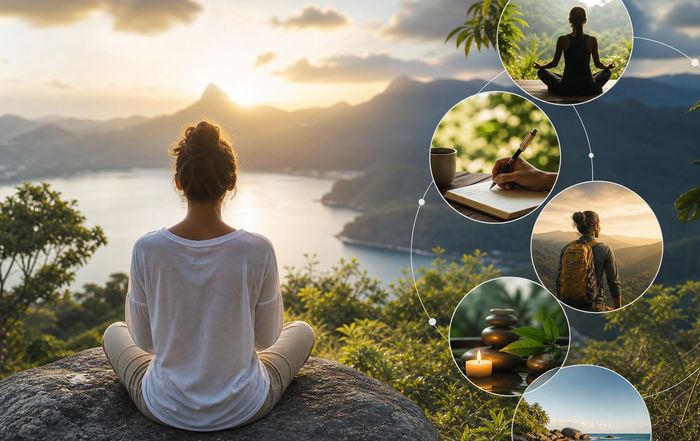
How Wellness Travel Supports Personal Growth
The Rise of Wellness Travel as a Catalyst for Change
Wellness travel has moved from a niche trend to a defining feature of the global tourism and personal development landscape, reshaping how individuals in the United States, Europe, Asia, and beyond think about vacation, work-life balance, and long-term wellbeing. Rather than simply booking a week on a beach, travelers are increasingly designing journeys that integrate physical health, mental clarity, emotional resilience, and purposeful reflection, and this shift is deeply aligned with the every day mission of WellNewTime to connect modern professionals and conscious consumers with experiences that genuinely enhance their quality of life. According to data highlighted by the Global Wellness Institute, wellness tourism has steadily outpaced conventional tourism growth, reflecting demand from executives, entrepreneurs, and remote workers who are seeking not just rest, but transformation through curated retreats, integrative health programs, and mindful exploration of new cultures. Learn more about how the global wellness economy is evolving at the Global Wellness Institute.
At the same time, the pandemic years and subsequent economic and social volatility have redefined what people in countries such as the United Kingdom, Germany, Canada, Australia, and Singapore expect from travel, as they increasingly look for experiences that support long-term mental health, sustainable living, and meaningful connection. Platforms like WellNewTime now serve as a bridge between these aspirations and practical options, helping readers navigate a rapidly expanding marketplace of wellness resorts, fitness-focused itineraries, and mindful travel experiences. Folks exploring the wellness travel space can start by grounding themselves in core principles of holistic wellbeing through the dedicated resources at WellNewTime Wellness, which provide context for choosing journeys that align with their personal growth goals.
Defining Wellness Travel in a Global Context
Wellness travel in 2026 is best understood as intentional travel designed to maintain or enhance one's physical, mental, emotional, and spiritual health, rather than a simple escape from daily life, and this intention is what differentiates it from traditional tourism. While a typical vacation might prioritize entertainment or sightseeing, wellness-focused journeys integrate evidence-based health practices, structured self-reflection, and access to expert guidance, enabling travelers from New York to London, Berlin, Tokyo, and Dubai to use time away as a strategic investment in their future selves. Organizations such as the World Health Organization have emphasized the interconnected dimensions of health, which has influenced how leading destinations design holistic programs that address stress, sleep, movement, nutrition, and social connection in a unified way; further insights into global health definitions can be explored through the World Health Organization.
This broader definition of wellness travel encompasses a wide spectrum of experiences, from yoga and meditation retreats in Thailand and Bali, to medical wellness programs in Switzerland and Germany, to fitness and adventure-based itineraries in New Zealand, Canada, and South Africa. For readers of WellNewTime who are particularly focused on physical performance and resilience, exploring the intersection of fitness and travel is increasingly relevant, and curated guidance is available at WellNewTime Fitness to help align training goals with travel plans. By framing travel as an integrated component of a personal development strategy rather than a break from it, individuals can begin to see each journey as a structured opportunity for measurable growth.
Experience and Expertise: Learning from Global Wellness Leaders
One of the most powerful aspects of wellness travel is the opportunity to learn directly from experts whose careers are dedicated to health, mindfulness, and human performance, and whose methodologies are often deeply rooted in both scientific research and cultural tradition. From physicians and functional medicine specialists in North America and Europe, to meditation teachers in India, to movement and breathwork coaches in Scandinavia, the global ecosystem of wellness professionals has become more accessible through destination programs that combine clinical rigor with experiential learning. Institutions such as Mayo Clinic and Cleveland Clinic have contributed to the mainstreaming of integrative and lifestyle medicine approaches, which many high-end wellness resorts and urban retreats now incorporate into their offerings; those interested in the medical underpinnings of wellness practices can explore resources from Mayo Clinic and Cleveland Clinic.
For business leaders and professionals who follow WellNewTime, this access to expert knowledge is not merely a luxury, but a strategic advantage, enabling them to experiment with new nutrition protocols, stress management tools, and recovery techniques under professional supervision, and then integrate what works into their daily routines back home in cities such as Paris, Milan, Madrid, Amsterdam, Zurich, and beyond. Many retreats now include structured workshops on habit formation, neuroscience-informed approaches to behavior change, and practical frameworks for sustaining new practices after returning to demanding work environments. To complement these experiences, fans can deepen their understanding of evidence-based health strategies through WellNewTime Health, using this knowledge to select destinations and programs that demonstrate genuine expertise rather than superficial wellness branding.
Mindfulness and Mental Resilience on the Road
The acceleration of digital life, remote work, and global competition has made mental resilience a priority for professionals in regions as diverse as North America, Europe, and Asia-Pacific, and wellness travel has emerged as a compelling context for cultivating mindfulness skills that are difficult to develop amid daily distractions. Structured meditation retreats in countries such as Japan, Thailand, and South Korea, as well as mindfulness-focused programs in the United States, Canada, and the United Kingdom, offer environments where participants can disconnect from constant notifications and immerse themselves in contemplative practice guided by experienced teachers. Organizations like Mindful.org and the American Psychological Association have documented the benefits of mindfulness for stress reduction, emotional regulation, and cognitive performance, and travelers can explore these findings through resources available at Mindful and APA.
For the WellNewTime audience, mindfulness is not only a personal wellness tool but also a professional competency, enhancing leadership presence, decision-making clarity, and interpersonal effectiveness in multicultural teams across Europe, Asia, Africa, and the Americas. Wellness travel experiences that integrate daily meditation, journaling, and reflective dialogue give participants the time and structure to process past experiences, clarify goals, and recalibrate priorities in a way that typical vacations rarely support. Those seeking to build a consistent contemplative practice before or after a retreat can leverage the guidance and articles provided at WellNewTime Mindfulness, creating continuity between travel-based immersion and everyday life.
Physical Health, Fitness, and the Power of New Environments
Shifting environment can be a powerful catalyst for physical transformation, and wellness travel leverages this by situating fitness and movement in landscapes that inspire effort and curiosity, whether that means hiking in the Alps, cycling in the Netherlands, surfing in Australia, or trail running in New Zealand. Exposure to mountains, forests, and oceans across Europe, Asia, Africa, and the Americas provides unique physiological and psychological benefits, including improved cardiovascular conditioning, enhanced mood, and a renewed sense of vitality that many urban professionals in cities like London, Berlin, Toronto, and Singapore struggle to access in their normal routines. Public health authorities such as the U.S. Centers for Disease Control and Prevention and Public Health England have consistently emphasized the importance of regular physical activity for preventing chronic disease and improving mental health outcomes, and their recommendations can be reviewed at the CDC and UK Health Security Agency.
For readers of WellNewTime, fitness-oriented travel is increasingly being woven into annual planning as a way to set ambitious but enjoyable physical goals, such as completing a multi-day trek in South America, joining a cycling camp in Spain, or participating in a yoga and strength retreat in Scandinavia. These experiences often include coaching, structured training plans, and recovery protocols such as massage therapy, cold immersion, and breathwork, which can be integrated into daily life after the trip. Those interested in exploring how bodywork and therapeutic touch can enhance recovery and performance will find practical insights at WellNewTime Massage, which can help them evaluate programs that promise comprehensive support rather than isolated fitness activities.
Beauty, Self-Perception, and the Inner Impact of Outer Rituals
While wellness travel is often associated with spas and beauty treatments, the most forward-thinking destinations in 2026 are reframing beauty as an expression of internal health, emotional balance, and self-respect rather than superficial appearance. High-quality wellness resorts and urban sanctuaries across Europe, Asia, and North America now integrate dermatology-informed skincare, nutrition guidance, sleep optimization, and stress reduction techniques into beauty programs, recognizing that radiance and confidence are deeply connected to systemic wellbeing. Organizations such as the American Academy of Dermatology and Harvard Health Publishing have highlighted the links between skin health, stress, and lifestyle, and those interested in the science behind these connections can explore more at the AAD and Harvard Health.
For the global audience of WellNewTime, especially readers in fashion-forward and beauty-conscious markets like France, Italy, South Korea, and Japan, wellness travel offers a chance to reset their relationship with appearance by prioritizing restorative rituals, self-compassion, and sustainable personal care practices over quick fixes. Many retreats now include workshops on clean beauty, hormonal health, and body image resilience, helping participants challenge internalized pressures and adopt routines that support both confidence and long-term health. To further explore how beauty intersects with wellness, people can consult WellNewTime Beauty, where product, treatment, and trend analysis is grounded in a holistic understanding of wellbeing rather than surface-level aesthetics.
Purpose, Values, and Lifestyle Redesign
Perhaps the most profound contribution of wellness travel to personal growth is its capacity to create space for deep reflection on life direction, values, and lifestyle design, particularly for mid-career professionals, entrepreneurs, and executives facing transition or burnout. When individuals step away from their habitual contexts in cities such as New York, London, Berlin, Singapore, or Johannesburg and immerse themselves in consciously curated environments, they gain the psychological distance necessary to question assumptions, identify misalignments, and imagine alternative ways of living and working. Thought leaders and organizations in positive psychology and behavioral science, including researchers referenced by the Greater Good Science Center at the University of California, Berkeley, have emphasized the importance of meaning, connection, and alignment in long-term wellbeing, insights that can be explored through the Greater Good Science Center.
Wellness retreats and travel programs increasingly incorporate structured coaching, group dialogue, and goal-setting sessions that help participants translate insights into concrete plans for changes in career, relationships, daily habits, and environment. For readers of WellNewTime, who often operate in fast-paced business and creative sectors across North America, Europe, and Asia, these experiences can function as inflection points that lead to more sustainable and values-driven lifestyles. To support the integration of these insights into everyday choices, the editorial team at WellNewTime curates practical lifestyle guidance and case studies at WellNewTime Lifestyle, helping readers move from inspiration to implementation once they return home.
The Business of Wellness Travel and the Role of Trusted Brands
As wellness travel has grown into a multi-hundred-billion-dollar segment of the global tourism and hospitality industry, questions of quality, transparency, and trust have become central for discerning travelers in markets such as the United States, United Kingdom, Germany, Canada, Australia, and across Asia. Large hospitality groups, boutique retreat operators, and emerging digital platforms all compete for attention, but not all offerings are backed by credible expertise or ethical practices, which makes curation and independent analysis increasingly important. Industry-focused organizations like the World Travel & Tourism Council and UN Tourism (formerly UNWTO) provide macro-level insights into travel trends, sustainability, and economic impact, which can be explored at the WTTC and UN Tourism, and these perspectives help contextualize the rapid expansion of wellness-focused products.
For WellNewTime, which serves a readership that values both wellbeing and business acumen, there is a particular responsibility to highlight brands and destinations that demonstrate genuine commitment to safety, evidence-based programming, cultural respect, and environmental stewardship. The platform's dedicated section on business and brands, accessible via WellNewTime Business and WellNewTime Brands, examines how companies in the wellness travel space build credibility, measure impact, and respond to evolving consumer expectations. By focusing on Experience, Expertise, Authoritativeness, and Trustworthiness, WellNewTime aims to help readers distinguish between marketing narratives and substantive value, enabling them to invest their time and resources in journeys that genuinely support personal growth.
Sustainability, Environment, and Ethical Travel Choices
In 2026, wellness travel cannot be separated from questions of environmental impact and social responsibility, particularly as travelers from Europe, North America, and Asia become more aware of the ecological footprint of long-haul flights, resort development, and resource consumption. Many individuals now seek experiences that not only enhance their personal wellbeing but also contribute positively to local communities and ecosystems, whether through regenerative tourism initiatives, conservation projects, or partnerships with local wellness practitioners and artisans. Organizations such as the United Nations Environment Programme and World Wildlife Fund have outlined best practices for sustainable tourism and climate-conscious travel, and those wishing to align their wellness journeys with planetary health can learn more from UNEP and WWF.
For the WellNewTime audience, especially readers in environmentally progressive regions like Scandinavia, the Netherlands, Switzerland, and New Zealand, choosing destinations and programs that prioritize renewable energy, waste reduction, local sourcing, and fair labor practices is increasingly non-negotiable. Wellness travel operators that integrate nature immersion, environmental education, and hands-on conservation work into their itineraries offer participants the chance to experience personal renewal while contributing to broader ecological resilience. To support these choices, WellNewTime maintains a dedicated focus on environmental issues and sustainable living at WellNewTime Environment, helping readers evaluate destinations and brands through the dual lens of personal and planetary wellbeing.
Integrating Wellness Travel into a Long-Term Growth Strategy
The most effective way to harness wellness travel for personal growth is to view it not as an isolated event but as a recurring, strategically designed component of a broader wellbeing and lifestyle plan. Rather than waiting for burnout or crisis, many professionals and entrepreneurs across continents now schedule annual or semi-annual wellness journeys that correspond with key planning cycles, career milestones, or life transitions, using these periods to reset, reflect, and recalibrate. This approach mirrors best practices in high-performance domains, where deliberate recovery and reflection are considered essential to sustained success, as illustrated by research shared through platforms like McKinsey & Company and Harvard Business Review, which can be explored at McKinsey and Harvard Business Review.
For readers of WellNewTime, building a personal roadmap for wellness travel might involve mapping out a progression from shorter regional retreats to more immersive international programs, aligning each journey with specific objectives such as improving sleep, deepening mindfulness, enhancing physical performance, or clarifying long-term career direction. Between trips, the insights and habits gained can be reinforced through regular routines, digital coaching, and local wellness communities, ensuring that the benefits of travel are sustained rather than quickly fading. The broader ecosystem of content at WellNewTime and across sections such as wellness, fitness, mindfulness, lifestyle, and environment is designed to support this continuity, providing practical tools and perspectives that keep the spirit of intentional travel alive in everyday life.
Jumping Ahead: Wellness Travel as a New Normal?
As the world moves further into the second half of the 2020s, wellness travel is poised to become not just a trend but a structural feature of how individuals in the United States, Europe, Asia, Africa, and South America design their lives, careers, and families' experiences. The convergence of remote and hybrid work, digital health technologies, and growing awareness of mental health and burnout is making it easier for people to integrate extended stays, work-from-retreat arrangements, and multi-generational wellness journeys into their annual plans. At the same time, geopolitical and environmental uncertainties are encouraging travelers to be more intentional about where they go, how they spend, and which brands they trust, reinforcing the importance of platforms like WellNewTime that prioritize depth, integrity, and global perspective in their coverage.
In this evolving landscape, wellness travel will continue to serve as a powerful vehicle for personal growth, offering individuals from New York to Nairobi, London to Lisbon, Seoul to São Paulo, and Sydney to Stockholm the opportunity to step outside their routines, reconnect with their bodies and minds, and return with renewed clarity and purpose. By combining expert guidance, ethical practices, and a holistic view of wellbeing, the most impactful wellness journeys will help travelers not only feel better during their time away but also live more intentionally and sustainably when they return. For those ready to explore how their next trip can become a turning point rather than a pause, WellNewTime will remain a trusted companion, connecting global readers to the ideas, destinations, and practices that make wellness travel a meaningful engine of lasting personal transformation.