

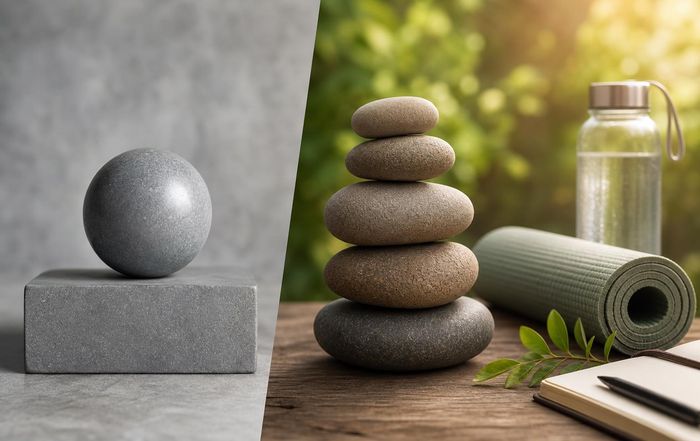
Why Consistency Beats Perfection in Wellness
The Wellness Paradox: Always Improving, Never Arriving
The global wellness economy continues to expand at a remarkable pace, yet individuals across continents still report high levels of stress, burnout and lifestyle-related illness. From the United States and Canada to Germany, Singapore and Australia, people are surrounded by advanced health technologies, personalized fitness apps and an endless stream of wellness advice, but many still feel that they are "failing" at being healthy. This paradox, which WellNewTime encounters every day through its global readership and expert contributors, is rooted in one persistent misconception: that wellness is something to be perfected rather than something to be practiced consistently.
As wellness has become both a personal aspiration and a powerful industry, the pressure to achieve the "perfect" routine, the ideal body, or the flawlessly optimized lifestyle has intensified. Social media feeds filled with curated images from cities such as London, New York, Seoul and Stockholm reinforce the idea that true health is a destination reached only by those with extraordinary discipline, resources or genetics. Yet research from organizations such as the World Health Organization shows that even modest, sustained improvements in physical activity, nutrition and mental health habits can dramatically reduce the risk of chronic disease and improve quality of life across populations in Europe, Asia, Africa and the Americas. Learn more about how regular movement supports long-term health on the WHO physical activity page.
For the news and research team here which often explores the intersection of wellness, health, fitness and lifestyle for a growing and loving audience, the central message is clear: in a world obsessed with optimization, it is consistency, not perfection, that delivers real and sustainable wellness outcomes.
The Science of Small, Repeated Actions
Modern health and behavioral science provide strong evidence that small, repeated actions compound to produce outsized benefits over time. Studies summarized by the Centers for Disease Control and Prevention illustrate that even 150 minutes of moderate physical activity per week, accumulated in short sessions, can significantly reduce the risk of heart disease, type 2 diabetes and certain cancers. Readers can explore these guidelines through the CDC's physical activity recommendations, which underscore that consistency is more influential than intensity for most people.
Similarly, research from Harvard T.H. Chan School of Public Health demonstrates that incremental dietary changes, such as increasing daily intake of whole grains, fruits and vegetables, can meaningfully improve cardiovascular health and longevity, even when overall diets are far from perfect. Those interested in evidence-based nutrition can learn more about healthy eating patterns that prioritize balance over rigidity. Across continents, from Italy and Spain with their Mediterranean traditions to Japan and South Korea with their emphasis on seasonal and fermented foods, cultural dietary patterns show that long-term habits, not flawless adherence to any single rule set, tend to produce the best health outcomes.
Behavioral scientists at institutions such as Stanford University and University College London have also highlighted how habits form and persist. Their work indicates that the ease, regularity and emotional reward of an action matter more than its intensity for long-term adherence. In practice, this means that a gentle daily walk, a short evening stretch, or a consistent bedtime routine will often be more impactful over years than sporadic, extreme efforts. Readers can explore how habits form and change through resources like the American Psychological Association's guidance on behavior change, which align closely with the editorial philosophy here.
Perfectionism: A Hidden Barrier to Health
While perfection is often celebrated in business, sports and aesthetics, perfectionism in wellness can be deeply counterproductive. Psychological research, including work summarized by the American Psychological Association, has linked maladaptive perfectionism with higher levels of anxiety, depression and burnout. When applied to health, this mindset can manifest as all-or-nothing thinking: if a person cannot complete a full workout, follow a strict diet or maintain an ideal sleep schedule, they may feel that there is no point in trying at all. This cognitive trap is particularly visible in high-pressure environments from New York and London to Singapore and Tokyo, where demanding careers and social expectations amplify the fear of imperfection.
Perfectionism is further intensified by digital culture. On platforms where wellness influencers from Los Angeles, Berlin, Stockholm or Seoul share highly edited content, individuals may compare their everyday reality to an unattainable standard. Reports from organizations such as Mental Health America and the National Institute of Mental Health highlight that such comparisons can erode self-esteem and contribute to disordered eating, exercise compulsion and chronic stress. To understand more about the relationship between perfectionism and mental health, readers can review resources from the National Institute of Mental Health and their global equivalents.
At WellNewTime, editorial teams hear repeatedly from readers in countries as varied as Brazil, South Africa, France and Japan that the pursuit of a flawless routine leaves them feeling guilty rather than empowered. This feedback has shaped the platform's commitment to content that prioritizes realistic, compassionate and sustainable approaches to change, encouraging visitors to explore areas such as mindfulness and environmentally conscious living as evolving practices rather than finish lines.
Consistency as a Strategic Asset in Personal Wellness
For a business audience accustomed to thinking in terms of strategy, risk and return, the concept of consistency in wellness can be understood as a form of long-term investment. Just as organizations build durable value through incremental innovation and continuous improvement, individuals build resilient health through manageable, repeatable actions that align with their values and circumstances. In this sense, wellness is less like a high-stakes product launch and more like a carefully managed portfolio, where regular contributions matter more than occasional windfalls.
Evidence from the Mayo Clinic and Cleveland Clinic supports the idea that modest, sustained improvements in sleep hygiene, physical activity and stress management can significantly reduce healthcare costs and absenteeism for employees. Executives and HR leaders seeking to create healthier organizations can learn more about workplace wellness strategies that emphasize participation and consistency rather than rigid, outcome-based targets. For global companies operating in regions from North America and Europe to Asia-Pacific, this approach is particularly relevant, as cultural norms and working conditions vary widely, but the need for sustainable health practices is universal.
WellNewTime has observed that when readers treat wellness as a strategic asset, they approach it with the same discipline and pragmatism that they apply to financial planning or career development. They are more likely to schedule regular exercise as a non-negotiable meeting, to treat sleep as a core productivity tool, and to view mental health support as a professional advantage rather than a personal failing. Editorial features in the business and brands sections increasingly highlight leaders and organizations that embed consistent wellness practices into their cultures, providing case studies that resonate with professionals in London, Toronto, Zurich, Singapore and beyond.
Mindfulness and Mental Resilience: Daily Practice Over Occasional Escape
In the realm of mental health, the advantages of consistency over perfection are particularly pronounced. Mindfulness, which has moved from spiritual traditions in Asia to mainstream adoption in Europe and North America, is most effective when practiced regularly in brief, accessible sessions rather than reserved for occasional retreats or intensive workshops. Research compiled by UCLA Health and Oxford Mindfulness Foundation shows that even short daily mindfulness practices can reduce stress, improve emotional regulation and enhance focus, especially for individuals in demanding roles.
Readers interested in integrating mindfulness into their routine can explore practical guidance from organizations like Mindful.org and then deepen their journey through the mindfulness hub on WellNewTime, which curates perspectives from teachers, clinicians and practitioners across continents. In cities like Berlin, Copenhagen, New York and Melbourne, professionals increasingly turn to micro-practices-such as three-minute breathing exercises between meetings or brief digital detoxes before sleep-rather than relying solely on extended vacations to recover from chronic stress.
This shift toward everyday mental resilience aligns with the broader editorial mission of WellNewTime: to normalize wellness as a daily, integrated aspect of life rather than an occasional corrective measure. By presenting mindfulness as a flexible toolkit rather than a rigid discipline, the platform helps readers from Stockholm to São Paulo experiment with realistic, repeatable practices that fit the rhythms of their work, families and communities.
Fitness in 2026: Hybrid, Personalized and Habit-Focused
The fitness landscape in 2026 is defined by hybrid models that blend digital platforms, in-person experiences and data-driven personalization. Wearables from companies like Apple, Garmin and Samsung, along with connected equipment from brands such as Peloton and Technogym, provide real-time feedback on activity, recovery and sleep. Yet the most successful users are not necessarily those who push their metrics to extremes, but those who use this data to support steady, sustainable progress.
Guidelines from the American College of Sports Medicine and World Health Organization emphasize that regular moderate exercise, including walking, cycling and strength training, remains the foundation of physical fitness for most adults. Readers can learn more about sustainable exercise recommendations that encourage adaptable routines across age groups and fitness levels. From urban runners in London and Tokyo to hikers in New Zealand and Norway, the unifying factor among those who maintain fitness over years is not perfection, but the ability to keep showing up, even when conditions are not ideal.
On wellnewtime.com, the fitness section highlights this reality through interviews with trainers, physiotherapists and everyday athletes who have built enduring routines around their constraints, whether that means short hotel-room workouts for frequent travelers or low-impact programs for older adults in Switzerland, Japan or Canada. By centering stories of consistency rather than transformation, the platform reinforces the message that fitness is a lifelong relationship with one's body rather than a finite project to be completed.
Travel, Recovery and the Rise of Regenerative Wellness
As international travel rebounds across regions including Europe, Asia, North America and Africa, wellness tourism has evolved beyond luxury spa breaks to embrace more regenerative and restorative experiences. Destinations from Thailand and Bali to Italy and Portugal now offer programs that combine gentle movement, local nutrition, nature immersion and cultural engagement, designed to be continued at home rather than experienced as isolated indulgences. Reports from the Global Wellness Institute describe this shift toward wellness travel that prioritizes learning sustainable self-care skills and building habits that endure after the trip ends. Readers can explore these wellness tourism trends to understand how consistency is reshaping the sector.
For WellNewTime, which covers travel through a wellness lens in its travel section, this trend highlights a crucial point: the value of a wellness retreat is measured not only by how one feels during the stay, but by the practices that integrate into everyday life upon returning to London, Toronto, Johannesburg or Singapore. Whether it is adopting a simple morning stretch sequence learned at a retreat in Thailand or maintaining a weekly digital detox inspired by a stay in rural France, the long-term impact comes from repetition, not from the intensity of the original experience.
Beauty, Massage and the Everyday Rituals of Care
In beauty and body care, the same principle holds. The global shift toward "skinimalism" and ingredient transparency, seen in markets from South Korea and Japan to France and the United Kingdom, reflects growing recognition that consistent, gentle care is more effective than aggressive, sporadic interventions. Dermatologists and cosmetic scientists, including experts associated with organizations like the American Academy of Dermatology, emphasize that daily sun protection, mild cleansing and targeted treatment of specific concerns create better outcomes than frequent product switching or harsh procedures. Those interested can learn more about evidence-based skincare routines.
The beauty section of WellNewTime echoes this science-driven perspective, showcasing routines from professionals and consumers in cities such as Paris, Milan, Sydney and New York who prioritize consistency and barrier health over overnight transformation. Similarly, in the realm of bodywork and massage, physiotherapists and massage therapists from Germany, Sweden and Canada emphasize that regular, moderate sessions to manage tension, support circulation and enhance body awareness are more beneficial than rare, intensive treatments. Organizations like the National Institutes of Health provide overviews of complementary and integrative health practices, reinforcing that massage is most effective as part of a broader, ongoing self-care strategy.
These everyday rituals of care, when practiced consistently, contribute to a broader sense of wellbeing that extends beyond appearance. They signal self-respect, create predictable moments of calm and help individuals across continents maintain a positive relationship with their bodies in a culture that often demands impossible standards.
Environmental and Social Dimensions of Consistent Wellness
Wellness in 2026 is increasingly understood as inseparable from environmental and social conditions. Climate change, urban pollution and social inequality have direct impacts on physical and mental health, whether through heat-related illness in Southern Europe, air-quality issues in parts of Asia or food insecurity in regions of Africa and South America. Organizations such as the United Nations Environment Programme and World Bank provide extensive analysis of how environmental degradation and social instability affect global health outcomes. Readers can learn more about the intersection of environment and health to appreciate the systemic context of personal wellness.
For WellNewTime, which covers these themes in its environment and world pages, the message is that individual consistency must be paired with collective responsibility. Just as daily personal choices around movement, nutrition and stress management accumulate to shape individual health, community-level habits around transportation, energy use, food systems and urban planning accumulate to shape public health. In cities from Amsterdam and Copenhagen to Vancouver and Wellington, consistent investment in cycling infrastructure, green spaces and public transport has created environments where wellness is easier to practice. Learn more about sustainable urban health strategies through resources from the World Health Organization on healthy cities.
By framing wellness as both a personal and societal practice, WellNewTime encourages fans-from executives in Zurich and Singapore to entrepreneurs in Nairobi and São Paulo-to consider how their consistent actions, including advocacy and business decisions, can contribute to healthier systems as well as healthier bodies.
Building a Personal Framework for Consistent Wellness
Translating the principle of consistency into daily life requires an honest assessment of one's circumstances, values and constraints. For a professional in London or New York with a demanding schedule, this might mean committing to a 20-minute walk each lunchtime, a simple home-cooked dinner most evenings and a regular bedtime routine, while accepting that some days will fall short of the ideal. For a parent in Stockholm, Johannesburg or Toronto, it could involve integrating movement into family activities, preparing batch meals on weekends and practicing brief mindfulness exercises after children are asleep.
Health agencies such as the National Health Service in the United Kingdom and Health Canada emphasize the importance of realistic goal-setting and gradual change. Readers can learn more about setting achievable health goals and adapting them over time. These frameworks align closely with the editorial stance at WellNewTime, which avoids prescriptive, one-size-fits-all programs in favor of tools and perspectives that help individuals design their own consistent practices.
Within the site's health, wellness and lifestyle coverage, readers from regions as diverse as Scandinavia, Southeast Asia and South America will find examples of people who have built sustainable routines around their cultural traditions, local environments and personal preferences. These stories reinforce a central truth: consistency is not about rigid uniformity, but about reliably returning to a set of core practices that support physical, mental and emotional wellbeing over the long term.
How About Wellness as a Long-Term Relationship?
As wellness continues to change for individuals, we aim to position the site as a daily new partner for people who want to move beyond trends and quick fixes toward a more grounded, evidence-informed and humane approach to health. The platform's cross-category coverage-from innovation in digital health to workplace culture, from travel to mindfulness-reflects a belief that wellness is not a separate domain but a lens through which every aspect of life can be viewed and improved.
By featuring insights from clinicians, researchers, coaches and everyday practitioners across continents, WellNewTime emphasizes experience, expertise, authoritativeness and trustworthiness in an industry that can sometimes be dominated by hype. The consistent editorial message is that wellness is a long-term relationship with oneself and the world, marked not by flawless execution but by a willingness to begin again, to adjust and to persist.
For readers all around this beautiful planet, this perspective offers both relief and responsibility. Relief, in that perfection is not required; responsibility, in that small, repeated choices-taken day after day, year after year-are what ultimately shape health, fulfillment and impact.
In a culture that often celebrates dramatic transformation, WellNewTime invites its happy community to honor the quieter, steadier power of consistency. It is this power, expressed in daily walks, regular meals, mindful pauses, sustainable travel, gentle skincare, recurring massage, community engagement and thoughtful business decisions, that will define the future of wellness more than any fleeting ideal of perfection.