

The Benefits of Relaxation Massage in a High-Pressure World
Relaxation Massage as a Strategic Asset for Modern Life
The global conversation around health, performance, and sustainable success has shifted decisively from short-term productivity to long-term human capacity. In this evolving landscape, relaxation massage has moved from being perceived as a luxury or occasional indulgence to being recognized as a strategic component of personal and organizational wellbeing. For the often early rising, sun loving, calm and quiet seeking people on WellNewTime and its growing readers across the United States, Europe, Asia, and beyond, understanding the multidimensional benefits of relaxation massage is increasingly relevant not only for individual health, but also for business resilience, workforce performance, and quality of life.
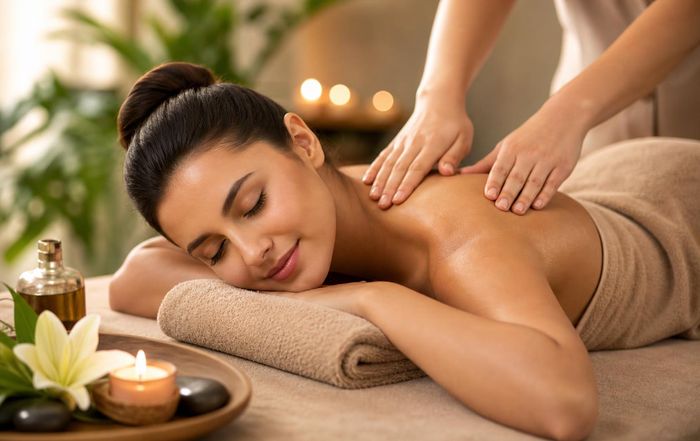
Relaxation massage, sometimes referred to as Swedish or classic massage, focuses on calming the nervous system, easing muscular tension, and promoting a state of deep rest. Unlike more intense therapeutic modalities such as sports or deep tissue massage, relaxation massage emphasizes gentle, flowing strokes, warmth, and a soothing environment that supports the body's innate capacity to recover. As research from organizations such as the World Health Organization highlights the global burden of stress-related conditions, readers who wish to explore broader health themes are increasingly looking at massage as a practical, evidence-informed tool for prevention and recovery.
The Science of Stress and Why Relaxation Massage Matters
The modern professional environment in North America, Europe, and Asia is dominated by digital overload, constant connectivity, and high performance expectations, which together create chronic activation of the body's stress response. According to the American Psychological Association, chronic stress contributes to anxiety, sleep disturbances, cardiovascular risk, and impaired cognitive function. Those who want to understand how stress affects health in depth can review current psychological science to see how persistent sympathetic nervous system activation undermines long-term wellbeing.
Relaxation massage directly addresses this physiological imbalance by stimulating the parasympathetic nervous system, often described as the "rest and digest" mode. Through slow, rhythmic touch and controlled pressure, the body shifts from a state of hypervigilance to one of safety and calm, reducing levels of stress hormones such as cortisol and adrenaline. Studies summarized by the National Institutes of Health show that massage can modulate heart rate variability, blood pressure, and perceived stress levels, and those interested in the biomedical underpinnings can learn more about massage and integrative health from official sources.
For happy readers of WellNewTime, who are already attuned to wellness trends and restorative practices, this scientific grounding reinforces that relaxation massage is not merely a pleasant experience, but a targeted intervention that helps recalibrate a stress-saturated nervous system.
Physical Health Benefits: Beyond Muscle Relaxation
While many people initially seek relaxation massage to ease tight shoulders, lower back discomfort, or tension headaches, the physical benefits extend well beyond immediate muscular relief. Gentle manipulation of soft tissues improves circulation, supporting more efficient delivery of oxygen and nutrients to muscles and organs, while assisting the removal of metabolic byproducts that contribute to soreness and fatigue. Organizations such as the Mayo Clinic have documented how massage can complement conventional care for conditions like chronic pain, tension headaches, and fibromyalgia, and readers can review integrative care perspectives to understand how relaxation techniques fit into broader treatment plans.
In regions with aging populations, such as Japan, Germany, and Italy, relaxation massage is increasingly valued for its role in maintaining mobility, reducing stiffness, and supporting balance and proprioception. Gentle massage around joints, combined with passive stretching, can help older adults preserve range of motion and reduce the risk of falls. Health authorities including the National Health Service in the United Kingdom acknowledge massage as a supportive therapy that can complement physiotherapy and medical treatment, and interested readers can explore guidance on complementary therapies to see how massage is positioned in modern care pathways.
For athletes and active individuals from Canada to Australia and New Zealand, relaxation massage offers a counterbalance to intense training, supporting recovery without the discomfort sometimes associated with deep tissue work. By improving circulation and reducing baseline muscle tension, massage can help reduce delayed onset muscle soreness and improve perceived readiness for the next workout, aligning closely with the interests of readers who follow fitness and performance content on WellNewTime.
Mental Health, Mindfulness, and Emotional Regulation
The psychological benefits of relaxation massage are increasingly recognized as central rather than secondary. In an era marked by rising rates of anxiety, burnout, and mood disorders across the United States, Europe, and Asia, the capacity to downshift into a state of calm has become a competitive advantage in both personal and professional life. The World Health Organization has identified mental health as a critical global priority, and those who wish to understand the global mental health landscape can see how chronic stress and emotional dysregulation affect societies and economies.
Relaxation massage supports emotional balance by creating a safe, structured environment where the body can release tension and the mind can disengage from persistent worry. The rhythmic, predictable nature of therapeutic touch can help regulate the limbic system, which is responsible for emotional processing, and may reduce symptoms of mild anxiety and low mood. Research summarized by the National Library of Medicine suggests that massage can increase levels of neurotransmitters such as serotonin and dopamine in some individuals, which are associated with feelings of wellbeing and contentment, and those interested in the evidence base can review scientific literature on massage and mood to explore this emerging field.
For readers of WellNewTime who are already engaged with mindfulness and contemplative practices, relaxation massage can act as a bridge between the body and the mind, making it easier to access states of present-moment awareness. Many clients report that after a massage session, they find it easier to meditate, journal, or engage in reflective thinking, because the physical agitation that often interferes with stillness has been reduced. In this sense, massage does not replace mindfulness but amplifies its benefits by preparing the nervous system for deeper introspection and calm focus.
Sleep Quality, Recovery, and Long-Term Resilience
Around the world, from Singapore and South Korea to the United States and the United Kingdom, sleep deprivation has become a public health concern with direct implications for productivity, safety, and chronic disease. Organizations such as the National Sleep Foundation and Sleep Foundation highlight how inadequate or poor-quality sleep increases the risk of cardiovascular disease, obesity, depression, and impaired cognitive performance. Readers seeking a deeper understanding of these connections can learn more about sleep and health from dedicated sleep research institutions.
Relaxation massage can support better sleep by reducing muscle tension, calming the nervous system, and lowering physiological arousal before bedtime. Many individuals in high-pressure roles, from executives in London and Frankfurt to technology professionals in Silicon Valley and Shenzhen, report difficulty "switching off" at night, even when they are physically exhausted. Scheduling regular massage sessions in the late afternoon or early evening can help establish a pre-sleep ritual that signals to the body and mind that it is safe to rest, potentially reducing sleep onset latency and nighttime awakenings.
Long-term resilience is built not only on peak performance states but also on consistent recovery. By integrating relaxation massage into a broader lifestyle strategy that includes physical activity, balanced nutrition, and digital boundaries, individuals can create a recovery ecosystem that supports sustainable output over years rather than weeks. For readers who are designing holistic routines, WellNewTime offers complementary perspectives on lifestyle optimization and daily habits, allowing relaxation massage to be placed within a broader framework of restorative practices.
Workplace Wellbeing, Productivity, and Corporate Strategy
Forward-thinking organizations in North America, Europe, and Asia-Pacific are increasingly recognizing that employee wellbeing is directly linked to retention, innovation, and profitability. The World Economic Forum and OECD have both highlighted the economic costs of burnout and mental health issues in the workplace, and business leaders who want to learn more about sustainable business practices are beginning to see massage and similar interventions as strategic investments rather than discretionary perks.
On-site or near-site relaxation massage programs, whether delivered in corporate offices in New York and Toronto or co-working spaces in Berlin, Amsterdam, and Singapore, can reduce musculoskeletal complaints, lower self-reported stress, and improve morale. Short chair massage sessions during high-intensity periods, such as product launches or financial reporting cycles, can provide employees with an accessible reset that enhances concentration and reduces errors. At the same time, organizations that subsidize or reimburse regular relaxation massage as part of a broader wellness package send a clear signal that human sustainability matters, which can enhance employer branding and talent attraction.
For business readers of WellNewTime, who follow corporate wellness and workplace innovation, the integration of relaxation massage into employee benefits represents an intersection of health, strategy, and culture. In highly competitive talent markets across the United States, United Kingdom, Germany, and the Nordic countries, companies that invest in structured wellbeing programs, including massage, may differentiate themselves in ways that directly impact recruitment and retention outcomes.
Travel, Jet Lag, and Cross-Border Performance
With global mobility recovering and evolving by 2026, frequent travel between regions such as North America, Europe, and Asia has returned for executives, entrepreneurs, and remote professionals. Long-haul flights, time zone shifts, and irregular schedules impose significant physiological and psychological strain, often leading to jet lag, stiffness, and impaired decision-making. Aviation and health authorities including the International Air Transport Association and Centers for Disease Control and Prevention highlight how travel fatigue can affect performance and health, and those who want to understand travel health considerations can explore official guidance.
Relaxation massage is emerging as a valuable tool in travel recovery strategies. Receiving a massage shortly after arrival in a new time zone can help reset circadian rhythms by promoting deep rest, improving circulation after prolonged sitting, and reducing the sense of bodily disorientation. Many hotels, wellness resorts, and airport lounges across Asia-Pacific, Europe, and the Middle East now incorporate relaxation massage into their premium offerings, recognizing that well-rested travelers are more likely to return and recommend their services. For readers who follow travel and wellbeing experiences on WellNewTime, relaxation massage is an increasingly central feature of high-quality, health-conscious journeys.
Professionals who blend digital nomadism with high performance, working from cities such as Lisbon, Bangkok, Vancouver, and Melbourne, often rely on local massage services as part of their self-management strategy. By integrating regular sessions into their routine, they can mitigate the cumulative strain of irregular hours, co-working environments, and constant adaptation to new cultures and climates, thereby sustaining productivity and creativity over the long term.
Beauty, Skin Health, and the Aesthetic Dimension of Relaxation
Beyond internal health, relaxation massage also has implications for appearance, skin quality, and the broader beauty experience. Gentle facial and body massage can stimulate microcirculation, supporting more efficient delivery of nutrients to the skin and potentially enhancing its natural glow and tone. Beauty professionals across regions from Paris and Milan to Seoul and Tokyo increasingly integrate massage into facial protocols, recognizing that muscle relaxation and improved circulation can complement topical skincare products. Those interested in the intersection of massage and aesthetics can explore contemporary beauty trends that link inner calm with outer radiance.
The beauty and spa industry, represented by organizations such as CIDESCO International and the International Spa Association, has long emphasized the importance of touch, atmosphere, and ritual in creating transformative experiences. In many leading spas in Switzerland, the United Arab Emirates, and Thailand, relaxation massage is positioned as a core element of holistic beauty, where the goal is not only to improve the skin's appearance but also to create an emotional state that supports self-confidence and self-care. Readers who wish to learn more about global spa and wellness standards can see how professional training integrates both technical skill and emotional intelligence.
For the WellNewTime audience, which values both wellbeing and appearance, the connection between relaxation massage and beauty reinforces a broader philosophy: that genuine radiance emerges when the nervous system is calm, the body is nourished, and the mind is at ease.
Environmental and Ethical Considerations in Massage Practice
As consumers in Europe, North America, and Asia-Pacific become more conscious of environmental and ethical issues, the way relaxation massage is delivered is coming under greater scrutiny. The choice of oils, linens, cleaning products, and even building materials can influence the ecological footprint of massage studios, spas, and wellness centers. Organizations such as the Global Wellness Institute and UN Environment Programme encourage the adoption of sustainable practices across the wellness sector, and readers interested in this dimension can learn more about sustainable business practices that reduce environmental impact.
Environmentally conscious massage providers increasingly opt for organic, ethically sourced oils, energy-efficient lighting, and water-saving fixtures, while minimizing single-use plastics and chemical-laden detergents. For readers who follow environment and sustainability coverage on WellNewTime, choosing massage providers who prioritize eco-friendly operations aligns personal wellbeing with planetary health. This alignment is particularly significant in regions such as Scandinavia, Germany, and New Zealand, where environmental values are strongly integrated into consumer choices.
Ethical considerations also extend to labor practices and therapist wellbeing. Reputable organizations, including national massage associations and regulatory bodies, emphasize fair compensation, safe working conditions, and ongoing professional development for therapists. Clients who select providers committed to ethical standards support a healthier ecosystem in which both practitioners and recipients of massage can thrive.
Professional Standards, Safety, and Choosing a Therapist
As relaxation massage becomes more mainstream across the United States, United Kingdom, Canada, Australia, and many Asian and European countries, the importance of professional standards and safety cannot be overstated. National and regional regulatory frameworks typically require therapists to undergo formal training, adhere to codes of ethics, and in many cases obtain licensure or certification. Professional bodies such as the American Massage Therapy Association, Federation of Holistic Therapists in the UK, and comparable organizations in Europe and Asia provide guidelines that help ensure client safety and quality of care, and those who want to review professional massage standards can consult official resources.
From a client's perspective, selecting a qualified therapist involves verifying credentials, discussing health history, and clarifying expectations before the session. Individuals with specific medical conditions, such as cardiovascular disease, pregnancy, or recent surgery, should consult their physicians and disclose relevant information to the therapist so that techniques and pressure can be adapted appropriately. Institutions like the Cleveland Clinic emphasize that massage, while generally safe for most people, should be tailored to individual needs and medical contexts, and readers can learn more about massage safety and indications from medical institutions that integrate massage into patient care.
For the WellNewTime community, which values informed decision-making, understanding these professional and safety dimensions reinforces the trustworthiness of relaxation massage as part of a broader personal health strategy. Clients who choose reputable providers and communicate openly about their needs are more likely to experience the full spectrum of benefits described in this article.
Integrating Relaxation Massage into a Holistic Lifestyle
Relaxation massage has clearly evolved from a sporadic treat to a powerful, evidence-informed component of holistic health, performance, and quality of life. For old members or new readers across continents who follow WellNewTime for insights on wellness, health, fitness, lifestyle, and travel, the key is not merely to understand the benefits in theory, but to integrate massage into routines in a deliberate and sustainable way.
This integration might involve scheduling regular monthly or bi-weekly sessions to manage chronic stress, strategically using massage after intense work periods or travel, or combining it with mindfulness, movement, and nutrition practices to create a comprehensive self-care framework. As the global wellness economy continues to grow, and as organizations from the World Health Organization to the Global Wellness Institute emphasize prevention and resilience, relaxation massage stands out as a modality that bridges science and experience, body and mind, individual needs and organizational objectives.
In a world defined by acceleration, complexity, and constant demands, the simple act of pausing for a structured hour of restorative touch may be one of the most sophisticated strategies available for sustaining health, performance, and emotional balance. For those who look to WellNewTime as a independent wellness news guide in navigating wellness, business, and lifestyle choices, embracing the benefits of relaxation massage is not merely a matter of comfort; it is a conscious investment in a more resilient, focused, and fulfilling life.