

CrossFit's Global Power: How a Grassroots Movement Reshaped Wellness, Business, and Community
From Niche Experiment to Global Fitness Language
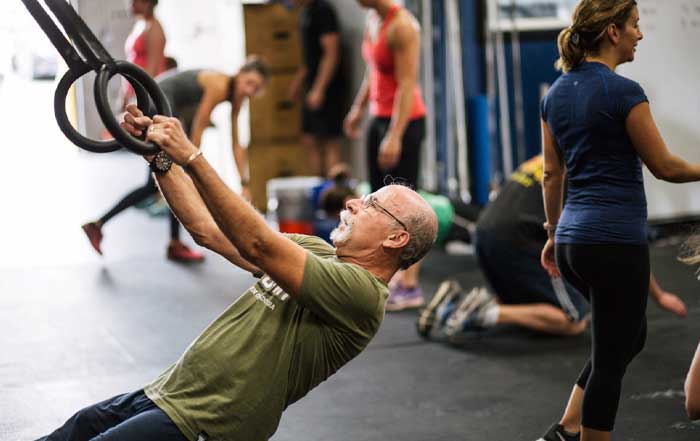
CrossFit has evolved from an underground training experiment into a global fitness language understood in cities and towns. What began in the late 1990s with Greg Glassman's unconventional approach to functional training-blending Olympic lifting, metabolic conditioning, and gymnastics into short, intense workouts-has become a worldwide ecosystem that intersects with wellness, business, technology, and culture. For readers of WellNewTime, who track the convergence of health, lifestyle, and innovation, CrossFit's trajectory offers a revealing case study in how a movement anchored in community and performance can scale without losing its identity, even as it adapts to changing consumer expectations and competitive pressures.
CrossFit's core principle-constantly varied functional movements performed at high intensity-proved remarkably portable across borders, demographics, and fitness levels. Early adoption of digital channels amplified this impact. Long before social media dominated, CrossFit.com and its daily Workout of the Day created a global virtual gym, where enthusiasts from the United States, Europe, Asia, and beyond compared times, exchanged coaching tips, and built a sense of belonging that transcended geography. As YouTube and later Instagram and TikTok matured, user-generated videos of personal records, transformations, and competitions transformed CrossFit into a visual and narrative phenomenon, giving aspiring athletes in London, Toronto, Sydney, or Cape Town the sense that they were part of a single, shared culture of effort and improvement.
By the mid-2020s, CrossFit's influence reached well beyond its affiliate network, touching apparel, equipment, nutrition, media, and even healthcare. Analysts estimate that over 100 million people worldwide have, at some point, trained in a CrossFit affiliate, followed CrossFit programming, or engaged with CrossFit-related digital content. This sits within a broader global wellness economy that the Global Wellness Institute projects to exceed US $7 trillion by 2025, with functional fitness as one of its most dynamic segments. For industry leaders, entrepreneurs, and policymakers who follow developments through platforms like WellNewTime Business, CrossFit's journey illustrates how experience, expertise, authoritativeness, and trustworthiness can be built at scale when a brand's story is closely aligned with the aspirations of its community.
A Distinctive Business Model with Local Soul
Unlike many of its competitors, CrossFit has grown through a licensing model rather than traditional franchising. Affiliates pay an annual fee to use the CrossFit name and access educational resources, yet retain full independence over programming, pricing, design, and culture. This structure has allowed a CrossFit box in Los Angeles to look and feel very different from one in Munich or Bangkok, while still sharing a recognizable ethos and vocabulary. For small business owners, this independence has been both a creative opportunity and a strategic risk, demanding strong local leadership and professional standards to maintain trust.
In major markets such as the United States, Canada, the United Kingdom, Germany, and Australia, many affiliates have matured into multi-service wellness hubs. It is increasingly common to see CrossFit gyms co-located with physiotherapy clinics, sports massage studios, and nutrition counseling services, reflecting a broader shift toward integrated health that readers can explore further in WellNewTime Wellness and WellNewTime Health. In cities like London or Amsterdam, where commercial rents are high and consumers are sophisticated, affiliates differentiate themselves through coaching quality, member experience, and brand partnerships rather than simply intensity of workouts.
CrossFit's economic ripple effect extends far beyond the walls of its boxes. Global players such as Nike, Reebok, and NOBULL have developed product lines tailored to functional fitness, while equipment manufacturers like Rogue Fitness supply barbells, rigs, and plates to affiliates and home gyms worldwide. The sports nutrition sector, represented by brands such as Optimum Nutrition and Momentous, has capitalized on CrossFit's performance-focused audience, aligning products with evidence-based recovery and fueling strategies. Learn more about how performance brands leverage community-driven sports by exploring business insights at WellNewTime Business.
The CrossFit Games and the Power of Elite Storytelling
At the pinnacle of this ecosystem stand the CrossFit Games, which have grown from a small gathering on a California ranch in 2007 into a global spectacle drawing elite athletes from more than 120 countries. The Games' format-testing strength, endurance, skill, and resilience across unknown, constantly evolving events-positions the winners as "Fittest on Earth," a claim that has become both a marketing asset and a cultural symbol. For host cities, from Madison to Fort Worth to Albany, the Games generate meaningful economic activity through tourism, hospitality, and sponsorship, while showcasing the city as a hub for health and active living.
Media has been central to this ascent. Professionally produced documentaries such as The Fittest and Redeemed and Dominant have streamed on Netflix, while live coverage on platforms like ESPN and YouTube has brought the drama of the Games to audiences who may never set foot in an affiliate. This strategy echoes the international expansion of organizations like the UFC, which used storytelling and accessible broadcasting to transform niche combat sports into mainstream entertainment, and it demonstrates how narrative and visibility can reinforce a brand's authority in the performance domain. Readers interested in how major events shape the wellness narrative can follow broader coverage via WellNewTime News.
The Games also serve as a powerful aspirational engine for everyday participants. While only a tiny fraction of CrossFitters qualify for elite competition, the annual CrossFit Open-an online, globally synchronized competition-invites hundreds of thousands to test themselves against friends, colleagues, and even the sport's stars. This mix of inclusivity and elite aspiration strengthens loyalty and deepens engagement, reinforcing CrossFit's unique position in the fitness landscape.
Technology, Data, and the New Training Paradigm
CrossFit's sustained relevance in 2026 is inseparable from its embrace of technology and data. During the COVID-19 pandemic, affiliates were forced to experiment with remote coaching, streaming classes, and digital membership models. While many members have since returned to in-person training, hybrid participation is now a permanent feature, with individuals in cities like New York, Paris, and Singapore combining box sessions with remote programming and at-home workouts.
Training platforms such as Beyond the Whiteboard and SugarWOD have become widely used tools within the community, allowing athletes to log workouts, analyze performance trends, and engage in friendly competition via leaderboards. Integration with wearables from Whoop, Garmin, and Oura has added layers of physiological insight, including heart-rate variability, sleep quality, and recovery scores, enabling both coaches and athletes to make more informed decisions about training load and rest. Learn more about the intersection of data, performance, and innovation through WellNewTime Innovation.
The next frontier lies in artificial intelligence and computer vision. Companies such as Tempo and Asensei are developing systems that analyze movement patterns through cameras, offering real-time feedback on form and technique. For CrossFit, where complex multi-joint movements like snatches and kipping pull-ups are commonplace, AI-assisted coaching could significantly enhance safety and scalability, especially in markets where access to highly experienced coaches remains limited. As these technologies mature, they will raise new questions about data privacy, coaching standards, and the balance between human expertise and algorithmic guidance-questions that a discerning business audience must evaluate carefully.
Regional Dynamics: How CrossFit Adapts Across the Globe
CrossFit's global footprint is not uniform; instead, it reflects local cultures, economic realities, and regulatory environments.
In the United States and Canada, the market is relatively mature. Many urban areas have reached saturation, prompting affiliates to focus on retention, specialization, and diversification rather than raw expansion. Corporate wellness programs, youth athletics, and masters-focused offerings have become important growth channels, with organizations experimenting with CrossFit-based interventions to address sedentary lifestyles and workplace stress. Initiatives like the U.S. Army's Holistic Health and Fitness (H2F) program, which incorporates functional training and recovery principles, highlight the method's influence beyond civilian gyms.
In Europe, CrossFit has integrated into a sophisticated fitness landscape where consumers expect high-quality coaching, regulatory compliance, and strong links to healthcare. Events like the CrossFit Lowlands Throwdown and French Throwdown have become fixtures on the competitive calendar, while Nordic countries leverage their outdoor culture to blend CrossFit with endurance sports and winter training. The alignment of functional fitness with public health goals in Sweden, Norway, Denmark, and Finland underscores how governments increasingly view structured exercise as a strategic asset in managing long-term healthcare costs. Readers can explore broader regional wellness dynamics via WellNewTime World.
In the Asia-Pacific region, CrossFit's positioning varies from premium lifestyle experience in Singapore and Hong Kong-often integrated into mixed-use developments and coworking spaces-to tightly programmed, technique-focused classes in Japan, where cultural values of precision and discipline align with detailed coaching. South Korea's competitive and aesthetic-driven fitness culture has given rise to performance-oriented communities that blend CrossFit with bodybuilding and functional aesthetics, reflecting the influence of social media and K-culture on body image and wellness.
Latin America, particularly Brazil, has emerged as one of the fastest-growing territories. CrossFit's emphasis on camaraderie, rhythm, and shared effort resonates deeply with local social norms, and affiliates frequently integrate dance, martial arts, and outdoor training. In cities, some boxes collaborate with NGOs and community organizations to offer subsidized programs for youth, using sport as a pathway to education and social mobility. Similar initiatives are emerging in Chile, Colombia, and Mexico, where CrossFit is more than a fitness option; it is a platform for community-building and empowerment.
In Africa and the Middle East, growth is uneven but promising. South Africa leads in affiliate numbers, with innovative models ranging from high-end urban boxes to community-driven outdoor setups. In the Gulf, particularly Dubai and Riyadh, CrossFit has become an emblem of modern, aspirational lifestyle, supported by government-backed wellness campaigns and major events like the Dubai Fitness Championship. These developments align with broader regional efforts to diversify economies and invest in preventive health infrastructure.
Competition, Differentiation, and Brand Identity
As CrossFit expanded, it inevitably inspired competitors and imitators. Brands such as F45 Training, OrangeTheory Fitness, and Barry's Bootcamp have captured significant market share by offering structured, time-efficient group workouts with consistent programming across franchised locations. F45's emphasis on scalability and technology, including its global franchise network and digital coaching screens, helped it secure investor attention and a public listing. OrangeTheory and Barry's, with their heart-rate-driven and high-energy studio experiences, appeal to consumers who value measurable exertion and a club-like atmosphere.
More recently, event-based concepts like Hyrox and DEKA Fit have emerged, offering standardized fitness races that combine running, rowing, sled pushes, and functional movements in formats perceived as more predictable and, for some, safer than high-skill CrossFit competitions. These brands target a similar demographic-time-poor professionals seeking challenge and community-while differentiating through format and risk perception.
CrossFit's enduring competitive advantage lies in its authenticity, decentralization, and depth of culture. Each affiliate is a unique expression of its owners and members, shaped by local preferences and constraints. While this can lead to variability in quality, it also fosters a sense of ownership and identity that heavily standardized franchises struggle to replicate. For professionals tracking brand positioning and consumer loyalty, this tension between consistency and autonomy is a critical strategic theme that resonates across industries, not just fitness, and is regularly explored in analyses on WellNewTime Brands.
Evidence, Safety, and the Integration with Health
A central question for any performance-focused modality is whether it is both effective and safe. Over the past decade, peer-reviewed research on high-intensity functional training has grown substantially. Studies published in journals like Sports Medicine and Frontiers in Physiology have documented improvements in aerobic capacity, muscular strength, and body composition among participants following well-coached CrossFit-style programs. Organizations such as ACE Fitness and the National Strength and Conditioning Association (NSCA) have produced position stands and analyses that, while sometimes critical of poor implementation, recognize the method's potential when applied with appropriate progression and supervision. Those interested can learn more about evidence-based training approaches through resources from bodies like the American College of Sports Medicine.
Injury risk remains a legitimate concern, particularly for beginners or individuals with pre-existing conditions. Common issues include overuse injuries to shoulders, knees, and lower back, often linked to inadequate technique, insufficient rest, or attempting advanced movements too quickly. In response, CrossFit has refined its Level 1 and Level 2 Trainer certifications, placing greater emphasis on movement assessment, scaling, and recovery education. Collaborations with healthcare institutions, including initiatives with Mayo Clinic Sports Medicine and other research centers, are aimed at building a more robust evidence base, standardizing best practices, and creating clearer pathways between clinical care and gym-based training. Readers can delve deeper into integrated health strategies via WellNewTime Health.
The relaunch of CrossFit Health in 2024 signaled a renewed focus on bridging the gap between medicine and fitness. By engaging physicians, physical therapists, and dietitians, CrossFit is positioning itself not merely as a workout methodology, but as a component of preventive healthcare. This aligns with global trends highlighted by organizations such as the World Health Organization and OECD that call for lifestyle interventions to combat noncommunicable diseases.
Digital Communities, Lifestyle, and Mindset
Beyond performance metrics and competition, CrossFit has become a lifestyle and mindset that influences how people eat, sleep, work, and travel. Social media communities on Instagram, TikTok, and YouTube connect members across time zones, sharing workouts, nutrition ideas, recovery protocols, and motivational stories. Influential figures like Mat Fraser, Tia-Clair Toomey, and Rich Froning have built training platforms and brands that extend the CrossFit ethos into broader lifestyle coaching, often combining physical training with mindset and habit frameworks.
This digital layer has made CrossFit accessible to individuals who may not have a local affiliate, particularly in emerging markets or rural areas. Online programs, remote coaching, and virtual communities allow people from Sweden to South Africa to Thailand to participate in shared challenges and cycles of training, reinforcing the sense of global belonging that first emerged on CrossFit.com. For readers of WellNewTime Lifestyle and WellNewTime Fitness, this intersection of digital community, identity, and everyday behavior illustrates how modern wellness movements are as much about narrative and connection as they are about protocols and prescriptions.
Mindfulness and mental resilience are increasingly recognized as integral to CrossFit's appeal. The discipline required to face difficult workouts, manage fear and self-doubt, and persist through discomfort has clear parallels with stress management and mental health. Many affiliates now incorporate breathwork, mobility, and recovery sessions that borrow from yoga and meditation traditions, aligning with global interest in holistic practices covered on WellNewTime Mindfulness. This convergence underscores a broader truth: the most enduring wellness practices are those that address the whole person-body, mind, and community.
Sustainability, Responsibility, and the Future of Functional Fitness
As environmental and social responsibility move to the forefront of corporate and consumer agendas, CrossFit affiliates and partners are increasingly examining their impact. Some gyms have installed energy-efficient lighting and ventilation, used recycled rubber for flooring, and sourced locally manufactured equipment to reduce shipping emissions. Initiatives like the Rogue ECO programs, which encourage sustainable manufacturing and logistics practices, illustrate how equipment suppliers are responding to both regulatory shifts and consumer expectations. Broader discussions on sustainable lifestyles and responsible consumption can be found at WellNewTime Environment.
In many regions, sustainability also means accessibility and equity. Community-funded boxes in parts of Brazil, South Africa, and Eastern Europe offer sliding-scale memberships or free youth programs, aligning with the United Nations Sustainable Development Goals, particularly those focused on health, education, and reduced inequalities. These initiatives demonstrate how a performance-focused methodology can be repurposed as a tool for social development, giving young people structure, mentorship, and a sense of achievement that extends beyond sport.
Looking ahead, the functional fitness sector, including CrossFit, faces important strategic choices. Analysts expect the global functional fitness market to surpass US $25 billion by 2030, driven by hybrid memberships, digital coaching, and large-scale events. To maintain leadership, CrossFit will need to continue strengthening governance and transparency, expand its digital ecosystem without diluting in-person community, deepen integration with healthcare systems, and ensure that diversity, inclusion, and environmental responsibility are embedded in its long-term strategy. These priorities mirror broader shifts in the wellness and business landscapes that are regularly examined on WellNewTime Business and WellNewTime Innovation.
What CrossFit Teaches the Global Wellness Economy
For the global audience seeking insight into wellness, massage, beauty, health, jobs, brands, lifestyle, environment, world trends, mindfulness, travel, and innovation, CrossFit's story provides several enduring lessons. First, authenticity and community can be more defensible than any single product or technology; people remain loyal to spaces and cultures that recognize them as individuals and challenge them to grow. Second, expertise and evidence matter; as the fitness sector professionalizes, brands that invest in education, research, and transparent communication will be better positioned to earn long-term trust. Third, scalability does not have to mean homogenization; CrossFit's affiliate model shows that a global brand can coexist with local creativity and ownership when guided by clear principles rather than rigid templates.
Ultimately, CrossFit's evolution from a garage gym concept to a worldwide movement reflects deeper shifts in how individuals and organizations think about health and performance. In a world where work is increasingly digital, stress levels are high, and social ties can feel fragmented, the simple act of gathering in a physical space to work hard, encourage others, and pursue incremental progress has profound significance, that is why CrossFit continues to resonate.
For readers of WellNewTime, the CrossFit narrative is more than a fitness story; it is a lens on how modern societies are redefining success, resilience, and community. Whether one chooses to participate in CrossFit or not, the principles it elevates-commitment, accountability, adaptability, and shared purpose-are likely to remain central to the next generation of wellness, business, and lifestyle innovation. Those seeking to navigate this evolving landscape can continue exploring interconnected themes across WellNewTime Fitness, WellNewTime Wellness, WellNewTime Lifestyle, WellNewTime Business, and WellNewTime Health, where the focus remains firmly on experience, expertise, authoritativeness, and trustworthiness in a rapidly changing world.