

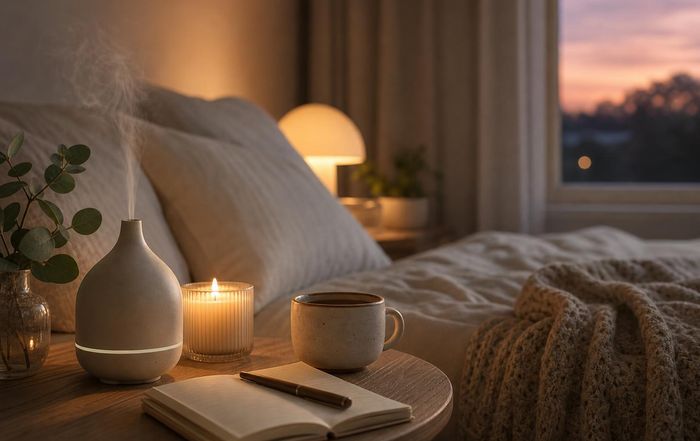
Creating a Low-Stimulation Evening Routine for Better Rest
For many people, nights are no longer quiet transitions into sleep but extensions of a busy day: glowing screens, late emails, streaming queues, and a racing mind. A low-stimulation evening routine is a deliberate antidote to that pace. It's not about perfection or a rigid schedule; it's about gradually signaling to your brain and body that wake time is ending and rest is coming.
This calm guide explores what "low stimulation" actually means, how it affects sleep biology, and how to design a realistic evening routine that fits your life-whether you live alone, share a home with children, or work irregular hours.
Why a low-stimulation evening matters for sleep
Sleep is governed by two main systems: the circadian rhythm (your internal body clock) and sleep pressure (how long you've been awake). Both are influenced by what happens in the hours before bed. High stimulation-bright light, noise, emotional drama, intense exercise, or work stress-can keep these systems in "day mode" even when the clock says night.
Research from organizations such as the National Sleep Foundation and American Academy of Sleep Medicine has consistently shown that evening exposure to bright light, especially blue-rich light from screens, suppresses melatonin, the hormone that helps regulate sleep timing. Studies referenced by bodies like the U.S. Centers for Disease Control and Prevention and World Health Organization also connect poor sleep with higher risks of chronic conditions, including cardiovascular disease, depression, obesity, and impaired immune function, making evening habits a public-health issue as much as a lifestyle choice.
Stimulation is not only visual. Loud or unpredictable sound can keep the nervous system on alert; emotionally charged conversations or news can raise stress hormones like cortisol; and late caffeine or heavy meals can activate the digestive system when it should be winding down. A low-stimulation evening routine works by trimming these inputs in a structured way, creating a calmer environment and internal state that allows sleep to arrive more easily and feel more restorative.
For readers exploring broader wellness strategies, this kind of routine sits naturally alongside practices like mindfulness and stress management. Related approaches are covered in more depth in our sections on wellness and mindfulness, which can complement practical sleep changes.
Understanding "stimulation": more than just screens
It is easy to blame phones and laptops for every sleep problem, but stimulation is multi-layered. Thinking about it in a few categories can make it easier to design a routine that genuinely calms you rather than just moves you from one type of stimulation to another.
Visual stimulation includes brightness, color temperature, and motion. Bright overhead LEDs, flashing TV scenes, and scrolling feeds all tell the brain that it is still daytime. Research from groups such as Harvard Medical School and Stanford Medicine suggests that blue-enriched light in the evening can delay melatonin onset and push sleep later, especially in adolescents and young adults. Dimmer, warmer light and slower visual input (like reading a physical book) reduce this effect, supporting a smoother transition toward sleep.
Auditory stimulation covers volume, predictability, and emotional meaning of sounds. A favorite quiet podcast might be relaxing for one person but overstimulating for another if it triggers intense thinking or emotions. Sudden loud noises-notifications, traffic, shouting-can trigger micro-arousals, disrupting the process of falling or staying asleep. Gentle, consistent background sound, such as a fan or white-noise machine, tends to be less disruptive for many people.
Cognitive and emotional stimulation may be the most underestimated. Work emails, financial planning, social media debates, or even exciting novels can keep thought loops running. The American Psychological Association notes that stress and rumination are among the most common contributors to insomnia. Even if the environment is dark and quiet, an active mind can delay sleep onset and increase nighttime awakenings.
Finally, physiological stimulation includes caffeine, nicotine, alcohol, large or spicy meals, and late-night high-intensity exercise. Organizations like NHS in the UK and Health Canada advise limiting caffeine at least six hours before bed and avoiding heavy meals right before sleep. While alcohol may make people feel sleepy, it tends to fragment sleep later in the night, reducing restorative deep and REM stages.
A low-stimulation evening routine takes all of these dimensions into account. Instead of focusing on a single "bad habit," it gently dials down visual, auditory, emotional, and physical input over the final one to three hours of the day.
Building a wind-down window: how long and when?
The ideal wind-down window varies, but many sleep specialists recommend 60-90 minutes of intentional downshifting before your target bedtime. For those with chronic insomnia or very busy days, extending that to two hours can be helpful, though not always realistic. The key is consistency: going to bed and waking up at roughly the same time every day, including weekends, helps anchor your circadian rhythm.
Guidance from groups like the Sleep Foundation and National Institutes of Health emphasizes that even small, repeatable cues-dimming lights at a certain time, making herbal tea, doing a brief stretch-can become powerful signals to the brain that sleep is approaching. These cues work best when they happen in the same order and around the same time most nights.
If your current evenings are packed with screens, late meals, or work, overhauling everything at once can backfire. Instead, consider a phased approach. In the first week, you might simply commit to turning off work email 60 minutes before bed and dimming lights. In later weeks, you could add calming activities such as gentle stretching or journaling. Readers interested in the broader behavior-change side of wellness may find additional support in our lifestyle and health sections, which explore habit formation and sustainable routines.
Shift workers and people in different time zones face extra complexity. For them, the principle is the same: create a consistent pre-sleep window, even if it happens at unconventional hours, and control light exposure as much as possible. Organizations like Sleep Health Foundation in Australia note that darkening the environment before daytime sleep and using bright light on waking can help stabilize an irregular schedule.
Light: the most powerful lever in a low-stimulation routine
Among all evening inputs, light is the most potent for most people because it directly affects the circadian system and melatonin production. Managing light is therefore a cornerstone of any low-stimulation routine.
Ideally, indoor lighting should gradually become dimmer and warmer as bedtime approaches. Instead of relying on a single bright overhead light, consider using lamps with warm-tone bulbs in the late evening. Many modern bulbs are labeled with their color temperature; lower numbers (around 2,700-3,000 Kelvin) are warmer and more sleep-friendly than cooler, blue-white light. Organizations like Lighting Europe and Illuminating Engineering Society have published guidance on human-centric lighting that aligns with this idea of shifting spectrum and intensity across the day.
Screens complicate matters because they emit blue-rich light close to the face. System-level "night modes" or blue-light filters on phones, tablets, and computers can reduce exposure, but they do not eliminate stimulation from content itself. Sleep researchers at institutions such as Mayo Clinic and Cleveland Clinic generally suggest avoiding screens for at least 30-60 minutes before bed when possible. If complete avoidance feels unrealistic, using the smallest, dimmest screen, enabling night mode, and keeping it at least arm's length away may lessen the impact.
Blackout curtains or eye masks can be especially valuable in urban environments or for shift workers sleeping during the day. The World Sleep Society notes that even moderate light levels during sleep can reduce melatonin and alter sleep architecture. A darker bedroom helps consolidate sleep and makes it easier to fall back asleep after nighttime awakenings.
For those interested in the environmental side of artificial light-both personal health and planetary impact-our environment coverage often explores how lighting choices intersect with energy use and ecological concerns.
Calming the nervous system: breath, body, and mind
A low-stimulation evening routine is not just about removing inputs; it is also about adding soothing practices that actively shift the nervous system from "fight-or-flight" to "rest-and-digest." This is where mind-body tools become particularly useful.
Gentle movement, such as light stretching, restorative yoga, or a slow walk, can release muscular tension from the day without raising heart rate too much. Organizations like Yoga Alliance and research summarized by NIH suggest that low-intensity yoga and stretching may improve sleep quality and reduce anxiety for some people. The aim is to feel looser and more grounded, not to hit a fitness target; higher-intensity workouts are generally better earlier in the day, as covered in more detail in our fitness section.
Breathwork is another accessible tool. Simple techniques such as lengthening the exhale (for example, inhaling for four counts, exhaling for six or eight) can activate the parasympathetic nervous system. Studies discussed by organizations such as Harvard Health Publishing highlight that slow, controlled breathing can lower heart rate and blood pressure and reduce subjective stress. Even five minutes of structured breathing can make a noticeable difference for some people.
Mindfulness and relaxation practices-such as body scans, guided imagery, or brief meditation-can help interrupt racing thoughts. Platforms and organizations like Headspace, Calm, and university-based mindfulness centers provide guided exercises, although many people prefer simple, unguided awareness of breath or body sensations. Our dedicated mindfulness coverage explores these approaches in more depth, including how to adapt them when you feel restless or skeptical.
For individuals with significant insomnia or anxiety, structured approaches such as cognitive behavioral therapy for insomnia (CBT-I), recommended by bodies like the American College of Physicians, may be more effective than self-help alone. These programs often integrate stimulus control, sleep scheduling, and cognitive tools to address unhelpful beliefs about sleep.
Choosing low-stimulation evening activities that actually suit you
A common trap is copying someone else's "perfect" night routine, only to find it doesn't fit your preferences or household reality. The most sustainable routines are personalized and flexible. The question to ask is not "What should I do?" but "What helps my body and mind feel quieter?"
Quiet, non-screen activities are strong candidates: reading a printed book or magazine, doing a simple puzzle, listening to calm music, drawing, knitting, or preparing for the next day in a low-pressure way. The British Sleep Society and similar organizations emphasize that relaxing pre-sleep rituals can become powerful cues, especially when they are enjoyable. If reading crime thrillers leaves you wired, try something gentler; if music draws you into intense memories, consider neutral soundscapes instead.
Sensory rituals can also be helpful. A warm shower or bath an hour or two before bed can slightly raise body temperature; as you cool down afterward, that drop can facilitate sleepiness, according to research summarized by Sleep Research Society and NIH. Lightly scented products, such as lavender, are popular, though evidence for specific aromatherapy effects is mixed. The main benefit likely comes from the association your brain builds between that scent and winding down.
Some people find value in a brief "worry time" or brain dump earlier in the evening, well before bed. Writing down concerns, to-dos, and possible solutions in a notebook can prevent them from looping when the lights go off. This aligns with cognitive techniques used in CBT-I and supported by studies referenced by APA and academic sleep centers.
For those interested in how brands and products intersect with wellness routines-from sleepwear to lighting to sound machines-our brands and business coverage often examines where marketing claims align with evidence and where they do not.
Managing digital devices and media in the evening
Completely eliminating screens is unrealistic for many people, especially those who connect with distant family or unwind with a favorite series. A low-stimulation evening routine does not require total abstinence; it calls for intentional use.
One approach is to define a "digital sunset": a time after which work-related and high-engagement apps are off-limits. That might mean logging out of email and messaging platforms, turning on "Do Not Disturb," and moving the phone away from the bed. Guidance from groups like Digital Wellness Lab and Common Sense Media suggests that having tech-free zones (such as the bedroom) or times (like the final hour before sleep) can reduce compulsive checking and improve perceived rest.
If you do watch TV or use a tablet in the evening, consider the type of content. Intense, fast-paced, or emotionally charged shows, games, or news can keep the nervous system activated long after the screen turns off. Calmer, slower-paced content may be less disruptive, though individual responses differ. Background TV that runs until you fall asleep tends to be more problematic, as it continues to deliver light and unpredictable sound throughout the night.
Social media deserves special mention. Platforms designed for infinite scrolling and emotional engagement can be particularly stimulating. Studies cited by organizations like Pew Research Center and APA have linked heavy social media use to increased anxiety and sleep problems in some groups, especially adolescents. Setting app limits, using grayscale mode, or keeping social apps off the home screen in the evening can create a small but meaningful barrier to reflexive use.
For readers curious about broader cultural and technological trends around always-on connectivity, our innovation and world sections often explore how digital life shapes health and behavior globally.
Food, drink, and evening movement: supporting, not sabotaging, sleep
Nutrition and movement choices in the final hours before bed can either support a low-stimulation routine or quietly undermine it. International health agencies, including WHO, CDC, and NHS, offer broadly similar guidance: avoid large, heavy, or very spicy meals close to bedtime; limit caffeine in the late afternoon and evening; and be cautious with alcohol as a sleep aid.
A large meal right before bed can cause indigestion, reflux, or general discomfort, all of which may fragment sleep. A lighter evening meal, finished at least two to three hours before lying down, is often more comfortable. For those who feel hungry closer to bedtime, a small snack that balances complex carbohydrates with a bit of protein-like yogurt, oatmeal, or a banana with nut butter-may be easier to tolerate. People with specific conditions, such as reflux or diabetes, should follow individualized medical advice.
Caffeine's stimulating effects can last for many hours. The Food and Drug Administration in the United States and similar regulators elsewhere note that sensitivity varies, but a common guideline is to avoid caffeine at least six hours before bed, and earlier if you are particularly sensitive. This includes not only coffee and energy drinks but also many teas, sodas, and even chocolate.
Alcohol is trickier because it can make people feel sleepy initially. However, as summarized by organizations like Alcohol Change UK and National Institute on Alcohol Abuse and Alcoholism, it tends to suppress REM sleep early in the night and cause more awakenings later, leading to less restorative rest overall. Using alcohol as a regular sleep aid can also lead to tolerance and dependence.
Evening exercise can be beneficial if it is moderate and not too close to bedtime. A brisk walk or gentle yoga may help relieve stress, while high-intensity interval training or competitive sports within an hour or two of bed may keep heart rate and adrenaline elevated. For more detail on timing and intensity of workouts, our fitness and health sections offer broader guidance on aligning movement with overall wellbeing.
Adapting a low-stimulation routine to different lifestyles
Life circumstances-children, caregiving, roommates, demanding jobs, or travel-shape what is realistic. The goal is not a flawless, spa-like evening but a pattern that tilts your nights toward calm more often than not.
Parents and caregivers may find that their evenings are fragmented by others' needs. In these cases, micro-rituals can be powerful: a two-minute breathing exercise after the last child is in bed, dimming household lights at a certain time, or playing the same gentle playlist while tidying up. Sleep experts often emphasize that consistency beats duration; even brief, repeatable cues can help your body recognize that your own sleep window is approaching.
People who share small spaces or live in noisy urban environments might focus more on controlling what they can: eye masks, earplugs, white-noise machines, and keeping the bed reserved primarily for sleep and intimacy, in line with stimulus-control strategies endorsed by organizations like the American Academy of Sleep Medicine. If work must happen in the evening, doing it at a dedicated desk or table rather than in bed can help preserve the bed-sleep association.
Frequent travelers and those crossing time zones face shifting light cues and schedules. General circadian guidance from bodies like CDC and Sleep Foundation suggests aligning your evening routine with your destination's local time as soon as practical: seeking morning light, avoiding bright light late at night, and using a familiar pre-sleep ritual (even a shortened one) to cue sleep. Our travel coverage often explores jet lag strategies and how to maintain wellbeing on the move.
For individuals juggling demanding jobs, late shifts, or startup culture expectations of 24/7 availability, setting boundaries may be the hardest but most impactful part of a low-stimulation routine. Clearly communicating "off" hours, using scheduled send features for emails, or keeping a separate work phone that powers down at night can protect the mental space needed for rest.
When to seek professional help
A thoughtfully designed low-stimulation evening routine can significantly improve sleep for many people, but it is not a cure-all. If you consistently struggle to fall asleep, wake frequently, or feel unrefreshed despite allowing adequate time in bed, it may be time to seek professional evaluation.
Signs that warrant medical input include loud snoring, gasping or choking during sleep, restless legs, severe daytime sleepiness, or mood changes that interfere with daily life. Conditions such as obstructive sleep apnea, restless legs syndrome, depression, anxiety, and chronic pain can all affect sleep and often require targeted treatment. National health services and professional bodies, including NHS, Mayo Clinic, and American Academy of Sleep Medicine, provide directories and guidance on when to consult a sleep specialist.
Psychological factors also matter. If you find yourself becoming anxious about sleep itself-clock-watching, worrying about performance, or feeling dread about bedtime-approaches like CBT-I, offered through some clinics and digital programs, may be particularly appropriate. These therapies typically combine behavioral strategies with tools to address unhelpful thoughts and have strong evidence support.
For clever balanced individuals exploring career paths in health and wellbeing, including sleep medicine, our jobs and business pages occasionally highlight roles and training opportunities in this growing field.
Bringing it together: a realistic low-stimulation night
A low-stimulation evening routine does not need to be elaborate to be effective. A simple, realistic example might look like this: finishing the last caffeinated drink by mid-afternoon; eating a moderate dinner a few hours before bed; dimming lights and closing bright screens 60-90 minutes before sleep; doing 10 minutes of gentle stretching and slow breathing; reading a paper book or journaling for a short time; and keeping the bedroom dark, cool, and quiet.
The specifics will vary by culture, household, and personal preference, but the underlying principles remain consistent: reduce intense sensory input, calm the nervous system, create predictable cues, and respect the body's need for regularity. For those interested in integrating these changes into a bigger approach to wellbeing, our educational sections on wellness, lifestyle, and health offer additional context on how rest interacts with movement, nutrition, work, and mental health.
Sleep is not something that can be forced, but it can be invited. A low-stimulation evening routine is essentially that invitation-a nightly gesture that says, with increasing clarity and consistency, that the day is done and it is safe to let go.