

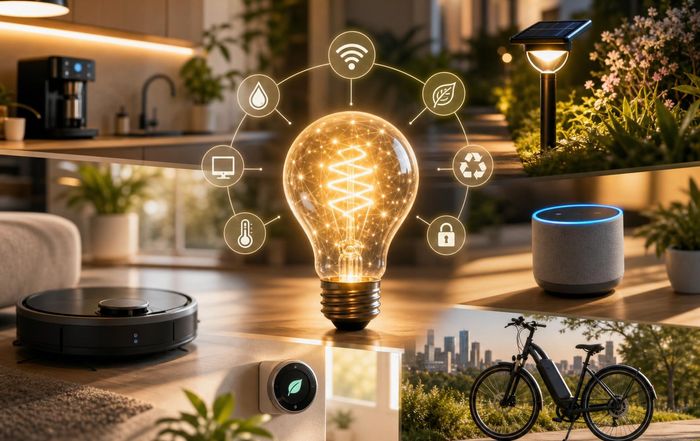
Innovation That Makes Everyday Life Better
A New Era of Everyday Innovation
Are you paying attention because innovation has moved from the realm of distant promise into the texture of daily life, reshaping how people work, move, rest, and relate to one another across continents. What once sounded like the language of futurists is now embedded in ordinary routines from New York and London to Singapore, Berlin, Sydney, and São Paulo. For the growing peace seeking article readers of WellNewTime-individuals and leaders who care deeply about wellness, health, fitness, mindfulness, travel, beauty, business, brands, lifestyle, environment, massage, and the wider world-innovation is no longer just about faster devices or more powerful software; it is about designing systems, services, and experiences that make life measurably better, more sustainable, and more human-centered.
This shift reflects a broader understanding that technological progress must be evaluated not only by its novelty or financial returns, but also by its impact on physical health, emotional balance, environmental responsibility, and social cohesion. Organizations such as the World Health Organization have emphasized the growing burden of chronic disease and mental health challenges, encouraging policymakers and companies to adopt integrated approaches that span healthcare, urban design, and digital infrastructure. At the same time, platforms like WellNewTime are curating and interpreting this wave of change so that readers can translate complex developments into practical decisions for their bodies, businesses, and communities, supported by dedicated sections on wellness, health, and lifestyle.
Wellness and Health: From Reactive Care to Proactive Living
One of the most profound transformations of the last decade has been the shift from reactive, illness-centered care to proactive, data-informed wellness. As global health systems in the United States, Europe, Asia, and beyond struggled with the costs of chronic diseases, leading research institutions such as Harvard T.H. Chan School of Public Health and Mayo Clinic have increasingly highlighted the importance of prevention, lifestyle medicine, and early intervention. Innovations in biosensors, telehealth platforms, and AI-assisted diagnostics now enable individuals to monitor key health indicators continuously, rather than waiting for annual check-ups or acute episodes.
Wearable devices, once limited to simple step counters, can now track heart rate variability, sleep architecture, blood oxygen levels, and even early arrhythmias, with companies like Apple, Garmin, and Fitbit integrating their products into clinical research and remote care programs. Readers interested in how these tools intersect with holistic wellness can explore the evolving guidance on health and wellness at WellNewTime, where the emphasis is not only on gadgets but on the behaviors, routines, and mindsets that make data meaningful. Meanwhile, the U.S. Centers for Disease Control and Prevention and Public Health England (now the UK Health Security Agency) have been publishing frameworks that encourage employers and city planners to integrate evidence-based wellness strategies into workplaces and neighborhoods, from active commuting infrastructure to healthier food environments.
Telehealth has matured from an emergency solution into a core pillar of healthcare delivery, particularly in countries like Canada, Australia, and the Nordic region, where distance and climate have always posed challenges. Platforms supported by organizations such as Cleveland Clinic and Kaiser Permanente now combine video consultations, remote monitoring, and AI triage, reducing waiting times and enabling more personalized follow-up care. Learn more about how digital health is redefining access and quality of care through resources from the World Health Organization and the European Commission's digital health initiatives, which illustrate how policy, regulation, and innovation can align to support safer, more equitable systems.
Fitness and Movement: Intelligent Training for Real Lives
The fitness landscape has also been transformed by innovation that recognizes the diversity of bodies, goals, and life circumstances. Rather than promoting a single ideal of athleticism, leading institutions such as the American College of Sports Medicine and World Physiotherapy have advocated for more inclusive, evidence-based approaches that prioritize functional movement, injury prevention, and long-term adherence over short-term intensity. Smart fitness platforms now leverage AI to adapt training plans in real time, taking into account sleep quality, stress levels, and recovery metrics, rather than relying on static schedules.
In major cities across North America, Europe, and Asia, hybrid fitness models that blend in-person classes with on-demand digital content have become the norm, allowing individuals to exercise at home, in the gym, or while traveling, without sacrificing structure or community. WellNewTime's fitness coverage reflects this evolution, highlighting both cutting-edge performance tools and accessible movement practices suitable for busy professionals, older adults, and people managing chronic conditions. Learn more about sustainable training methods through resources from The American Council on Exercise and Sports Medicine Australia, which provide guidance on safe programming and the long-term benefits of moderate, consistent activity.
Advanced motion-capture technologies, once confined to elite sports labs, are now embedded in consumer devices and studio equipment, enabling precise feedback on posture, joint loading, and technique. This not only improves performance but also reduces the risk of overuse injuries, which have historically sidelined many well-intentioned fitness journeys. In countries such as Japan, South Korea, and Germany, where aging populations present unique challenges, public and private sectors are experimenting with community-based exercise programs supported by digital tools that track participation and outcomes, demonstrating how innovation can support both individual vitality and national health systems.
Mindfulness and Mental Wellbeing: Human-Centric Technology
Innovation in 2026 is not solely about efficiency and optimization; it is increasingly being judged by its capacity to support mental and emotional wellbeing. As research from organizations such as Johns Hopkins Medicine and The National Institute of Mental Health has documented the prevalence and cost of anxiety, depression, and burnout, companies and governments have recognized that mental health is a strategic priority, not a peripheral concern. Digital mindfulness platforms, virtual therapy services, and AI-powered emotional support tools have proliferated, but the most impactful solutions are those that are grounded in rigorous science and ethical design.
For readers of WellNewTime, the intersection of mindfulness, neuroscience, and technology is explored in depth within the mindfulness and lifestyle sections, where practices such as breathwork, meditation, and contemplative movement are presented alongside insights into sleep hygiene, digital boundaries, and work-life integration. Learn more about the clinical evidence for mindfulness-based interventions through resources from Oxford Mindfulness Foundation and University of Massachusetts Chan Medical School, which have been at the forefront of research and training in this field.
At the organizational level, leading employers in the United States, United Kingdom, Singapore, and the Nordic countries are adopting comprehensive mental health strategies that integrate flexible work policies, psychological safety training for managers, and confidential access to counseling services. The World Economic Forum has repeatedly emphasized that future-ready workplaces must prioritize mental health and resilience as core components of productivity and innovation, rather than viewing them as optional benefits. This perspective has encouraged investment in tools that monitor workload, communication patterns, and collaboration dynamics, helping teams to identify early signs of overload and adjust before burnout occurs.
Travel and Lifestyle: Seamless, Sustainable Experiences
Travel in 2026 is defined by a delicate balance between the desire for exploration and the imperative of sustainability. Innovations in transportation, hospitality, and digital services have made it easier to move across borders while minimizing environmental impact and maximizing wellbeing. Airlines and airports worldwide are experimenting with sustainable aviation fuels, improved air traffic management, and more efficient aircraft, guided by frameworks from organizations such as the International Air Transport Association and the International Civil Aviation Organization. Learn more about sustainable aviation and its role in global climate goals through analyses from the International Energy Agency, which tracks progress and scenarios for decarbonizing transport.
For travelers who prioritize wellness, the growth of health-focused hotels, regenerative tourism initiatives, and digital concierge services has redefined what it means to be "on the road." Properties across Europe, Asia, and the Americas now offer integrated fitness, mindfulness, and nutrition programs, while some destinations in countries like Costa Rica, New Zealand, and Norway are positioning themselves as hubs for nature-based, low-impact travel experiences. WellNewTime's travel and environment sections highlight how to evaluate destinations, accommodations, and experiences through the lens of wellbeing, local impact, and climate responsibility.
Digital innovation has also made travel more seamless and accessible. Biometric identity verification, real-time language translation, and AI-enhanced itinerary planning are now standard features on platforms supported by companies such as Google, Microsoft, and Booking Holdings, enabling travelers to navigate unfamiliar environments with greater confidence and less stress. At the same time, regulatory bodies like the European Union have strengthened data protection and consumer rights, ensuring that convenience does not come at the expense of privacy or fairness. For global citizens who divide their time between multiple regions, these developments have turned complex international lifestyles into more manageable, enriching experiences.
Beauty, Massage, and the Science of Everyday Care
Innovation in beauty and body care has moved decisively toward science-backed, personalized solutions that respect both human health and planetary boundaries. Dermatological research from institutions such as Stanford Medicine and French National Institute of Health and Medical Research (INSERM) has deepened understanding of skin biology, microbiome interactions, and the long-term effects of environmental stressors, leading to more targeted formulations and routines. Consumers in markets from the United States and Canada to South Korea, Japan, and France are increasingly demanding transparency in ingredients, sourcing, and testing, prompting global brands and emerging startups to invest in clean, clinically tested products.
WellNewTime's beauty and brands coverage reflects this shift by emphasizing products and practices that are supported by credible science and ethical standards, rather than fleeting trends. Learn more about cosmetic safety and regulatory frameworks through resources from the European Chemicals Agency and the U.S. Food and Drug Administration, which provide guidance on ingredient evaluation, labeling, and consumer protection. This regulatory clarity, combined with advances in materials science and biotechnology, has enabled innovations such as bioengineered actives, eco-friendly packaging, and refillable systems that reduce waste without compromising performance.
Massage and bodywork have also benefited from new research and technologies that validate and enhance traditional practices. Studies from organizations such as The National Center for Complementary and Integrative Health and Charité - Universitätsmedizin Berlin have explored how manual therapies can influence pain perception, stress hormones, and recovery from injury, supporting their integration into mainstream health and wellness programs. In response, high-end spas, corporate wellness providers, and rehabilitation clinics across Europe, Asia, and North America are combining hands-on techniques with digital tools that track outcomes, personalize protocols, and integrate massage into broader wellness plans. Readers can explore how massage fits into a holistic approach to wellbeing through WellNewTime's dedicated massage and wellness resources, which highlight both the art and science of touch.
Business, Brands, and the Economics of Better Living
Innovation that improves everyday life does not emerge in a vacuum; it is shaped by business models, investment flows, and regulatory environments that either incentivize or hinder long-term thinking. In 2026, leading organizations across sectors-from technology and healthcare to consumer goods and finance-are increasingly judged by their contributions to human and planetary wellbeing, not just quarterly earnings. Frameworks such as environmental, social, and governance (ESG) reporting, impact investing, and stakeholder capitalism, promoted by entities including the World Economic Forum and the United Nations Global Compact, have encouraged companies to align innovation strategies with measurable social outcomes. Learn more about sustainable business practices through resources from Harvard Business School and MIT Sloan School of Management, which analyze how purpose-driven models can create durable competitive advantage.
For the business-focused readers of WellNewTime, the business and innovation sections provide insight into how leaders in the United States, Europe, Asia, and other regions are integrating wellness, flexibility, and sustainability into product design, operations, and corporate culture. This includes case studies of organizations that have reimagined office spaces as health-promoting environments, invested in mental health support, or redesigned supply chains to reduce emissions and waste. Regulators such as the European Commission and the U.S. Securities and Exchange Commission have also begun to require more detailed disclosures on climate risks, human capital, and data protection, creating new incentives for responsible innovation.
Brands that resonate in this environment are those that demonstrate authenticity, transparency, and responsiveness to evolving expectations. Consumers in markets as diverse as Germany, Brazil, Singapore, and South Africa are using digital platforms to scrutinize sourcing, labor practices, and environmental impact, rewarding companies that align their messaging with verifiable action. WellNewTime's brands and news coverage tracks these developments, helping readers distinguish between genuine innovation and superficial marketing claims, and highlighting emerging players who are redefining categories from wellness tech to sustainable fashion.
Environment and Innovation: Living Within Planetary Boundaries
No discussion of innovation that makes everyday life better in 2026 can ignore the planetary context in which all human activity unfolds. Climate change, biodiversity loss, and resource constraints are no longer abstract scenarios; they are lived realities affecting air quality in cities, food security in rural regions, and the frequency of extreme weather events across continents. Organizations such as the Intergovernmental Panel on Climate Change and United Nations Environment Programme have repeatedly warned that incremental improvements are insufficient, calling for systemic shifts in energy, transportation, agriculture, and consumption patterns. Learn more about the science and policy landscape through reports from IPCC and data from Our World in Data, which provide accessible visualizations of global trends.
Innovation is central to this transition, but it must be guided by robust science and long-term thinking. Renewable energy technologies, circular economy models, and nature-based solutions are increasingly shaping national strategies in regions as diverse as the European Union, China, India, and the Americas. Companies in sectors from construction to consumer goods are experimenting with low-carbon materials, regenerative agriculture, and product-as-a-service models that decouple revenue from resource extraction. WellNewTime's environment and world sections examine how these macro-level shifts translate into everyday experiences, from cleaner air and more resilient food systems to greener neighborhoods and healthier homes.
For individuals, innovation in this domain often appears in the form of more efficient appliances, smart home systems that optimize energy use, and mobility options that reduce dependence on private cars. Cities such as Copenhagen, Amsterdam, Singapore, and Vancouver have become laboratories for integrated solutions that combine digital technologies, urban planning, and community engagement to create healthier, more livable environments. These examples demonstrate that environmental responsibility and quality of life are not opposing goals but mutually reinforcing outcomes when innovation is thoughtfully applied.
Work, Skills, and the Future of Jobs
As innovation reshapes daily life, it is also transforming the nature of work, careers, and skills. Automation, artificial intelligence, and digital platforms have altered job profiles across industries, from manufacturing and logistics to healthcare and professional services. Organizations such as the International Labour Organization and OECD have analyzed these trends, emphasizing both the risks of displacement and the opportunities for new types of employment that support aging populations, green transitions, and digital infrastructure. Learn more about the future of work and skills development through resources from McKinsey Global Institute and World Bank, which provide data-driven scenarios and policy recommendations.
For the audience of WellNewTime, the evolution of jobs is not only an economic issue but a wellbeing concern. The rise of remote and hybrid work models, accelerated in the early 2020s and refined over subsequent years, has offered greater flexibility but also blurred boundaries between professional and personal life. Employers in the United States, United Kingdom, Germany, and beyond are experimenting with four-day workweeks, outcome-based performance metrics, and redesigned physical spaces that prioritize collaboration and recovery over constant presence. WellNewTime's jobs and business sections explore how individuals can navigate this shifting landscape, from acquiring new skills and certifications to negotiating healthier work arrangements.
Education and training systems are also adapting, with universities, vocational institutions, and online platforms partnering with industry to deliver modular, lifelong learning pathways. In regions such as Asia-Pacific and Northern Europe, governments are investing in reskilling programs that support transitions into sectors such as renewable energy, digital health, and advanced manufacturing, recognizing that social stability and innovation capacity are intertwined. For professionals seeking to future-proof their careers while maintaining balance and purpose, the key lies in integrating technical competence with human-centered skills such as empathy, critical thinking, and cross-cultural communication.
WellNewTime's Role in a More Livable Future
In this complex, rapidly changing landscape, WellNewTime serves as a trusted guide for readers who want to understand not only what is new, but what is genuinely better, through fresh, engaging and totally unique articles. By curating insights across wellness, health, fitness, mindfulness, travel, beauty, business, brands, lifestyle, environment, massage, world affairs, innovation, jobs, and news, the platform connects high-level trends with practical decisions that affect how people live, work, and care for themselves and others. The site's integrated structure-from wellness and health to innovation and world-reflects a belief that true progress is holistic, crossing boundaries between sectors and regions.
As innovation continues to reshape everyday life in 2026 and beyond, the central question for individuals, organizations, and societies is not whether change will occur, but how it will be directed. The most valuable innovations will be those that enhance human experience, deepen expertise, demonstrate authoritativeness through evidence and transparency, and earn trust by aligning with long-term wellbeing for people and planet. By staying informed, discerning, and engaged through growing member communities like WellNewTime and reputable global institutions, readers can play an active role in shaping a future where innovation consistently makes everyday life not just more advanced, but more meaningful, healthy, and sustainable.