

The New Era of Professional Fitness in the UK: How Busy People Stay Well
The professional landscape in the United Kingdom in 2026 is defined by persistent hybrid work models, globalised competition, and heightened expectations around productivity and responsiveness. Professionals across sectors in London, Manchester, Edinburgh, Birmingham, Bristol, and beyond are navigating a work culture that routinely extends beyond traditional office hours, and while technology has enabled greater flexibility, it has also blurred boundaries between personal and professional life. In this environment, health, fitness, and mental well-being can easily fall to the bottom of the priority list, even as awareness of their importance has never been higher.
For the audience of WellNewTime, which spans wellness, business, fitness, lifestyle, and innovation across the UK, Europe, North America, Asia, and other key global regions, this tension is particularly relevant. The challenge is no longer about whether fitness matters, but about how to integrate sustainable, evidence-based wellness into a schedule that already feels overcommitted. As professionals routinely clock 40 to 60 hours per week, and often more in sectors such as finance, law, technology, consulting, and healthcare, the demand has shifted decisively toward time-efficient, high-impact wellness solutions that respect the realities of modern work.
In 2026, the most effective fitness programs for busy UK professionals are those that combine scientific rigour with digital convenience, enabling people to train in short, focused sessions at home, in the office, on business trips, or even between back-to-back virtual meetings. These programs increasingly go beyond aesthetics or weight loss, positioning fitness as a strategic asset for energy management, cognitive performance, emotional resilience, and long-term health. Platforms that succeed in this space are those that embody experience, expertise, authoritativeness, and trustworthiness-values that WellNewTime also seeks to champion across its health, fitness, and business coverage.
Defining an Ideal Fitness Program for the Time-Pressed Professional
An ideal fitness solution for busy professionals in 2026 is not defined by how long a person spends exercising, but by how intelligently that time is used. The most successful programs emphasise efficiency over duration, leveraging research-backed methods such as high-intensity interval training, functional strength circuits, mobility work, and targeted recovery protocols to deliver substantial benefits in as little as 10 to 30 minutes. Resources such as the UK National Health Service (NHS) now openly acknowledge the value of short, regular bouts of physical activity for cardiovascular health, metabolic function, and mental well-being, and professionals are increasingly aligning their routines with this evidence. Readers can explore official guidelines and recommendations through the NHS physical activity advice.
Flexibility is equally critical. With hybrid work and frequent travel now normalised across many sectors in the United Kingdom, fitness programs must be accessible from smartphones, tablets, laptops, and smart TVs, and must function effectively in small living spaces, hotel rooms, or office environments. Integration with wearables and digital health platforms has become a baseline expectation rather than a differentiator. Tools that connect seamlessly to devices like the Apple Watch, Garmin, and Fitbit enable professionals to track heart rate, sleep, recovery, and stress, making wellness decisions more data-driven and less reliant on guesswork. Those interested in the broader context of health technology adoption can explore global trends via World Health Organization digital health resources.
Crucially, modern fitness programs for professionals do not limit themselves to exercise alone. They increasingly incorporate nutrition guidance, mindfulness practices, sleep education, and even ergonomic advice, reflecting a holistic view of human performance. The most trusted platforms provide structured plans, expert-led content, and robust tracking tools, fostering a sense of accountability that busy individuals often lack when training alone. This integrated approach aligns closely with the editorial philosophy of WellNewTime, which connects physical activity with broader wellness, lifestyle, and mindfulness themes.
Standout Digital Fitness Platforms for UK Professionals
Among the many options available in 2026, several platforms have distinguished themselves with strong adoption among UK office workers, entrepreneurs, executives, and independent professionals looking for high-impact, time-efficient training.
Fiit: Studio-Quality Training in the Living Room
Fiit has solidified its reputation as one of the UK's leading digital fitness platforms, particularly among urban professionals who want the intensity and structure of a boutique studio without commuting or rigid timetables. Fiit offers an extensive library of high-intensity interval training, strength, cardio, mobility, and yoga sessions, all designed by experienced coaches and supported by performance metrics. Its classes typically range from 10 to 40 minutes, making it possible to schedule a meaningful workout between calls or at the start of a demanding day.
The platform integrates with major wearables, enabling real-time monitoring of heart rate and effort, and it provides competitive leaderboards and progress tracking that appeal to data-oriented professionals. Its adoption is particularly strong in cities like London and Manchester, where long working hours and commuting pressures make flexible training essential. Those interested in exploring this model further can visit the Fiit official website to understand how its programs are structured.
Peloton App UK: Comprehensive Fitness Beyond the Bike
Peloton has evolved far beyond its original identity as a connected bike company. In the UK, the Peloton App has become a comprehensive digital fitness ecosystem offering strength, running, walking, yoga, pilates, mobility, and meditation, alongside its signature cycling content. The app's filterable sessions, which range from 5 to 60 minutes, allow professionals to choose workouts based on duration, intensity, and equipment availability, making it particularly suited to those with unpredictable schedules.
The platform's combination of live classes, on-demand content, and audio-only sessions enables users to train during lunch breaks, in hotel gyms, or even while travelling internationally for work. This has made Peloton especially popular in financial districts such as Canary Wharf and in technology and creative hubs across the UK, where global collaboration and time-zone shifts are common. More information on Peloton's UK offering is available on the Peloton UK website.
The Body Coach: Personality-Driven, Results-Focused Coaching
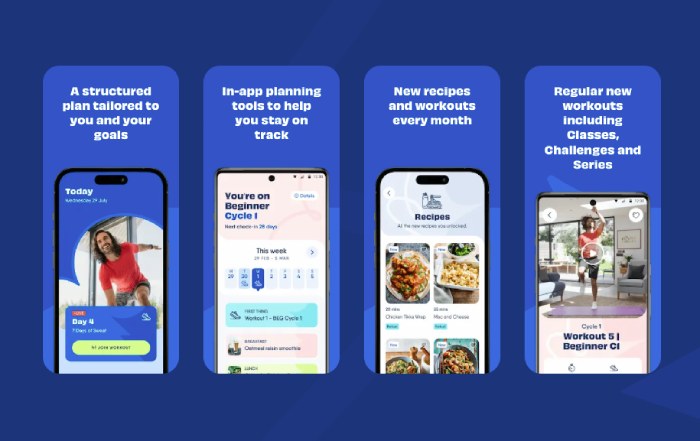
Joe Wicks, widely recognised as The Body Coach, remains a trusted figure in UK fitness, particularly among busy parents, young professionals, and those who prefer a personable, encouraging coaching style. His app-based program provides structured plans built around short, intense workouts-often 20 to 25 minutes-combined with detailed meal planning, recipes, and progress tracking.
The Body Coach model resonates with individuals who want a clear roadmap and a sense of being guided rather than left to navigate an overwhelming array of options. The emphasis on home-based training with minimal equipment makes it particularly attractive to those working remotely or balancing childcare with professional responsibilities. Interested readers can explore his approach via The Body Coach official site.
Tailored Solutions for Distinct Professional Lifestyles
The UK workforce in 2026 is far from homogenous. From C-suite executives and investment bankers to NHS frontline staff, freelancers, creatives, and remote-working parents, each group faces unique constraints, stressors, and health risks. Effective fitness programs recognise this diversity and offer tailored pathways that align with specific routines and responsibilities.
Executive and Leadership-Level Professionals
Senior leaders and executives often contend with long hours, high-stakes decision-making, frequent travel, and limited recovery time. Their fitness needs typically centre on stress management, cardiovascular health, core strength, and mental sharpness. Ultimate Performance (UP Fitness) has emerged as a prominent solution for this demographic, offering highly personalised coaching both in-person at studios in London, Manchester, and Leeds, and via remote digital programs. UP Fitness is known for its data-driven, results-focused methodology, combining strength training, nutrition plans, and continuous accountability. More about their methodology can be found on the UP Fitness website.
In parallel, platforms like Future (available in the UK through iOS) pair users with elite coaches who design weekly programs that adapt dynamically to travel schedules, changing workloads, and available equipment. This one-to-one digital coaching model appeals to leaders who value discretion, precision, and efficiency. For those exploring how executive health intersects with organisational performance, WellNewTime regularly covers this theme in its business and jobs sections.
Shift Workers and Essential Professionals
Healthcare workers, transport operators, hospitality staff, and law enforcement professionals often work irregular hours and face substantial physical and emotional demands. For these groups, consistency can be harder to achieve, and recovery is especially critical. The Centr app, created by Chris Hemsworth and a team of trainers, chefs, and mindfulness experts, offers flexible programs with short, functional workouts, guided meditations, and practical meal suggestions that can be implemented even during demanding shift patterns. Details of their integrated approach are outlined on the Centr platform.
The Johnson & Johnson Official 7 Minute Workout is another widely used tool among UK shift workers, providing scientifically validated, equipment-free routines that can be completed in short breaks. The program is based on research published in reputable journals and is designed to deliver measurable benefits in minimal time, which is ideal for those with limited control over their daily schedule. Professionals can review the background of this method through resources such as the American College of Sports Medicine.
For recovery and musculoskeletal support, shift workers are increasingly turning to massage, stretching, and relaxation therapies, an area that WellNewTime explores in depth within its massage and wellness content.
Remote-Working Parents and Caregivers
Remote and hybrid work has allowed many UK parents to stay closer to home, but it has also introduced new pressures as professional and domestic responsibilities overlap. Quiet, space-efficient workouts that can be done without disturbing sleeping children or interrupting meetings are especially valued. Yoga with Adriene, accessible via YouTube and the Find What Feels Good app, has maintained a strong following among UK parents, offering targeted sequences for stress relief, back pain, and energy management.
Meanwhile, FitOn provides free and premium programs with short, guided sessions that include low-impact, family-friendly, and postpartum options. Its ability to deliver structured training without requiring expensive equipment or long time commitments makes it particularly relevant in this context. Parents seeking broader strategies for balancing self-care with caregiving responsibilities will find aligned perspectives within WellNewTime's lifestyle and mindfulness sections.
Corporate Wellness: From Perk to Strategic Imperative
Corporate wellness in the UK has undergone a fundamental shift from optional benefit to strategic necessity. In 2026, organisations across finance, technology, professional services, education, and the public sector are investing in structured wellness programs to reduce absenteeism, improve engagement, and attract and retain top talent. This reflects a broader global trend documented by bodies such as the World Economic Forum, which has highlighted the economic value of workforce well-being.
Gympass UK has become a prominent player in this space, offering employees access to a network of gyms, studios, and digital platforms under a single corporate subscription. This model respects individual preferences by allowing each employee to choose the environment and format that best suits their lifestyle. Similarly, ClassPass continues to partner with employers to offer flexible fitness access across multiple cities and countries, which is particularly useful for globally mobile teams and cross-border organisations.
On the mental health side, platforms such as Unmind, Headspace for Work, and Calm Business have been widely adopted by UK employers seeking to address stress, burnout, and emotional resilience. These solutions provide structured, clinically informed content that complements physical fitness programs, reinforcing a holistic approach to employee health. Those interested in how corporate wellness is evolving globally can explore perspectives from the Chartered Institute of Personnel and Development (CIPD).
WellNewTime regularly examines these dynamics through its jobs and news verticals, highlighting best practices and innovations in workplace well-being.
Integrating Nutrition, Mindfulness, and Ergonomics
In 2026, professionals increasingly recognise that fitness gains are limited without appropriate nutrition, mental health support, and attention to ergonomics. The most authoritative and trusted wellness strategies integrate these elements seamlessly.
On the nutritional front, apps such as MyFitnessPal and Lifesum remain widely used for tracking caloric intake, macronutrients, and micronutrients, and for aligning diet with training goals. These platforms are enhanced by the growth of personalised nutrition services, including offerings like ZOE, which uses microbiome and metabolic testing to tailor dietary recommendations. Interested readers can review broader nutritional science insights via the British Nutrition Foundation.
Mindfulness and mental resilience have become central pillars of professional performance. Evidence-based platforms such as Headspace and Calm are supported by a growing body of research demonstrating the impact of brief daily meditation on stress, sleep, and focus. The NHS has also expanded its digital mental health resources, making mindfulness and cognitive behavioural tools more widely accessible to the UK workforce; these can be explored through the NHS mental health and wellbeing hub. WellNewTime connects these themes to everyday practice in its mindfulness coverage.
Ergonomics, too, has moved into the mainstream of wellness discourse. With millions of professionals spending prolonged hours at desks or on laptops, musculoskeletal issues and eye strain have become common. Solutions range from standing desks and active seating to micro-break stretching protocols and posture-correction guidance. Organisations such as the Health and Safety Executive (HSE) provide clear guidelines on display screen equipment use and workstation setup, accessible via the HSE official website. These principles are frequently integrated into corporate wellness programs and are reflected in WellNewTime's ongoing lifestyle and environment reporting.
Wearables, AI, and the Data-Driven Fitness Revolution
Wearable technology and artificial intelligence now sit at the heart of many UK professionals' fitness strategies. Devices such as the Apple Watch Series 9, Garmin Venu 3, Fitbit Sense 2, and Whoop bands deliver continuous monitoring of heart rate variability, sleep quality, stress levels, and activity patterns. This data is increasingly used not only for tracking progress but for dynamically adjusting training loads and recovery strategies.
AI-driven apps such as Freeletics, Fitbod, and Jefit analyse previous workouts, performance indicators, and user feedback to generate adaptive training plans that evolve with the individual. Metabolic analysis tools like Lumen provide real-time feedback on fuel utilisation, enabling more precise alignment between nutrition and exercise. These technologies collectively reduce decision fatigue and help busy professionals focus on execution, confident that their routines are optimised for current conditions. Those seeking a wider context on digital health and AI can consult resources from the UK Government's Office for Life Sciences.
For WellNewTime, which maintains a dedicated interest in innovation and technology-enabled wellness, these developments underscore a broader shift toward personalised, preventive health-a shift that is reshaping expectations in the UK, Europe, North America, and across global markets.
Hybrid Fitness Models: Blending Virtual and In-Person Experiences
The question of whether in-person or virtual training is "better" has largely given way to a hybrid reality in 2026. Many UK professionals now combine app-based training with occasional in-person sessions, leveraging the strengths of each. Virtual platforms offer unmatched convenience, cost-efficiency, and choice, while physical gyms and studios provide social connection, environmental focus, and hands-on coaching that can be particularly valuable for technique-heavy disciplines or injury prevention.
Gyms and boutique studios across the UK have responded by offering live-streamed classes, on-demand content libraries, and app-based progress tracking alongside traditional memberships. Some have introduced smart mirrors, virtual reality training experiences, and AI-assisted form analysis, reflecting a broader digital transformation in the fitness industry. Industry organisations such as ukactive track and report on these trends, and interested readers can learn more about sector developments via the ukactive website.
For professionals evaluating how best to structure their own hybrid approach, WellNewTime provides ongoing analysis across its fitness, business, and world sections, connecting local UK developments with global best practices.
Looking Ahead: The Future of Professional Fitness in the UK
As the UK continues to adapt to evolving economic conditions, demographic shifts, and technological advances, professional fitness is poised to become even more integrated into daily life. Over the coming years, several trends are likely to accelerate: deeper integration of AI into personalised training and nutrition planning, broader adoption of corporate-funded wellness subscriptions, expansion of preventive health technologies supported by the NHS, and increased convergence between mental and physical health services.
Globally, organisations such as the Organisation for Economic Co-operation and Development (OECD) and World Bank have highlighted the link between population health and economic resilience, a connection that is now being internalised at both policy and corporate levels. Those interested in macro-level perspectives can explore analyses through the OECD health statistics portal. In this context, the individual UK professional is not merely pursuing fitness as a personal goal, but as part of a larger shift toward sustainable, human-centred work models.
For readers of WellNewTime, the key message is that in 2026, effective fitness for busy professionals is less about finding extra hours and more about intelligent integration. Short, targeted workouts, supported by credible science, robust technology, and holistic lifestyle practices, can deliver substantial returns in energy, focus, resilience, and long-term health. Whether through digital platforms like Fiit and Peloton, personalised coaching solutions, corporate wellness initiatives, or carefully curated hybrid routines, UK professionals now have unprecedented tools to align their well-being with their ambitions.
As WellNewTime continues to cover wellness, health, fitness, business, lifestyle, environment, and innovation for audiences across the United Kingdom, Europe, North America, Asia, and beyond, its editorial mission remains clear: to empower readers with trustworthy, actionable insights that make high-performance living both attainable and sustainable. Readers can explore more across the site's interconnected verticals, starting from the WellNewTime homepage, to craft a personal strategy that reflects their own professional journey and aspirations.