

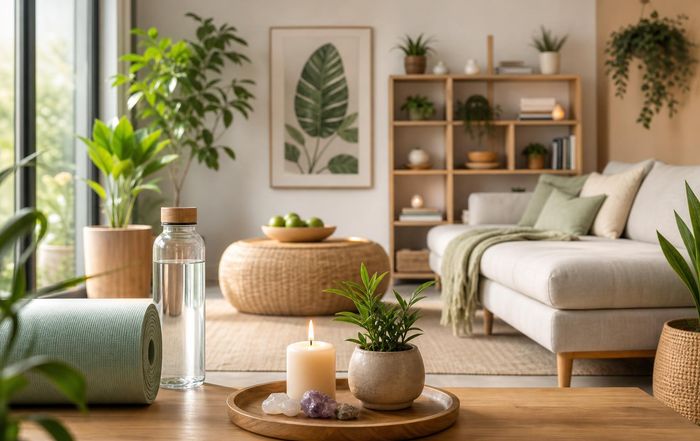
How to Create a Wellness-Focused Home
The New Definition of Home: From Shelter to Sanctuary
Ok so the idea of "home" has evolved far beyond a place to sleep and store belongings; for an increasingly global audience concerned with health, performance, and peace of mind, the home has become a primary environment for physical, mental, and emotional renewal. Across regions as diverse as the United States, Germany, Singapore, and Brazil, people are consciously reshaping their living spaces into wellness ecosystems that support longevity, productivity, and inner balance, reflecting a broader shift toward integrated wellbeing that this site has been chronicling through its unique focus on wellness, health, and lifestyle.
This transformation is not merely aesthetic. It is driven by mounting evidence from organizations such as the World Health Organization and the U.S. Centers for Disease Control and Prevention showing how air quality, noise, light, and daily habits within the home directly shape risks for chronic disease, mental health outcomes, and overall quality of life. Those who design a wellness-focused home in 2026 are not simply following a trend; they are making a strategic investment in long-term vitality, resilience, and performance that aligns with the priorities of health-conscious professionals across North America, Europe, and Asia.
As a platform dedicated to connecting wellbeing insights with real-world choices, WellNewTime.com approaches the wellness-focused home as a practical, evidence-informed project. The following sections outline how to design living spaces that support body, mind, and environment, while remaining realistic for diverse budgets, cultures, and geographies.
Foundations of a Wellness-Focused Home
A wellness-focused home begins with a clear understanding of how the built environment influences health. Research from the Harvard T.H. Chan School of Public Health has highlighted that indoor air can be significantly more polluted than outdoor air, particularly in dense urban centers from London to Bangkok, and that ventilation, materials, and occupant behavior play decisive roles in cognitive performance and respiratory health. Learn more about the health impact of indoor environments by exploring resources from Harvard's Healthy Buildings program.
Equally important is the psychological dimension. The American Psychological Association has documented how clutter, noise, and poor lighting elevate stress hormones and impair focus, while natural light, views of greenery, and calming color palettes can promote emotional regulation and restorative sleep. For readers of WellNewTime who are already engaging with mindfulness practices and mental fitness, the home becomes a critical context where these practices either flourish or are undermined.
From a strategic standpoint, creating a wellness-focused home in 2026 involves aligning three pillars: physical health (air, water, movement, sleep), mental and emotional balance (calm, connection, meaning), and environmental responsibility (sustainable materials, energy efficiency, and reduced pollution). This triad reflects the growing convergence of personal wellbeing and planetary health, a theme echoed in frameworks such as the International WELL Building Institute's WELL Standard, which provides a structured approach to health-supportive design. Learn more about wellness building standards through the International WELL Building Institute.
Air, Light, and Sound: The Invisible Architecture of Health
Air, light, and sound form the invisible infrastructure of a wellness-focused home, and in 2026 these elements are finally receiving the executive-level attention they deserve from health-conscious homeowners, renters, and property investors.
Indoor air quality is shaped by outdoor pollution, building materials, cleaning products, and everyday activities such as cooking. Guidance from the U.S. Environmental Protection Agency emphasizes increased ventilation, the use of exhaust fans, and careful selection of low-VOC paints and furnishings to reduce indoor contaminants. For those living in heavily polluted cities in China, India, or parts of Europe, high-efficiency particulate air (HEPA) filtration has become a non-negotiable feature of a wellness-oriented living room or bedroom. Learn more about managing indoor air quality from the EPA's indoor air quality resources.
Light exposure strongly influences circadian rhythms, sleep quality, and metabolic health. The National Sleep Foundation and leading sleep laboratories in countries such as Japan and Sweden have underscored the importance of morning daylight exposure and reduced blue light at night. Homeowners are now integrating tunable LED systems that mimic natural light cycles, while also prioritizing window access and reflective interior surfaces to maximize daylight. For those seeking deeper understanding of circadian-friendly lighting, the Lighting Research Center provides accessible guidance on healthy lighting practices.
Noise pollution, whether from urban traffic in New York, construction in Singapore, or internal household devices, exerts a subtle but significant toll on cardiovascular and mental health. The World Health Organization has issued environmental noise guidelines highlighting the link between chronic noise exposure, hypertension, and sleep disturbance. Residents in high-density regions are increasingly turning to acoustic insulation, sound-absorbing textiles, and thoughtful space planning to create quiet zones for sleep, meditation, and focused work. Further insights into noise and health can be found through the WHO's environmental noise guidelines.
Designing for Movement, Strength, and Recovery
A wellness-focused home in 2026 is not a static showcase but an environment that gently nudges its occupants toward consistent movement, functional strength, and adequate recovery. With hybrid and remote work still prevalent in markets such as the United States, the United Kingdom, and Australia, the home has become a primary fitness venue, reinforcing the themes explored regularly on WellNewTime's fitness and health sections.
The most effective wellness homes integrate movement into the architecture of daily life rather than isolating it to a single room. Simple design choices, such as keeping resistance bands or light weights visible in living areas, using standing desks or adjustable workstations, and selecting furniture that encourages active sitting or floor-based postures, can significantly increase non-exercise activity thermogenesis (NEAT), a key determinant of long-term metabolic health according to research summarized by the Mayo Clinic. Learn more about everyday movement and metabolism through the Mayo Clinic's healthy living resources.
At the same time, dedicated zones for more intense exercise-whether a compact home gym in a Toronto condo or a converted garage in Sydney-allow for structured strength training and cardiovascular sessions. Organizations such as the American College of Sports Medicine and World Health Organization continue to reinforce that at least 150-300 minutes of moderate-intensity activity per week, plus muscle-strengthening activities on two or more days, are essential for reducing chronic disease risk. For evidence-based training guidelines, readers can explore the ACSM's exercise recommendations.
Recovery is an equally important design consideration. Wellness-focused homes increasingly incorporate stretching areas, foam rolling corners, and even small infrared saunas or cold-plunge setups where space and budget allow. The rise of home-based recovery rituals reflects a more sophisticated understanding of training load, autonomic balance, and sleep, topics that align closely with WellNewTime's commitment to science-grounded wellbeing content.
Sleep as the Central Performance System
In boardrooms from Zurich to Seoul, sleep has shifted from a badge of sacrifice to a recognized performance multiplier, and the wellness-focused home places sleep at the center of its design strategy. The bedroom is no longer treated as a purely decorative space but as a carefully engineered recovery chamber that integrates lessons from sleep science, environmental psychology, and behavioral medicine.
Core recommendations from institutions such as the National Sleep Foundation and Cleveland Clinic emphasize a cool, dark, quiet environment, consistent sleep and wake times, and a pre-sleep routine that minimizes cognitive and emotional arousal. In practice, this translates into blackout curtains or smart blinds, temperature control in the range of 18-20°C for most adults, high-quality mattresses tailored to individual needs, and the deliberate removal of work devices and notifications from the sleeping area. For deeper guidance on structuring a sleep-friendly environment, readers can review the National Sleep Foundation's bedroom recommendations.
Technology plays a nuanced role here. While sleep tracking devices and smart lighting systems can provide useful feedback, a wellness-focused home avoids turning the bedroom into a data-obsessed control center. The priority remains subjective restfulness, continuity of sleep, and the sense of psychological safety that comes from a calm, clutter-free, and emotionally neutral environment. This approach resonates with the mindfulness-infused perspective that WellNewTime explores in its coverage of mindfulness and mental resilience.
Mindfulness, Mental Health, and Emotional Design
Beyond physical health, a wellness-focused home in 2026 is deliberately crafted to support emotional regulation, mental clarity, and a sense of meaning, reflecting the growing global interest in mindfulness across regions such as Scandinavia, Japan, and North America. The design of such a home is less about luxury and more about intentionality: each room has a psychological purpose, and the overall flow of the space reduces cognitive load rather than increasing it.
Dedicated mindfulness or reflection corners-perhaps a simple cushion by a window in a London flat or a small tatami area in a Tokyo apartment-provide a visual and spatial cue for meditation, journaling, or breathwork. Organizations such as Headspace Health and the Mindfulness Center at Brown University have highlighted the importance of environmental cues in sustaining regular contemplative practice. Those interested in the clinical evidence base for mindfulness can explore resources from the Brown Mindfulness Center.
Emotional design also involves curating sensory inputs that align with calm and focus. Natural materials such as wood, stone, and organic textiles can create a sense of grounding, while carefully chosen art, photographs, and meaningful objects foster connection to personal values and relationships. Color psychology suggests that softer, cooler tones may promote relaxation, while warmer accents can support energy and social interaction; however, the most effective palette is one that resonates with the individual's cultural background and personal narrative. This integration of aesthetics and psychology is a theme that WellNewTime continues to explore through its beauty and lifestyle coverage, recognizing that inner and outer environments are deeply intertwined.
Integrating Nature: Biophilic Design and the Global Home
Biophilic design, the practice of integrating natural elements into built environments, has moved from niche concept to mainstream strategy, especially in urban centers where access to green space is limited. Studies compiled by the University of Exeter and other European research institutions show that exposure to nature-even in modest forms such as indoor plants, natural light, and images of landscapes-can reduce stress, enhance mood, and improve cognitive performance. Learn more about the science of nature and wellbeing through the University of Exeter's research on greenspace.
In practice, biophilic design in a wellness-focused home can range from indoor gardens and balcony planters in Milan or Barcelona apartments to living walls and small water features in Singapore or Dubai residences. Even in colder climates such as Norway or Canada, the strategic placement of plants, use of natural wood finishes, and display of nature photography can create a sense of connection to the outdoors during long winters.
For globally mobile professionals who frequently travel between regions such as New York, London, and Hong Kong, incorporating portable biophilic elements-such as compact plants, natural fiber textiles, or a curated set of nature images-helps maintain continuity of wellbeing across locations. This global perspective aligns with WellNewTime's attention to travel and the challenge of sustaining wellness on the move.
Sustainable Wellness: Aligning Personal and Planetary Health
In 2026, the most advanced wellness-focused homes recognize that personal health cannot be fully separated from environmental sustainability. Air quality, water quality, and climate resilience are directly impacted by broader ecological conditions, making environmentally responsible choices an integral part of a coherent wellness strategy.
Organizations such as the United Nations Environment Programme and the Intergovernmental Panel on Climate Change have underscored the health co-benefits of energy efficiency, renewable energy adoption, and reduced reliance on toxic materials. For example, choosing low-emission building materials and furnishings not only lowers a home's environmental footprint but also reduces volatile organic compounds that can trigger respiratory and neurological symptoms. Learn more about sustainable home choices through the UN Environment Programme's resources.
Water filtration, responsible waste management, and energy-efficient appliances contribute both to planetary health and to the long-term economic resilience of households, a dual benefit particularly relevant for readers of WellNewTime's business and environment sections. From solar integration in Australian suburbs to district heating innovations in Scandinavian cities, regional variations exist, but the underlying principle remains the same: a wellness-focused home minimizes harm to the ecosystems that ultimately sustain human health.
Touch, Massage, and Somatic Wellbeing at Home
Physical touch and somatic awareness are often overlooked in discussions of wellness-focused homes, yet they play a crucial role in regulating the nervous system, reducing pain, and enhancing emotional stability. With the growth of remote work and the persistence of digital communication, many individuals in cities from Los Angeles to Berlin experience chronic touch deprivation and musculoskeletal tension.
Integrating massage-friendly elements into the home environment can help address this gap. This might include ergonomic seating that supports healthy posture, designated floor space for stretching and self-massage with tools such as foam rollers or massage balls, and, where possible, a portable massage table for sessions with licensed therapists. For those interested in more structured approaches to at-home bodywork, WellNewTime's dedicated massage content explores techniques and professional perspectives that complement clinical guidance from organizations like the American Massage Therapy Association. Learn more about the health benefits of massage therapy through the AMTA's research summaries.
Somatic practices such as yoga, tai chi, and breathwork also benefit from clear spatial cues. A simple mat laid out in a quiet corner, free from visual clutter and digital distractions, can become a powerful anchor for daily practice, reinforcing the home's role as a space for embodiment rather than disembodied screen time.
Technology, Smart Homes, and the Risk of Overload
Smart home technology has advanced rapidly by 2026, offering unprecedented control over lighting, temperature, security, and entertainment. When applied thoughtfully, these tools can significantly enhance the wellness profile of a home, for example by automating circadian lighting, monitoring indoor air quality, or optimizing energy use. However, the same technologies can also increase cognitive load, distraction, and surveillance anxiety if not managed with clear boundaries.
Health-conscious homeowners are increasingly adopting a "selective connectivity" approach, choosing devices that directly support wellbeing goals while limiting unnecessary notifications and data collection. For instance, a smart thermostat that learns preferred sleep temperatures or an air quality monitor that alerts residents to particulate spikes can be genuinely supportive, whereas constant alerts from multiple entertainment platforms may undermine the calm and focus that a wellness-focused home seeks to cultivate. Organizations such as the Electronic Frontier Foundation provide guidance on digital privacy and smart devices, helping individuals maintain a balance between technological convenience and psychological safety.
Within this context, WellNewTime's emphasis on innovation is grounded in a critical lens: technology is evaluated not for novelty alone but for its capacity to enhance human flourishing without eroding autonomy, attention, or rest.
Cultural and Regional Nuances in Wellness-Focused Homes
While the core principles of a wellness-focused home are globally relevant, their expression varies across cultures, climates, and housing forms. In Japan and South Korea, compact urban apartments demand highly efficient use of space, leading to multipurpose rooms that shift between work, sleep, and social functions, often with a strong emphasis on minimalism and order. In contrast, suburban homes in the United States, Canada, or Australia may have more square footage, allowing for dedicated fitness rooms, meditation spaces, or outdoor wellness zones such as decks and gardens.
European cities like Copenhagen, Amsterdam, and Zurich have long traditions of cycling, compact living, and energy efficiency, which naturally support wellness-oriented design, while emerging middle classes in parts of Africa, South America, and Southeast Asia are rapidly integrating wellness features into new housing developments. Global organizations such as UN-Habitat are increasingly focused on how housing design influences health and resilience, particularly in rapidly urbanizing regions. Learn more about the intersection of housing and health through UN-Habitat's housing initiatives.
For WellNewTime's international readership, the key insight is that wellness-focused design is not limited to large budgets or specific architectural styles. Even in modest or rented spaces, small but intentional changes-improving light and air, reducing clutter, creating a single calm corner for mindfulness, or reorganizing furniture to enable movement-can yield meaningful benefits.
From Concept to Daily Practice: Making Wellness at Home Sustainable
Creating a wellness-focused home is not a one-time renovation project but an ongoing practice of alignment between environment, habits, and evolving life circumstances. Professionals who travel frequently, families with young children, and older adults aging in place will each adapt these principles differently over time, but the underlying strategy remains consistent: regularly audit how the home makes its occupants feel and perform, then adjust the physical space to better support desired outcomes.
This iterative approach mirrors how WellNewTime curates its amazing content across wellness, health, fitness, and lifestyle, emphasizing practical, evidence-informed steps rather than abstract ideals. As the global conversation around wellbeing continues to mature, the home will remain the most immediate and powerful canvas on which individuals can express their commitment to a healthier, more mindful, and more sustainable life.
In 2026, the wellness-focused home is both a personal sanctuary and a strategic asset: it protects health, enhances performance, supports emotional balance, and reflects a responsible relationship with the planet. For fans here, the invitation is clear: treat the home not as a fixed backdrop, but as a living system that can be continuously refined to support the best possible version of life, wherever in the world that life unfolds.