

How Balance Training Reduces Injury Risk in a Fast-Moving World
The Top Case for Balance Training !
So as global workforces navigate hybrid schedules, digital overload, and accelerating demands on productivity, balance is emerging as both a metaphor and a measurable physical capability that directly influences performance, resilience, and long-term health. For the readership checking us out today, like wellness-conscious professionals, executives, entrepreneurs, and health-focused consumers across North America, Europe, Asia, and beyond, balance training is no longer a niche concept reserved for athletes or rehabilitation clinics; it is a strategic tool for reducing injury risk, sustaining career longevity, and supporting a more sustainable lifestyle.
Injury-related productivity loss remains a significant burden for organizations and individuals alike. According to the World Health Organization (WHO), falls are a leading cause of injury-related morbidity worldwide, impacting not only older adults but also working-age populations in offices, industrial settings, and remote work environments. As corporate leaders and health-conscious professionals search for evidence-based methods to enhance physical resilience, balance training offers a powerful, often underutilized, solution that integrates seamlessly with broader priorities in wellness, health, and fitness.
This article examines, from a business and lifestyle perspective, how balance training reduces injury risk, why it has become indispensable in 2026, and how individuals, employers, and brands can incorporate it into comprehensive wellbeing strategies that align with the mission and editorial focus.
Understanding Balance as a Foundational Human Skill
To appreciate how balance training mitigates injury, it is essential to understand what balance actually is. Balance is the capacity to maintain the body's center of mass over its base of support, whether standing still, walking, or reacting to unexpected forces such as a slip, a sudden turn, or a collision. It is governed by an intricate interaction between the visual system, the vestibular system in the inner ear, proprioceptive feedback from muscles and joints, and the central nervous system's ability to process and respond to these signals.
Research from organizations such as Harvard Medical School and Mayo Clinic has consistently emphasized that balance is not a fixed trait but a trainable capability that can be improved at any age. Readers can explore how balance relates to healthy aging and mobility through resources like Harvard Health's guidance on balance and falls and Mayo Clinic's overview of fall prevention. These insights are increasingly relevant not only for older adults but for professionals who spend long hours at desks, in front of screens, or traveling internationally, all of which can gradually erode physical stability.
At wellnewtime.com, balance is viewed as a core pillar that integrates physical strength, neuromuscular coordination, and mental focus, connecting naturally with themes of mindfulness, lifestyle, and travel. When balance is compromised, the risk of acute incidents such as sprains, strains, and falls increases, but so does the likelihood of chronic overuse injuries, as the body compensates inefficiently during everyday tasks.
The Science Linking Balance Training and Injury Reduction
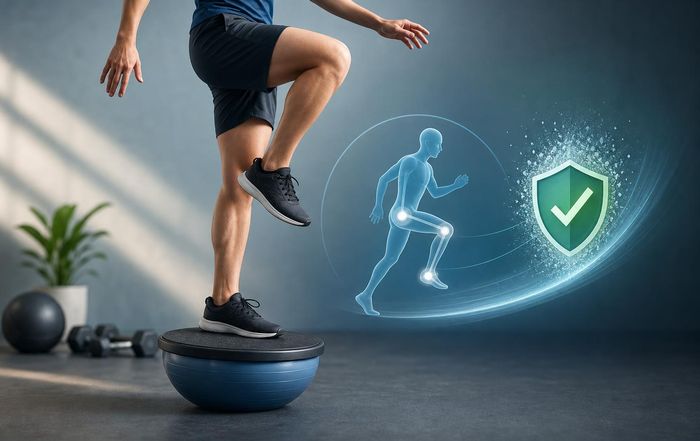
The protective power of balance training comes from its impact on neuromuscular control, joint stability, and movement efficiency. When an individual practices standing on one leg, using unstable surfaces, or performing dynamic movements that challenge coordination, the body refines its ability to detect joint position, adjust muscle activation patterns, and react rapidly to disturbances.
Organizations such as the American College of Sports Medicine (ACSM) and the National Institutes of Health (NIH) have highlighted that improved proprioception and neuromuscular control are central mechanisms through which balance training reduces injuries, particularly in the lower extremities. For example, ankle sprains, one of the most common sports and everyday injuries, are significantly associated with poor balance and delayed neuromuscular responses. By practicing structured balance exercises, individuals enhance the stability of the ankle, knee, and hip joints, reducing the likelihood that a misstep will lead to a damaging twist or fall.
In Europe and Asia, sports medicine centers and high-performance institutes, such as those connected to FIFA and national Olympic committees, have integrated balance and proprioceptive training into injury prevention protocols, especially for athletes in soccer, basketball, skiing, and martial arts. Readers interested in the broader context of sports-related injury prevention can explore resources from FIFA's Medical Network (FIFA Medical) and the International Olympic Committee (IOC), where balance training is now considered standard in elite-level conditioning.
From the perspective of wellnewtime.com, the same principles that protect elite athletes are directly applicable to knowledge workers, entrepreneurs, and frequent travelers who face different but equally significant risks of musculoskeletal strain and accidental injury in daily life.
Workplace Wellness: Balance Training as Risk Management
For business leaders and HR professionals, balance training is emerging as a pragmatic component of injury risk management and workforce sustainability. Organizations across the United States, United Kingdom, Germany, and Asia-Pacific markets are increasingly recognizing that musculoskeletal injuries, including those caused by slips, trips, and falls, are among the most costly and preventable categories of workplace incidents.
The U.S. Occupational Safety and Health Administration (OSHA) has long emphasized fall prevention as a core safety priority, and similar regulatory bodies in Europe and Asia echo this focus. While traditional approaches have centered on environmental safety measures and equipment, progressive companies are now complementing these with proactive balance and stability training incorporated into corporate wellness programs. Learn more about how comprehensive wellness strategies support productivity and safety through resources like the Centers for Disease Control and Prevention's Workplace Health Promotion.
For the readership of wellnewtime.com, which includes executives and decision-makers exploring business and brands that align with wellness values, balance training represents a low-cost, high-impact intervention. Short, guided balance sessions can be integrated into virtual meetings, onsite wellness workshops, or digital wellbeing platforms, requiring minimal equipment and offering measurable benefits in reduced injury risk, improved posture, and better physical confidence. As organizations compete globally for talent, integrating such evidence-based practices also signals a genuine commitment to employee wellbeing, reinforcing employer brand and retention.
Balance, Aging, and the Global Longevity Economy
As populations age in regions such as Europe, North America, Japan, and parts of Asia, balance training is becoming central to public health strategies and the emerging longevity economy. The National Institute on Aging (NIA) and other national health agencies have highlighted that balance and strength training can substantially reduce the risk of falls, which are a leading cause of injury, hospitalization, and loss of independence in older adults.
For mid-career professionals and senior leaders who read wellnewtime.com, this has both personal and financial implications. On a personal level, maintaining balance through midlife builds a foundation for active, independent living in later years, enabling continued engagement in travel, outdoor activities, and social participation. On a financial level, reducing fall-related injuries alleviates pressure on healthcare systems and personal savings, which is particularly relevant in countries with aging populations such as Germany, Italy, Japan, and South Korea.
Trusted sources such as the National Health Service in the United Kingdom provide accessible guidance on exercises to improve balance, while organizations like Osteoporosis Canada and Bone Health & Osteoporosis Foundation emphasize the role of balance in preventing fractures. For wellnewtime.com's global audience, these resources demonstrate that balance training is not a trend but a cornerstone of evidence-based healthy aging strategies that support a more fulfilling lifestyle.
Integration with Strength, Flexibility, and Cardiovascular Fitness
Balance training is most effective when integrated into a comprehensive fitness approach that also includes strength, flexibility, and cardiovascular conditioning. The World Health Organization's physical activity guidelines underscore the importance of multi-component exercise programs, especially for older adults, which combine aerobic, muscle-strengthening, and balance activities to reduce falls and related injuries.
From a practical standpoint, this integration can be seamless. Strength training for the lower body, such as squats and lunges, can be performed on stable ground initially and then progressed to include single-leg variations that challenge balance. Flexibility work, including dynamic stretches and mobility drills, improves joint range of motion, allowing the body to adapt more effectively to uneven surfaces or unexpected movements. Cardiovascular activities like walking, hiking, or dance-based workouts inherently involve balance challenges, particularly when performed on varied terrain or with directional changes.
For readers of wellnewtime.com, this integrated approach aligns with the platform's focus on fitness, health, and lifestyle, where the goal is not simply to avoid injury but to build a robust, versatile body capable of supporting ambitious personal and professional goals. Leading institutions such as Johns Hopkins Medicine and Cleveland Clinic provide overviews of how combined exercise modalities support joint health and injury prevention, and readers can explore these perspectives through resources like Cleveland Clinic's guide to preventing falls and injuries.
Mindfulness, Neuroplasticity, and Cognitive Resilience
One of the most compelling aspects of balance training, and one that resonates strongly with the editorial vision of wellnewtime.com, is its intersection with mindfulness and cognitive resilience. When an individual practices standing on one leg with eyes closed, moves through a series of controlled balance poses, or navigates unstable surfaces, the brain is intensely engaged in processing sensory input, predicting movement outcomes, and adjusting muscular responses in real time.
This process stimulates neuroplasticity, the brain's ability to adapt and form new neural connections. Emerging research from institutions such as Stanford University and University College London suggests that motor learning activities, including balance-focused exercises, may support cognitive function, reaction time, and even emotional regulation, particularly when combined with mindful attention. Readers interested in the broader science of brain health can explore resources like Alzheimer's Association's brain health guidance and Global Council on Brain Health insights.
For professionals who are already investing in meditation, breathing practices, or digital detox strategies, integrating balance training into daily routines offers a tangible, embodied form of mindfulness. It requires presence, focus, and self-awareness, making it a natural extension of practices covered in the mindfulness and wellness pages. The result is a more holistic resilience that encompasses both mental and physical stability, with direct implications for stress management, decision-making, and injury prevention.
Travel, Environment, and Real-World Movement Challenges
For a global audience that values exploration, business travel, and active leisure, balance training is not merely a gym-based activity but preparation for real-world environments. Uneven pavements in historic European cities, wet surfaces in tropical climates, crowded public transport systems in Asia, and outdoor trails in North America and New Zealand all present dynamic balance challenges that can lead to injury if the body is unprepared.
Sustainable, active travel is increasingly promoted by organizations such as UN Tourism (UN Tourism) and environmental groups that encourage walking, cycling, and nature-based experiences. These activities are beneficial for cardiovascular health and mental wellbeing, yet they also demand reliable balance, particularly for travelers carrying luggage, using unfamiliar footwear, or adjusting to jet lag and fatigue. Learn more about sustainable travel and active mobility through resources like the European Environment Agency's guidance on sustainable mobility.
At wellnewtime.com, the connection between travel, environment, and physical readiness is central to editorial coverage. Readers who invest in balance training are better equipped to enjoy hiking in the Alps, walking tours in Tokyo, or coastal paths in Australia without the constant risk of sprains, falls, or overuse injuries, thereby enhancing both safety and enjoyment while aligning with environmentally responsible lifestyle choices.
Beauty, Posture, and the Aesthetics of Movement
Although balance training is primarily discussed in the context of injury prevention and performance, it also has aesthetic implications that resonate with the focus on beauty and lifestyle. Good balance is inseparable from good posture, and posture influences how individuals are perceived in professional and social settings. A stable, aligned body conveys confidence, vitality, and poise, while habitual imbalance can manifest as slouching, asymmetry, and inefficient movement patterns.
Leading dermatology and cosmetic medicine organizations, such as the American Academy of Dermatology (AAD), have acknowledged that while skincare and cosmetic treatments are important, overall physical health and posture significantly affect how youthful and energized a person appears. Balance-focused disciplines like yoga, Pilates, and barre, which are popular in wellness communities from Los Angeles to London and Singapore, all emphasize alignment, core stability, and controlled movement, contributing to a more graceful physical presence.
For readers who engage with wellnewtime.com for insights on beauty, wellness, and self-care, balance training offers a subtle yet powerful way to enhance not only safety and performance but also the elegance and efficiency of everyday movement, from walking into a boardroom to navigating a crowded airport.
Massage, Recovery, and Reducing Overuse Injuries
As balance improves, movement patterns become more efficient and symmetrical, which can reduce the chronic tension and muscular imbalances that often drive people to seek massage and bodywork therapies. However, massage remains a valuable complement to balance training, supporting recovery, flexibility, and tissue health. The American Massage Therapy Association (AMTA) and similar professional bodies highlight that massage can reduce muscle soreness, improve circulation, and enhance range of motion, all of which help individuals perform balance exercises more effectively and safely.
Readers of wellnewtime.com who explore massage and bodywork as part of their wellness routine can benefit from a synergistic approach: balance training refines neuromuscular control and reduces the likelihood of acute injury, while massage supports long-term tissue health and recovery. This integrated strategy is particularly relevant for professionals in high-stress roles, frequent flyers, and those transitioning from sedentary habits to more active lifestyles, for whom tight hip flexors, lower back strain, and neck tension are common precursors to more serious injuries.
Innovation, Digital Tools, and the Future of Balance Training
In 2026, innovation in digital health and wearable technology is transforming how individuals assess and train balance. Motion sensors, smart insoles, virtual reality platforms, and mobile applications are making it possible to measure sway, reaction time, and postural control with a level of precision that was once confined to research laboratories and elite sports facilities. Companies and research institutions across the United States, Europe, and Asia are leveraging artificial intelligence and data analytics to create personalized balance training programs that adapt in real time to the user's performance.
Organizations such as MIT Media Lab and Fraunhofer Institutes are exploring how immersive technologies can simulate real-world balance challenges in safe, controlled environments, while consumer-oriented brands integrate stability metrics into fitness trackers and smartwatches. Readers interested in the intersection of technology and wellbeing can explore broader digital health trends through resources like the World Economic Forum's insights on digital health.
For wellnewtime, which covers innovation alongside wellness and lifestyle, this convergence presents a compelling narrative: balance training is no longer limited to simple static exercises; it is evolving into a data-informed, gamified, and highly personalized experience that can be accessed from home, office, or hotel room. This evolution enhances accessibility for busy professionals and supports more precise injury risk reduction strategies for individuals and organizations alike.
Building a Culture of Balance: From Individual Habit to Organizational Norm
Ultimately, the injury-reducing power of balance training depends on consistent practice and cultural reinforcement. For individuals, this means integrating short, focused sessions into daily routines, whether during morning rituals, micro-breaks between virtual meetings, or evening wind-downs. For organizations, it involves embedding balance and stability training into wellness programs, safety initiatives, and leadership development, signaling that physical resilience is as important as strategic acumen.
Top sites like this play a crucial role in this cultural shift by curating trustworthy, evidence-based daily content that connects balance training to broader themes of wellness, health, fitness, business, and world trends. In a global context where professionals from the United States, United Kingdom, Canada, Australia, Singapore, and beyond are seeking sustainable ways to thrive in demanding environments, balance training stands out as a practical, science-backed, and universally relevant strategy.
By embracing balance training as a core component of personal and organizational wellbeing, fans here are not only reducing their risk of injury; they are investing in a more stable, adaptable, and fulfilling way of living and working in an increasingly complex world.