

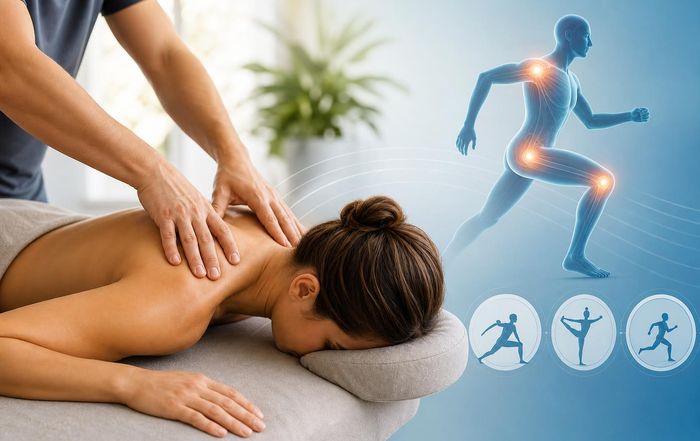
How Massage Supports Better Mobility in a Fast-Changing World
The New Mobility Imperative for a Global Audience
Have you noticed that mobility has become a defining pillar of modern wellbeing, cutting across age groups, professions and geographies. From remote workers in the United States and United Kingdom spending long hours at improvised home offices, to aging populations in Germany, Japan and Italy, to high-performance professionals and athletes in Canada, Australia, Singapore and South Korea, the ability to move freely, comfortably and confidently is now recognized as a core asset for health, productivity and quality of life. On WellNewTime, mobility is increasingly viewed not only as a physical capacity but as a foundation for holistic wellness that touches mental health, career longevity, travel experiences and even environmental choices.
Within this broader mobility conversation, massage therapy has moved from the margins of luxury and occasional indulgence into the mainstream of evidence-informed health and performance strategies. As organizations such as the World Health Organization (WHO) highlight the global burden of musculoskeletal conditions and sedentary lifestyles, interest has grown in practical, non-pharmaceutical interventions that are accessible, culturally adaptable and compatible with modern work and travel patterns. Massage, when integrated intelligently with exercise, ergonomic design and mindfulness practices, is emerging as one of the most versatile tools for supporting better mobility across life stages and continents. Readers exploring fascinating wellness topics on WellNewTime increasingly seek actionable guidance that connects massage therapy with broader domains such as wellness, health, fitness and lifestyle, and this article addresses that need with a global, research-aware and business-relevant lens.
Understanding Mobility: More Than Flexibility
Mobility is often casually equated with flexibility, yet for a discerning business and wellness audience, the distinction matters. Flexibility generally refers to the length and extensibility of muscles and connective tissues, while mobility encompasses the integrated ability of joints, muscles, fascia and the nervous system to move through a functional range of motion under control and with minimal discomfort. Organizations such as Harvard Medical School have emphasized that functional mobility underpins independence in daily life, from climbing stairs to carrying luggage, and plays a crucial role in reducing the risk of falls and injuries in older adults. Readers can explore how mobility connects to healthy aging and chronic disease prevention by consulting resources such as Harvard Health's guidance on exercise and aging.
In practice, mobility is shaped by multiple factors: joint structure, muscle strength, neuromuscular coordination, tissue hydration, postural habits, stress levels and even sleep quality. For knowledge workers in North America, Europe and Asia, prolonged sitting and screen time can lead to adaptive shortening of hip flexors, stiff thoracic spines and overworked neck and shoulder muscles, all of which compromise mobility. For frequent travelers, jet lag, cramped seating and disrupted routines further erode movement capacity and comfort. As Well New Time readers explore mobility in relation to travel and global lifestyles, massage therapy stands out as a modality capable of addressing several of these underlying drivers simultaneously, especially when combined with targeted exercise and mindful movement.
The Science of Massage and Tissue Health
Massage's influence on mobility begins at the level of soft tissue and circulation. While techniques vary-from Swedish and deep tissue to sports and myofascial release-the underlying mechanisms share common elements. Gentle to moderate pressure applied to muscles and fascia appears to enhance local blood flow, promote lymphatic drainage and modulate the activity of sensory receptors in the skin and deeper tissues. Research summarized by the National Institutes of Health (NIH) suggests that massage can reduce delayed onset muscle soreness, improve subjective recovery and potentially influence markers of inflammation, making it a valuable adjunct for both recreational exercisers and high-performance athletes. Readers interested in the research context can review overviews of complementary health approaches provided by the National Center for Complementary and Integrative Health (NCCIH).
From a mobility perspective, one of the most important tissue-level effects of massage is its impact on fascial adhesions and muscle tension patterns. Fascia, the continuous web of connective tissue that surrounds and interconnects muscles and organs, can become stiff, dehydrated or "stuck" due to inactivity, repetitive strain or injury. This can restrict glide between tissue layers and limit range of motion, even when individual muscles appear flexible in isolation. Skilled massage, particularly myofascial techniques and slow, sustained pressure, may restore some of this glide and improve tissue extensibility, which in turn supports more fluid movement. Organizations such as the Cleveland Clinic describe how manual therapies can complement physical therapy for conditions involving stiffness and pain, highlighting the growing convergence between traditional massage and rehabilitative sciences.
Nervous System Modulation and Movement Freedom
Mobility is not only about mechanical tissue properties; it is also governed by the nervous system's perception of safety and threat. When the brain interprets certain ranges of motion as risky-due to past injury, chronic pain or stress-it may subconsciously limit movement through increased muscle guarding and altered motor patterns. Massage can influence this neuromuscular dimension by activating pressure and touch receptors that send calming signals to the central nervous system, thereby reducing sympathetic arousal and promoting parasympathetic dominance.
This shift toward a more relaxed nervous system state has several mobility-relevant consequences. It can decrease perceived pain, reduce involuntary muscle tension and create a more permissive environment for joint movement. The Mayo Clinic notes that massage can be helpful in managing stress and anxiety, both of which are known to exacerbate muscle tightness and movement restrictions. When individuals combine massage with mindful breathing and gentle stretching, they often experience a sense of "movement freedom" that is as much neurological as it is mechanical, which explains why mobility gains after a session can feel disproportionate to the amount of physical manipulation involved.
Massage as a Partner to Exercise and Fitness
For the global fitness community-from runners in Spain and Brazil to cyclists in Netherlands and Denmark, and from yoga practitioners in India to strength enthusiasts in United States and Canada-massage has become a strategic partner rather than a standalone solution. Contemporary exercise science emphasizes that strength, mobility and stability are interdependent, and that sustainable improvements in range of motion require both tissue extensibility and active control. Massage addresses the first component by easing restrictions and reducing soreness, while targeted exercise and mobility drills consolidate those gains through neuromuscular training.
Sports medicine organizations, including FIFA and national Olympic committees, have long integrated massage into athlete support programs, not only for recovery but also for injury prevention and psychological readiness. The American College of Sports Medicine (ACSM) provides guidance on integrated recovery strategies that include manual therapy alongside sleep, nutrition and active recovery. For readers of Well New Time who are building structured fitness routines, aligning massage with training cycles-such as scheduling deeper work on lower-intensity days and lighter, circulatory techniques closer to events-can significantly enhance mobility without compromising performance. Exploring broader fitness insights on Well New Time's fitness section can help individuals design such integrated plans tailored to their goals and schedules.
Workplace Mobility: A Business and Productivity Priority
Corporate leaders in United Kingdom, Germany, Singapore and United States increasingly recognize that musculoskeletal issues and limited mobility translate directly into lost productivity, higher healthcare costs and reduced employee engagement. Neck and back pain remain among the leading causes of disability worldwide, and organizations such as the World Economic Forum have linked poor population health to macroeconomic drag. As hybrid work models solidify in 2026, with employees moving between home, office and co-working spaces, the physical environment has become more variable and, in many cases, less ergonomically controlled.
Forward-thinking employers are responding by embedding mobility and recovery strategies into their wellbeing programs. On-site or on-demand massage services, whether provided by in-house therapists or vetted partners, are being used to address tension from prolonged sitting, support mental resilience and reinforce a culture that values health as a strategic asset. The Chartered Institute of Personnel and Development (CIPD) in the UK has highlighted how wellbeing initiatives can reduce absenteeism and presenteeism, and massage can be a visible, tangible component of such initiatives. For readers navigating the intersection of wellness and work, Well New Time's business section and jobs insights provide additional perspectives on how organizations can align human performance with corporate objectives in a competitive global market.
Global Travel, Jet Lag and Maintaining Mobility on the Move
As international travel rebounds and reconfigures in the mid-2020s, mobility challenges extend far beyond the office. Business executives flying between New York, London, Singapore and Sydney, digital nomads crisscrossing Europe, Asia and South America, and leisure travelers exploring destinations from Thailand to New Zealand all face the cumulative impact of cramped seating, time zone shifts, unfamiliar beds and disrupted routines. These factors contribute to stiffness, back pain, swollen legs and a general sense of physical disorientation that undermines both performance and enjoyment.
Massage, whether accessed in airport spas, hotel wellness centers or local studios, offers a powerful counterbalance to these stressors. Techniques that emphasize circulation, gentle joint mobilization and lymphatic drainage can mitigate the effects of prolonged immobility and help reset the body after long-haul flights. The International Air Transport Association (IATA) and aviation health resources stress the importance of movement and circulation during travel to reduce risks such as deep vein thrombosis, and while massage is not a substitute for in-flight movement, it can play a valuable role before and after travel to restore tissue health and comfort. Readers planning complex itineraries can integrate massage into broader travel wellness routines, drawing inspiration from Well New Time's travel features that highlight how to maintain health and mobility while exploring the world.
Mindfulness, Stress and the Mobility Connection
The mobility benefits of massage are amplified when combined with mindfulness and stress management practices. Chronic psychological stress has well-documented physiological effects, including increased muscle tone, altered breathing patterns and heightened pain sensitivity, all of which can constrain movement. By creating a structured environment of touch, quiet and focused attention, massage sessions naturally invite a more mindful state, where individuals become aware of bodily sensations, tension patterns and breathing rhythms.
Organizations such as Mind, the UK mental health charity, and the American Psychological Association (APA) outline how stress and anxiety influence physical health and advocate for integrated approaches that blend psychological and somatic interventions. When clients approach massage not merely as passive recipients but as active participants-using sessions to practice body scanning, slow exhalations and non-judgmental awareness of discomfort-they can reinforce neural pathways that support relaxation and ease of movement. For those exploring contemplative practices, Well New Time's mindfulness hub offers complementary insights that pair naturally with hands-on therapies, creating a virtuous cycle in which mental calm fosters physical mobility, which in turn supports mental clarity and resilience.
Massage Across the Lifespan and Cultures
One of massage's distinctive strengths is its adaptability across life stages and cultural contexts, making it highly relevant to Well New Time's worldwide readership. In aging societies such as Japan, Italy, Germany and France, gentle massage techniques can support joint comfort, balance and confidence in movement, complementing medical care and physical therapy. The National Institute on Aging in the United States emphasizes the importance of staying active and mobile in later life, and while massage is not a replacement for exercise, it can reduce barriers by easing pain and stiffness that discourage movement.
In younger populations, particularly in high-pressure academic and professional environments in China, South Korea and Singapore, massage can counteract the musculoskeletal strain of intensive study and early career demands. Traditional modalities such as Thai massage in Thailand, tui na in China and Ayurvedic massage in India demonstrate how different cultures have long recognized the link between manual therapy, circulation and movement quality. Global health authorities such as the World Health Organization increasingly acknowledge the role of traditional and complementary medicine in supporting primary health care, and discerning clients now seek practitioners who can integrate cultural wisdom with contemporary anatomy and physiology. On wellnewtime.com, this multicultural lens resonates with readers who travel, relocate and work across borders, and who wish to maintain mobility while respecting local practices and regulations.
Beauty, Posture and the Aesthetics of Movement
Mobility is also intertwined with beauty and self-presentation, themes that are central to many Well New Time readers. Good posture, graceful gait and relaxed facial expressions are not merely aesthetic attributes; they reflect underlying musculoskeletal balance and freedom of movement. Chronic tension in the neck, jaw and shoulders can contribute to headaches, facial asymmetry and a fatigued appearance, while restricted hip and spine mobility can affect how clothing fits and how individuals carry themselves in professional and social settings.
Massage, particularly when combined with postural education and corrective exercise, can help realign these patterns. Techniques that release overactive muscles, encourage diaphragmatic breathing and lengthen chronically shortened tissues can produce visible changes in how people stand, sit and move through space. Leading dermatology and cosmetic organizations, including the American Academy of Dermatology (AAD), acknowledge that lifestyle factors such as stress and sleep influence skin and appearance, and massage contributes indirectly by improving relaxation and circulation. Readers interested in how touch therapies intersect with aesthetics can explore Well New Time's beauty coverage, where mobility, posture and appearance are treated as interconnected dimensions of a confident, modern lifestyle.
Sustainability, Environment and the Future of Massage
As environmental awareness deepens in 2026, the massage industry faces questions that resonate strongly with Well New Time's audience: how can mobility-supporting services be delivered in ways that are sustainable, ethical and aligned with broader planetary health goals? From the sourcing of oils and linens to the design of energy-efficient clinics and the reduction of travel-related emissions, massage businesses are rethinking their models. Organizations such as the United Nations Environment Programme (UNEP) provide frameworks on sustainable consumption and production, and forward-looking spas and wellness brands are beginning to apply these principles to their operations.
For consumers, choosing therapists and centers that prioritize eco-friendly practices, fair labor conditions and inclusive access can turn each massage into a small but meaningful contribution to a healthier global ecosystem. This aligns with the broader shift toward conscious lifestyle choices reflected in Well New Time's environment section and its coverage of progressive brands that integrate wellness and sustainability. As climate-related disruptions, heat waves and air quality issues increasingly affect physical comfort and outdoor activity levels in regions from South Africa to Sweden, indoor, low-impact modalities like massage will likely play an even more central role in helping people maintain mobility and resilience in a changing climate.
Integrating Massage into a Holistic Mobility Strategy
For wellness news, seeking readers of WellNewTime seeking to translate this knowledge into practice, the key is integration rather than overreliance on any single intervention. Massage can be a powerful catalyst for improved mobility, but its benefits are maximized when embedded in a broader framework that includes regular movement, strength training, balanced nutrition, adequate sleep and psychological self-care. Designing such a framework begins with honest assessment: identifying where mobility is currently limited, which daily habits contribute to stiffness or pain, and what practical constraints-time, budget, travel, cultural context-shape access to services.
From there, individuals can experiment with different frequencies and formats of massage, from occasional deep sessions focused on chronic problem areas to shorter, more frequent maintenance treatments aligned with training or work cycles. Collaborating with other professionals, such as physiotherapists, fitness coaches and mental health practitioners, can ensure that massage is not working at cross-purposes with other interventions. Resources from organizations such as the Centers for Disease Control and Prevention (CDC) on physical activity guidelines provide a useful backdrop for understanding how often and how intensely to move between sessions. Within the ecosystem of Well New Time, readers can connect these insights with content on wellness, health and massage-focused features to craft personalized, sustainable mobility strategies.
Conclusion: A Strategic Asset for Individuals, Businesses and Societies
Now massage has firmly established itself as more than a luxury or occasional treat; it is a versatile, evidence-informed tool that supports better mobility in a world where movement is both more constrained by sedentary habits and more demanded by global lifestyles. For individuals, it offers a pathway to reclaiming comfort, confidence and freedom of motion, whether in the gym, at the office, on long-haul flights or in the everyday tasks that define independence. For businesses, it represents a tangible investment in human capital, reducing the hidden costs of pain, stiffness and burnout that erode productivity and innovation. For societies facing aging populations, urbanization and environmental stressors, it contributes to a broader portfolio of preventive and supportive care strategies that can ease pressure on health systems and enhance quality of life.
On wellnewtime, where wellness, health, fitness, mindfulness, travel, beauty, business, brands, lifestyle, environment and innovation intersect, massage is positioned as a bridge between these domains, embodying the principle that touch, movement and awareness are inseparable elements of modern wellbeing. As original content readers across North America, Europe, Asia, Africa and South America navigate the opportunities and strains of an interconnected world, understanding how massage supports better mobility equips them with a practical, adaptable and deeply human resource for thriving in the years ahead.