

Everyday Foods That Support Healthy Aging
Healthy aging has moved from a niche concern to a global priority, as longer lifespans intersect with rising expectations for quality of life, productivity, and purpose at every stage. In 2026, readers of WellNewTime are not only asking how to live longer, but how to stay mentally sharp, physically strong, emotionally balanced, and professionally effective while doing so. Nutrition sits at the center of this transformation. Far beyond restrictive diets or fleeting trends, everyday foods-chosen and combined with intention-are now recognized as one of the most powerful, accessible tools for supporting healthy aging across wellness, health, fitness, mindfulness, travel, beauty, business, lifestyle, and environmental impact.
This article explores how ordinary foods, available in supermarkets and local markets from the United States and United Kingdom to Germany, Canada, Australia, Singapore, and beyond, can help individuals protect their brains, muscles, hearts, skin, and immune systems. It also examines how these choices intersect with sustainable practices, cultural preferences, and the evolving science of longevity, offering a holistic perspective in line with the integrated view of life and health that defines us.
The New Science of Aging Well
Over the past decade, the science of aging has shifted from a fatalistic acceptance of decline to a proactive understanding of modifiable risk factors. Leading institutions such as Harvard T.H. Chan School of Public Health and National Institute on Aging have consistently highlighted that diet, movement, sleep, and stress management can influence not only disease risk but also biological markers of aging, including inflammation, oxidative stress, and metabolic health. Readers who follow developments in health and longevity increasingly look to evidence-based frameworks rather than short-lived fads.
Global research across Europe, Asia, North America, and Oceania has converged on certain dietary patterns, such as the Mediterranean diet and plant-forward approaches, which are associated with lower rates of cardiovascular disease, cognitive decline, and frailty. Those who want to delve deeper into these patterns can review guidance from organizations such as the World Health Organization, which offers practical overviews of healthy diet principles, and the National Health Service in the United Kingdom, which outlines balanced eating recommendations.
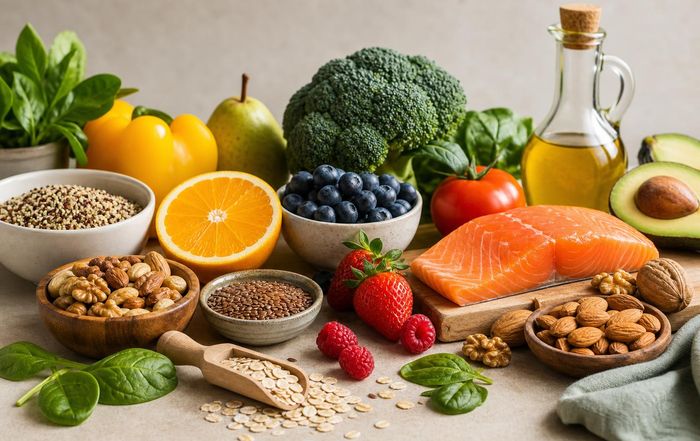
In this context, everyday foods become strategic tools: not exotic supplements or rare ingredients, but staples such as leafy greens, berries, olive oil, nuts, legumes, fish, fermented foods, herbs, and spices. The key is understanding how to use them consistently and intelligently, in ways that suit diverse cultures and lifestyles, from a tech professional in Singapore to a wellness-focused entrepreneur in California or a retiree enjoying coastal life in Spain.
Nutritional Foundations of Healthy Aging
Healthy aging is not defined by a single nutrient or superfood; it rests on a matrix of macronutrients-proteins, fats, and carbohydrates-and micronutrients, including vitamins, minerals, and phytonutrients, that work together to maintain cellular integrity, support hormone balance, and protect against chronic disease. For those who follow wellness insights, understanding this matrix provides a practical roadmap for daily choices.
Protein becomes increasingly important with age, as muscle mass naturally declines, affecting strength, mobility, metabolic health, and even resilience to stress. High-quality protein sources such as fish, eggs, yogurt, legumes, and tofu help maintain lean mass when combined with regular strength training, a relationship that organizations like the American College of Sports Medicine explain in their guidance on nutrition and athletic performance. For older adults or busy professionals, distributing protein intake evenly across meals rather than concentrating it at dinner can improve muscle protein synthesis.
Healthy fats, particularly monounsaturated and omega-3 fats, play a central role in brain health, cardiovascular function, and inflammation control. Extra-virgin olive oil, avocados, nuts, seeds, and fatty fish provide these beneficial fats, which support cognitive performance and mood stability-critical for individuals who wish to remain effective in demanding roles in business, innovation, and leadership well into their later years. Those interested in the mechanisms behind these effects can explore resources from Cleveland Clinic on heart-healthy fats.
Complex carbohydrates from whole grains, vegetables, and fruits provide sustained energy and fiber, which supports gut health, blood sugar stability, and cholesterol regulation. As more research highlights the gut-brain axis, the connection between digestion, immunity, and mental clarity has become a core topic for readers who also follow mindfulness and mental wellness. The National Institutes of Health offers accessible overviews of dietary fiber and health that reinforce the importance of these everyday foods.
Micronutrients such as vitamin D, B vitamins, magnesium, and antioxidants like vitamins C and E contribute to bone integrity, energy metabolism, nerve function, and cellular protection. While supplementation is sometimes necessary, especially in regions with low sunlight like Scandinavia or among older adults with absorption challenges, a well-designed dietary pattern can cover many needs. The Mayo Clinic provides evidence-based information on vitamins and minerals, complementing food-first strategies emphasized by dietitians worldwide.
Everyday Foods for Brain and Cognitive Health
Cognitive vitality is one of the most valued aspects of healthy aging, particularly for readers who wish to remain active in complex professional environments, creative fields, or entrepreneurial ventures. Everyday foods that support brain health tend to share common characteristics: they reduce inflammation, protect neurons from oxidative damage, support vascular health, and stabilize blood sugar.
Fatty fish such as salmon, sardines, and mackerel, rich in omega-3 fatty acids DHA and EPA, have been linked to slower cognitive decline and reduced risk of dementia in multiple population studies. For those who prefer plant-based options, walnuts, chia seeds, flaxseeds, and algae-based supplements provide precursors or direct sources of omega-3s, though conversion efficiency varies. The Alzheimer's Association offers a helpful overview of diet and brain health that aligns with these findings.
Leafy green vegetables, including spinach, kale, Swiss chard, and arugula, are rich in folate, vitamin K, lutein, and beta-carotene, nutrients that appear to support cognitive performance and delay biological aging of the brain. Incorporating a serving of leafy greens into at least one meal per day, whether in salads, soups, or sautéed dishes, is a practical strategy for individuals across North America, Europe, and Asia, where these vegetables are widely available. Those interested in broader guidance on vegetables and brain health can explore resources from Harvard Health Publishing, which discusses foods that support memory.
Berries, especially blueberries, strawberries, and blackberries, provide anthocyanins and other polyphenols that act as potent antioxidants and may improve neuronal signaling. Regular berry consumption has been associated with better memory and slower rates of cognitive decline in observational research. For business leaders and professionals who travel frequently, including a small portion of berries at breakfast or as a snack can be a simple, enjoyable habit that aligns with both performance and longevity goals. The U.S. Department of Agriculture offers detailed information on berries and phytonutrients for those who wish to examine the science further.
Fermented foods such as yogurt, kefir, kimchi, sauerkraut, miso, and tempeh support a diverse and resilient gut microbiome, which in turn influences mood, cognition, and stress resilience through the gut-brain axis. In countries such as Japan, South Korea, Germany, and Norway, traditional fermented foods have long been part of daily life, now reinterpreted through the lens of modern neuroscience and microbiology. The American Gastroenterological Association provides accessible explanations of gut health and probiotics for readers exploring this connection.
Foods that Protect Muscles, Bones, and Mobility
Maintaining physical independence and mobility is central to the vision of healthy aging championed by WellNewTime, which regularly covers fitness and movement trends suited to different ages and abilities. Everyday foods that preserve muscle, bone, and joint health allow individuals to continue engaging in travel, sports, and active leisure well into their 70s and 80s.
Lean proteins, including fish, poultry, eggs, legumes, lentils, and Greek yogurt, provide the amino acids necessary for muscle repair and growth. Combining these proteins with resistance training, even in the form of bodyweight exercises or resistance bands, helps counteract sarcopenia, the age-related loss of muscle mass. Organizations such as World Physiotherapy highlight the synergy between nutrition and physical activity in their professional resources, reinforcing the message that diet and movement cannot be separated in any serious discussion of aging.
Dairy products such as yogurt, kefir, and cheese, along with fortified plant milks, provide calcium, vitamin D, and protein for bone health. In regions where lactose intolerance is common, such as parts of Asia and Africa, alternatives like fortified soy beverages, calcium-set tofu, and leafy greens can help meet needs. The International Osteoporosis Foundation offers global guidance on nutrition for bone health, which is particularly relevant for women in midlife and beyond, as well as men over 60.
Colorful vegetables and fruits supply vitamin C, manganese, and phytonutrients that support collagen synthesis and connective tissue integrity, which are essential for joint health and skin elasticity. Citrus fruits, bell peppers, tomatoes, and berries can be integrated into daily meals in any cuisine, from Mediterranean to East Asian to Latin American. Those seeking more detailed information can consult Dietitians of Canada, which provides educational content on nutrition across the lifespan.
Healthy aging also depends on maintaining a healthy weight and waist circumference, as excess visceral fat increases the risk of diabetes, cardiovascular disease, and mobility limitations. Foods that are high in fiber and low in ultra-processed additives-such as whole grains, legumes, nuts, seeds, and minimally processed plant foods-help regulate appetite and stabilize blood sugar. The European Food Safety Authority offers scientific opinions on dietary reference values that underpin many national guidelines in France, Italy, Spain, Netherlands, and beyond.
Everyday Foods for Heart and Metabolic Health
Cardiovascular and metabolic health remain central concerns for adults in United States, Germany, China, Brazil, and many other countries where lifestyle-related diseases are prevalent. Yet the foods that support heart health are neither exotic nor inaccessible; they are everyday items that can be found in supermarkets, farmers' markets, and neighborhood stores worldwide, and they align closely with the holistic approach promoted in the health and lifestyle sections.
Extra-virgin olive oil, central to the Mediterranean diet, is rich in monounsaturated fats and polyphenols that support healthy cholesterol levels, reduce inflammation, and protect blood vessels. Replacing butter or refined seed oils with olive oil for cooking and dressings is a simple, evidence-backed change. American Heart Association provides clear recommendations on healthy cooking oils, which align with these choices.
Whole grains such as oats, barley, quinoa, brown rice, and whole wheat supply fiber and nutrients that help regulate blood pressure, cholesterol, and blood sugar. Including a serving of whole grains at breakfast or lunch is a practical habit for busy professionals, students, and retirees alike. The U.S. Food and Drug Administration offers consumer guidance on whole grains and heart health, which can help readers make informed label choices.
Legumes, including beans, lentils, chickpeas, and peas, are nutritional powerhouses that provide plant-based protein, fiber, and minerals while being affordable and adaptable to diverse culinary traditions in India, Mexico, Italy, Middle East, and beyond. Regular consumption of legumes has been associated with lower cardiovascular risk and improved metabolic health, making them ideal for individuals who wish to support longevity without compromising cultural food preferences. Johns Hopkins Medicine offers accessible explanations of heart-healthy eating patterns that highlight the role of these foods.
Nuts and seeds, particularly almonds, walnuts, pistachios, chia seeds, flaxseeds, and pumpkin seeds, provide healthy fats, protein, and micronutrients such as magnesium and vitamin E. A small handful of unsalted nuts per day can support heart health and satiety, although portion control remains important due to calorie density. The National Library of Medicine hosts numerous open-access articles on nuts and cardiometabolic health, reflecting growing scientific interest in these everyday foods.
Nutritional Strategies for Skin, Beauty, and Emotional Resilience
Healthy aging is not only about disease prevention; it is also about how individuals feel in their own skin, literally and figuratively. Readers here who follow beauty, massage, and wellness content often seek ways to integrate internal and external care, recognizing that nutrition, skincare, stress management, and bodywork form a single ecosystem.
Hydrating foods such as cucumbers, watermelon, oranges, and leafy greens contribute to overall hydration status, which supports skin plumpness, elasticity, and barrier function. While topical products remain valuable, the skin's resilience and appearance are heavily influenced by internal factors, including nutrient intake, inflammation, and glycation. The American Academy of Dermatology Association provides consumer education on diet and skin health, bridging the gap between dermatology and nutrition.
Foods rich in antioxidants-berries, pomegranates, green tea, dark chocolate with high cocoa content, and brightly colored vegetables-help neutralize free radicals generated by UV exposure, pollution, and metabolic processes. These antioxidants support collagen integrity and may reduce the appearance of fine lines over time, complementing professional treatments and high-quality skincare regimens. Memorial Sloan Kettering Cancer Center offers balanced perspectives on antioxidants and health, which can help readers interpret claims responsibly.
Magnesium-rich foods such as leafy greens, nuts, seeds, and whole grains, along with omega-3-rich foods, may support stress resilience and mood stability by influencing neurotransmitter function and the body's stress response. For individuals juggling demanding careers, caregiving responsibilities, and personal goals, these foods can be part of a broader strategy that includes sleep hygiene, mindfulness practices, and, when needed, professional mental health support. The American Psychological Association discusses the relationship between nutrition and mental health, reinforcing the idea that the mind and body cannot be separated in any serious conversation about aging.
Everyday Foods on the Move: Travel, Culture, and Practicality
Healthy aging must be realistic and adaptable, especially for globally mobile readers who follow travel and international world trends. Business travelers, digital nomads, and retirees exploring Thailand, Japan, New Zealand, or South Africa need strategies that work in airports, hotels, local markets, and restaurants, rather than only in idealized home kitchens.
In practice, this means learning to identify nutrient-dense options in diverse cuisines: grilled fish with vegetables in Mediterranean coastal towns; tofu, miso soup, and seaweed in Japan; lentil dal and vegetable curries in India; bean stews and salads in Brazil; and hearty rye breads, fermented vegetables, and root vegetables in Scandinavia. Choosing dishes that emphasize vegetables, legumes, whole grains, and healthy fats, while moderating deep-fried foods, sugary drinks, and refined starches, allows individuals to honor local culture while supporting long-term health. The United Nations Food and Agriculture Organization offers resources on traditional diets and sustainability, which align with these principles.
Portable everyday foods such as nuts, seeds, fruit, plain yogurt, and whole-grain crackers can help stabilize energy during long flights or meetings, reducing reliance on ultra-processed snacks. Hydration, often overlooked, becomes especially important during air travel and in hot climates, with water, herbal teas, and unsweetened beverages preferred over sugary drinks. The Centers for Disease Control and Prevention provides practical guidance on healthy travel that complements these nutrition strategies.
Sustainability, Brands, and the Future of Everyday Eating
Healthy aging is increasingly intertwined with environmental sustainability, ethical sourcing, and corporate responsibility, themes that resonate with readers who explore business, brands, and environment content on WellNewTime. Everyday foods that support longevity often overlap with those that have a lower environmental footprint, particularly plant-forward options such as legumes, whole grains, seasonal vegetables, and locally sourced produce.
Responsible brands and retailers across Europe, Asia, North America, and South America are beginning to align product development and marketing with evidence-based nutrition and sustainability standards, reducing excessive packaging, improving transparency, and investing in regenerative agriculture. Consumers who wish to evaluate these claims can refer to frameworks from organizations such as the EAT-Lancet Commission, which outlines a planetary health diet, and the United Nations Environment Programme, which discusses sustainable food systems.
At the same time, innovation in food technology-from precision fermentation and alternative proteins to advanced preservation methods-is reshaping what "everyday foods" will mean in the coming decade. While some of these products are still evolving in terms of nutritional profiles and environmental claims, they reflect a broader shift toward aligning personal health with planetary health. Readers who follow innovation and news can expect rapid developments in this space, along with ongoing debates about regulation, labeling, and equity of access.
Integrating Everyday Foods into a Holistic Life Strategy
Healthy aging is not a single decision but an ongoing practice that touches every aspect of life: what people eat, how they move, how they work, how they rest, and how they relate to others. For our audience, which spans wellness enthusiasts, professionals, entrepreneurs, caregivers, and active retirees across continents, everyday foods represent a bridge between aspiration and action, science and daily routine.
Integrating these foods effectively means building patterns rather than perfection. A weekday breakfast of yogurt, berries, and nuts; a lunch built around leafy greens, legumes, and whole grains; an evening meal featuring fish or tofu with colorful vegetables and olive oil; and snacks of fruit, seeds, or minimally processed options can collectively shift biomarkers of aging over months and years. These patterns can be adapted to local cuisines in Italy, France, Netherlands, China, Malaysia, South Korea, or South Africa, ensuring cultural relevance and enjoyment.
Equally important is recognizing that food does not stand alone. Massage, movement, sleep, stress management, and meaningful work all interact with nutrition to shape how individuals age. The integrated coverage of wellness, fitness, mindfulness, travel, business, and lifestyle on here reflects this reality, inviting readers to see everyday foods not as isolated choices but as part of a broader, intentional way of living.
As new research emerges from universities, medical centers, and global health organizations, the core message remains remarkably consistent: small, consistent, evidence-based food choices, grounded in whole, minimally processed ingredients, can meaningfully support healthy aging. Whether one is planning a career transition, preparing for an active retirement, or simply aiming to show up with more clarity and energy each day, the path to a longer, healthier life often begins with what is placed on the plate-quiet, powerful decisions made one meal at a time.