

Emerging Technologies Supporting Healthy Living
Healthy Living at the Intersection of Technology and Humanity
Healthy living is no longer defined solely by medical checkups, gym memberships, or occasional spa visits; it is increasingly shaped by a sophisticated ecosystem of digital tools, connected devices, and data-driven services that quietly operate in the background of daily life. For balanced life seekers of wellnewtime.com, who approach wellness and performance with both curiosity and discernment, the most important question is no longer whether technology will transform health and wellbeing, but how to harness these innovations responsibly so that they enhance physical, mental, and emotional vitality rather than erode it. Around the world, from the United States and Canada to Germany, Singapore, Japan, and Brazil, consumers, clinicians, and employers are converging on a new paradigm in which personalized data, artificial intelligence, and immersive experiences are used to prevent disease, support recovery, and elevate overall quality of life.
This shift is visible in every dimension of the wellness landscape that wellnewtime.com covers, from wellness and health to fitness, mindfulness, travel, beauty, and even the evolving world of business and brands. Healthy living is becoming a strategic priority not only for individuals but also for governments, employers, and investors, as organizations from World Health Organization (WHO) to OECD emphasize the economic and social value of prevention, resilience, and wellbeing. As emerging technologies mature, the challenge for leaders and consumers is to distinguish between shallow digital gimmicks and genuinely transformative solutions grounded in science, ethics, and trust.
The Rise of Personalized Health Data and Wearable Intelligence
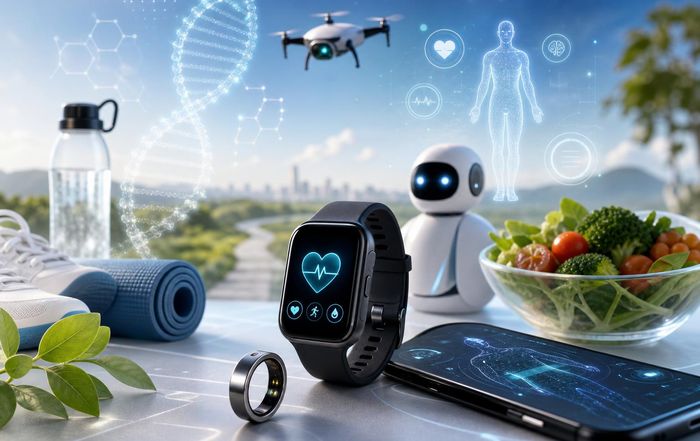
The most visible frontier of emerging health technologies is worn directly on the body. In 2026, advanced wearables, smart rings, and sensor-embedded textiles have moved far beyond simple step counting; they continuously monitor heart rate variability, sleep stages, respiration, temperature, and activity patterns to build a nuanced picture of a person's health status and recovery capacity. Companies such as Apple, Samsung, Garmin, and Oura have helped normalize this shift, while research institutions and health systems from the Mayo Clinic to Stanford Medicine explore how continuous data streams can inform early detection and personalized interventions. Readers can explore how mainstream organizations frame this evolution by reviewing global guidance from the World Health Organization on digital health.
As the quality of sensors improves and algorithms become more sophisticated, these devices are increasingly capable of identifying subtle variations that may signal mounting stress, overtraining, cardiovascular risk, or the onset of infection, long before traditional symptoms become obvious. In markets such as the United States, United Kingdom, Germany, and Japan, healthcare providers are beginning to integrate patient-generated data into remote monitoring programs for chronic conditions like hypertension, diabetes, and sleep apnea, aligning with frameworks promoted by bodies such as the U.S. Food and Drug Administration for digital health technologies. For wellness-focused consumers who follow wellnewtime.com, this means that the same wearable that guides a morning run can also become a gateway to more informed conversations with clinicians, coaches, and therapists, provided that privacy and data security are carefully managed.
Artificial Intelligence as a Wellness Co-Pilot
Artificial intelligence has rapidly shifted from an abstract concept to a practical co-pilot in daily health decisions. AI-driven applications can now interpret complex patterns in sleep, nutrition, movement, and mood data, offering recommendations that feel increasingly tailored and context-aware. For example, AI-enabled nutrition platforms draw on global databases such as the U.S. Department of Agriculture FoodData Central to help individuals in Europe, Asia, and North America design meal plans that support specific health goals, whether they are managing blood sugar, enhancing cognitive performance, or optimizing recovery from high-intensity training.
In parallel, AI chat-based companions and virtual coaches, developed by organizations like Google, Microsoft, and a growing ecosystem of health-tech startups, assist users in tracking habits, setting realistic goals, and maintaining motivation. These tools are beginning to incorporate evidence-based behavioral science approaches that align with research from institutions such as Harvard T.H. Chan School of Public Health, where leaders continue to highlight the impact of lifestyle choices on long-term wellbeing. For readers of wellnewtime.com, the most responsible use of AI in wellness is not to surrender judgment to algorithms, but to treat them as intelligent mirrors that reveal patterns, prompt reflection, and support informed decision-making while recognizing that human clinicians and trusted advisors remain central to complex or high-stakes health choices.
Telehealth, Virtual Care, and the Globalization of Access
The rapid expansion of telehealth that began earlier in the decade has solidified into a permanent pillar of modern healthcare and wellness. In 2026, video consultations, secure messaging, and remote diagnostics are mainstream in countries as diverse as Australia, Sweden, Singapore, and South Africa, supported by regulatory frameworks and reimbursement models that recognize virtual care as a legitimate component of health systems. Global organizations such as the World Bank and OECD have documented how digital health infrastructure can expand access in underserved regions, and interested readers can learn more about digital health system transformation from an international policy perspective.
For wellness-conscious individuals, telehealth extends beyond acute care or chronic disease management to include remote mental health counseling, nutrition coaching, physical therapy, and even guided rehabilitation after surgery or injury. Platforms that connect patients with licensed professionals across borders are making it easier for residents of smaller markets, from New Zealand to Finland, to access specialized expertise that might not be available locally. This evolution aligns naturally with the editorial focus of wellnewtime.com, where health, wellness, and lifestyle intersect with technology and travel, enabling readers to maintain continuity of care and coaching even as they move between cities, countries, or continents.
Mental Health, Mindfulness, and the Digital Nervous System
Mental and emotional wellbeing has emerged as a central priority for individuals and employers across North America, Europe, and Asia, and digital technologies are at the heart of this transformation. Meditation and mindfulness apps, virtual reality relaxation experiences, and AI-assisted cognitive behavioral tools are helping millions of people learn to regulate stress, sleep better, and build resilience. Organizations such as Headspace Health and Calm have partnered with employers and health systems to integrate these tools into broader wellbeing programs, while research groups, including those associated with National Institutes of Health (NIH), continue to examine the effectiveness of digital interventions for mental health.
For readers engaged with the mindfulness and wellness coverage on wellnewtime.com, the most promising innovations are those that combine technological sophistication with clinical rigor and ethical design. Biofeedback-enabled wearables that measure heart rate variability and breathing patterns can guide users through personalized breathing exercises in real time, while VR environments transport individuals to calming natural landscapes or structured therapeutic scenarios that support exposure therapy or pain management. However, as mental health apps proliferate, the importance of regulatory oversight, transparent clinical evidence, and robust privacy protections becomes paramount, particularly for vulnerable populations such as adolescents or individuals with severe mental health conditions.
Smart Homes, Ambient Computing, and Everyday Healthy Habits
Beyond personal devices, healthy living in 2026 is increasingly supported by the environments in which people live and work. Smart home systems, powered by ambient sensors, connected appliances, and intelligent lighting, are being designed to nudge healthier behaviors subtly throughout the day. For example, circadian lighting systems can adjust color temperature and brightness to support alertness in the morning and relaxation in the evening, reflecting research from institutions like MIT and University of Oxford on the impact of light on sleep and mood. Readers interested in the broader science of sleep and circadian health can explore resources provided by the National Sleep Foundation.
In kitchens, connected appliances work in tandem with nutrition apps and online grocery services to suggest recipes aligned with health goals, track food waste, and even monitor expiration dates, contributing to both personal wellbeing and environmental sustainability. In bathrooms and bedrooms, smart mirrors and connected scales provide longitudinal data on body composition, skin health, and posture, while also integrating with telehealth platforms for remote consultations. In offices across major hubs from London and Berlin to Tokyo and Toronto, smart workspaces use air quality sensors, ergonomic furniture, and adaptive scheduling tools to reduce sedentary behavior and cognitive fatigue, aligning with global occupational health recommendations from organizations such as the World Health Organization on healthy workplaces. For wellnewtime.com, which approaches wellness as a holistic ecosystem, these developments underscore how technology can make healthy choices the path of least resistance when thoughtfully implemented.
Fitness Technologies and the Evolution of Movement
The fitness industry has been transformed by a wave of connected equipment, immersive experiences, and data-driven coaching that spans continents. In 2026, smart gyms in cities from New York and Los Angeles to Seoul, Stockholm, and Dubai combine sensor-equipped machines, computer vision, and AI analysis to provide real-time feedback on form, intensity, and recovery. At home, connected bikes, rowers, and strength systems offer live and on-demand classes featuring instructors who are increasingly recognized as global wellness influencers, supported by platforms like Peloton, Technogym, and Les Mills. To understand how physical activity guidelines are evolving, readers can review recommendations from the World Health Organization on physical activity.
What distinguishes the current generation of fitness technology is its integration with broader health and wellness data, enabling more precise calibration of training loads, sleep, and nutrition. For example, endurance athletes in Europe and North America are using continuous glucose monitors, once restricted to diabetes management, to understand how their bodies respond to different fueling strategies, while recreational exercisers rely on adaptive training plans that adjust based on stress, travel, and recovery metrics. For the audience of wellnewtime.com, which often seeks to harmonize performance with longevity, the most compelling innovations are those that encourage consistency, reduce injury risk, and align exercise with individual life stages and cultural contexts, whether in urban centers or remote regions.
Beauty, Skin Health, and Personalized Self-Care
The beauty and personal care sector has embraced emerging technologies with remarkable speed, particularly in markets such as South Korea, Japan, France, and the United States, where consumers are highly attuned to skin health and aesthetic innovation. In 2026, personalized skincare routines informed by AI skin analysis, genetic testing, and environmental data are becoming more accessible, as brands from L'Oréal to Shiseido deploy advanced diagnostic tools in retail and digital channels. Industry bodies and dermatology associations, including the American Academy of Dermatology, provide guidance on evidence-based approaches to skin health, helping consumers distinguish between marketing hype and genuinely beneficial ingredients or routines.
At-home devices leveraging LED light therapy, microcurrent stimulation, and ultrasound are increasingly framed not just as cosmetic enhancements but as components of a broader self-care and wellbeing routine. For readers of wellnewtime.com who follow the site's evolving beauty and wellness coverage, the key is to evaluate how these tools support long-term skin health, confidence, and emotional wellbeing rather than short-term perfectionism. Regulatory scrutiny in regions such as the European Union and the United Kingdom continues to shape ingredient safety and device claims, and informed consumers are turning to reputable sources, including the European Commission's cosmetics regulations portal, to understand how standards evolve.
Wellness Travel, Remote Work, and the Hybrid Lifestyle
Travel and mobility patterns have changed significantly over the past several years, with remote and hybrid work arrangements enabling longer stays, workations, and wellness-focused journeys across Europe, Asia, Africa, and the Americas. Hotels, resorts, and retreats from Thailand and Bali to Italy, Costa Rica, and South Africa are integrating advanced wellness technologies into their offerings, including in-room meditation pods, circadian lighting, digital detox programs, and on-demand telehealth access. Global tourism organizations such as the World Travel & Tourism Council (WTTC) have highlighted wellness tourism as a major growth segment, and readers can learn more about global wellness travel trends through their analyses.
For the audience of wellnewtime.com, which often plans travel with health, fitness, and mindfulness in mind, this convergence of hospitality and health technology offers both opportunities and responsibilities. On the one hand, it becomes easier to maintain consistent routines in fitness, nutrition, and sleep while moving across time zones; on the other, travelers must remain vigilant about data privacy, cross-border telehealth regulations, and the potential for overreliance on devices in moments that might benefit from digital disconnection. The site's coverage of travel, lifestyle, and environment is well positioned to help readers navigate these trade-offs, particularly as climate-conscious travelers seek destinations and providers that align wellness with sustainability.
Sustainability, Environment, and the Ethics of Health Technology
Healthy living in 2026 cannot be separated from environmental health, and emerging technologies are reshaping how individuals and organizations understand this interdependence. Air quality sensors, wearable pollution monitors, and satellite-based climate data are making it easier for residents of cities from Beijing and Delhi to Paris and Los Angeles to understand how environmental conditions influence respiratory health, cardiovascular risk, and mental wellbeing. Organizations such as the United Nations Environment Programme (UNEP) and Intergovernmental Panel on Climate Change (IPCC) continue to emphasize the health impacts of climate change, and readers can explore the links between environment and human health to contextualize personal lifestyle decisions.
At the same time, there is growing scrutiny of the environmental footprint of health and wellness technologies themselves, from the energy consumption of data centers powering AI algorithms to the electronic waste generated by short-lived devices. Leaders in sustainable design and circular economy practices, including Ellen MacArthur Foundation, are urging companies to redesign products and supply chains to minimize waste and maximize recyclability, and business decision-makers can learn more about sustainable business practices. For wellnewtime.com, which increasingly explores the intersection of wellness, business, and environment, this conversation is critical, as readers expect not only personal benefits from technology but also alignment with broader social and environmental responsibility.
The Future of Work, Skills, and Wellness-Centric Careers
As organizations across North America, Europe, and Asia-Pacific integrate health technologies into employee benefits, office design, and leadership strategies, the labor market for wellness and health-tech professionals is evolving rapidly. New roles are emerging at the intersection of data science, clinical care, behavioral psychology, and experience design, from digital health coaches and remote care coordinators to wellness product managers and ethical AI specialists. Global forums such as the World Economic Forum (WEF) highlight how skills related to health, sustainability, and technology are shaping the future of work, and professionals can explore insights on jobs and skills of the future to inform their own career planning.
For the readership of wellnewtime.com, which includes entrepreneurs, corporate leaders, and career changers, this presents both an opportunity to align professional life with personal values and a challenge to continuously update skills in a fast-moving landscape. The site's coverage of jobs, innovation, and business is increasingly relevant as organizations in sectors from healthcare and hospitality to technology and consumer goods compete for talent capable of designing, implementing, and governing wellness technologies that are inclusive, evidence-based, and ethically grounded.
Building a Trustworthy Ecosystem for Technology-Enabled Healthy Living
Ultimately, the promise of emerging technologies for healthy living now depends on trust: that data will be protected, algorithms will be transparent, and products will be grounded in credible science rather than marketing hype. Regulators, professional associations, and standards bodies across the United States, European Union, United Kingdom, and Asia are working to develop frameworks that address issues such as algorithmic bias, data portability, and cross-border telehealth, often in collaboration with organizations like International Organization for Standardization (ISO) and national data protection authorities. Consumers and business leaders who follow wellnewtime.com can strengthen this ecosystem by demanding clarity on how data is used, supporting companies that prioritize privacy and sustainability, and engaging with independent evaluations from respected sources such as Cochrane's evidence reviews when assessing health claims.
For wellnewtime.com, whose totally unique content and always updated knowledge mission is to guide many readers through the evolving worlds of wellness, health, fitness, mindfulness, travel, beauty, business, and innovation, the coming years will be defined by a commitment to Experience, Expertise, Authoritativeness, and Trustworthiness. By curating insights from credible institutions, highlighting responsible innovators, and grounding coverage in the lived experiences of individuals across continents, the platform can help its global community navigate a future in which technology is not an end in itself but a powerful tool for living healthier, more meaningful, and more connected lives. As emerging technologies continue to evolve, the most enduring advantage will belong to those who combine data and devices with self-awareness, ethical judgment, and a deep respect for the complex, human dimensions of wellbeing that no algorithm can fully capture.