

Creating a More Balanced Daily Routine: A Strategic Guide for Modern Professionals!
So today the new conversation around balance has shifted from a vague aspiration to a measurable, strategic priority for individuals, organizations and societies that recognize the direct link between everyday routines and long-term performance, health and resilience. For the keen and active readers visiting here, who follow developments across wellness, health, fitness, mindfulness, travel, beauty, business, brands, lifestyle, environment and innovation, the question is no longer whether balance matters, but how to design a daily routine that is both sustainable and adaptable in a world defined by constant change, hybrid work, global connectivity and rising expectations.
This article examines how a more balanced daily routine can be built and maintained using evidence-informed practices, practical frameworks and a global perspective that reflects the interests of professionals across North America, Europe, Asia, Africa and South America. It explores how health, fitness, mental wellbeing, work design, digital behavior and even travel and environmental choices interact to shape daily life, and how individuals and organizations can collaborate to create conditions where balanced routines are not an exception but the norm.
The Main Importance of Balance in a High-Pressure World
The modern professional environment in 2026 is characterized by hybrid work models, fragmented attention, extended screen time and a blurring of boundaries between professional and personal life. Research from institutions such as the World Health Organization highlights how chronic stress, poor sleep and physical inactivity contribute to noncommunicable diseases and reduced productivity; readers can explore current data on global health trends through resources such as the WHO's health topics portal. For business leaders, this is no longer simply a wellness issue but a core performance and risk-management topic that affects recruitment, retention, innovation and brand reputation.
On wellnewtime.com, where wellness and business intersect, balance is increasingly framed as a strategic capability. A balanced daily routine allows professionals in the United States, the United Kingdom, Germany, Canada, Australia, Singapore and beyond to maintain high levels of cognitive performance while protecting long-term health. It underpins the capacity to make better decisions, lead teams effectively and respond to volatility without burnout. Readers who follow the platform's dedicated business insights recognize that organizations which support balanced routines are better positioned to compete in talent markets from London to Seoul and from New York to Stockholm.
Foundations of a Balanced Daily Routine: Health as the Core Asset
At the heart of any sustainable routine lies physical and mental health, which function as the primary assets that support all other ambitions. Without adequate sleep, nutrition, movement and recovery, even the most carefully planned schedule will eventually collapse under the weight of fatigue and impaired decision-making. The U.S. Centers for Disease Control and Prevention continues to emphasize the role of daily habits in preventing chronic disease, and professionals can review practical guidance on activity, sleep and diet through resources such as the CDC's healthy living pages.
For readers of wellnewtime.com, the health dimension is more than the absence of illness; it is a proactive, informed approach to wellbeing that integrates medical understanding with lifestyle design. The platform's dedicated health section reflects this holistic approach, highlighting how routine screenings, vaccination, mental health support and evidence-based self-care practices can be woven into daily life for individuals in cities from Toronto to Tokyo and regions from Scandinavia to South Africa.
In 2026, access to digital health tools, telemedicine platforms and AI-assisted diagnostics has expanded across many markets, enabling professionals with demanding schedules to monitor biometrics, consult clinicians remotely and receive personalized recommendations. Organizations such as Mayo Clinic provide accessible educational resources that help individuals understand symptoms, conditions and treatments; those interested in deepening their knowledge can explore the Mayo Clinic's patient education resources. A balanced routine increasingly includes time allocated not only for exercise and rest but also for informed engagement with one's own health data and care options.
Designing the Morning: Intentional Starts in a Digital Age
The way a day begins exerts a disproportionate influence on how it unfolds. In a world where many professionals reach for their smartphones within minutes of waking, the first challenge in creating a balanced routine is to reclaim the early hours from reactive digital consumption. Researchers in sleep and circadian rhythms, including those whose work is summarized by organizations like the National Sleep Foundation, emphasize the value of consistent wake times and exposure to morning light; readers can access practical recommendations via the National Sleep Foundation's sleep guidelines.
For the wellnewtime.com audience, a balanced morning routine combines physiological alignment with mental clarity. This may include a brief mindfulness practice, light movement and a nutrient-dense breakfast, rather than an immediate dive into email or social media. The platform's mindfulness section explores how short, structured practices-such as ten minutes of focused breathing, body scanning or gratitude reflection-can improve emotional regulation and cognitive performance throughout the day. Such practices are increasingly adopted by executives in financial centers from Frankfurt to Hong Kong, as well as by entrepreneurs in emerging hubs across Africa and South America.
At the same time, the morning is an opportunity to integrate elements of beauty and self-presentation that support confidence and professionalism without becoming a source of stress. Major organizations in dermatology and skincare, such as the American Academy of Dermatology, provide guidance on protective routines, including sun protection and barrier care; those interested can learn more about evidence-based skincare. For readers of the wellnewtime.com beauty section, the morning routine becomes a practical expression of self-respect and readiness, aligning appearance with health and authenticity rather than chasing unrealistic perfection.
Integrating Movement and Fitness into a Busy Schedule
Physical activity remains one of the most powerful levers for improving both physical and mental health, yet many professionals across Europe, Asia and the Americas struggle to meet recommended activity levels due to demanding schedules and sedentary work. The World Health Organization recommends at least 150-300 minutes of moderate-intensity aerobic activity per week for adults, combined with muscle-strengthening activities on two or more days; detailed guidance is available through the WHO's physical activity guidelines.
Creating a balanced daily routine in 2026 means shifting from the idea of exercise as a separate, time-consuming task toward the integration of movement throughout the day. For readers of the wellnewtime.com fitness section, this includes strategies such as walking meetings, active commuting by bicycle in cities like Amsterdam, Copenhagen or Vancouver, micro-workouts between virtual meetings and the use of standing desks or movement prompts. Wearable technology and health apps, now common in markets from the United States and Canada to Japan and Singapore, provide real-time feedback on steps, heart rate and sedentary time, enabling individuals to adjust their routines proactively.
Strength training and mobility work are gaining prominence not only among athletes but also among knowledge workers in sectors such as finance, technology and professional services. Institutions like Harvard T.H. Chan School of Public Health highlight the role of resistance training in preserving metabolic health and functional independence; readers can explore research-based fitness guidance. A balanced routine often includes short, high-quality strength sessions two to three times per week, supported by adequate protein intake, hydration and recovery practices tailored to different age groups and cultural contexts.
Mental Health, Mindfulness and Cognitive Balance
The intensification of remote and hybrid work since the early 2020s has brought mental health to the forefront of public and corporate discourse. In 2026, professionals in London, New York, Berlin, Sydney, Singapore and beyond face continuous streams of information, complex decision-making demands and an erosion of traditional boundaries between work and personal life. Organizations such as the National Institute of Mental Health in the United States provide accessible information on anxiety, depression and stress-related conditions, which can be explored through their mental health resources.
For readers of wellnewtime.com, mindfulness is not merely a wellness trend but a practical methodology for managing attention, emotion and energy across the day. The platform's mindfulness coverage emphasizes techniques supported by research from universities and clinical institutions worldwide, including focused attention meditation, compassion practices and mindful movement. These practices have been adopted by leading organizations from Google to SAP, which have implemented mindfulness and resilience programs to support employee wellbeing and innovation; professionals interested in how mindfulness intersects with organizational culture can learn more about mindfulness at work.
A balanced daily routine in 2026 typically includes multiple brief mental resets: a few minutes of breathing exercises before important meetings, screen-free breaks between tasks, and intentional digital boundaries in the evening. In regions such as Scandinavia, Japan and New Zealand, cultural traditions that emphasize nature connection and seasonal rhythms are being reinterpreted as modern resilience strategies, with professionals using local parks, waterfronts and green spaces as extensions of their mindfulness practice. This aligns with the growing recognition that mental health is deeply connected to environmental context, community support and lifestyle design.
Work Design, Boundaries and the New Hybrid Reality
As organizations across North America, Europe and Asia continue to refine hybrid work models, the design of work itself has become a central determinant of daily balance. Companies that encourage asynchronous communication, realistic workloads and clear expectations enable employees to shape routines that respect both productivity and personal wellbeing. The International Labour Organization has documented the complex effects of remote work on health, productivity and work-life balance; professionals can review ILO analyses on telework and work organization.
For the wellnewtime.com audience, many of whom operate in demanding industries or entrepreneurial environments, the challenge lies in establishing boundaries that are both firm and flexible. This includes defining core working hours, setting communication norms with colleagues in different time zones from Europe to Asia, and consciously scheduling deep-work blocks for complex tasks. The platform's business coverage frequently highlights how leaders in sectors such as technology, finance and professional services are experimenting with four-day workweeks, meeting-free days and outcome-based performance metrics to support more balanced routines.
In parallel, professionals are increasingly aware that their digital behavior shapes their cognitive environment. Research summarized by organizations like Stanford University underscores the cognitive cost of multitasking and constant notifications; readers can learn more about attention and digital distraction. A balanced routine in 2026 often includes intentional notification management, scheduled email windows and dedicated times for creative or strategic thinking without digital interruption. This approach is particularly relevant for global teams that operate across the United States, the United Kingdom, Germany, Singapore and Australia, where time-zone differences can otherwise lead to a 24-hour workday.
Nutrition, Recovery and the Science of Sustainable Energy
While fitness and mindfulness receive considerable attention, nutrition and recovery are equally central to a balanced daily routine. In a world where professionals frequently eat on the go, travel between countries and juggle multiple responsibilities, consistently making supportive nutritional choices can be challenging. Institutions such as the European Food Safety Authority provide science-based guidance on nutrients and food safety across the European Union, and those interested can explore EFSA's consumer information.
For readers of wellnewtime.com, nutrition is best approached as a system that supports stable energy, cognitive performance and long-term health rather than as a sequence of restrictive diets. This includes prioritizing whole foods, adequate hydration, balanced macronutrients and mindful eating practices that avoid constant snacking driven by stress. The platform's wellness section often explores how professionals in regions as diverse as Italy, Japan, Brazil and South Africa integrate local culinary traditions with global nutritional insights to create routines that are both culturally authentic and physiologically supportive.
Recovery extends beyond sleep, although quality sleep remains foundational. Organizations such as the Sleep Foundation and academic centers specializing in sleep medicine emphasize the importance of consistent schedules, dark and cool sleeping environments and pre-sleep routines that reduce exposure to blue light and stimulating content; readers can learn more about improving sleep quality. A balanced routine incorporates not only nightly sleep but also short rest periods, relaxation techniques, massage and other modalities that support the parasympathetic nervous system. The wellnewtime.com massage section explores how therapeutic touch, stretching and bodywork are used worldwide-from Thai massage in Bangkok to sports massage in Zurich-to enhance recovery and prevent injury.
Travel, Environment and Lifestyle Choices that Support Balance
For an audience that follows wellnewtime.com across continents, travel is both an aspiration and a reality of modern professional life. Whether visiting clients in Singapore, attending conferences in Berlin or exploring wellness retreats in Thailand or New Zealand, travel can either disrupt or enhance a balanced routine. Organizations such as the World Tourism Organization (UNWTO) provide insights into sustainable tourism trends and the impact of travel on communities and environments; interested readers can explore UNWTO's resources.
A balanced approach to travel in 2026 emphasizes preparation, adaptability and environmental responsibility. This includes planning for time-zone adjustments, maintaining hydration and movement during flights, and choosing accommodations that support sleep and access to healthy food. The wellnewtime.com travel section frequently highlights destinations that combine wellness infrastructure, nature access and cultural richness, from spa towns in Germany and Switzerland to coastal retreats in Australia and wellness resorts in Thailand and Bali.
Environmental awareness is increasingly intertwined with personal balance, as individuals recognize the psychological benefits of nature contact and the ethical implications of consumption patterns. The United Nations Environment Programme documents how urban green spaces, clean air and access to nature influence public health and quality of life; readers can learn more about environment and wellbeing. The wellnewtime.com environment coverage connects these global insights with practical lifestyle choices, encouraging readers to integrate nature walks, local produce, sustainable transport and mindful consumption into their daily and weekly routines.
Beauty, Brands and the Ethics of Everyday Choices
In 2026, beauty and personal care are no longer discussed solely in terms of aesthetics; they are framed as expressions of identity, values and wellbeing. Consumers across the United States, Europe, Asia and beyond are increasingly attentive to ingredient transparency, environmental impact and ethical sourcing. Regulatory bodies such as the European Commission provide detailed information on cosmetic regulations and safety within the European Union, which can be explored through EU consumer product safety resources.
For wellnewtime.com readers, who follow the platform's beauty and brands sections, daily routines involving skincare, grooming and fragrance are evaluated through the lens of health, sustainability and authenticity. This includes choosing brands that align with personal values, support fair labor practices and minimize environmental impact. Organizations such as B Corporation certify companies that meet high standards of social and environmental performance, and professionals can learn more about responsible brands.
A balanced daily routine integrates beauty and grooming as supportive, not dominating, elements-rituals that enhance confidence and comfort without becoming sources of pressure or overconsumption. This perspective resonates strongly in markets such as France, South Korea and the United Kingdom, where beauty culture is influential but increasingly being reshaped by conversations about mental health, body image and diversity. wellnewtime.com reflects these evolving conversations, helping readers navigate choices that honor both personal expression and long-term wellbeing.
Innovation, Work Futures and the Skills of Balance
The landscape of work and lifestyle in 2026 is being reshaped by rapid innovation in artificial intelligence, automation, digital health and remote collaboration. Organizations like the World Economic Forum analyze how these shifts affect skills demand, employment patterns and wellbeing; readers can explore WEF insights on the future of work. For professionals across continents, the capacity to maintain a balanced daily routine is increasingly recognized as a critical meta-skill that supports adaptability, learning and creativity.
The wellnewtime.com innovation section follows how new technologies-from mental health apps and virtual fitness platforms to wearable biosensors and smart home environments-are transforming the way individuals design and maintain their routines. In cities such as San Francisco, Berlin, Singapore and Seoul, early adopters are using AI-driven coaching tools to optimize sleep, nutrition and productivity, while also confronting ethical questions about data privacy and algorithmic bias. Balance in 2026 thus includes not only physical and mental wellbeing but also a thoughtful relationship with technology that preserves autonomy and human connection.
At the same time, the evolving job market requires professionals to manage transitions, upskilling and portfolio careers. Platforms and organizations that track employment trends, such as OECD and national labor agencies, highlight the growing importance of lifelong learning and flexible work arrangements; those interested can learn more about changing skills demands. The wellnewtime.com jobs section connects these macro trends with individual strategies for designing routines that support study, networking, entrepreneurship and career pivots without sacrificing health and relationships.
Bringing It Together: A Personal, Global and Sustainable Approach to Balance
Creating a more balanced daily routine is not about following a rigid template or adopting every new wellness trend. Instead, it involves a continuous, reflective process of aligning one's time, energy and attention with personal values, health needs and professional responsibilities. For returning readers here, this process is informed by a global perspective that recognizes the diversity of cultural practices, work patterns and environmental contexts across regions from North America and Europe to Asia, Africa and South America.
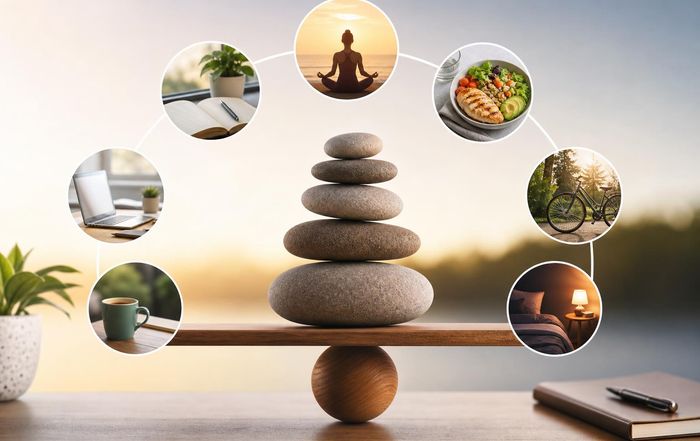
A sustainable routine typically integrates several core elements: consistent sleep and wake times, structured but flexible work blocks, integrated movement and fitness, intentional nutrition, regular mindfulness or contemplative practices, meaningful connection with others, and periodic engagement with nature and travel. It also reflects ethical and environmental considerations in areas such as consumption, transport and digital behavior. The wellnewtime.com positive thinking lifestyle section offers ongoing inspiration and analysis for readers who are refining these elements in response to changing life stages, careers and global conditions.
Ultimately, balance is not a static state but a dynamic capability: the ability to adjust, recover and realign in the face of pressures, opportunities and uncertainties. In a world where news cycles, technologies and markets evolve rapidly-a reality tracked in the platform's inspiring news coverage and world section-those who deliberately craft and protect balanced routines will be better equipped to lead, innovate and thrive. For wellnewtime.com and its worldwide audience, the pursuit of a more balanced daily routine is both a personal journey and a collective project, shaping not only individual lives but the future of work, health and society itself.