

Why Community Fitness Is Powering the Next Wave of Global Wellbeing
A New Phase in Movement, Connection, and Performance
Community fitness has evolved from a perceived post-pandemic rebound into a durable, structural pillar of how people across the world think about health, connection, and sustainable performance. What began as a reaction to isolation in the early 2020s has matured into a sophisticated ecosystem in which group movement is interwoven with mental health, workplace strategy, urban planning, tourism, and digital innovation. Shared physical activity is influencing how cities are designed, how organizations compete for talent, and how individuals choose to live, travel, and work.
For WellNewTime, which has steadily grown into a trusted global platform for integrated wellbeing, this shift is more than a passing lifestyle story; it is a lens through which to understand the convergence of wellness, business, environment, and innovation in a world that is simultaneously hyper-connected and emotionally fragmented. Readers who navigate the platform's dedicated coverage of wellness, health, fitness, and lifestyle increasingly recognize that personal wellbeing is not a solitary project but a collective endeavor, shaped by communities, workplaces, and public policy as much as by individual motivation.
Community fitness in 2026 is no longer limited to gyms and boutique studios; it encompasses outdoor training groups, neighborhood walking networks, corporate run clubs, hybrid digital-physical communities, and destination retreats that link movement with recovery, mindfulness, and environmental awareness. As the World Health Organization continues to warn about the global burden of inactivity and chronic disease, the renewed emphasis on shared activity is emerging as a practical, scalable response. Readers seeking a global overview of physical activity recommendations can explore the latest guidelines from the World Health Organization, which increasingly inform national strategies from the United States and United Kingdom to Germany, Canada, Australia, and beyond.
From Isolation to Interaction: Lessons from a Disrupted Decade
The origins of the current community fitness wave lie in the profound social and psychological disruptions of the early 2020s. Lockdowns, remote work, and prolonged uncertainty accelerated the adoption of digital fitness solutions, from connected bikes and mirrors to app-based coaching and streaming platforms. Companies such as Peloton and Apple played an important role in keeping millions active at home, while fitness content on platforms like YouTube and Instagram expanded rapidly. Yet as the decade progressed, it became increasingly clear that virtual workouts, however convenient, could not fully replicate the emotional depth of moving together in real time and shared space.
Research consistently highlighted by the U.S. Centers for Disease Control and Prevention underscores that physical activity and social connection are intertwined determinants of health. The absence of casual interactions, shared effort, and collective encouragement left many people physically active but emotionally undernourished. As restrictions eased and hybrid work patterns stabilized, individuals across North America, Europe, and Asia began to seek experiences that combined the flexibility of digital tools with the irreplaceable human energy of in-person communities.
Urban parks in cities such as London, Amsterdam, Barcelona, Vancouver, and Singapore became informal laboratories for this new model. Outdoor bootcamps, run clubs, calisthenics groups, and yoga circles emerged as accessible, low-cost entry points into community fitness. Municipalities in the United Kingdom, Germany, the Netherlands, the Nordic countries, and parts of Asia responded by investing in lighting, equipment, and cycling infrastructure to support safe, year-round group activity. For readers of WellNewTime, who follow ongoing developments through the platform's news section, this progression illustrates how policy, infrastructure, and culture intersect to either enable or constrain healthier, more connected lives.
The Science of Moving Together: Adherence, Emotion, and Performance
The endurance of community fitness into 2026 is not simply a cultural preference; it is strongly supported by behavioral science, physiology, and neuroscience. Evidence summarized by organizations such as the American College of Sports Medicine shows that individuals who participate in group exercise are more likely to maintain consistent routines, achieve higher intensity levels safely, and report greater enjoyment than those who train alone. Learn more about how structured activity guidelines support long-term health through resources from the American College of Sports Medicine.
Social accountability is a critical driver: the simple expectation that others are waiting at the park, studio, or track significantly increases the likelihood of showing up, especially on days when motivation is low. In addition, the subtle phenomenon known as "social facilitation" often leads participants to push slightly harder when surrounded by peers, improving cardiovascular fitness and muscular endurance over time without necessarily feeling more effortful.
Neuroscience adds a further layer of insight. Group movement has been associated with synchronized heart rates and breathing patterns, which can enhance feelings of cohesion and belonging. Research summarized by Harvard Medical School and similar institutions links physical activity and social interaction with increased release of endorphins and oxytocin, contributing to improved mood, reduced anxiety, and stronger interpersonal trust. Readers can explore how exercise and social engagement affect brain health through Harvard Health Publishing. In practice, a community run along the Hudson River in New York, a cycling group in Copenhagen, or a tai chi circle in Shanghai does more than build fitness; it generates emotional memories and social bonds that reinforce long-term adherence.
For the WellNewTime audience, which often approaches wellbeing holistically, this body of evidence reinforces a core editorial theme: physical health, mental resilience, and social connectedness are mutually reinforcing. The platform's coverage of mindfulness and inner balance emphasizes that sustained wellbeing arises when movement, recovery, sleep, nutrition, and emotional regulation are aligned rather than treated as separate domains.
Digital Tools as Catalysts for Real-World Communities
Contrary to early fears that technology would permanently isolate individuals behind screens, the most effective fitness platforms in 2026 are those that use digital tools to catalyze real-world connection. Social training apps, wearables, and online communities now act as coordination layers that lower the friction of organizing group activity rather than as substitutes for it. Strava, for example, has transformed from a performance-tracking app into a global social network for endurance athletes and recreational movers, enabling users to form clubs, join challenges, and discover local events in cities from San Francisco to Zurich and Singapore. Learn more about how digital communities are shaping endurance sports on the Strava clubs and community pages.
Boutique studios and multi-site operators across the United States, United Kingdom, Europe, and Asia rely on booking platforms, live leaderboards, and community channels to maintain engagement between sessions, but their strategic focus has shifted decisively toward building culture and belonging within physical spaces. Hybrid models, in which members can join a live class in London while traveling in Dubai or New York, are now common, blending geographic flexibility with the continuity of a familiar community.
At the same time, major technology companies such as Google and Apple are deepening their involvement in health and fitness ecosystems through wearables, health data platforms, and partnerships with insurers and healthcare providers. The U.S. National Institutes of Health documents how digital health tools are influencing behavior change, while regulators in Europe and Asia focus increasingly on privacy, consent, and algorithmic transparency. Trust has become a strategic differentiator: platforms that clearly communicate how data is used and that visibly prioritize user wellbeing over engagement metrics are better positioned to support community fitness initiatives that span workplaces, cities, and healthcare systems.
For WellNewTime, which tracks these trends in its innovation coverage, the key question is not whether technology is good or bad for fitness, but how it is designed, governed, and integrated into human-centered experiences.
The Business Case: Community Fitness as a Strategic Asset
In boardrooms from New York and London to Frankfurt, Zurich, Singapore, and Tokyo, community fitness has moved from a peripheral perk to a strategic component of workforce wellbeing and organizational resilience. Rising healthcare costs, talent shortages, hybrid work, and burnout have forced employers to reconsider how they support physical and mental health. Group-based movement programs, whether in the form of on-site classes, subsidized local memberships, or structured walking and running initiatives, are increasingly framed as investments in productivity, retention, and culture rather than discretionary benefits.
Analyses from organizations such as the World Economic Forum highlight the economic case for integrating health and wellbeing into corporate strategy, including the role of active lifestyles in reducing non-communicable disease and improving cognitive performance. Executives and HR leaders can explore this perspective through the World Economic Forum's insights on health, healthcare, and sustainable business practices. For readers following the business coverage on WellNewTime, the trend is clear: companies that embed community fitness into their culture-through team-based challenges, charity events, and cross-functional training groups-are better equipped to foster collaboration, psychological safety, and innovation.
Co-working spaces and innovation hubs in cities such as Berlin, Stockholm, Toronto, Melbourne, and Singapore have also recognized that curated fitness and mindfulness programs strengthen their value propositions. Weekly bootcamps, rooftop yoga, and guided breathwork sessions become informal networking forums where entrepreneurs, creatives, and remote workers build relationships that later translate into partnerships and ventures. This convergence of entrepreneurship, wellbeing, and community reflects a broader shift toward human-centric work environments in which energy management, emotional balance, and social cohesion are treated as prerequisites for sustainable performance.
Mental Health, Mindfulness, and the Emotional Architecture of Community Fitness
The mental health dimension of community fitness has become even more salient in 2026 as societies grapple with the cumulative effects of geopolitical tension, economic uncertainty, climate anxiety, and rapid technological disruption. Organizations such as Mind in the United Kingdom and the National Alliance on Mental Illness in the United States emphasize that physical activity can play a meaningful role in managing conditions such as depression and anxiety when combined with appropriate clinical care. Readers can explore the mental health benefits of exercise through NAMI's educational resources.
What distinguishes the current era from earlier fitness booms is the intentional integration of mindfulness, breathwork, and emotional literacy into group movement. Studios and community programs in global cities now routinely close high-intensity sessions with grounding exercises, reflective prompts, or brief meditations, acknowledging that nervous system regulation is as important as muscular fatigue. This approach resonates strongly with WellNewTime's focus on mindfulness, where attention is given to the inner experience of movement as much as to external performance metrics.
For professionals in high-pressure sectors such as finance in London and New York, technology in San Francisco and Bangalore, law in Frankfurt and Paris, or healthcare in Toronto and Sydney, community fitness offers a rare space where vulnerability is normalized. The consistent ritual of meeting the same group each week-whether for a sunrise run, a lunchtime strength class, or an evening yoga flow-creates a micro-community that can buffer against loneliness and burnout. Over time, these spaces often evolve into informal support networks where career transitions, personal challenges, and successes are shared alongside training milestones.
Inclusivity, Access, and the Globalization of Community Fitness
A defining characteristic of the community fitness landscape in 2026 is the growing emphasis on inclusivity and access. Earlier decades were often dominated by narrow ideals of athleticism and aesthetics, which left many feeling excluded. Today, public agencies, nonprofits, and brands across Europe, North America, Asia, Africa, and South America are actively working to broaden participation across age, ability, income, gender identity, and cultural background.
Organizations such as Sport England in the United Kingdom and ParticipACTION in Canada promote initiatives specifically designed to reduce barriers to movement, from cost and childcare to cultural norms and perceived safety. Readers can learn more about inclusive activity campaigns and community sport initiatives through Sport England's programs. In South Africa, Brazil, and parts of Southeast Asia, community-led programs in public spaces-often supported by local governments or NGOs-offer free or low-cost classes that bring together residents across socioeconomic lines.
Northern European countries including Sweden, Norway, Denmark, and Finland continue to demonstrate how infrastructure and culture can work together to normalize everyday movement. Extensive cycling networks, outdoor gyms, and all-weather recreational paths encourage spontaneous group activity, while social norms support participation across ages and fitness levels. In East Asia, from Japan and South Korea to Singapore, corporate and municipal programs are increasingly integrating group movement into daily life, from lunchtime walking clubs to neighborhood stretching routines.
For the global readership of WellNewTime, this diversity of models underscores that community fitness is not a Western or urban privilege but a flexible framework that can be adapted to local climates, traditions, and economic realities. The platform's lifestyle coverage frequently highlights how communities in different regions-from cycling commuters in the Netherlands to early-morning dance groups in China and surf communities in Australia and New Zealand-embed movement into daily routines in culturally resonant ways.
Recovery, Massage, Beauty, and the Expanded Ecosystem of Wellbeing
As participation in community fitness grows, so does the recognition that recovery, body care, and aesthetics are integral components of sustainable performance. The days of glorifying exhaustion and neglecting rest are giving way to a more sophisticated understanding of training cycles, tissue health, and nervous system balance. Sports massage, myofascial release, assisted stretching, and other hands-on therapies are increasingly integrated into group training environments, from amateur running clubs to semi-professional cycling teams and corporate wellness programs. Readers interested in how manual therapies support performance, injury prevention, and relaxation can explore the dedicated massage section of WellNewTime.
The beauty sector is evolving in parallel. In markets such as France, Italy, Spain, South Korea, and Japan, brands are developing skincare and grooming products tailored to active lifestyles, focusing on barrier protection, sweat-compatible formulations, and recovery-focused rituals. The narrative is shifting from appearance as a standalone goal to appearance as an outward reflection of internal health, sleep quality, hydration, and emotional balance. Business leaders and marketers tracking this evolution can deepen their understanding through industry analyses from platforms like Vogue Business and similar authorities, while WellNewTime offers curated insights in its beauty coverage.
Wellness retreats and destination experiences in Switzerland, Italy, Thailand, Bali, South Africa, and Costa Rica are increasingly built around community-centric programming that blends movement, recovery, and reflection. Group hikes, shared spa rituals, guided breathwork, and communal meals create a sense of belonging that extends beyond the retreat itself, often leading to ongoing digital communities and annual reunions. This integration aligns with the broader editorial perspective of WellNewTime, which views wellness not as a collection of isolated services but as an interconnected ecosystem that touches body, mind, relationships, and environment.
Travel, Environment, and the Emergence of Active Communities
International travel has largely stabilized by 2026, and active tourism is one of its most dynamic segments. Travelers from the United States, United Kingdom, Germany, Canada, China, and across Asia-Pacific increasingly seek destinations where they can integrate movement into exploration, whether through cycling tours in Tuscany and the Loire Valley, hiking routes in New Zealand and Patagonia, surf camps in Portugal and Brazil, or urban running tours in cities such as Tokyo and Singapore. The World Travel & Tourism Council documents how health-conscious and sustainability-aware travelers are reshaping tourism offerings worldwide, a trend that aligns closely with the interests of WellNewTime readers who follow travel insights.
Environmental consciousness is deeply intertwined with this evolution. Group activities in parks, forests, and coastal areas foster a direct, experiential connection to nature, which in turn strengthens public support for conservation and climate action. Organizations such as the World Wildlife Fund and the United Nations Environment Programme highlight the importance of accessible green and blue spaces for both biodiversity and human wellbeing. Readers can explore how urban green spaces contribute to health and resilience through reports from the UN Environment Programme.
Cities including Amsterdam, Copenhagen, Vancouver, Singapore, and Zurich are at the forefront of designing environments that facilitate active transportation, outdoor recreation, and low-carbon lifestyles. Investments in cycling infrastructure, pedestrian zones, and waterfront redevelopment not only reduce emissions but also provide natural venues for community fitness. This alignment between personal health and planetary health is a recurring theme in WellNewTime's environment coverage, where movement is framed as both a personal choice and a civic contribution.
Innovation, Brands, and the Competitive Landscape of Community Fitness
Innovation is reshaping community fitness at every level, from local clubs to global brands. Startups and established companies are experimenting with AI-driven coaching that adapts to group dynamics, immersive studios that blend sound, light, and biometric feedback, and platforms that integrate physical activity with mental health support and social impact initiatives. Conferences such as the MIT Sloan Sports Analytics Conference highlight how data, analytics, and technology are transforming sport and fitness, offering business leaders and practitioners a window into the next generation of performance and engagement models. Learn more about these developments through the MIT Sloan Sports Analytics Conference.
For brands, community fitness has become a powerful arena for building authentic relationships. Sportswear, nutrition, technology, hospitality, and even financial services companies are sponsoring run clubs, outdoor festivals, wellness weekends, and cause-driven fitness events that align commercial objectives with community benefit. Rather than relying solely on traditional advertising, leading brands seek to create experiences that genuinely enhance participants' lives, thereby earning trust and long-term loyalty. Readers interested in how these dynamics are reshaping the global marketplace can explore WellNewTime's coverage of brands and partnerships.
Policy and governance will play a decisive role in determining how inclusive and ethical the future of community fitness becomes. Questions around data ownership, algorithmic bias, accessibility, and the commercialization of public space are moving to the forefront. Policymakers, urban planners, educators, healthcare providers, and private-sector innovators will need to collaborate to ensure that the benefits of community fitness are widely shared, reaching not only affluent urban centers in Europe, North America, and Asia, but also underserved communities in Africa, South America, and rural regions worldwide. Platforms like WellNewTime, with its cross-cutting focus on innovation, business, and wellbeing, are well positioned to interpret these developments for a discerning, globally distributed audience.
WellNewTime and the Future of an Active, Connected World
As community fitness consolidates its role in global culture in 2026, WellNewTime stands at a strategic intersection of wellness, business, lifestyle, and innovation. Through its integrated coverage of wellness, health, fitness, lifestyle, business, and environment, the platform helps readers from the United States, United Kingdom, Germany, Canada, Australia, France, Italy, Spain, the Netherlands, Switzerland, China, Sweden, Norway, Singapore, Denmark, South Korea, Japan, Thailand, Finland, South Africa, Brazil, Malaysia, New Zealand, and beyond understand not only the visible manifestations of the community fitness movement, but the deeper forces that drive it.
For individuals, community fitness offers a practical and evidence-based pathway to better physical health, stronger mental resilience, and richer social networks. For employers, it provides a lever to enhance engagement, creativity, and retention in a labor market defined by flexibility and high expectations. For cities and regions, it is a catalyst for designing built environments that are healthier, more sustainable, and more inclusive. For brands and innovators, it is a proving ground where trust is earned not through slogans but through tangible contributions to people's daily lives.
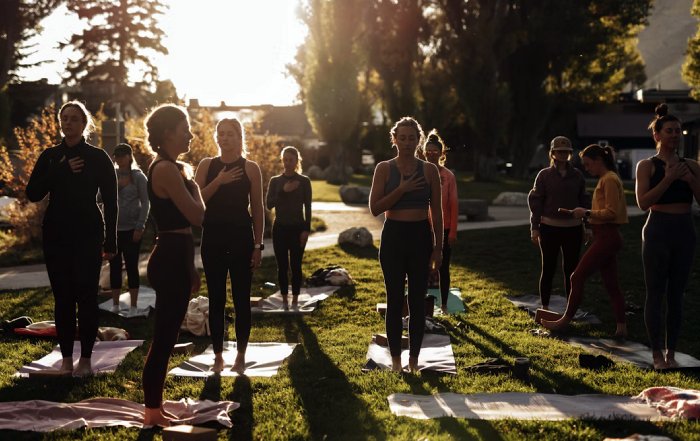
In an era marked by rapid technological change and persistent uncertainty, the simple act of moving together-running side by side along a river, sharing a row of yoga mats in a community hall, cycling through city streets at dawn, or stretching in a neighborhood park-has regained its significance as a unifying human experience. Community fitness is not making a comeback because it is fashionable; it is thriving because it meets enduring needs for connection, purpose, and vitality, while aligning with the broader shift toward integrated, holistic wellbeing that defines the editorial mission of WellNewTime. As the world navigates the remainder of this decade, the communities that choose to move together-across borders, cultures, and generations-are likely to be among the most resilient, innovative, and fulfilled, and WellNewTime will continue to chronicle their journeys for a global audience seeking credible guidance at the intersection of health, work, and life.