

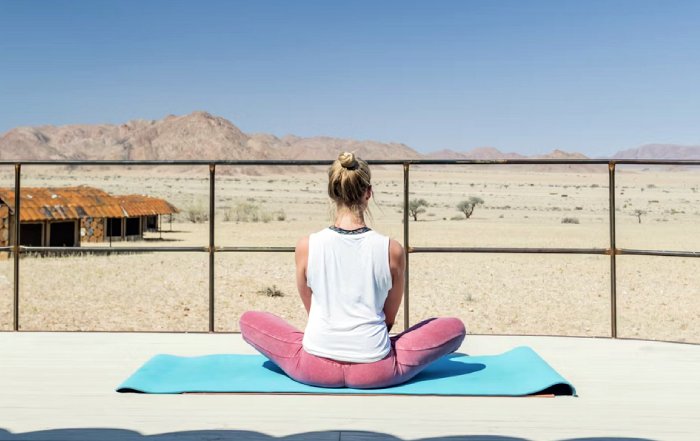
Why Balance Is the New Focus in Personal Wellness Travel
From Escape to Integrated Wellbeing
Personal wellness travel has matured from a niche escape into a central pillar of the global tourism and lifestyle economy, and the most important shift within this evolution is the move from extremes toward balance. Rather than promising total disconnection, severe detox regimes, or relentless fitness challenges, the most credible retreats and destinations now present themselves as long-term partners in integrated wellbeing, designing experiences that travelers can realistically maintain once they return to their demanding professional and personal lives. For the readership of Well New Time, who navigate high-intensity careers, digital overload, and growing expectations around health, performance, and purpose, this new paradigm of balance offers a more sustainable, humane, and strategically intelligent approach to living and working well.
This transformation is closely aligned with the broader redefinition of wellness itself. The World Health Organization describes health as a complete state of physical, mental, and social wellbeing, not merely the absence of disease, and travelers in 2026 increasingly seek experiences that reflect this holistic understanding. They are no longer satisfied with trips that require them to temporarily abandon their identities as professionals, parents, entrepreneurs, or global citizens. Instead, they want journeys that respect these roles while still making room for rest, reflection, and recalibration. Industry analyses from organizations such as the Global Wellness Institute and the World Travel & Tourism Council show that wellness tourism continues to grow faster than overall tourism, and the brands that are thriving are those that recognize travelers no longer want to flee their lives, but to realign them.
For Well New Time, positioned at the intersection of wellness, health, lifestyle, and travel, this shift is deeply personal. The platform's global audience, spanning North America, Europe, Asia, Africa, and Oceania, is moving away from fragmented advice that treats fitness, beauty, mental health, business performance, and environmental responsibility as separate silos. Instead, readers are seeking integrated, evidence-informed guidance that allows them to design travel and everyday routines as part of one coherent, balanced life.
Why Balance Has Become a Strategic Necessity
The global context of the mid-2020s has elevated balance from a lifestyle preference to a strategic necessity. Hybrid work and pervasive digital collaboration tools from companies such as Microsoft and Zoom have entrenched always-on expectations in organizations across the United States, United Kingdom, Germany, Singapore, and beyond, eroding the boundaries between work and home. Research from the McKinsey Global Institute and the OECD continues to highlight how these shifts, compounded by inflationary pressures, geopolitical uncertainty, and demographic change, have amplified stress and burnout across regions from North America and Europe to Asia-Pacific. At the same time, public health authorities, including the U.S. Centers for Disease Control and Prevention and the UK National Health Service, have issued repeated warnings about the mental health consequences of chronic stress, social isolation, and lifestyle disruption.
Within this reality, wellness travel has become a deliberate strategy for many professionals, entrepreneurs, and leaders rather than a discretionary luxury. Executives in financial and technology hubs such as New York, London, Frankfurt, Singapore, and Sydney increasingly use carefully chosen wellness breaks to restore cognitive capacity, enhance emotional resilience, and gain perspective on critical decisions. Yet the earlier generation of wellness travel, built around rigid schedules, severe detoxes, or idealized routines, often produced a short-lived sense of improvement without equipping guests to sustain change once they returned to busy offices and complex family lives. The new, balance-oriented model responds directly to this gap, designing programs that are not only restorative but also transferable, acknowledging that very few people can maintain extreme regimens outside a retreat environment.
This emphasis on balance is grounded in a more sophisticated understanding of physiology and psychology. Longitudinal research from institutions such as Harvard Medical School and Mayo Clinic has reinforced the principle that moderate, consistent habits across sleep, nutrition, movement, and stress management deliver more durable benefits than sporadic, high-intensity interventions. Rather than promoting extreme fasting, exhaustive exercise, or total digital abstinence, leading wellness destinations now focus on calibrated routines that blend restorative practices such as massage, breathwork, and nature immersion with realistic nutrition, thoughtful technology use, and meaningful social connection. For readers who follow fitness and mindfulness content on Well New Time, this is a familiar theme: balance is not a compromise or a soft option; it is a performance strategy based on evidence.
From Detox to Integration: The Evolution of Wellness Travel
The evolution of wellness travel over the past decade has been marked by a shift from episodic detox to integrated wellbeing. Earlier retreats, particularly in destinations such as Thailand, Bali, and certain Mediterranean regions, often marketed radical transformation in a compressed timeframe, encouraging guests to disconnect entirely from their devices, adopt unfamiliar diets overnight, and commit to intensive schedules of fitness classes or silent meditation. While transformative for a subset of travelers, these experiences were frequently criticized for being unsustainable, culturally narrow, or accessible only to those without pressing work or caregiving responsibilities. They also reinforced the notion that wellbeing required a sharp break from everyday life, rather than a recalibration of it.
From roughly 2020 onward, a more integrated model has gained momentum across North America, Europe, and Asia. Major hospitality groups such as Accor, Hyatt, and Marriott International have extended their wellness offerings beyond spa menus and gym access, investing in sleep-optimized room design, circadian-friendly lighting, and flexible movement spaces that accommodate everyone from elite athletes to time-pressed business travelers. In parallel, medical spas and boutique wellness resorts in Germany, Switzerland, Austria, Japan, and New Zealand have shifted from rigid detox templates to personalized programs that incorporate diagnostics, nutritional coaching, psychological support, and post-stay follow-up. Industry observers can explore these developments through resources from the Global Wellness Institute and market intelligence from Euromonitor International, which track how wellness is being woven into mainstream hospitality rather than existing as a separate category.
On Well New Time, this same integration is reflected in the way massage, beauty, innovation, and business coverage are presented as interconnected dimensions of a modern lifestyle. Personal wellness travel now encompasses urban micro-retreats, nature-based programs, corporate sabbaticals, and purpose-driven journeys that include volunteering or environmental projects. The unifying principle is that these experiences serve as laboratories for more sustainable living, where guests can experiment with realistic changes and then translate them into the rhythm of their daily routines.
The Core Pillars of Balanced Wellness Travel
Balanced wellness travel in 2026 is built on several interlocking pillars, each reflecting what high-performing, globally mobile individuals actually need and can maintain. The first pillar is physical restoration without overcorrection. Leading retreats now design movement programs that are adaptable rather than prescriptive, offering a spectrum that ranges from yoga, mobility work, and aquatic therapy to strength training and trail walking, with intensity tailored to each guest's baseline and goals. Guidance from organizations such as the American College of Sports Medicine and updated physical activity recommendations from the World Health Organization inform these programs, ensuring they are both safe and effective for diverse age groups and fitness levels.
The second pillar is mental and emotional recalibration. Wellness travel has moved beyond superficial relaxation to embrace structured psychological support, including mindfulness training, cognitive behavioral tools, and coaching around work patterns, boundaries, and values. Research from centers such as UCLA's Mindful Awareness Research Center and the Oxford Mindfulness Foundation has shown that regular contemplative practice can improve focus, emotional regulation, and resilience, and many retreats now embed these findings into daily schedules, combining guided practice with education on how to integrate mindfulness into meetings, commutes, and family life. For readers of Well New Time who engage with health and mindfulness features, these programs represent a chance to experience the techniques they read about in a structured, supportive context.
A third pillar is nutritional realism, which has become a defining feature of trustworthy wellness destinations. Rather than imposing restrictive, trend-driven diets, chefs and nutritionists collaborate to create menus based on whole, minimally processed foods, seasonal ingredients, and local culinary traditions. Institutions such as the Harvard T.H. Chan School of Public Health and Health Canada have contributed to a more nuanced understanding of dietary patterns that support cardiometabolic health, cognitive function, and longevity, and wellness properties in Italy, France, Japan, Thailand, and other gastronomic cultures are integrating these insights while preserving pleasure and cultural identity. Cooking classes, tasting menus, and educational sessions focus on skills and principles that guests can replicate at home, rather than on short-term deprivation.
The fourth pillar is purposeful connection, which recognizes that humans do not thrive in isolation, even in the name of self-care. Modern wellness travelers seek meaningful engagement with local cultures, communities, and natural environments, and responsible destinations respond by integrating local healers, artisans, and guides into their programs. Organizations such as UNESCO and the United Nations World Tourism Organization have emphasized the importance of culturally sensitive, community-benefiting tourism, and balanced wellness travel increasingly aligns with these guidelines by honoring local traditions-from Nordic bathing rituals in Sweden and Finland to traditional East Asian therapies in Japan, South Korea, and China-while ensuring safety, consent, and fair compensation.
Digital Balance: Redefining Connectivity on the Move
A defining characteristic of balanced wellness travel in 2026 is a more mature, realistic approach to digital life. Early wellness retreats that enforced blanket device bans often created as much anxiety as relief for guests responsible for teams, clients, or family members across time zones. Today, the most forward-thinking properties adopt a philosophy of digital balance rather than digital abstinence. Many hotels and retreats in the United States, United Kingdom, Germany, Singapore, and Australia now employ "digital zoning," designating some areas as screen-free spaces that encourage presence and social interaction, while equipping others for focused, time-limited connectivity.
Experts in humane technology and digital wellbeing, including those associated with The Center for Humane Technology and research groups at Stanford University, have argued that intentional, bounded technology use is more sustainable than strict avoidance. Wellness programs reflect this by offering workshops on managing notifications, creating communication agreements with teams, and designing healthier digital rituals around sleep and leisure. For readers who keep up with news and business analysis on Well New Time, this approach acknowledges the realities of global work while still protecting mental health and attention.
Wearable technology and health tracking have also become more sophisticated and less intrusive. Partnerships with companies such as Apple, Garmin, and Oura allow retreats to provide optional monitoring of sleep quality, heart rate variability, and activity, but the emphasis is increasingly on insight rather than obsession. Coaches and clinicians use data to help guests understand their stress responses, recovery needs, and circadian rhythms, drawing on broader digital health research from sources like The Lancet Digital Health and the World Economic Forum, yet they deliberately discourage perfectionism around metrics. In this way, technology becomes a tool for self-knowledge that supports balance instead of undermining it.
Global Destinations Interpreting Balance in Their Own Way
Across continents, destinations are interpreting the ethos of balanced wellness travel through their own landscapes, cultures, and traditions. In North America, resorts in California, Colorado, British Columbia, and the Canadian Rockies are combining outdoor immersion with restorative spa and contemplative offerings, allowing guests to alternate between hiking, skiing, or kayaking and deep recovery sessions. Organizations such as the U.S. National Park Service and Parks Canada have increasingly highlighted the mental health benefits of time in nature, and wellness operators are designing programs that leverage forests, mountains, and coastlines without requiring extreme athleticism, making nature-based wellbeing more inclusive.
In Europe, countries with long-standing spa cultures-Germany, Switzerland, Austria, and the Czech Republic-are modernizing their medical spa traditions for a younger, more international audience. Many facilities now pair evidence-based treatments with flexible schedules that permit remote work, family visits, or cultural excursions between therapies, supported by evolving standards from regional spa associations and comparative health data compiled by the OECD. Meanwhile, Mediterranean destinations such as Italy, Spain, and Greece are building wellness concepts around slow food, social dining, and outdoor living, demonstrating that balance can be rooted in conviviality, sunlight, and community as much as in structured programs.
In Asia-Pacific, balance is often expressed through the fusion of ancient practices and contemporary science. Thailand, Japan, South Korea, and Indonesia have become epicenters of integrated wellness, where traditional medicine, mindfulness, and ritual bathing coexist with sports science, psychology, and nutrition. National tourism bodies such as the Japan National Tourism Organization and the Tourism Authority of Thailand are actively promoting wellness itineraries that encourage deeper engagement with local healing arts and landscapes, while maintaining rigorous standards of safety and professionalism. For readers of Well New Time following world and travel trends, these regions illustrate how balance can be simultaneously rooted in heritage and aligned with global expectations.
The Business Dimension: Brands, Employers, and the Economics of Balance
The rise of balanced wellness travel is reshaping business strategy across sectors. Global consulting firms such as Deloitte and PwC continue to document how wellbeing has become a core determinant of employee engagement, retention, and innovation, particularly for younger professionals in the United States, United Kingdom, Canada, Australia, and across Europe and Asia. As a result, more employers are incorporating wellness travel into benefits packages, leadership development programs, and team offsites, often in partnership with specialized retreat providers and hospitality brands. These initiatives are moving beyond ad hoc perks toward carefully designed experiences linked to organizational values and performance objectives.
For brands operating in hospitality, beauty, fitness, nutrition, and technology, the shift toward balance represents both an opportunity and a test of credibility. Companies that position themselves as long-term partners in wellbeing, rather than as purveyors of quick fixes or extremes, are better placed to earn the trust of discerning consumers who are influenced by thought leadership from sources such as Harvard Business Review and global competitiveness reports from the World Economic Forum. On Well New Time, where brands, jobs, and business coverage converge, it is increasingly clear that wellness is no longer a peripheral benefit but a core component of employer value propositions and brand identity.
Employers that engage with balanced wellness travel often discover that its greatest impact lies in cultural change rather than in the retreat itself. When senior leaders experience programs that model healthy boundaries, reflective decision-making, and humane productivity, they are more likely to champion flexible work policies, mental health support, and sustainable performance expectations. Post-retreat coaching and digital follow-up, informed by frameworks from organizations such as the Chartered Institute of Personnel and Development and coaching platforms like BetterUp, help convert travel experiences into lasting behavioral shifts, embedding balance into the fabric of organizational life.
Sustainability, Ethics, and the Future of Responsible Wellness
As wellness travel expands, the question of its environmental and social footprint has become central. Balanced wellbeing cannot be achieved if it undermines the health of ecosystems or communities, and travelers are increasingly aware of the tension between personal restoration and planetary limits. Scientific assessments from bodies such as the Intergovernmental Panel on Climate Change and policy guidance from the UN Environment Programme have underscored the climate implications of aviation and tourism, while local advocacy groups in Europe, Asia, Africa, and the Americas have raised concerns about over-tourism, resource strain, and cultural erosion.
In response, many wellness destinations are adopting regenerative practices that go beyond conventional sustainability. This includes investments in renewable energy, water stewardship, local and seasonal sourcing, biodiversity protection, and circular waste systems. Frameworks and certifications from organizations like the Global Sustainable Tourism Council and the B Corp movement provide reference points for travelers seeking alignment between their personal wellness choices and environmental values. For readers following environment reporting on Well New Time, the convergence of wellness and sustainability is becoming one of the defining narratives of the decade.
Ethical considerations also extend to labor and community relationships. High-quality wellness experiences depend on the skills and wellbeing of therapists, hospitality staff, guides, and local partners, and leading brands recognize that fair wages, training, and safe working conditions are non-negotiable components of trust. In emerging wellness regions across Africa, South America, and Southeast Asia, the most forward-looking operators are co-creating offerings with local communities rather than importing generic concepts, ensuring that economic benefits are shared and cultural heritage is respected. This approach not only enhances authenticity but also reinforces the idea that balanced wellness is relational: it involves reciprocity between guest and host, individual and ecosystem.
Bringing Travel Lessons Home: Integration into Daily Life
The ultimate test of balanced wellness travel is not the quality of the spa or the beauty of the setting, but the degree to which guests can carry its insights back into their lives in cities. Recognizing this, leading retreats and hotels now design their programs with continuity in mind, providing personalized action plans, digital resources, and access to follow-up coaching or telehealth. Many collaborate with digital health platforms, fitness applications, and local practitioners so that guests can maintain new habits and monitor progress after returning home.
For the Well New Time community, which relies on the platform's wellness, fitness, and lifestyle coverage for ongoing support, wellness travel increasingly serves as an accelerator rather than an isolated event. A balanced retreat might help a reader refine their sleep hygiene, experiment with stress-reducing movement, or renegotiate their relationship with work and technology, but the real value lies in embedding these changes into the texture of everyday life. Behavioral science resources from organizations such as the American Psychological Association and public health guidance from the National Health Service emphasize that sustainable change is built on gradual adjustments, social reinforcement, and self-compassion, and many wellness programs now explicitly teach these principles.
In this ecosystem, platforms like Well New Time function as ongoing companions, helping readers interpret new research, evaluate emerging trends, and choose destinations and brands that align with their values. By connecting insights from health, innovation, and global world developments, the platform supports a continuous loop in which travel informs daily life, and daily life, in turn, shapes more intentional travel choices.
Looking Ahead: Balance as Competitive Advantage in Life and Work
As the world moves deeper into the second half of the 2020s, characterized by rapid technological change, demographic shifts, and evolving geopolitical dynamics, balance is emerging as a competitive advantage for individuals, organizations, and destinations. Personal wellness travel, when grounded in integration, sustainability, and realism, offers a powerful mechanism for cultivating that advantage. It provides structured opportunities to step outside habitual patterns, observe them with greater clarity, and experiment with new ways of living and working that can be sustained over time.
For travelers from the United States, United Kingdom, Germany, Canada, Australia, France, Italy, Spain, the Netherlands, Switzerland, China, Sweden, Norway, Singapore, Denmark, South Korea, Japan, Thailand, Finland, South Africa, Brazil, Malaysia, New Zealand, and beyond, the critical question is no longer whether to engage with wellness travel, but which forms of wellness travel genuinely support long-term wellbeing and performance. Increasingly, the most compelling answers are found in experiences that honor their responsibilities, respect cultural and environmental contexts, and recognize the interconnectedness of personal health, organizational culture, and planetary resilience.
Within this evolving landscape, Well New Time positions itself as a trusted guide and curator, dedicated to helping readers navigate the expanding universe of wellness, travel, business, and innovation. By spotlighting destinations, brands, and practices that embody balance rather than extremes, the platform supports a global community of readers who understand that true wellbeing is not a temporary state achieved in isolation, but an ongoing, adaptive practice refined with every decision they make and every journey they choose to undertake.