

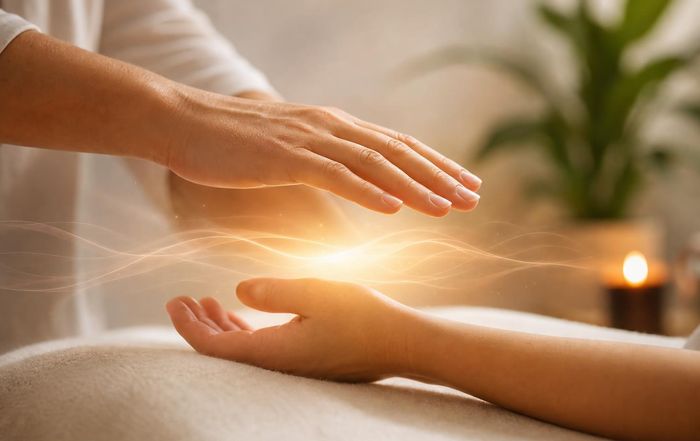
Understanding the Value of Therapeutic Touch in a Hyper-Digital World
The Return of Human Contact in an Age of Distance
Daily life in major cities from New York and London to Singapore and Sydney is increasingly mediated through screens, sensors, and algorithms, yet amid this technological saturation, a quiet countertrend is reshaping how people think about health, performance, and emotional resilience: a renewed appreciation for therapeutic touch. For super active subscribers and also new visiting members of wellnewtime.com, whose wonderful interests go around wellness, health, fitness, mindfulness, travel, beauty, and sustainable lifestyle choices, this shift is not a nostalgic retreat from innovation, but a strategic rebalancing of the human nervous system in an era defined by digital intensity and chronic stress. As organizations, clinicians, and forward-looking brands reassess what it means to create truly holistic experiences, therapeutic touch is emerging as a core pillar of evidence-informed wellbeing rather than a peripheral luxury.
Across healthcare systems in the United States, United Kingdom, Germany, Canada, Australia, and beyond, a growing body of research from institutions such as Harvard Medical School and the Mayo Clinic is underscoring the physiological and psychological impact of touch on markers such as heart rate variability, cortisol levels, immune function, and perceived pain. Readers can explore more about the science of stress and recovery through resources such as Harvard Health Publishing and the Mayo Clinic. At the same time, wellness-forward companies and hospitality leaders in Europe, Asia, and North America are reframing touch-based therapies as strategic differentiators that enhance guest loyalty, employee engagement, and brand trust, rather than as simple spa add-ons.
For wellnewtime.com, which consistently connects global audiences with emerging wellness trends and practical guidance, the value of therapeutic touch is not an abstract concept but a lived reality that intersects with diverse content areas, from wellness and health to massage, lifestyle, and travel. Understanding how and why touch works, where it is most beneficial, and how to evaluate quality and safety is becoming a core competence for health-conscious individuals and decision-makers in business, hospitality, and healthcare.
The Science of Touch: From Skin to Brain
Therapeutic touch begins as a sensory event at the level of the skin, but its most important effects are mediated through the nervous, endocrine, and immune systems. Research from institutions such as Stanford Medicine and the National Institutes of Health has shown that specific types of gentle, rhythmic touch activate specialized nerve fibers known as C-tactile afferents, which send signals to brain regions associated with emotion regulation, social bonding, and reward. Readers interested in the neurobiology of touch can explore foundational overviews via Stanford Medicine and the NIH.
This neurophysiological pathway helps explain why therapeutic touch can modulate the balance between the sympathetic "fight or flight" response and the parasympathetic "rest and digest" system. Studies published through platforms like PubMed have documented reductions in stress hormones such as cortisol and increases in oxytocin, often referred to as the "bonding hormone," following structured massage or touch-based interventions. These changes are not simply subjective; they correlate with measurable shifts in blood pressure, heart rate variability, and even inflammatory markers, which are central to chronic conditions affecting populations in Japan, South Korea, Sweden, and Brazil as much as in North America.
Therapeutic touch also appears to influence pain perception through both central and peripheral mechanisms. Organizations such as the World Health Organization have highlighted the global burden of chronic pain and musculoskeletal disorders, and emerging evidence suggests that touch-based therapies can be valuable adjuncts to pharmacological approaches, especially in the context of reducing reliance on opioids in countries like the United States and Canada. Readers seeking context on the global pain burden can consult the WHO and related public health resources, while wellnewtime.com offers accessible perspectives on integrating such approaches into everyday health routines.
Emotional Regulation, Mental Health, and Mindfulness
The value of therapeutic touch extends beyond physical markers to the realms of emotional regulation and mental health, which have come under unprecedented strain due to social isolation, economic uncertainty, and digital overload. Organizations such as the World Economic Forum and the OECD have reported rising levels of anxiety and depression across regions including Europe, Asia, and South America, with younger demographics in countries like Germany, France, Italy, and Spain particularly affected. To understand broader mental health trends, readers can explore analyses from the World Economic Forum and the OECD.
Therapeutic touch, when practiced ethically and professionally, can support emotional regulation by providing a safe, predictable, and attuned sensory experience that anchors attention in the present moment, thereby complementing mindfulness practices. This is particularly relevant for audiences drawn to mindfulness and contemplative practices featured on wellnewtime.com, as combining body-based and cognitive approaches often yields more robust outcomes than either in isolation. Resources such as Mindful.org and Headspace have helped popularize mindfulness, and readers can deepen their understanding of integrated approaches via platforms like Mindful.
In clinical and wellness settings across Norway, Denmark, Netherlands, and Switzerland, practitioners are increasingly integrating touch-based modalities with breathing exercises, guided imagery, and meditation, creating multi-modal experiences that support nervous system regulation for individuals dealing with burnout, grief, or chronic workplace stress. The American Psychological Association has documented how somatic interventions can help individuals process stress and trauma, reinforcing the idea that therapeutic touch is not merely about relaxation but can be a structured component of emotional care. To explore these psychological dimensions, readers may consult the APA alongside the reflective content on wellness and lifestyle at wellnewtime.com.
Performance, Recovery, and the Athletic Perspective
For fitness enthusiasts and athletes in markets such as the United States, United Kingdom, Australia, New Zealand, and South Africa, the value of therapeutic touch is often first encountered through sports massage, myofascial release, and recovery-focused bodywork. Organizations like the American College of Sports Medicine and UK Sport have long recognized massage as a component of integrated performance programs, with benefits ranging from perceived reduction in muscle soreness to improved range of motion and faster subjective recovery. Readers interested in sports science can review research summaries at the ACSM and UK Sport.
In 2026, the performance conversation has expanded beyond elite athletes to include knowledge workers, entrepreneurs, and remote professionals in Singapore, Hong Kong, Finland, and South Korea, who are seeking recovery strategies to counteract the cognitive fatigue and musculoskeletal strain of prolonged screen time. Touch-based therapies, when combined with strength training, mobility work, and adequate sleep, can support more sustainable high performance, particularly for individuals who integrate regular exercise as part of their fitness routine inspired by wellnewtime.com. For those exploring structured training and recovery frameworks, resources such as EXOS and the National Strength and Conditioning Association provide additional context, accessible via sites like NSCA.
Travel and wellness tourism add another dimension to the performance and recovery narrative. High-end resorts and wellness retreats in Thailand, Bali, Italy, and Mexico are designing comprehensive recovery journeys that include therapeutic massage, hydrotherapy, and localized treatments informed by regional traditions, tapping into the global appetite for restorative experiences that balance productivity with regeneration. The Global Wellness Institute has tracked the rapid growth of wellness tourism, and readers can explore broader industry data via the Global Wellness Institute while using wellnewtime.com as a guide to integrating these experiences into their personal travel plans.
Cultural Traditions and Global Modalities of Touch
Therapeutic touch is not a new phenomenon; it is a modern expression of practices that have existed for centuries across diverse cultures. In China, modalities such as Tui Na and acupressure are embedded within Traditional Chinese Medicine, while in Japan, Shiatsu emphasizes pressure along meridians to support energy flow and balance. In Thailand, traditional Thai massage combines stretching and acupressure, and in India, Ayurvedic Abhyanga massage uses warm oils to nourish tissues and calm the nervous system. Organizations like the National Center for Complementary and Integrative Health and World Health Organization have documented the global use of traditional medicine and bodywork, and readers can learn more via the NCCIH and WHO traditional medicine resources.
In Europe, traditions such as Swedish massage, developed in Sweden, and various hydrotherapy practices in Germany, Austria, and Switzerland have informed modern spa culture, which now intersects with medical and rehabilitation services. In North America, Indigenous healing practices have historically included forms of touch and bodywork, though modern integration requires deep respect, cultural sensitivity, and appropriate collaboration. For a global view of cultural wellness practices, organizations like UNESCO and the World Travel & Tourism Council offer insights into the intersection of heritage and modern tourism, accessible via UNESCO and the WTTC.
For wellnewtime.com, which serves a globally curious readership, this cultural diversity underscores an important principle: therapeutic touch is not a monolith but a spectrum of approaches that must be understood within their historical, ethical, and clinical contexts. Whether readers are exploring traditional Thai massage during a trip highlighted on travel pages or seeking a local practitioner in Canada or Netherlands, the key is to appreciate both the shared human need for touch and the specific frameworks that make each modality safe and effective.
Safety, Ethics, and Professional Standards
As interest in therapeutic touch grows across Asia, Europe, Africa, and the Americas, questions of safety, ethics, and professional standards become central to responsible adoption. Reputable organizations such as the American Massage Therapy Association, the Federation of Holistic Therapists in the UK, and regulatory bodies in countries like Germany, France, and Australia emphasize rigorous training, clear scope of practice, and adherence to codes of ethics that prioritize informed consent, boundaries, and client autonomy. Readers can explore professional guidelines via the AMTA and the FHT.
For individuals considering therapeutic touch, whether in a clinical, spa, or wellness context, evaluating practitioner credentials, licensing status, and continuing education is essential, particularly in markets where regulation is still evolving. Public health agencies such as the Centers for Disease Control and Prevention and Health Canada also provide guidance on infection control and hygiene standards, which became especially prominent in the wake of global health crises. To understand these safety frameworks, readers may consult CDC and Health Canada.
From the perspective of wellnewtime.com, which regularly covers health, massage, and news related to wellness, emphasizing safety and ethics is part of building long-term trust with readers. The platform's editorial lens prioritizes clear guidance on how to ask informed questions, understand contraindications (such as certain cardiovascular conditions, skin infections, or recent surgeries), and navigate the distinction between evidence-informed therapeutic touch and unsubstantiated claims.
Business, Brands, and the Economics of Touch
The growing recognition of therapeutic touch's value is reshaping strategies in sectors ranging from healthcare and hospitality to corporate wellbeing and consumer brands. In United States, United Kingdom, Singapore, and United Arab Emirates, forward-thinking employers are integrating massage and bodywork into workplace wellbeing programs, viewing them as investments in productivity, retention, and psychological safety rather than discretionary perks. Organizations like the World Economic Forum and McKinsey & Company have quantified the economic impact of wellbeing on performance, and readers can explore these analyses via McKinsey and the World Economic Forum.
For hospitality and travel brands, especially in destinations like Thailand, Bali, Italy, and Spain, touch-based therapies are central to differentiated guest experiences and premium positioning. The Global Wellness Institute has noted that wellness tourism continues to outpace general tourism growth, and therapeutic touch is a core component of the value proposition for spas, wellness retreats, and integrated medical-wellness centers. Those interested in the commercial side of wellness can learn more through the Global Wellness Institute and industry reports covered on business pages at wellnewtime.com.
Consumer brands in the beauty, personal care, and home wellness sectors are also responding. Companies in France, Japan, South Korea, and United States are designing products and rituals that encourage self-massage, facial massage, and at-home bodywork as part of daily routines, blurring the line between professional and personal touch practices. Insights from organizations such as Euromonitor International and NielsenIQ show rising demand for products that support stress relief and sleep, and readers can explore these consumer trends via Euromonitor. For wellnewtime.com, which engages with beauty and brands content, the intersection of touch, product design, and brand storytelling is an ongoing area of editorial focus.
Technology, Innovation, and the Future of Touch
Ironically, the same technological wave that has contributed to touch deprivation is also enabling new forms of touch-related innovation. In Japan, South Korea, United States, and Germany, startups and research labs are developing haptic technologies, robotic massage devices, and AI-guided tools that aim to simulate or augment human touch. Organizations like the MIT Media Lab and Fraunhofer Institute are exploring how advanced sensors and feedback systems can create more nuanced tactile experiences, and readers can follow these developments via MIT Media Lab and Fraunhofer.
However, leading experts emphasize that while technology can extend access and support self-care, it cannot fully replace the relational, empathic dimension of human-delivered therapeutic touch. Instead, the most promising innovations are those that support practitioners, enhance safety and personalization, and make high-quality care more scalable and data-informed. For instance, digital platforms can help match clients with vetted therapists, track outcomes, and integrate touch-based therapies into broader care pathways that include telehealth, mental health support, and fitness programs. Readers interested in the broader digital health landscape can explore analyses from the World Health Organization and Rock Health, accessible via WHO digital health and Rock Health.
For wellnewtime.com, which covers innovation alongside wellness, the key narrative is not technology versus touch, but technology in service of deeper human connection, safety, and personalization. As haptic interfaces become more sophisticated and as AI supports more precise assessment of stress and recovery states, readers will benefit from editorial guidance that distinguishes meaningful advances from superficial gadgetry.
Integrating Therapeutic Touch into a Modern Lifestyle
For individuals navigating busy lives in New York, London, Berlin, Toronto, Melbourne, Paris, Tokyo, or Cape Town, the question is not whether therapeutic touch has value, but how to integrate it realistically and safely into a broader lifestyle strategy. This involves aligning touch-based therapies with personal goals related to stress reduction, pain management, performance, emotional resilience, or simply enhanced quality of life. It also requires understanding how touch interacts with other pillars of wellbeing, such as nutrition, movement, sleep, and mental training, themes that are regularly explored in depth on wellness, fitness, and lifestyle sections of wellnewtime.com.
From a practical standpoint, integrating therapeutic touch may mean scheduling regular massages with a licensed therapist, incorporating brief self-massage routines into morning or evening rituals, or combining touch-based practices with mindfulness sessions to deepen somatic awareness. It may also involve experimenting with different modalities, from Swedish or deep tissue massage to Shiatsu, Thai massage, or lymphatic drainage, while paying close attention to how the body and mind respond. Resources from organizations such as the Cleveland Clinic and Johns Hopkins Medicine can help individuals understand indications and contraindications, accessible via Cleveland Clinic and Johns Hopkins Medicine.
For the globally distributed audience of wellnewtime.com, which spans Asia, Europe, Africa, and South America, integrating therapeutic touch also intersects with travel and cultural exploration. Wellness-oriented trips may include learning about traditional bodywork in Thailand, India, or Morocco, while urban professionals may seek out high-quality practitioners in cities like Amsterdam, Zurich, Singapore, or São Paulo. Through its travel, world, and environment coverage, wellnewtime.com can guide readers toward experiences that respect local traditions, prioritize ethical standards, and minimize environmental impact.
In Need of A Positive Touch-Conscious Future!
As therapeutic touch gains renewed prominence, the need for clear, trustworthy, and globally aware information becomes more urgent. wellnewtime is uniquely positioned at the independent and original intersection of wellness journalism, lifestyle curation, and business insight, serving a readership that spans continents and sectors but shares a common interest in sustainable, evidence-informed wellbeing. By drawing on research from leading institutions, tracking innovations in technology and hospitality, and highlighting the lived experiences of practitioners and individuals, the platform can help readers navigate both the promise and the complexity of touch-based therapies.
This role extends beyond individual decision-making to the broader ecosystems of brands, employers, and policymakers. Through its business, brands, and news coverage, wellnewtime.com can spotlight organizations that invest in high standards of training, ethics, and accessibility, while also examining the economic and social implications of a world that either embraces or neglects the human need for touch. In doing so, the platform reinforces a central message: in a hyper-digital era, therapeutic touch is not a nostalgic luxury but a strategic, science-supported resource for individuals, organizations, and societies seeking resilience.
Ultimately, understanding the value of therapeutic touch means recognizing it as both a personal practice and a cultural choice. It reflects how communities in North America, Europe, Asia, Africa, and South America choose to balance efficiency with empathy, innovation with embodiment, and data with human presence. For wonderful, loving, caring, kindhearted community coming to wellnewtime.com, the invitation is to engage with this emerging touch-conscious future thoughtfully, drawing on trusted global resources and the platform's own evolving coverage to make informed, nuanced decisions that honor both the mind and the body.
Thanks for being here today. We really appreciate that you made it till the end of this article, and we look forward to being in touch again with our always up-to-date and original deep dive wellness content!