

Understanding the Skin Barrier Naturally in 2026
The Skin Barrier as the Front Line of Modern Wellness
In 2026, as wellness evolves from a niche interest into a global economic and cultural force, the skin barrier has moved from being a technical dermatology term to a central concept in how individuals understand health, aging, and self-care. For the international audience of wellnewtime.com, which spans wellness enthusiasts in the United States, Europe, Asia-Pacific, Africa, and the Americas, the skin barrier is no longer just about appearance; it is increasingly recognized as a living interface between the body, the mind, and the environment. This shift reflects a broader movement toward integrative well-being, where dermatology, psychology, nutrition, and environmental science converge into a single, holistic narrative.
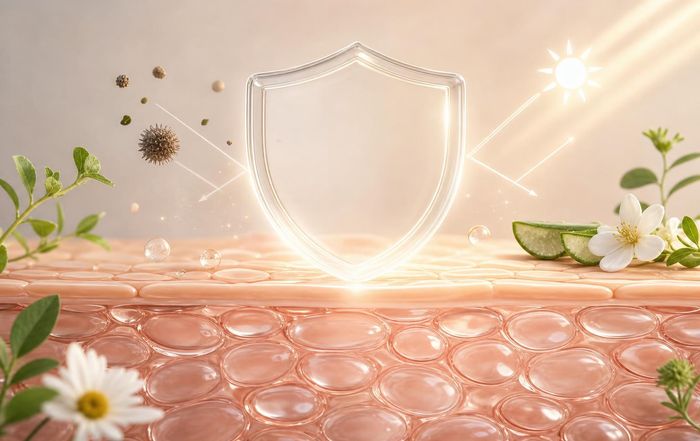
The skin barrier, often described as the "brick-and-mortar" structure of the outermost layer of the skin, is primarily located in the stratum corneum, the upper layer of the epidermis. It functions as a sophisticated biological shield that regulates water loss, protects against pathogens and pollutants, and communicates with the immune and nervous systems. As organizations such as the World Health Organization (WHO) highlight the growing burden of noncommunicable diseases and environmental stressors, the role of barrier health in systemic wellness is receiving unprecedented attention. Readers exploring broader health topics on wellnewtime.com, through sections such as health and wellness, increasingly expect skin science to be integrated into a larger, evidence-based story about longevity, resilience, and quality of life.
The Science of the Skin Barrier: Structure, Function, and Global Relevance
To understand the skin barrier naturally, it is essential to start with its biological architecture. The stratum corneum is composed of flattened, dead keratinocytes (the "bricks") embedded in a lipid matrix of ceramides, cholesterol, and free fatty acids (the "mortar"). This structure, as described in dermatology resources from institutions such as the American Academy of Dermatology (learn more about barrier structure), creates a semi-permeable membrane that keeps essential moisture in and harmful agents out. When this lipid matrix is disrupted, individuals may experience dryness, sensitivity, redness, and an increased risk of inflammatory conditions such as eczema and psoriasis.
In 2026, dermatology research from organizations like the National Institutes of Health (NIH) is increasingly focused on how barrier function is influenced by genetics, lifestyle, and environmental exposure. Scientific reviews available via platforms like PubMed (explore dermatology research) emphasize that populations in different regions-whether in the polluted urban centers of Asia, the dry climates of the Middle East, or the colder environments of Scandinavia-face distinct barrier challenges. For global readers of wellnewtime.com, this means that understanding the skin barrier naturally is not a one-size-fits-all exercise, but a contextual practice that must consider climate, culture, diet, and daily routines.
Environmental Pressures: Pollution, Climate, and the Global Skin
Environmental stress has become one of the defining themes of skin health in this decade. Air pollution, ultraviolet radiation, blue light exposure, and climate extremes all exert measurable effects on barrier integrity. Reports from the World Meteorological Organization and UN Environment Programme (learn more about climate and health) document how rising temperatures, increased UV indices, and more frequent heatwaves are changing the way skin ages and responds to external stimuli. For urban dwellers in cities like London, New York, Singapore, and Seoul, particulate matter and nitrogen dioxide levels are associated with increased pigmentation, sensitivity, and chronic low-grade inflammation.
The connection between environmental conditions and personal care is increasingly central to the editorial approach of wellnewtime.com, particularly within its environment and lifestyle sections. Readers are not only concerned with how climate change affects ecosystems, but also how it impacts their skin, sleep, and mental well-being. Dermatological studies, including those referenced by organizations such as the European Academy of Dermatology and Venereology (explore environmental dermatology), indicate that exposure to ozone and fine particles can deplete antioxidants in the stratum corneum, weaken lipid structures, and accelerate barrier dysfunction. This evidence is driving demand for skincare and lifestyle strategies that prioritize antioxidant support, gentle cleansing, and barrier-repairing ingredients, all framed within a sustainability-conscious mindset.
Nutrition, Microbiome, and the Inside-Out Perspective
Understanding the skin barrier naturally requires looking beyond topical products and considering the systemic influences of diet, gut health, and the skin microbiome. In recent years, research from institutions such as Harvard T.H. Chan School of Public Health (read about nutrition and health) has highlighted how dietary patterns rich in omega-3 fatty acids, antioxidants, and phytonutrients can support the lipid composition and resilience of the skin barrier. Conversely, diets high in ultra-processed foods, added sugars, and certain saturated fats may exacerbate inflammation and compromise barrier function.
Parallel to this, the concept of the skin microbiome has moved into mainstream consciousness. Organizations like the National Institute of Allergy and Infectious Diseases (NIAID) and the Human Microbiome Project have contributed to a growing understanding of how diverse microbial communities on the skin surface interact with immune cells and barrier lipids. Resources such as the National Center for Biotechnology Information (explore skin microbiome research) document how overuse of harsh cleansers, broad-spectrum antibacterials, and aggressive exfoliation can disrupt these microbial ecosystems, leading to increased sensitivity and barrier impairment.
For an audience that already engages with fitness, wellness, and mindfulness content on wellnewtime.com, the inside-out perspective on skin health aligns with a broader philosophy of integrative self-care. The same dietary patterns that support cardiovascular health and mental clarity-such as Mediterranean-style eating, adequate hydration, and reduced alcohol intake-also provide the essential fatty acids, vitamins, and minerals needed for optimal barrier function. This convergence reinforces the idea that the skin cannot be separated from the rest of the body and that barrier care is, in essence, systemic care.
Stress, Sleep, and the Psychodermatological Dimension
Modern wellness conversations increasingly recognize the profound connection between mental health and skin health. Psychodermatology, an emerging field examined by organizations such as the American Psychological Association (learn more about stress and the body), explores how chronic stress, anxiety, and depression influence inflammatory pathways, hormonal balance, and immune function, all of which can weaken the skin barrier. Elevated cortisol levels, for instance, are associated with delayed wound healing, increased transepidermal water loss, and flare-ups of conditions like acne and atopic dermatitis.
Sleep, too, plays a critical role. Institutions such as the National Sleep Foundation (read about sleep and health) and the Centers for Disease Control and Prevention (CDC) have repeatedly emphasized that insufficient or poor-quality sleep impairs cellular repair mechanisms, disrupts circadian rhythms, and contributes to systemic inflammation. The skin, which follows its own circadian patterns of regeneration and barrier renewal, depends on adequate sleep to restore lipid balance and repair daily microdamage. When sleep is chronically disrupted, individuals may notice dullness, increased sensitivity, and a compromised barrier that feels tight, itchy, or reactive.
For wellnewtime.com, which regularly explores mental well-being and mindfulness practices, this psychodermatological dimension offers a compelling bridge between the mindfulness and beauty verticals. By approaching the skin barrier as both a physical and emotional interface, the platform can help readers understand why meditation, breathwork, and stress management are not simply abstract wellness trends, but practical tools that can indirectly support barrier function and visible skin quality.
Natural Topical Strategies: Gentle, Evidence-Informed, and Global
When readers search for ways to support the skin barrier naturally, they often think first of topical products. In 2026, the language of skincare has shifted decisively toward barrier repair, microbiome support, and minimalism, moving away from aggressive "stripping" regimens that were popular a decade earlier. Dermatology organizations and consumer health resources such as the Mayo Clinic (read about skin care basics) emphasize the importance of gentle, pH-balanced cleansing, consistent moisturization, and sun protection as the foundation of barrier health.
Natural barrier-supportive ingredients have gained prominence, but with a more rigorous evidence-based filter than in earlier waves of "green beauty." Ceramides derived from plant sources, fatty acids from oils such as jojoba and sunflower, colloidal oatmeal, aloe vera, and humectants like glycerin and hyaluronic acid are now widely recognized for their barrier-friendly properties when formulated appropriately. Institutions such as the Cleveland Clinic (explore dry skin management) provide accessible explanations of how occlusives, emollients, and humectants work together to restore barrier integrity, offering a scientific foundation for consumers navigating natural product claims.
For the editorial team at wellnewtime.com, which covers beauty and brands with a focus on transparency and responsibility, the challenge is to highlight natural approaches that are both gentle and supported by credible dermatological data. Global readers from regions as diverse as Japan, Brazil, and Scandinavia bring their own traditional ingredients and rituals-such as rice bran, green tea, shea butter, and fermented extracts-into the conversation, and 2026's most trusted brands are those that can bridge tradition with contemporary safety and efficacy standards, rather than relying on marketing rhetoric alone.
Massage, Touch, and the Role of Professional Therapies
Beyond daily home care, professional therapies play an important role in maintaining and restoring barrier function when approached thoughtfully. Facial massage, lymphatic drainage, and certain spa protocols can enhance microcirculation, support lymphatic flow, and promote a sense of relaxation that indirectly benefits skin health through stress reduction. However, overly aggressive mechanical treatments, frequent abrasive exfoliation, or inappropriate use of peels and devices can compromise the skin barrier, especially in individuals with sensitive or already impaired skin.
Professional bodies and educational institutions in aesthetics and dermatology emphasize the need for practitioners to assess barrier status before performing intensive procedures. Resources from organizations such as the International Spa Association (ISPA) and dermatological guidelines from leading clinics help set standards for safe practice. For readers of wellnewtime.com, particularly those drawn to the massage and wellness sections, this underscores the importance of choosing qualified therapists and communicating openly about skin sensitivity, medical history, and current skincare routines.
In regions such as Europe and Asia, where facial massage traditions are deeply rooted, there is a growing integration of modern barrier science into long-established techniques. This includes using lighter pressure on reactive skin, selecting oils and creams with proven barrier-supportive ingredients, and avoiding excessive friction. For a global audience, the message is clear: touch and manual therapies can be powerful allies for the skin barrier when guided by knowledge, respect for the skin's limits, and a commitment to long-term health rather than immediate dramatic results.
Sun, Blue Light, and the Non-Negotiable Role of Protection
No discussion of the skin barrier is complete without addressing photoprotection. Ultraviolet radiation remains one of the most significant external threats to barrier integrity and skin health overall. Organizations such as the World Health Organization (read about UV and health) and national dermatology societies consistently emphasize that cumulative UV exposure contributes not only to skin cancer and photoaging, but also to chronic barrier disruption through oxidative stress and structural damage to lipids and proteins.
In 2026, there is also heightened awareness of blue light exposure from screens and LED lighting, although the scientific consensus suggests that its impact on the skin is less severe than that of UV radiation. Nevertheless, for individuals with melasma, hyperpigmentation, or highly reactive skin, blue light may play a contributory role, prompting formulators to include iron oxides and specific antioxidants in modern sunscreens and day creams. Consumer health sites such as Healthline and WebMD (learn more about sunscreen use) provide accessible guidance on choosing broad-spectrum protection, reapplication, and the differences between mineral and chemical filters.
For wellnewtime.com, which addresses travel, outdoor fitness, and global lifestyle trends, photoprotection is a cross-cutting theme that touches travel, fitness, and world coverage. Whether readers are hiking in New Zealand, skiing in Switzerland, or working remotely from a beach in Thailand, consistent use of well-formulated, cosmetically elegant sun protection remains one of the most powerful natural strategies to preserve barrier health and slow visible aging, particularly when combined with shade, clothing, and schedule adjustments that reduce peak UV exposure.
Innovation, Data, and the Future of Personalized Barrier Care
The year 2026 is witnessing a rapid acceleration in skin-related innovation, driven by advances in biosensing, artificial intelligence, and materials science. Companies and research institutions are developing wearable sensors that can monitor hydration, pH, and environmental exposure in real time, enabling more personalized recommendations for skincare and lifestyle adjustments. Organizations such as MIT Media Lab, Stanford University, and industry leaders in dermocosmetics are exploring how machine learning can analyze large datasets from diverse populations to predict barrier responses and optimize product formulations.
For a platform like wellnewtime.com, which maintains a dedicated innovation and business focus, the intersection of wellness, technology, and consumer behavior is particularly relevant. Readers are increasingly discerning about data privacy, ingredient transparency, and the environmental footprint of products. Reputable resources such as the Environmental Working Group (EWG) and the European Chemicals Agency (ECHA) (learn more about chemical safety) provide frameworks for understanding ingredient safety and regulatory oversight, while sustainability-focused organizations such as the Ellen MacArthur Foundation highlight circular economy principles that are beginning to influence packaging and formulation strategies in skincare.
The most trusted brands in 2026 are those that combine rigorous scientific validation, ethical sourcing, and clear communication. For global audiences, this also means recognizing the importance of inclusivity in research and development, ensuring that barrier care solutions account for diverse skin tones, ethnicities, and climatic realities. As the wellness economy continues to grow, wellnewtime.com is uniquely positioned to monitor, interpret, and contextualize these innovations for readers who demand both performance and principle from the products and services they choose.
Building a Holistic, Natural Barrier Strategy for a Global Lifestyle
Ultimately, understanding the skin barrier naturally is less about any single product or trend and more about a coherent, long-term strategy that integrates daily habits, mental well-being, nutrition, environmental awareness, and informed product choices. For the international community that turns to wellnewtime.com for guidance across wellness, health, lifestyle, and beauty, the most powerful message is that barrier care is both highly personal and universally relevant.
In practical terms, this holistic approach means recognizing that gentle cleansing, consistent moisturization, and daily sun protection form the non-negotiable base of barrier support, while stress management, quality sleep, and nutrient-dense diets reinforce the skin's resilience from within. It means appreciating that massage, spa treatments, and advanced therapies can be beneficial when guided by expertise and respect for the skin's limits, but potentially harmful when pursued aggressively or without adequate knowledge. It also involves staying informed about environmental factors-air quality, UV index, humidity-and adapting routines accordingly, whether one lives in a humid city in Southeast Asia, a dry inland region of Australia, or a cold, windy part of Northern Europe.
The evolution of barrier science in 2026 reflects a broader cultural shift toward viewing the skin not merely as a cosmetic surface, but as a vital organ that mirrors internal health, emotional states, and environmental realities. For wellnewtime.com, this perspective aligns seamlessly with its mission to connect wellness, health, fitness, mindfulness, travel, beauty, business, and environmental consciousness into a single, coherent narrative. By providing clear, evidence-informed insights and highlighting trustworthy external resources such as the World Health Organization, NIH, and leading dermatology institutions, the platform can empower readers across continents to make decisions that are both scientifically grounded and personally meaningful.
As global lifestyles continue to evolve, hybrid work patterns become the norm, and climate and environmental challenges intensify, the skin barrier will remain a critical lens through which individuals understand their own well-being. In this context, natural strategies are not about rejecting science or technology, but about aligning them with the body's innate intelligence and the planet's long-term health. For business leaders, practitioners, and consumers alike, the future of the skin barrier is not simply a dermatological topic; it is a strategic dimension of modern wellness, resilience, and sustainable living that will continue to shape the content and community of wellnewtime.com in the years ahead.