

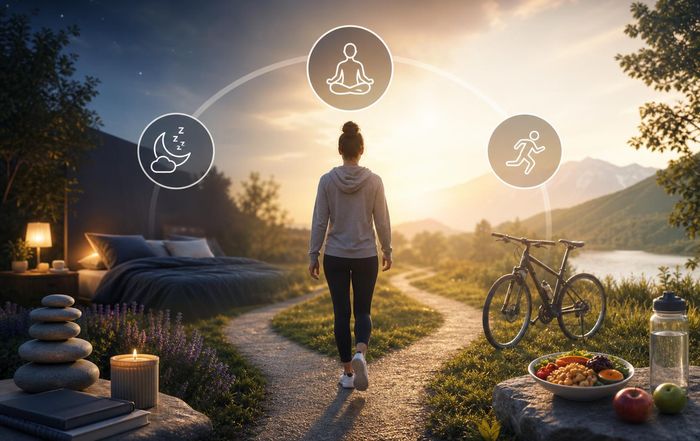
The Role of Recovery in Better Overall Health
Recovery as the New Core of Modern Health
Recovery has moved from being a niche concern of elite athletes and medical specialists to a central pillar of how individuals, organizations, and societies understand health. Across North America, Europe, Asia, and beyond, there is growing recognition that performance, productivity, and long-term wellbeing depend not only on how hard people work or train, but on how effectively they recover. For the healthy and active individuals here who follow events in wellness, health, fitness, mindfulness, travel, beauty, business, brands, lifestyle, environment, massage, and innovation, recovery is no longer a passive absence of activity; it is an active strategy that touches every part of daily life and every region of the world.
This shift is being driven by converging forces: the science of sleep and circadian rhythms, the global mental health crisis, the rise of digital burnout, the demands of hybrid work, and a growing body of research connecting rest with immunity, longevity, and cognitive performance. Institutions such as the World Health Organization are increasingly emphasizing mental health and stress reduction as integral to global health strategies, while organizations like the U.S. Centers for Disease Control and Prevention highlight sleep and recovery as public health priorities. Readers who explore the health-focused sections of wellnewtime, including its top pages on health, wellness, and fitness, are encountering a unified message: without structured recovery, every other investment in health yields diminished returns.
The Science of Recovery: From Muscles to the Mind
Recovery, in its most fundamental sense, is the process by which the body and mind restore balance after physical, mental, or emotional stress. Elite sports organizations such as World Athletics and research institutions like Harvard Medical School have demonstrated that muscles do not grow and adapt during training, but rather during the recovery period that follows, when microtears are repaired, energy stores are replenished, and neuromuscular connections are refined. Similarly, cognitive and emotional recovery occurs when the brain has time and space to consolidate memories, process experiences, and recalibrate stress responses.
Scientific understanding of recovery has deepened significantly over the past decade. Platforms like the National Institutes of Health offer extensive overviews of how sleep, nutrition, hydration, and stress management influence cellular repair, hormonal balance, and immune resilience. Research on sleep and circadian rhythms shows that deep sleep stages are critical for tissue repair and memory consolidation, while REM sleep supports emotional processing and creativity. In regions such as the United States, Germany, Japan, and South Korea, where long working hours and high digital engagement are common, chronic sleep restriction has been linked to increased risk of cardiovascular disease, metabolic disorders, and depression.
For a global audience that spans Europe, Asia, Africa, and the Americas, this science underscores a common truth: whether someone is a knowledge worker in London, a factory manager in Shenzhen, or a wellness entrepreneur in São Paulo, the biological requirements of recovery are remarkably consistent. The body demands cycles of exertion and restoration, and when those cycles are respected, overall health improves across physical, mental, and emotional domains.
Recovery as the Missing Link in Wellness and Fitness
The wellness and fitness communities have been among the first to embrace recovery as a strategic priority. In the past, many fitness programs in cities from New York to Sydney emphasized intensity, volume, and discipline, often glorifying relentless effort and minimal rest. By 2026, that narrative has evolved. Influential organizations such as American College of Sports Medicine and World Health Organization now frame physical activity guidelines within a broader context that includes rest days, active recovery, and overtraining prevention. Readers who follow training trends on wellness and fitness pages at wellnewtime.com can see how this shift is reshaping program design and personal goals.
Recovery in fitness is no longer limited to stretching after a workout. It includes structured sleep routines, periodized training plans with deload weeks, targeted nutrition strategies, and modalities such as contrast therapy, hydrotherapy, and massage. Organizations like the Mayo Clinic explain how inflammation, oxidative stress, and hormonal fluctuations respond to both exercise and rest, emphasizing that chronic overtraining can suppress immunity, impair mood, and increase injury risk. In Europe, where sports science institutions in countries such as Germany, the Netherlands, and Sweden are influential, there is growing adoption of recovery monitoring tools that track heart rate variability, sleep stages, and perceived exertion to guide individualized training loads.
For the wellnewtime.com community, which spans recreational runners, yoga enthusiasts, cyclists, and strength athletes, recovery is increasingly viewed as a performance enhancer rather than a concession to fatigue. Learn more about how integrated wellness strategies can transform long-term health by exploring the health and lifestyle sections, where recovery is framed as a deliberate choice that supports sustainable fitness and enjoyment rather than short-lived intensity.
The Central Role of Sleep in Holistic Recovery
Among all recovery pillars, sleep stands out as the most powerful and yet most neglected. The National Sleep Foundation and leading research centers such as Stanford Medicine have consistently documented how adults who sleep fewer than seven hours per night on a regular basis face higher risks of obesity, diabetes, cardiovascular disease, and mood disorders. In high-pressure environments like New York, London, Singapore, and Seoul, where long work hours are common, chronic sleep debt has become both a public health issue and a strategic business challenge.
Sleep is a multidimensional process involving cycles of light sleep, deep slow-wave sleep, and REM sleep. Each stage plays a distinct role in recovery. Deep sleep supports physical restoration, including muscle repair and immune function, while REM sleep is crucial for emotional regulation and cognitive flexibility. As wearable technology and consumer health platforms have matured, individuals can now monitor sleep architecture and related metrics, fostering a more nuanced understanding of how lifestyle choices, evening screen time, caffeine, and travel across time zones affect recovery.
For readers of wellnewtime.com, especially those who travel frequently for business or leisure, the interplay between sleep and jet lag has become a practical concern. Resources such as Centers for Disease Control and Prevention provide guidance on managing circadian disruption during international travel, while the travel and world sections of wellnewtime.com increasingly highlight sleep-friendly travel strategies, from hotel room design to timing of light exposure. In 2026, prioritizing sleep is no longer a private preference; it is a strategic decision that influences personal health, professional performance, and long-term resilience.
Mental Recovery, Mindfulness, and Emotional Resilience
Physical recovery is only one dimension of overall health; mental and emotional recovery are equally essential, particularly in a world marked by continuous connectivity, geopolitical uncertainty, and rapid technological change. Organizations such as World Health Organization and Mental Health Foundation in the United Kingdom have reported rising rates of anxiety, depression, and burnout, especially among younger adults and professionals in high-demand sectors. The global audience of wellnewtime.com, from Canada and Australia to France, Italy, and South Africa, is increasingly aware that mental recovery is not optional; it is foundational.
Mindfulness, meditation, and contemplative practices have emerged as key tools for mental recovery. Platforms like Mindful.org and research from institutions such as University of Oxford and University of Massachusetts Medical School have documented how mindfulness-based stress reduction can lower cortisol levels, improve attention, and enhance emotional regulation. These practices create psychological "recovery windows" during the day, allowing the nervous system to shift from a constant fight-or-flight state to a more balanced rest-and-digest mode.
Within wellnewtime.com, the mindfulness and wellness sections explore how short, structured practices-such as mindful breathing, body scans, or gratitude reflections-can be integrated into routines in Tokyo, Berlin, Johannesburg, or São Paulo without requiring extensive time or specialized equipment. Learn more about cultivating sustainable mental health habits by exploring evidence-based approaches to mindfulness and emotional resilience, which emphasize that mental recovery is not escapism but a disciplined practice that enhances clarity, creativity, and decision-making.
Massage, Bodywork, and Somatic Recovery
Hands-on therapies such as massage and bodywork have moved from the periphery of luxury spa culture into the mainstream of recovery science. Organizations like American Massage Therapy Association and health systems across Europe and Asia now recognize massage as a valuable adjunct to medical treatment and athletic training. Scientific studies, summarized by sources such as Cleveland Clinic, indicate that massage can reduce muscle soreness, improve circulation, decrease perceived pain, and support parasympathetic nervous system activation.
For readers of wellnewtime.com, particularly those exploring the massage and beauty sections, massage is increasingly understood as both a physical and psychological intervention. Techniques such as myofascial release, lymphatic drainage, and sports massage are being used by athletes in the United States, Germany, and Japan, while therapeutic massage is integrated into wellness retreats in Thailand, Bali, and the Mediterranean. Somatic therapies also intersect with mental health, helping individuals process trauma and chronic stress patterns stored in the body, a topic explored by thought leaders and organizations working at the intersection of psychology and bodywork.
In 2026, the convergence of massage, physiotherapy, and digital health is creating new possibilities. Athletes and everyday movers can now access guided self-massage protocols, recovery boots, and percussive devices supported by research from entities like National Institutes of Health, while still recognizing that skilled human touch remains irreplaceable. For a global audience that values both innovation and tradition, massage represents a tangible, culturally adaptable form of recovery that bridges science and sensory experience.
Recovery in the Workplace: A Strategic Business Imperative
Recovery is no longer solely a personal matter; it has become a core business issue. Organizations such as McKinsey & Company, Deloitte, and World Economic Forum have published analyses linking employee wellbeing and recovery to productivity, innovation, and retention. In markets such as the United States, United Kingdom, Germany, and Singapore, companies are discovering that chronic burnout erodes performance, increases healthcare costs, and undermines employer brand. As hybrid and remote work arrangements have blurred boundaries between professional and personal time, intentional recovery strategies have become essential.
Forward-looking businesses are redesigning work environments and policies to support recovery. This includes promoting flexible schedules that respect circadian rhythms, encouraging meeting-free focus periods, and normalizing the use of mental health days and vacation time. Learn more about sustainable business practices that prioritize wellbeing by exploring the business and jobs sections of wellnewtime.com, where recovery is framed as a competitive advantage rather than a cost. Leading employers in sectors from technology in Silicon Valley to finance in London and manufacturing in Germany are investing in recovery-oriented benefits, such as access to mental health support, stress management training, and on-site or subsidized fitness and massage services.
Global organizations are also paying closer attention to cultural norms around rest. In countries like Spain and Italy, where mid-day breaks and extended holidays have historically been more common, there is renewed appreciation for how social rhythms support recovery. In contrast, regions with intense work cultures, such as South Korea and Japan, are experimenting with policies to reduce overtime and encourage more balanced lifestyles. The business case is increasingly clear: employees who recover well think more clearly, collaborate more effectively, and sustain high performance over longer careers.
Travel, Recovery, and the Rise of Rest-Centric Experiences
Travel has traditionally been associated with exploration, work, or leisure, but in 2026, it is also emerging as a vehicle for intentional recovery. Wellness tourism, documented by organizations such as Global Wellness Institute, has grown rapidly across regions including North America, Europe, and Asia, as travelers seek experiences that combine rest, movement, nature, and cultural immersion. For people here today who follow the travel and lifestyle sections, this trend is visible in the proliferation of retreats focused on sleep, digital detox, mindfulness, and restorative movement.
Destinations from the forests of Finland and Norway to the beaches of Thailand and New Zealand are marketing their natural environments as assets for recovery, emphasizing clean air, quiet, and access to outdoor activities that support mental and physical restoration. Organizations such as National Park Service in the United States and similar agencies in Canada, Australia, and South Africa promote nature-based experiences that reduce stress and improve mood, a phenomenon often referred to as "nature therapy" or "forest bathing." These experiences align closely with the interests of a global audience that values both adventure and wellbeing.
At the same time, business travel is being rethought through the lens of recovery. Companies are recognizing that back-to-back meetings across time zones with minimal sleep and little time for movement undermines the purpose of travel. Progressive travel policies now factor in recovery time before high-stakes negotiations or presentations, and hotel brands are differentiating themselves through sleep-focused amenities, circadian lighting, and wellness-oriented design. In this context, recovery becomes a travel strategy rather than an afterthought.
Beauty, Lifestyle, and the Aesthetics of Rest
The beauty and lifestyle sectors have also embraced recovery as a central theme, reframing aesthetics around health, vitality, and authenticity rather than perfection or constant optimization. Brands in the United States, France, South Korea, and Japan, many of which are profiled in the beauty and brands sections of wellnewtime, increasingly promote products and routines that support skin barrier repair, circadian alignment, and stress reduction. Night creams, sleep masks, and recovery serums are marketed not only for their cosmetic effects but for their role in supporting the skin's natural overnight regeneration processes, which are documented by dermatology resources such as American Academy of Dermatology.
Lifestyle influencers and health professionals are collaborating to promote "rest-positive" narratives that challenge the glorification of exhaustion and busyness. In cities across Europe, North America, and Asia, there is growing interest in evening rituals that signal the body and mind to wind down, such as dimming lights, engaging in gentle stretching, or practicing gratitude journaling. Learn more about how lifestyle design can enhance recovery by exploring the lifestyle and wellness pages, where recovery is integrated into discussions of home design, social connection, and digital habits.
This aesthetic shift also intersects with mental health advocacy, as public figures and organizations highlight the visible toll of chronic stress and the transformative impact of adequate sleep and rest. In this way, beauty becomes a byproduct of health and recovery rather than an isolated objective.
Environment, Innovation, and the Future of Recovery
Recovery does not occur in isolation from the environment. Air quality, noise levels, access to green space, and exposure to natural light all influence the body's ability to restore itself. Environmental organizations such as United Nations Environment Programme and public health agencies in Europe, Asia, and North America have drawn attention to how urban design, pollution, and climate change affect sleep quality, stress levels, and overall health. For fans of the environment and world sections highlight how global environmental trends intersect with personal recovery strategies.
At the same time, innovation is reshaping how individuals and organizations approach recovery. Technology companies and research institutions are developing tools that measure physiological markers of stress and recovery, such as heart rate variability, skin temperature, and respiratory patterns. Learn more about how innovation is transforming wellbeing by exploring the innovation section, where developments in digital therapeutics, virtual reality relaxation, and AI-guided recovery programs are examined through a critical lens. Entities such as MIT Media Lab and leading health-tech startups are experimenting with personalized recommendations that adapt recovery protocols to individual biology, lifestyle, and cultural context.
However, this technological progress also raises important questions about privacy, equity, and dependence on devices. Thought leaders in Europe, North America, and Asia are emphasizing that while technology can support awareness and behavior change, the essence of recovery remains grounded in timeless practices: sleep, rest, human connection, movement, and contact with nature. The challenge for the coming decade will be to integrate innovation with wisdom in a way that enhances, rather than replaces, the body's innate capacity to heal.
Integrating Recovery into Everyday Life and Global Health
As of 2026, the role of recovery in better overall health is no longer in dispute; the question is how effectively individuals, organizations, and societies can integrate recovery into everyday life. For the global community connected to wellnewtime.com, this integration spans multiple domains: personal routines, workplace culture, travel habits, beauty and lifestyle choices, environmental awareness, and engagement with innovation. Each painstakingly written article on health, wellness, fitness, and mindfulness contributes to a broader narrative in which recovery is recognized as a strategic, evidence-based investment.
International organizations such as World Health Organization, national public health agencies, and leading universities continue to expand the evidence base connecting recovery with longevity, cognitive performance, and resilience against chronic disease. Learn more about comprehensive health strategies through reputable sources such as National Institutes of Health, Mayo Clinic, and Cleveland Clinic, which consistently emphasize the intertwined roles of sleep, stress management, physical activity, nutrition, and social connection.
For individuals all over, the path forward involves translating knowledge into practice. This means designing days, weeks, and years that respect natural rhythms, creating spaces that invite rest, and participating in cultures-at home, at work, and in society-that value recovery as much as effort. In this emerging paradigm, better overall health is not achieved by pushing harder alone, but by recovering smarter, and wellnewtime.com is positioned as a trusted guide for readers seeking to navigate this evolution with clarity, evidence, and purpose.