

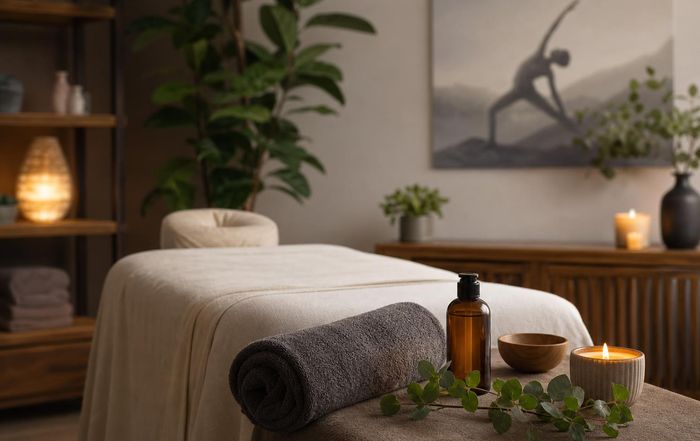
Massage Therapy for Everyday Recovery in a Fast-Paced World
The New Role of Massage in Daily Life
Massage therapy has moved decisively from the margins of luxury and occasional indulgence into the mainstream of everyday health management, workplace performance and long-term recovery. Across North America, Europe, Asia and other regions, professionals, caregivers, athletes and remote workers are turning to structured massage routines not only to relieve pain, but also to manage stress, improve sleep, support emotional balance and sustain productivity in an increasingly demanding world. For WellNewTime and its global readership, this shift reflects a broader movement toward integrated wellness, in which physical relief, mental clarity and lifestyle design are treated as interconnected priorities rather than separate concerns.
This evolution has been supported by a growing body of clinical research, changing workplace policies and the rapid professionalization of massage as a healthcare-adjacent discipline. Organizations such as the World Health Organization and national health agencies have repeatedly emphasized the burden of musculoskeletal disorders and stress-related conditions on economies and healthcare systems, and many employers now recognize that everyday recovery is not a luxury but a strategic necessity. Readers who follow the latest new insights on wellness and whole-person health increasingly see massage therapy as a practical and evidence-informed tool for sustaining performance in daily life rather than as a rare spa treat.
From Luxury to Evidence-Informed Health Practice
The transformation of massage therapy has been driven in part by research from respected institutions and medical organizations that have examined its role in pain relief, stress reduction and functional recovery. Large health systems such as Mayo Clinic and Cleveland Clinic provide public guidance on massage as a complementary option for conditions like chronic back pain, tension headaches and anxiety, helping to normalize its use as part of integrated care plans. Readers can explore how major medical centers describe the science behind touch and manual therapy by reviewing resources from organizations like Mayo Clinic's health information pages and similar hospital networks.
At the same time, bodies such as the National Institutes of Health and its National Center for Complementary and Integrative Health have funded and summarized clinical trials on various massage techniques, showing modest but meaningful benefits for pain, mood and quality of life in many populations. Those interested in the broader evidence base can learn more about complementary health approaches and see how massage fits into a spectrum of non-pharmacological strategies for everyday recovery. This scientific framing is particularly important for a business-focused audience, as it underpins the credibility of corporate wellness programs and informs investment decisions in employee health benefits.
Understanding Everyday Recovery in 2026
Everyday recovery, as discussed throughout WellNewTime, refers to the continuous process of restoring physical, mental and emotional resources so that individuals can meet daily demands without sliding into chronic fatigue, burnout or injury. It is not limited to athletes or patients; it applies equally to software engineers working long hours at a laptop in Berlin, healthcare workers in New York, teachers in London, logistics workers in Singapore and creative professionals in Sydney. For these groups, everyday recovery includes sleep hygiene, nutrition, movement, emotional regulation and social connection, all of which are regular topics across WellNewTime sections such as health, fitness and lifestyle.
Massage therapy fits into this framework as a structured, intentional pause in the cycle of strain and performance. The manual manipulation of muscles, fascia and soft tissue provides a sensory counterweight to digital overload, prolonged sitting, repetitive motion and the psychological weight of continuous connectivity. While modalities like meditation and breathwork target the mind, and exercise challenges the body, massage often serves as a bridge between the two, inviting the nervous system to reset and allowing the body to release patterns of tension that may be invisible until skilled hands reveal them. Readers exploring mindfulness practices for stress management will often find that massage amplifies the benefits of those mental disciplines by reducing the physical barriers to relaxation.
Mechanisms: How Massage Supports Recovery
The mechanisms by which massage supports everyday recovery are multifaceted and still being fully understood, yet several key pathways have been repeatedly observed in research and clinical practice. Massage can increase local blood flow to soft tissues, facilitating the delivery of oxygen and nutrients while assisting with the removal of metabolic byproducts associated with muscle fatigue. This circulatory effect is particularly relevant for office workers and remote professionals who spend extended periods in static postures, as well as for frequent travelers dealing with stiffness and reduced mobility after long flights; those following global travel trends and well-being strategies increasingly consider massage an integral part of travel recovery routines.
From a neurological perspective, massage stimulates pressure receptors in the skin and underlying tissues, sending signals to the central nervous system that can dampen pain perception and shift the autonomic balance toward the parasympathetic "rest and digest" state. Organizations such as Harvard Medical School have long discussed the importance of the autonomic nervous system in stress-related illness, and readers can explore how relaxation responses support health to better understand why massage often leaves clients feeling both physically lighter and mentally calmer. Additionally, the release of neurotransmitters and hormones associated with well-being, such as serotonin and oxytocin, contributes to an overall sense of safety and comfort, which in turn supports deeper sleep and more resilient mood.
Massage Therapy in Workplace and Business Contexts
For business leaders and HR professionals, the widespread acceptance of massage therapy as a legitimate wellness intervention has strategic implications. In the United States, United Kingdom, Germany, Canada, Australia and other major economies, organizations are grappling with rising rates of burnout, musculoskeletal complaints and mental health challenges that directly affect productivity, absenteeism and healthcare costs. Employers that follow research on workplace health and performance recognize that everyday recovery is a core component of sustainable business models rather than an optional perk.
As a result, companies from tech firms in Silicon Valley and London to financial institutions in Frankfurt and Singapore increasingly incorporate on-site or subsidized massage into their wellness offerings. Some partner with accredited therapists for regular in-office chair massage sessions, while others provide digital stipends that employees can use to book treatments near their homes, a model that has grown with remote and hybrid work arrangements. Executives and wellness managers who follow top insights on business and wellness innovation can see how corporate massage programs intersect with broader initiatives around ergonomics, mental health support and flexible working policies.
Regional Adoption Across a Global Audience
The global readership of WellNewTime spans North America, Europe, Asia, Africa and South America, and the adoption of massage therapy for everyday recovery reflects regional cultural traditions as well as modern health trends. In countries such as Thailand and Japan, traditional massage practices have long been embedded in community life and are now being integrated with contemporary wellness tourism and medical services. Travelers exploring international wellness destinations often encounter local techniques like Thai massage, shiatsu or Korean acupressure, which blend manual therapy with cultural concepts of energy flow and balance.
In Scandinavia, including Sweden, Norway, Denmark and Finland, massage therapy often aligns with broader public health approaches that emphasize preventive care, outdoor activity and work-life balance. Meanwhile, in rapidly urbanizing regions of Asia, including China, South Korea, Singapore and Malaysia, younger professionals are seeking massage as a countermeasure to long work hours and digital overload, frequently combining it with gym memberships, mindfulness apps and nutritional coaching. Readers can explore global wellness trends to see how massage fits into the evolving wellness economies of different regions.
Integrating Massage with Fitness and Active Lifestyles
For individuals who prioritize fitness, whether through structured training programs, recreational sports or active commuting, massage can be a vital tool for maintaining consistency and preventing overuse injuries. Runners in the United States, cyclists in the Netherlands, skiers in Switzerland and surfers in Australia all face the cumulative effects of training load, microtrauma and muscular imbalance. Recovery strategies that include targeted massage can help reduce delayed-onset muscle soreness, improve range of motion and support better biomechanics, thereby extending athletic longevity. Readers interested in training, performance and recovery increasingly view massage as a planned component of their weekly regimen rather than an emergency measure after injury.
Sports medicine organizations and performance institutes, such as United States Olympic & Paralympic Committee programs or national high-performance centers in the United Kingdom and Germany, frequently employ massage therapists as part of multidisciplinary teams. While elite athletes may receive more intensive and specialized treatments than the general public, the underlying principles of tissue care, nervous system regulation and personalized recovery planning translate directly to everyday exercisers. Those who want to learn more about evidence-based sports recovery can see how professional guidelines emphasize regular, moderate interventions over sporadic extremes.
Massage, Stress, Sleep and Mental Well-Being
Beyond physical performance, massage plays a significant role in managing stress and supporting mental well-being, issues that resonate deeply with readers balancing demanding careers, caregiving responsibilities and global uncertainties. Chronic stress has been linked by organizations like the American Psychological Association to a wide array of health problems, including cardiovascular disease, metabolic disruption and mood disorders. By providing a structured, sensory-rich experience that encourages the body to shift out of fight-or-flight mode, massage can act as a practical intervention for breaking cycles of tension and rumination. Readers can explore psychological perspectives on stress and resilience to see how somatic interventions complement cognitive and behavioral strategies.
Sleep, a recurring theme across WellNewTime coverage, is another domain where massage demonstrates value. Many individuals report improved sleep quality after sessions, and some clinical studies suggest that massage can help regulate sleep patterns in specific populations, including older adults and those with chronic pain. Since sleep is a cornerstone of everyday recovery, influencing hormonal balance, immune function and emotional regulation, incorporating massage into a broader sleep hygiene plan can be particularly effective. For a deeper understanding of why sleep quality matters for health and productivity, readers and newsletter members may review guidance from leading sleep research organizations and then consider how massage might complement other interventions such as light management, digital detox and relaxation techniques.
Aesthetic, Beauty and Self-Image Dimensions
Massage therapy also intersects with beauty, aesthetics and self-image, themes that are central to many readers who follow beauty and personal care trends. Facial massage, lymphatic drainage and body contouring techniques have become popular in beauty clinics from New York and Paris to Seoul and São Paulo, often marketed for their potential to reduce puffiness, support healthy circulation and enhance the effectiveness of topical products. While claims should be evaluated critically, there is growing recognition that the tactile, nurturing aspects of beauty-oriented massage can significantly influence self-perception and emotional well-being, especially when practitioners emphasize holistic care rather than purely cosmetic outcomes.
In this context, massage offers a rare opportunity to experience one's body not as an object to be scrutinized, but as a living system deserving of care and respect. This shift in perspective can be particularly powerful for individuals who face body image pressures in industries such as fashion, entertainment or social media content creation. As WellNewTime continues to explore the relationship between appearance, confidence and mental health, massage emerges as a practical bridge between outer care and inner resilience, every day.
Professional Standards, Safety and Trust
The expansion of massage therapy into everyday recovery has raised important questions about standards, training, ethics and regulation, all of which are central to trustworthiness in the wellness sector. In many countries, including the United States, Canada, the United Kingdom, Germany and Australia, professional associations and licensing boards set minimum education requirements, define scopes of practice and enforce codes of conduct. Organizations such as the American Massage Therapy Association and similar bodies in Europe and Asia provide directories of qualified practitioners and publish practice guidelines that emphasize client safety, informed consent and confidentiality. Those seeking to understand professional standards in massage can use these resources to make informed choices.
For readers of WellNewTime, this emphasis on professionalism is crucial. Everyday recovery requires consistency and psychological safety; clients must feel confident that their therapist respects boundaries, maintains hygiene protocols and collaborates appropriately with medical providers when necessary. In an era where digital platforms make it easy to book services with minimal friction, due diligence becomes more important, not less. Consulting healthcare providers, verifying credentials and discussing goals clearly with therapists are all part of building a trustworthy recovery ecosystem. As WellNewTime covers emerging wellness brands and innovations, attention to these ethical dimensions remains a core editorial priority.
Massage in the Broader Wellness and Lifestyle Ecosystem
Massage therapy does not exist in isolation; it is most effective when integrated into a coherent lifestyle strategy that includes movement, nutrition, mindfulness, social connection and purposeful work. Readers who regularly explore wellness and lifestyle insights understand that no single intervention, however appealing, can compensate for chronic sleep deprivation, unmanaged stress or misaligned values. Instead, massage can be positioned as a recurring ritual that reinforces a broader commitment to self-care, signaling to the body and mind that recovery is as non-negotiable as meetings, deadlines or family obligations.
Environmental and sustainability considerations are also entering the conversation, especially among readers attuned to environmental impacts of wellness practices. The choice of oils, linens, energy use in facilities and travel distances to clinics all contribute to the ecological footprint of massage. Some forward-thinking studios in cities like Amsterdam, Vancouver, Copenhagen and Wellington are adopting eco-certified products, renewable energy and inclusive design to align massage therapy with broader climate and social responsibility goals. Those interested in sustainable business practices can see how wellness providers are beginning to measure and report their environmental performance, a trend likely to accelerate over the next decade.
Technology, Innovation and the Future of Everyday Recovery
By 2026, innovation is reshaping how massage therapy is accessed, delivered and integrated into daily life. App-based platforms connect clients with vetted therapists across major cities and increasingly in smaller communities, while AI-driven scheduling and personalization tools allow individuals to track patterns of muscle tension, stress and recovery over time. Wearable devices, which already monitor sleep, heart rate variability and activity levels, are beginning to interface with wellness services, suggesting optimal times for massage based on physiological data. Readers following innovation in health and wellness can see how these technologies are gradually turning massage from a reactive service into a proactive, data-informed component of everyday recovery plans.
At the same time, the rise of massage chairs and home devices, some employing sophisticated robotics and pressure mapping, offers new options for individuals who may not have regular access to human therapists. While such devices cannot fully replicate the nuance, empathy and adaptability of skilled practitioners, they can provide valuable interim support between sessions and make basic muscular relief more accessible in regions with limited professional coverage. Organizations like Consumer Reports and independent testing labs help consumers evaluate these technologies, and those considering investments can review impartial assessments of wellness devices to align purchases with actual needs.
Building a Personal Everyday Recovery Strategy
For readers of WellNewTime across the United States, Europe, Asia, Africa and South America, the central question is how to translate this evolving landscape into a practical everyday recovery strategy. The answer lies in thoughtful integration rather than isolated actions. Massage therapy can be scheduled at regular intervals that match individual demands, whether that means a brief chair session every fortnight for a busy executive in London, a monthly deep-tissue treatment for a software engineer in Bangalore, or a combination of sports massage and gentle restorative work for a triathlete in Toronto. Aligning massage with existing routines-such as pairing it with gym sessions, meditation classes or travel itineraries-helps ensure consistency and maximizes benefits.
Equally important is communication with healthcare providers, fitness coaches and, where relevant, mental health professionals, so that massage is aligned with broader health goals and any underlying conditions are appropriately considered. For those exploring new career paths in wellness, the growing demand for qualified massage therapists also represents an emerging opportunity, and readers can stay informed all the time about jobs and professional trends in the wellness sector as the field continues to mature.
Ultimately, massage therapy for everyday recovery is less about occasional escape and more about ongoing alignment: aligning the body with its natural capacity for movement and rest, aligning the mind with rhythms of focus and release, and aligning personal values with daily habits. As WellNewTime continues to independently report on health, massage and bodywork, business, lifestyle and innovation, massage stands out as a tangible, human-centered practice that helps individuals navigate a complex, high-speed world with greater resilience, clarity and care.