

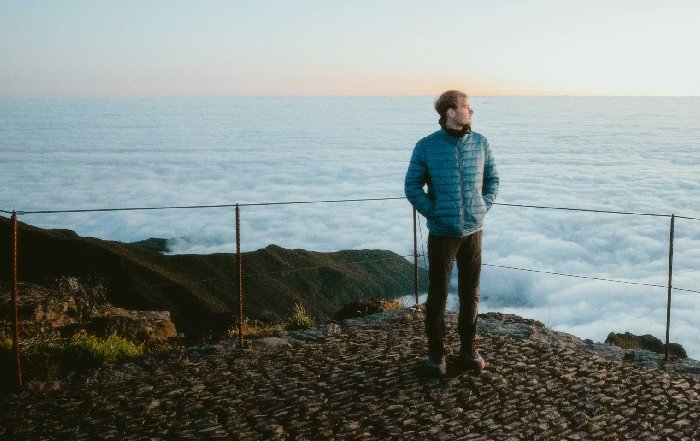
Equilibrium as the Goal in Personal Travel
Redefining Travel: From Escape to Equilibrium
Personal travel has evolved far beyond the pursuit of leisure, status, or simple escape from routine; it has become a strategic, deeply intentional tool for achieving equilibrium in a world defined by volatility, digital saturation, and relentless performance pressure. For the global audience that turns to WellNewTime for guidance across wellness, business, lifestyle, and innovation, the question is no longer where to travel, but how to travel in a way that restores balance between work and life, body and mind, self and society, and ambition and sustainability. In this context, travel is emerging as a powerful integrative practice, sitting at the intersection of wellness, health, business, and lifestyle, and it is increasingly being designed with the same rigor and intention that executives apply to strategic planning or investors apply to portfolio diversification.
This shift is particularly visible across major travel markets in the United States, United Kingdom, Germany, Canada, Australia, and throughout Europe and Asia, where professionals and entrepreneurs are reassessing the role of travel in their lives, moving away from frenetic, checklist-driven tourism toward journeys that are slower, more mindful, and more aligned with long-term wellbeing and sustainable performance. As global uncertainty, climate concerns, and digital overload intensify, equilibrium is emerging as the new benchmark of successful travel, and in many respects, the new definition of success itself.
The New Context: Stress, Mobility, and the Search for Balance
Modern professionals in North America, Europe, and Asia find themselves at an inflection point where mobility has never been easier but true rest has never been harder to access. Remote work, cross-border careers, and digital nomadism have blurred the lines between work and travel, while always-on connectivity has eroded the boundaries that once protected personal time. Reports from organizations such as the World Health Organization and OECD have highlighted the growing burden of stress-related conditions and burnout worldwide, and this has pushed individuals and companies alike to reassess how travel can be used not just as a perk, but as a deliberate intervention to protect mental and physical health. Learn more about how global health trends are reshaping lifestyle decisions on the WellNewTime health section.
In parallel, the tourism and hospitality industries have undergone significant transformation, with leading companies investing in wellness infrastructure, digital detox offerings, and regenerative travel models that align with environmental and social responsibility. Organizations such as the World Travel & Tourism Council and UN World Tourism Organization have been encouraging destinations and brands to design experiences that support local communities while protecting ecosystems, and this has created fertile ground for a new paradigm where personal equilibrium and planetary wellbeing can be pursued together. Learn more about sustainable tourism and responsible travel through platforms such as UNWTO and WTTC.
For readers across Germany, the Netherlands, Scandinavia, Singapore, Japan, and beyond, where work cultures are often high-intensity and performance-driven, equilibrium-oriented travel is increasingly seen not as indulgence but as an essential form of maintenance, comparable to preventive healthcare or executive coaching. The question for individuals and organizations is how to design travel experiences that are genuinely restorative, evidence-informed, and aligned with long-term goals rather than short-term escape.
Experience and Expertise: How Travelers Are Becoming Their Own Strategists
The modern traveler in 2026 is far more informed and discerning than in previous decades, drawing on a wide range of data, digital tools, and expert guidance to shape journeys that support equilibrium. Instead of relying solely on travel agents or generic packages, individuals are using resources such as Google Travel, Booking Holdings, and Airbnb to curate modular itineraries that combine work, rest, and exploration in a more flexible and personalized manner. At the same time, they are increasingly turning to specialist wellness and health platforms, evidence-based content, and trusted media such as WellNewTime to inform decisions about destinations, activities, and recovery strategies that align with their unique needs. Learn more about how wellness and travel intersect in the WellNewTime travel section.
Experience is becoming a form of expertise in its own right. Frequent travelers across the United States, United Kingdom, Canada, and Australia are refining their own frameworks for equilibrium, learning over time which environments, climates, and cultural rhythms best support their sleep, mood, creativity, and physical performance. Many are combining insights from wearable technologies and health-tracking platforms such as Apple Health, Garmin Connect, and WHOOP with guidance from reputable sources like the Mayo Clinic and Cleveland Clinic, and using this data to choose flight times, hotel environments, and activity levels that minimize jet lag, optimize circadian alignment, and reduce the physiological stress of travel. Learn more about circadian health and its relationship to performance through educational content from Harvard T.H. Chan School of Public Health.
In parallel, professional travel planners, wellness consultants, and corporate mobility managers are building expertise in equilibrium-oriented travel design, integrating knowledge from psychology, sleep science, occupational health, and environmental sustainability. Organizations such as McKinsey & Company, Deloitte, and BCG have been publishing analyses on the future of work, hybrid models, and the role of travel in talent attraction and retention, and these insights are being translated into more nuanced policies around business trips, retreats, and remote work hubs. Learn more about evolving work and travel trends through resources such as McKinsey's insights on the future of work.
The Four Dimensions of Equilibrium in Personal Travel
For readers of WellNewTime, who often navigate demanding careers while staying attentive to wellness, fitness, beauty, and mindfulness, equilibrium in travel can be understood across four interlocking dimensions: physical, psychological, professional, and environmental. Each dimension requires intentional design and informed decision-making to ensure that travel functions as a stabilizing force rather than a destabilizing one.
Physical equilibrium involves aligning travel patterns with the body's biological needs, including sleep, movement, nutrition, and recovery. Long-haul flights across North America, Europe, and Asia, frequent time zone shifts, and irregular meal schedules can disrupt metabolic health and immunity, and research from organizations such as the National Institutes of Health and Public Health England has underscored the cumulative impact of such disruptions. Travelers seeking equilibrium are therefore prioritizing adequate sleep windows, daylight exposure, hydration, and active recovery through practices such as yoga, stretching, and low-intensity fitness sessions. Learn more about integrating movement and recovery into travel routines in the WellNewTime fitness section.
Psychological equilibrium is increasingly central to the way individuals in high-pressure markets such as the United States, United Kingdom, Germany, Singapore, and South Korea design their travel. With mental health challenges on the rise, journeys are being planned not just around sightseeing, but around opportunities to decompress, reflect, and reset cognitive load. This may include digital detox periods, immersion in nature, structured mindfulness retreats, or time spent in culturally rich environments that encourage perspective-taking and emotional renewal. Trusted institutions such as Mind, the American Psychological Association, and National Alliance on Mental Illness provide resources that help travelers understand the mental health implications of constant connectivity and how to mitigate them. Learn more about integrating mindfulness into everyday life and travel through the WellNewTime mindfulness section.
Professional equilibrium concerns the delicate balance between productivity and rest during travel. The growth of remote work and hybrid models has created new opportunities for workcations and extended stays, but it has also introduced risks of boundary erosion and chronic partial work. Professionals traveling between hubs such as New York, London, Berlin, Singapore, and Tokyo are learning to define clear work windows, communication expectations, and offline periods, supported by corporate policies and digital tools. Organizations like Microsoft, Slack Technologies, and Zoom Video Communications have been at the center of these shifts, and their platforms can either support or undermine equilibrium depending on how they are used. Learn more about sustainable work practices and boundary-setting through resources from Microsoft's work trend index.
Environmental equilibrium reflects the growing recognition that personal wellbeing cannot be fully separated from planetary health. Travelers from Europe, North America, and Asia are increasingly aware of the carbon footprint and social impact of their journeys, and they are turning to resources such as UN Environment Programme, IPCC, and World Wildlife Fund to better understand the implications of air travel, over-tourism, and resource use. In response, they are choosing fewer but longer trips, favoring rail over short-haul flights in regions such as Europe, supporting regenerative tourism initiatives, and aligning their choices with environmental values. Learn more about sustainable business and travel practices through resources from UNEP and explore how lifestyle choices intersect with environmental responsibility in the WellNewTime environment section.
The Role of Wellness, Massage, and Beauty in Restorative Journeys
Equilibrium-oriented travel is closely tied to the broader wellness economy, which continues to expand across regions such as North America, Europe, and Asia-Pacific. Travelers are increasingly integrating structured wellness components into their journeys, including therapeutic massage, spa treatments, integrative health consultations, and beauty rituals that support both appearance and deeper physiological renewal. Leading hospitality brands and wellness resorts in countries such as Thailand, Japan, Italy, and Spain are partnering with medical and holistic practitioners to offer programs that address stress, sleep, metabolic health, and emotional resilience, reflecting the convergence of traditional spa culture with evidence-based health practices.
Massage therapy, once considered a luxury add-on, is now widely recognized as a tool for managing musculoskeletal strain from travel, improving circulation, and supporting nervous system regulation. International and regional associations, as well as research summarized by organizations like the National Center for Complementary and Integrative Health, have contributed to a better understanding of how massage can support pain management, recovery, and stress reduction. Learn more about the role of massage and bodywork in wellbeing in the WellNewTime massage section.
In parallel, beauty has taken on a more holistic and functional dimension, extending beyond cosmetics to include skin barrier health, sun protection, and recovery from environmental stressors such as air pollution and UV exposure, which can be particularly intense in certain urban centers and tropical destinations. Global beauty and skincare companies are increasingly integrating dermatological research, sustainability considerations, and wellness narratives into product development, and informed travelers are selecting routines that support both appearance and long-term skin health. Learn more about evolving beauty and self-care trends in the WellNewTime beauty section.
Business Travel Reimagined: From Exhaustion to Strategic Restoration
For many readers of WellNewTime, business travel remains a central part of professional life, whether in finance, technology, consulting, creative industries, or international trade. Historically, business travel has been associated with jet lag, long meetings, poor nutrition, and fragmented sleep, often leading to cumulative fatigue and diminished performance. In 2026, however, leading organizations across the United States, United Kingdom, Germany, Canada, and Asia-Pacific are rethinking corporate travel policies with equilibrium as a core objective, recognizing that sustainable high performance depends on the health and resilience of their teams.
Forward-looking employers are integrating wellbeing criteria into travel approvals, itinerary design, and expense policies, encouraging employees to arrive earlier to adjust to time zones, to include rest days before critical negotiations or presentations, and to access wellness facilities such as gyms, spas, and mindfulness spaces. Some are partnering with global hotel groups, airlines, and wellness providers to create integrated packages that support sleep, nutrition, and movement during trips. Learn more about how organizations are aligning business strategy with human sustainability through resources from Deloitte's human capital insights.
Digital tools and platforms are also enabling a more intelligent approach to business travel. Enterprise travel management systems, integrated with health and safety protocols and employee wellbeing data, can recommend itineraries that minimize strain and optimize connection times, while also incorporating risk management in regions facing instability or health concerns. International business hubs in cities such as London, New York, Singapore, and Dubai are responding with infrastructure that supports both productivity and restoration, including co-working spaces with wellness offerings, healthy food options, and quiet zones. Learn more about the evolving intersection of business, travel, and innovation in the WellNewTime innovation section.
Mindfulness, Culture, and the Inner Dimension of Travel
Beyond logistics and physical comfort, equilibrium in personal travel has a deeply internal component rooted in mindfulness, cultural engagement, and meaning-making. In a world where social media can turn travel into a performance or competition, many individuals across Europe, North America, and Asia are consciously stepping back from constant documentation and instead embracing more present, reflective modes of journeying. Mindfulness-based travel, which may include meditation retreats, silent stays, or simply intentional digital minimalism, allows travelers to reconnect with their own thoughts, emotions, and values in a way that daily life often does not permit.
Cultural immersion also plays a crucial role in psychological equilibrium, offering new perspectives that can disrupt rigid thinking patterns and expand empathy. Exposure to different social norms, histories, and artistic expressions in countries such as France, Italy, Japan, South Africa, or Brazil can foster cognitive flexibility and emotional depth, which in turn support resilience and creativity back in professional contexts. Organizations such as UNESCO and leading cultural institutions worldwide emphasize the value of cultural heritage and exchange not only for societies but also for individuals seeking a richer sense of identity and belonging. Learn more about the relationship between culture, identity, and wellbeing through resources from UNESCO.
For readers who integrate mindfulness practices into daily life, travel becomes an opportunity to deepen these habits, whether through sunrise meditations in nature, reflective journaling on long train rides, or mindful walking in historic districts and natural parks. The key is not to romanticize travel as an automatic cure-all, but to approach it as a context in which intentional practices can be more easily embedded and sustained. Learn more about integrating mindfulness into modern life and travel in the WellNewTime mindfulness section.
Careers, Brands, and the Emerging Market for Equilibrium Travel
As equilibrium becomes a central aspiration for travelers worldwide, it is also reshaping job markets, brand strategies, and business models. New roles are emerging at the intersection of travel, wellness, and sustainability, including wellness travel designers, regenerative tourism consultants, corporate wellbeing travel leads, and destination sustainability officers. Professionals with backgrounds in health sciences, hospitality, psychology, environmental studies, and digital experience design are finding opportunities to contribute to a sector that aligns commercial success with human and planetary wellbeing. Learn more about evolving career paths and opportunities in the WellNewTime jobs section.
Brands across hospitality, aviation, wellness, beauty, and technology are competing to position themselves as trusted partners in the pursuit of equilibrium, emphasizing transparency, evidence-based offerings, and authentic commitments to sustainability. Consumers in markets such as Germany, the Netherlands, Scandinavia, Canada, and Australia are particularly attentive to brand values and social impact, rewarding companies that demonstrate integrity and long-term thinking. Organizations such as B Lab, which certifies B Corporations, and global sustainability indices provide frameworks and benchmarks that help travelers identify brands aligned with their values. Learn more about purpose-driven brands and evolving consumer expectations in the WellNewTime brands section.
Media platforms like WellNewTime play a critical role in this ecosystem by curating trustworthy information, highlighting innovation, and contextualizing trends across wellness, business, environment, and lifestyle. For readers navigating choices in a crowded and sometimes confusing marketplace, the ability to rely on clear, expert-informed analysis is essential to making travel decisions that genuinely support equilibrium rather than simply promising it in marketing language.
A Global, Connected Vision of Equilibrium in Travel
Equilibrium as the goal in personal travel is not confined to a single region or demographic; it is a global movement that reflects shared human needs across continents and cultures. In North America and Europe, it often manifests as a corrective to overwork, digital overload, and consumption-driven tourism. In Asia, it intersects with rich traditions of spiritual journeying, from Japanese onsens and Korean jjimjilbangs to Thai meditation retreats and Indian wellness ashrams. In Africa and South America, it connects with powerful narratives of nature, biodiversity, and community resilience, offering travelers opportunities to engage in regenerative experiences that benefit both visitors and hosts. Learn more about global travel and societal trends in the WellNewTime world section.
The unifying thread across these diverse contexts is a recognition that travel, when approached with intention and informed by evidence, can be one of the most effective tools for resetting, recalibrating, and reimagining how life is lived. It can help individuals recover from burnout, rediscover creativity, reconnect with their bodies, deepen their relationships, and realign their professional trajectories with their values. It can also help societies experiment with more sustainable, inclusive models of mobility and exchange, in which tourism supports rather than undermines local ecosystems and cultures. Learn more about how lifestyle choices, including travel, can support long-term wellbeing in the WellNewTime lifestyle section.
For the global community that relies on WellNewTime, the path forward involves integrating travel into a broader, coherent strategy for wellness, work, and purpose. This means planning journeys not as isolated events, but as part of an ongoing cycle of effort and recovery, engagement and retreat, exploration and reflection. It means selecting destinations, partners, and practices that are grounded in trust, expertise, and respect for both self and planet. And it means recognizing that equilibrium is not a static state to be achieved once, but a dynamic process that must be continually nurtured, with travel serving as one of its most powerful, and most personal, instruments.
In this year and beyond, as mobility continues to expand and global challenges intensify, those who approach travel through the lens of equilibrium will be better equipped to thrive-physically, mentally, professionally, and ethically-while contributing to a more balanced and sustainable world. For readers seeking guidance on this journey, WellNewTime will remain a dedicated partner, connecting wellness, business, environment, and innovation into a coherent, trustworthy narrative that supports informed, intentional, and truly restorative travel. Visit the WellNewTime homepage to explore the latest insights shaping this new era of equilibrium-focused travel.