

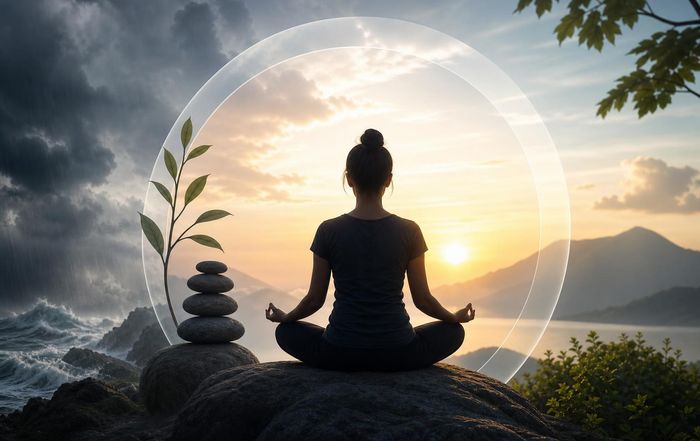
Building Emotional Strength Through Mindfulness in a Rapidly Changing World!
Mindfulness as a Strategic Skill for Modern Life
Mindfulness has moved decisively from a niche wellness trend into a core capability for leaders, professionals, and organizations navigating relentless change. Across North America, Europe, Asia, and beyond, individuals are recognizing that emotional strength is no longer a luxury reserved for times of crisis; it is a daily necessity in an always-on, hyperconnected world marked by economic uncertainty, geopolitical tension, and accelerating technological disruption. Within this landscape, WellNewTime has positioned itself as a practical guide and trusted companion, helping readers integrate mindfulness into the fabric of everyday life, work, and relationships rather than treating it as a separate activity reserved for ideal conditions that rarely arrive.
Mindfulness, at its essence, refers to the deliberate practice of paying attention to the present moment with openness, curiosity, and non-judgment. Emotional strength can be understood as the capacity to experience the full range of human emotions without being overwhelmed, to respond thoughtfully rather than react impulsively, and to maintain a stable sense of self even under pressure. When these two concepts intersect, they create a powerful framework for sustainable mental health, resilient performance, and grounded decision-making. Institutions such as Harvard Medical School increasingly highlight that mindfulness can reduce stress, support emotional regulation, and improve cognitive flexibility; readers can explore this perspective further by reviewing insights on mindfulness and health. For WellNewTime, the question is no longer whether mindfulness works, but how it can be translated into practical, evidence-based strategies that fit into the busy lives of professionals, entrepreneurs, and global citizens.
The Science of Emotional Strength
Over the last decade, research in psychology and neuroscience has deepened the understanding of how mindfulness cultivates emotional resilience. Leading organizations such as the American Psychological Association have documented how mindfulness practices can enhance emotional regulation, reduce symptoms of anxiety and depression, and support more adaptive coping strategies in the face of stress; readers can explore the evolving evidence base through resources on psychological resilience and mindfulness. Emotional strength is not a fixed trait that some people possess and others lack; rather, it is a set of trainable skills shaped by habits of attention, interpretation, and behavior.
Neuroscientific studies from institutions like UCLA and Massachusetts General Hospital have shown that regular mindfulness practice can alter brain structures associated with attention, self-awareness, and emotional processing, including the prefrontal cortex and amygdala. Those interested in the underlying mechanisms can review accessible summaries of how meditation changes the brain. These changes do not occur overnight, but incremental practice over weeks and months appears to support a more balanced response to emotional triggers, allowing individuals to notice rising stress, anger, or fear before these states dictate their behavior. For professionals navigating high-stakes environments in the United States, United Kingdom, Germany, Singapore, and other innovation hubs, this ability to pause, observe, and choose a response rather than react automatically is becoming a critical differentiator.
Mindfulness as the Foundation of Holistic Wellness
At WellNewTime, emotional strength is never discussed in isolation from broader wellness. The platform's focus on integrated wellbeing, reflected in sections such as Wellness, Health, and Lifestyle, aligns with research from organizations like the World Health Organization, which defines health as a state of complete physical, mental, and social wellbeing rather than merely the absence of disease; further insights on this comprehensive approach can be found through the WHO's materials on mental health and wellbeing. Mindfulness, in this broader view, is not simply a mental exercise; it is a way of inhabiting one's body, relationships, work, and environment with greater awareness and intentionality.
This holistic perspective resonates strongly in regions where stress-related conditions, burnout, and lifestyle diseases are rising. In countries such as Japan, South Korea, the United States, and the United Kingdom, long working hours and digital overload have contributed to chronic fatigue and emotional exhaustion. Organizations like Mayo Clinic emphasize that mindfulness can support stress management, improve sleep, and enhance overall quality of life; readers can learn more through resources on stress management and mindfulness practices. By integrating mindfulness into daily routines-during commutes, workouts, meals, and transitions between tasks-individuals can gradually shift from a reactive, survival-oriented mode of living to a more grounded, intentional, and emotionally balanced way of being.
Emotional Strength in the Age of Digital Overload
The digital acceleration of the early 2020s has transformed how people work, communicate, and consume information, but it has also introduced new psychological challenges. Continuous news feeds, social media comparison, and remote work blurring the boundaries between professional and personal life have created an environment in which attention is fragmented and nervous systems are rarely given time to reset. WellNewTime has consistently highlighted that emotional strength in 2026 requires not only inner skills but also deliberate choices about technology use, media consumption, and digital boundaries, which are explored regularly in its News and World coverage.
Research from institutions such as Pew Research Center and Stanford University has underscored the mental health implications of constant connectivity and multitasking, including increased stress, reduced concentration, and emotional dysregulation. Readers interested in the broader social and psychological impacts of digital life can review analyses on technology, social media, and wellbeing. Mindfulness offers a counterbalance by training individuals to notice when their attention is being pulled compulsively toward screens, notifications, or online conflicts and to choose more restorative behaviors instead. Simple practices, such as pausing for three conscious breaths before opening an email inbox or taking a short mindful walk between virtual meetings, can help reestablish a sense of agency over one's time and emotional state.
Integrating Mindfulness into Health and Fitness Routines
For many readers of WellNewTime, the journey toward emotional strength begins with physical health and movement. The platform's Fitness and Health sections emphasize that the body and mind are inseparable, and that emotional resilience is reinforced when sleep, nutrition, exercise, and recovery are aligned with individual needs and values. Organizations such as Johns Hopkins Medicine have highlighted that mindfulness can enhance the benefits of physical activity by improving body awareness, reducing perceived exertion, and supporting better adherence to exercise routines; those interested can explore how mindful movement supports health.
Across Europe, Asia, and the Americas, there has been a growing interest in practices that blend movement and mindfulness, including yoga, tai chi, and mindful walking. Institutions like NHS England have noted that such practices can support mental health, reduce stress, and improve mood, making them particularly relevant for individuals managing anxiety, depression, or chronic pain; further exploration is available through their resources on mindfulness and mental health. For professionals with demanding schedules in cities from New York and London to Singapore and Sydney, short, accessible practices such as mindful stretching between meetings or paying close attention to breath during a run can serve as practical entry points into a more mindful way of living.
Mindfulness, Beauty, and the Inner Dimension of Self-Care
The global beauty and personal care industry continues to expand, but discerning consumers are increasingly seeking products and experiences that support inner wellbeing as much as outward appearance. WellNewTime watches this shift through its Beauty and Massage content, emphasizing that true radiance emerges when physical self-care is grounded in emotional balance and self-acceptance. Mindfulness plays a critical role here by helping individuals relate to their bodies with curiosity rather than criticism, and by transforming daily grooming or skincare routines into moments of presence and appreciation.
Leading wellness organizations and publications, including Cleveland Clinic, have drawn attention to the psychological benefits of self-care rituals, noting that when approached mindfully, such practices can reduce stress, support self-esteem, and enhance overall wellbeing; readers can explore how self-care supports mental health. In markets such as France, Italy, South Korea, and Japan, where beauty and skincare are deeply embedded in cultural norms, integrating mindfulness into these rituals can help counteract the pressures of perfectionism and comparison that are often amplified by social media. By slowing down, noticing sensations, and appreciating the body as it is in the present moment, individuals can transform routine activities into anchors of emotional stability and self-compassion.
Mindfulness in Business, Leadership, and Brand Strategy
The integration of mindfulness into business strategy has accelerated markedly by 2026, particularly in sectors where innovation, collaboration, and rapid decision-making are critical. WellNewTime looks at this evolution through its Business and Brands coverage, examining how organizations across the United States, Europe, and Asia are incorporating mindfulness into leadership development, talent management, and workplace culture. Forward-thinking companies, including global leaders such as Google and SAP, have implemented mindfulness programs to support focus, creativity, and resilience, reflecting a broader shift toward human-centered management. Those interested in the intersection of mindfulness and leadership can review thought leadership from institutions like McKinsey & Company on resilient leadership and mental wellbeing.
In parallel, organizations such as the World Economic Forum have highlighted mental health and emotional resilience as critical components of sustainable economic growth and inclusive globalization, particularly in the context of automation, demographic shifts, and climate risk. Readers can explore these perspectives through analyses on wellbeing and the future of work. For brands operating in competitive markets from Canada and Australia to Brazil and South Africa, embracing mindfulness is no longer purely a wellness initiative; it is a strategic imperative that influences employee engagement, customer trust, and long-term reputation. When leaders model mindful behavior-listening deeply, regulating their emotions, and making decisions aligned with clear values-they create cultures in which emotional strength is normalized and supported rather than stigmatized.
Mindfulness, Environment, and Sustainable Lifestyles
Emotional strength in 2026 cannot be separated from the broader environmental context. Climate anxiety, extreme weather events, and ecological degradation are affecting mental health across continents, particularly among younger generations in Europe, Asia, and North America. WellNewTime addresses these intertwined challenges in its Environment and Lifestyle sections, emphasizing that mindfulness can support both individual resilience and more sustainable choices. By cultivating present-moment awareness and a felt sense of connection to nature, individuals are more likely to adopt behaviors that align with long-term planetary wellbeing.
Organizations such as the United Nations Environment Programme and UNFCCC have acknowledged the psychological dimensions of climate change, encouraging approaches that integrate mental health support with environmental action; readers can learn more about these connections by exploring resources on climate change and wellbeing. Mindfulness practices such as mindful walking in natural settings, attentive observation of local ecosystems, or simply pausing to notice the sky and weather can help reduce anxiety and foster a deeper sense of stewardship. For travelers and digital nomads who follow the Travel content, mindful travel-characterized by respect for local cultures, reduced environmental impact, and genuine presence in each destination-offers a way to experience the world that strengthens both emotional resilience and ethical awareness.
Mindfulness, Work, and the Evolving Job Landscape
The global job market in 2026 is characterized by hybrid work models, rapid technological change, and shifting expectations around flexibility, purpose, and wellbeing. In this context, emotional strength is becoming a core employability skill across sectors and regions, from technology and finance in the United States and Singapore to creative industries in the United Kingdom, Germany, and Sweden. WellNewTime explores these dynamics in its Jobs coverage, highlighting how mindfulness can help professionals navigate career transitions, upskilling, and the emotional complexity of remote and hybrid collaboration.
Organizations such as the International Labour Organization and the OECD have underscored the importance of mental health and resilience in building inclusive, future-ready labor markets. Readers can explore analyses on work, mental health, and productivity to understand how governments and businesses are responding to these challenges. Mindfulness training is increasingly being offered as part of employee assistance programs, leadership academies, and professional development curricula, reflecting recognition that the ability to manage stress, maintain focus, and communicate with empathy directly influences performance and retention. For individuals navigating layoffs, career pivots, or entrepreneurial ventures, mindfulness provides a stabilizing framework for facing uncertainty, clarifying values, and making thoughtful, long-term decisions rather than reacting impulsively to short-term pressures.
Innovation, Technology, and the Future of Mindfulness
As digital health and wellbeing technologies mature, mindfulness is being reshaped by innovation. From AI-powered meditation apps to biofeedback devices and virtual reality experiences designed to simulate restorative natural environments, the ecosystem of tools supporting emotional strength is expanding rapidly. WellNewTime follows these developments in its Innovation coverage, helping readers distinguish between evidence-based solutions and short-lived fads. Leading institutions such as MIT Media Lab and Stanford Medicine are exploring how technology can augment, rather than replace, human capacities for presence and reflection; readers can explore related perspectives on digital health and mental wellbeing.
At the same time, global organizations like the World Health Organization have emphasized the need for ethical frameworks and robust evidence when deploying digital mental health tools, especially in low- and middle-income countries where access to traditional care may be limited; insights into this evolving landscape can be found in WHO's materials on digital mental health. For happy readers of WellNewTime, the core message remains clear: technology can be a powerful ally in building emotional strength when used mindfully and critically, but it cannot substitute for the fundamental practices of self-observation, compassion, and intentional living that lie at the heart of mindfulness.
Making Mindfulness Personal with WellNewTime
Ultimately, building emotional strength through mindfulness is a deeply personal journey that unfolds differently for each individual, shaped by culture, life stage, profession, and environment. For a healthcare worker in Canada, a founder in Berlin, a teacher in South Africa, or a student in Thailand, the specific practices and routines may vary, but the underlying principles remain consistent: paying attention deliberately, accepting emotions without judgment, and choosing responses aligned with one's values. WellNewTime, through its integrated coverage across Mindfulness, Wellness, Health, Fitness, and Lifestyle, offers a curated space where readers can explore these principles in practical, context-specific ways that suit their daily realities.
As the world continues to confront complex challenges-ranging from geopolitical instability and technological disruption to environmental crises and social fragmentation-the ability to remain emotionally grounded, mentally clear, and compassionately engaged will define not only individual wellbeing but also the health of communities, organizations, and societies. Mindfulness, when understood not as a quick fix but as a disciplined, ongoing practice, offers a credible and evidence-based path toward this kind of emotional strength. For calm and peace seeking community here, the invitation is to approach mindfulness not as another item on an already crowded to-do list, but as a unifying thread that can bring greater coherence, resilience, and meaning to every dimension of life. Those who wish to deepen this journey can continue exploring the evolving insights, stories, and practical guidance available across the site, using it as a trusted partner in building emotional strength that is both personally sustainable and globally aware.