

South America's Nature-Based Wellness Tourism: How Hidden Retreats Are Redefining Restorative Travel
Wellness Tourism Enters a New Era
Woo hoo wellness tourism has matured into one of the most dynamic intersections of travel, health, lifestyle, and sustainability, and for readers of WellNewTime, this evolution reflects a broader shift in how individuals and organizations think about performance, resilience, and long-term wellbeing. What was once dominated by luxury hotel spas and resort-style pampering has expanded into a far more experiential and intentional movement, where travelers seek immersion in wild landscapes, authentic cultural exchange, and practices that support both personal health and planetary health. Nature-based wellness tourism is now at the forefront of this shift, drawing global travelers from the United States, United Kingdom, Germany, Canada, Australia, and across Europe, Asia, Africa, and the Americas into destinations that offer psychological restoration, physical revitalization, and ethical engagement with local communities.
In this context, South America has emerged as one of the most compelling regions for nature-based wellness, combining extraordinary biodiversity, deep-rooted indigenous wisdom, and a rapidly professionalizing tourism sector. From the Andean highlands of Peru and Chile to the coastal sanctuaries of Uruguay and the cloud forests of Ecuador, the continent is quietly building a portfolio of retreats and experiences that respond directly to post-pandemic priorities: mental health, stress management, immune resilience, and meaningful connection. Readers who follow wellness and innovation trends on WellNewTime's wellness insights will recognize that this is not a passing fashion but part of a structural realignment in how people travel, work, and live.
From Resort Luxury to Eco-Immersive Wellness
The global wellness traveler of 2026 is more informed, more values-driven, and more demanding about transparency than ever before. As data from organizations such as the Global Wellness Institute and the World Travel & Tourism Council show, travelers now prioritize experiences that integrate physical, mental, and emotional health with environmental responsibility and social impact. Instead of viewing wellness as a curated escape from reality, they see it as a way to recalibrate how they function in daily life, whether they are senior executives from New York, remote professionals based in Berlin, or entrepreneurs commuting between Singapore and Sydney.
This has led to a clear pivot from indulgence-focused spa packages toward eco-immersive itineraries. A wellness journey to South America in 2026 is likely to include guided treks in the Andes, forest bathing in the Patagonian wilderness, meditation beside glacial lakes, or participation in indigenous-led herbal medicine workshops in the Amazon Basin. Rather than being confined to controlled indoor environments, wellness is increasingly practiced outdoors, in direct contact with ecosystems that support biodiversity and climate resilience. Many travelers now consciously choose destinations that are aligned with global sustainability frameworks such as those outlined by the United Nations Environment Programme, seeking to learn more about sustainable business practices and apply those principles to their own organizations back home.
For WellNewTime readers, this evolution mirrors broader changes across business, lifestyle, and health. Executives exploring business and wellness strategy are looking at how nature-based retreats can be integrated into leadership development, burnout prevention, and team cohesion programs, while individuals focused on fitness and resilience increasingly view travel as a platform for long-term behavioral change rather than short-term escape.
Why South America Is Uniquely Positioned to Lead
South America's competitive advantage in nature-based wellness tourism rests on three core pillars: exceptional natural capital, profound cultural heritage, and a growing ecosystem of sustainable tourism operators. The continent contains some of the world's most important biodiversity hotspots, including the Amazon Rainforest, the Andes mountain range, the Patagonian steppe, and extensive Atlantic and Pacific coastlines. Institutions such as Conservation International and the World Wildlife Fund have long highlighted the global ecological importance of these regions, and wellness tourism is now becoming one of the mechanisms through which their protection can be financially supported.
Equally significant is the depth of indigenous knowledge systems across countries such as Peru, Bolivia, Ecuador, Colombia, and Brazil. Communities including Quechua, Aymara, Kichwa, and Amazonian nations have preserved sophisticated understandings of plant medicine, energy balance, ritual, and land stewardship. Many of the most respected wellness retreats in South America now operate in formal partnership with these communities, ensuring that cultural practices are presented with integrity and that economic benefits remain local. Organizations like UNESCO and the World Health Organization have increasingly recognized the value of traditional knowledge in the broader conversation about integrative health and planetary wellbeing.
Furthermore, South American governments and private investors are gradually aligning tourism development with sustainability standards. In Chile, Uruguay, and Ecuador, eco-certification frameworks, national park protections, and incentives for low-impact infrastructure are creating a more resilient foundation for wellness enterprises. Business leaders who follow sustainable innovation trends can observe how these policies are shaping new models of regenerative tourism that connect profit with protection.
A Continent of Contrasting Wellness Landscapes
One of South America's greatest strengths is the diversity of environments in which wellness experiences can be designed, allowing travelers from North America, Europe, Asia, and beyond to select landscapes that resonate with their personal or organizational objectives. The Amazon Basin offers deep-immersion forest experiences, where multi-day programs combine guided walks, plant identification, and nocturnal wildlife observation with breathwork, meditation, and digital detox protocols. In the Andean Highlands of Peru, Ecuador, and Bolivia, travelers engage in high-altitude trekking, yoga in open-air mountain lodges, and thermal spring therapies that draw on centuries-old community practices.
Farther south, Patagonia in Chile and Argentina has become a synonym for wilderness-based mental reset, where programs often integrate endurance hiking, glacier-view meditation, and cold-water immersion in lakes and fjords. Along the Atlantic coast, particularly in Uruguay and southern Brazil, more subtle forms of coastal wellness are emerging: mindful surfing, ocean therapy, and nutrition programs centered on sustainable seafood and local organic produce. Sacred bodies of water such as Lake Titicaca, straddling Peru and Bolivia, host retreats that weave local mythology, spiritual ceremony, and contemplative practices into multi-day itineraries.
For readers exploring environment and wellness connections, these varied landscapes illustrate how geography shapes both the form and impact of wellness interventions, whether the goal is stress reduction, cardiovascular fitness, creative renewal, or deeper self-reflection.
Leading Countries and Signature Experiences
Peru: Integrating Andean Heritage and Amazonian Wisdom
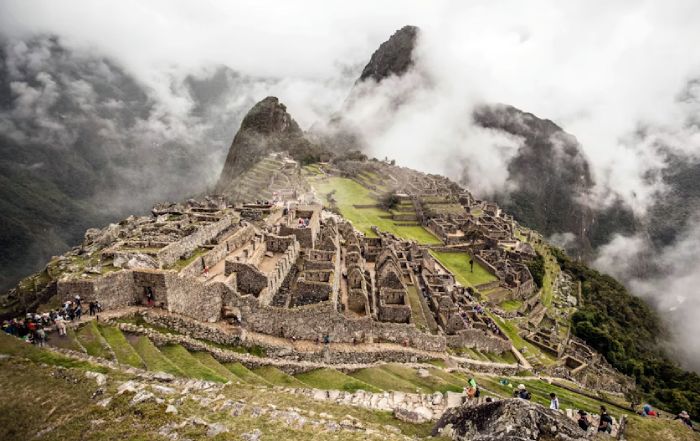
Peru remains one of the continent's most influential wellness destinations, not only because of Machu Picchu but also due to the breadth of its nature-based offerings. In the Sacred Valley and surrounding Andean regions, retreat centers combine yoga, meditation, and breathwork with high-altitude hiking and nutritional programs built around Andean staples such as quinoa, maca, and amaranth. Many operators now collaborate with local agrarian communities, aligning with global trends in regenerative agriculture highlighted by organizations like the Food and Agriculture Organization of the United Nations.
In the Amazonian regions of Madre de Dios and Loreto, ethically structured plant medicine retreats are overseen by experienced healers from indigenous communities, with strict screening, medical oversight, and integration support. Travelers seeking to learn more about natural healing traditions are increasingly discerning about the credentials and governance of such programs, and reputable centers emphasize informed consent, cultural respect, and environmental stewardship.
Chile: Patagonia and Atacama as Frontiers of Wilderness Wellness
Chile offers a longitudinal cross-section of climates and ecosystems, from the Atacama Desert in the north to the glaciers of southern Patagonia. In Torres del Paine and surrounding regions, eco-lodges have become laboratories for wilderness-based wellness, integrating long-distance trekking, guided mindfulness in motion, and hydrotherapy in natural hot springs. Many of these properties operate on renewable energy and partner with conservation NGOs, aligning their practices with the climate goals articulated by bodies such as the Intergovernmental Panel on Climate Change.
In the Atacama, stargazing retreats combine astronomy, Andean cosmology, and contemplative practices, helping guests recalibrate their sense of scale and perspective. This fusion of science and spirituality resonates particularly strongly with travelers from technologically advanced markets like Japan, South Korea, and Northern Europe, who seek evidence-informed yet culturally rich experiences.
Ecuador: Cloud Forest, Volcanic Springs, and Community-Based Lodges
Ecuador has leveraged its compact geography to create dense networks of nature-based wellness experiences. In the cloud forests of Mindo, travelers engage in forest bathing, birdwatching as a meditative practice, and cacao ceremonies that explore both the cultural history and biochemical effects of the cacao plant. In Baños de Agua Santa, volcanic hot springs form the basis of hydrotherapy programs that integrate physiotherapy, mindfulness, and local medicinal plant knowledge.
The country's Ministry of Tourism has supported community-based lodges in and around Yasuní National Park, where visitors can learn directly from Kichwa guides about biodiversity, conservation, and traditional healing. These initiatives align with global frameworks for community-based tourism promoted by organizations like the World Tourism Organization (UNWTO) and demonstrate how wellness travel can be a vehicle for inclusive economic growth.
Colombia: Biodiversity as a Framework for Healing
Colombia has rapidly repositioned itself as a safe and attractive destination for experiential travel, with wellness as a key component. In the Sierra Nevada de Santa Marta, where mountains meet the Caribbean Sea, retreats combine beachside yoga, mountain hikes, and encounters with Arhuaco and Kogi communities who share perspectives on balance, reciprocity, and stewardship. In the coffee regions of Quindío and Caldas, mindful coffee-tasting sessions, farm-to-table nutrition workshops, and river-based hydrotherapy experiences illustrate how everyday commodities can become vehicles for mindfulness and sensory awareness.
Travelers inspired by lifestyle and culture-driven wellness increasingly look to Colombia as an example of how biodiversity, gastronomy, and community narratives can be integrated into cohesive wellness journeys.
Uruguay: Coastal Tranquility and Slow Living
Although smaller and less publicized than some of its neighbors, Uruguay has carved out a niche in refined, sustainable coastal wellness. Along the Rocha coastline and in villages such as José Ignacio, boutique properties emphasize slow living, digital lightening, and high-quality local cuisine. Programs often center on ocean therapy, stand-up paddleboarding meditation, and sunrise or sunset yoga on quiet beaches, attracting visitors from Europe, North America, and Brazil who seek understated luxury and psychological decompression.
The country's progressive environmental and social policies, consistently strong performance in global governance indices, and relatively low levels of overtourism make it a compelling case study for policymakers and investors following responsible tourism models.
Indigenous Knowledge as the Backbone of Authentic Wellness
One of the defining characteristics of South America's nature-based wellness ecosystem is its reliance on indigenous knowledge as a legitimate and respected pillar of practice. Plant medicine traditions in the Amazon, coca leaf rituals in the Andes, Andean energy healing, and shamanic sound practices are not decorative add-ons; they are central to the identity of many retreats and must be treated with the same seriousness as clinical or psychological interventions.
Where these practices are integrated responsibly, they are led or co-led by indigenous practitioners who retain agency over how rituals are conducted, how knowledge is shared, and how revenue is distributed. This approach is increasingly recognized by global health and ethics bodies such as the World Health Organization and the International Union for Conservation of Nature, which emphasize the importance of biocultural diversity in sustainable development. For WellNewTime readers who value mindfulness and mental wellbeing, these traditions offer pathways into deeper forms of presence, gratitude, and interconnectedness that extend beyond standard meditation frameworks.
Economic, Environmental, and Social Impacts
The growth of nature-based wellness tourism in South America brings a complex mix of benefits and responsibilities. Economically, it can diversify rural income streams, create skilled employment, and stimulate demand for local products ranging from organic foods to natural cosmetics and wellness textiles. When visitors choose community-based lodges and locally owned retreat centers, they contribute to economic resilience and reduce leakage to international intermediaries.
Environmentally, responsible wellness tourism can generate funding for protected areas, support reforestation, and incentivize low-impact infrastructure such as solar energy, greywater systems, and sustainable building materials. However, without robust governance, there is a risk of overuse of trails, pressure on water resources, and habitat disturbance. Organizations like The Nature Conservancy and WWF have highlighted both the opportunities and risks of tourism in sensitive regions, making it clear that growth must be accompanied by rigorous planning.
Socially and culturally, wellness tourism can either strengthen or erode local identities. When designed in partnership with communities, it can reinforce pride in traditional knowledge, support language preservation, and create platforms for intercultural dialogue. When imposed from outside, it can lead to commodification, cultural appropriation, and social tension. For readers interested in global news and policy trends, South America's experience offers valuable lessons in how to align tourism with the UN Sustainable Development Goals.
Who Is Traveling: Demographics and Motivations in 2026
By 2026, four main demographic segments are shaping demand for South American nature-based wellness. Travelers from North America and Western Europe often pursue a combination of adventure, stress relief, and personal transformation, frequently using retreats as catalysts for career reflection, burnout recovery, or life-stage transitions. Many hold leadership roles or operate in high-intensity sectors such as finance, technology, and healthcare, making them particularly responsive to evidence-based programs that combine physical challenge with psychological support.
From the Asia-Pacific region, especially Japan, Singapore, South Korea, and Australia, travelers often seek structured programs that align with established wellness practices at home, such as yoga, meditation, and nutrition protocols, but layered with the distinctiveness of Andean or Amazonian traditions. They tend to be highly research-driven, consulting trusted sources such as the Mayo Clinic or Harvard T.H. Chan School of Public Health when evaluating the safety and efficacy of retreats.
Within Latin America, regional travelers from Brazil, Argentina, Chile, and Colombia are increasingly exploring their own continent for accessible, culturally familiar wellness experiences. Many travel with families or partners, and they often integrate wellness elements into broader vacations rather than booking standalone retreats. A growing subsegment of digital nomads and remote professionals, often from Europe, North America, and New Zealand, seeks destinations that combine co-working infrastructure with direct access to nature, aligning productivity with daily practices such as hiking, cold-water immersion, and guided meditation.
These varied motivations underscore why tailored communication and program design are essential, a topic that resonates strongly with readers exploring careers and jobs in wellness and travel.
Marketing, Brand Positioning, and Trust
In a marketplace that is increasingly crowded and global, South American wellness destinations must differentiate themselves through authenticity, transparency, and demonstrable impact. Effective marketing strategies emphasize real stories of transformation, long-term community partnerships, and verified sustainability practices rather than aspirational imagery alone. Collaborations with credible wellness professionals, psychologists, and medical advisors help reinforce trust, especially for programs that include intensive physical activity or plant medicine.
Digital channels remain central: curated content on platforms like Instagram and YouTube, virtual tours, and long-form storytelling on brand websites provide prospective guests with a sense of place and philosophy. However, discerning travelers, including many WellNewTime readers, increasingly cross-check claims against independent sources such as Global Wellness Institute reports, UNWTO case studies, and peer reviews. Retreats that transparently disclose their safety protocols, environmental metrics, and community impact are better positioned to attract high-value, values-aligned guests.
For brands and destinations considering how to integrate wellness into their identity, the frameworks discussed in WellNewTime's business and brands coverage provide a useful lens: wellness must be embedded in operations, governance, and partnerships, not merely in marketing language.
Technology as Enabler, Not Distraction
Although nature-based wellness emphasizes disconnection from digital overload, technology plays an increasingly strategic role in enabling and enhancing these experiences. Virtual reality previews allow travelers to explore lodges, trails, and landscapes before committing, reducing uncertainty and building trust. Wearable health devices provide data on sleep, heart rate variability, and stress that can be integrated into personalized retreat plans, aligning with the growing field of precision wellness promoted by institutions such as Cleveland Clinic and Stanford Medicine.
Eco-conscious booking platforms make it easier to filter for certified sustainable accommodations and low-impact transportation options, while digital integration between retreat centers and guests supports pre-arrival preparation and post-retreat follow-up. For WellNewTime readers who follow innovation and tech trends, South America's wellness sector illustrates how technology can be used selectively to support deeper, more meaningful offline experiences.
Navigating Sustainability Challenges
Despite its promise, nature-based wellness tourism in South America must navigate serious sustainability challenges. Overtourism in iconic areas such as the Sacred Valley, Torres del Paine, and the Sierra Nevada can strain ecosystems and infrastructure. Governments and operators are responding with visitor caps, timed entries, and mandatory guided access in certain zones, following models studied by organizations like the International Union for Conservation of Nature.
Cultural appropriation of indigenous practices remains a critical concern, especially in the commercialization of plant medicine. Ethical operators now co-create codes of conduct with community leaders, establish clear benefit-sharing mechanisms, and participate in training and certification schemes designed to protect both guests and practitioners. Meanwhile, the carbon footprint of long-haul travel is an unavoidable reality; many retreats now partner with verified offset projects and encourage guests to support reforestation and renewable energy initiatives recognized by bodies such as Gold Standard.
Readers who regularly consult WellNewTime's environment coverage will recognize that the most resilient destinations are those that treat sustainability not as a marketing add-on but as the core of their business model.
Practical Considerations for Wellness Travelers
For individuals and organizations planning wellness travel to South America in 2026, preparation is essential. Choosing operators that demonstrate clear environmental policies, community partnerships, and safety standards is the first step. Reviewing health requirements for high-altitude activities, vaccinations, and plant medicine participation with trusted medical professionals is equally important, especially for travelers with pre-existing conditions.
Packing with purpose-reusable bottles, minimal plastics, appropriate outdoor gear-helps reduce environmental impact, while basic cultural literacy fosters respectful interaction with host communities. Supporting local businesses, from artisans to small-scale food producers and therapists, ensures that spending circulates within the destination economy. Readers can find additional guidance in WellNewTime's health and travel wellness resources and broader lifestyle coverage.
Beyond the Spa: A New Definition of Restorative Travel
By 2026, South America's nature-based wellness tourism sector has become a living example of how travel can support personal transformation, community resilience, and environmental protection simultaneously. For the global audience of WellNewTime, this shift signals a broader redefinition of success and wellbeing: from isolated self-care to interconnected, place-based experiences that acknowledge the links between human health and the health of ecosystems.
The continent's hidden wellness havens-cloud forest retreats, Patagonian eco-lodges, Andean thermal sanctuaries, and coastal slow-living enclaves-offer more than temporary escape. They provide structured environments in which individuals and teams can reset habits, challenge assumptions, and reconnect with the natural cycles that underpin long-term performance and fulfillment. As governments, businesses, and communities across South America, North America, Europe, Asia, and Africa refine their approaches to sustainable tourism, nature-based wellness is poised to become one of the defining movements of the coming decade.
For travelers, leaders, and innovators seeking experiences that align with their values and aspirations, the message is clear: the future of wellness lies not in ever more elaborate spas, but in carefully designed encounters with landscapes, cultures, and practices that restore balance-within individuals, within organizations, and within the planet itself. Readers can continue to follow this evolving story and discover emerging destinations, practices, and opportunities through the dedicated coverage at WellNewTime.