

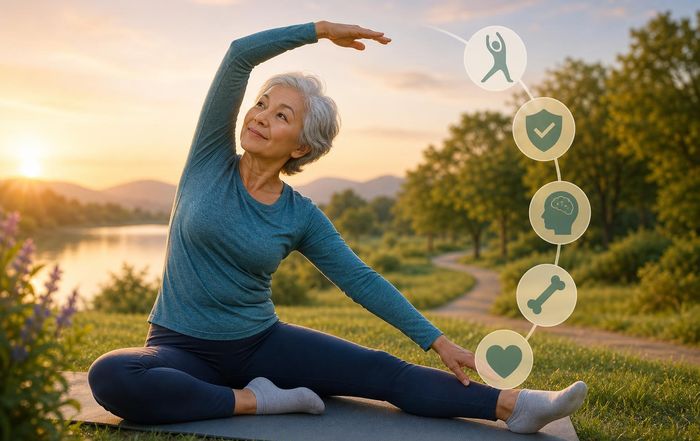
Why Flexibility Matters for Healthy Aging
Flexibility as the New Cornerstone of Healthy Longevity
As populations age across North America, Europe, Asia and beyond, the conversation around longevity has shifted decisively from simply extending life to extending the number of years lived in strength, comfort and independence. Within this shift, flexibility has emerged as one of the most underestimated yet decisive dimensions of healthy aging, influencing mobility, pain levels, emotional balance, cognitive resilience and even the capacity to participate in work, travel and meaningful social life. For the yoga fit loving community, which is deeply engaged with wellness, health, fitness, mindfulness and lifestyle, flexibility is no longer a niche concern of athletes or yoga enthusiasts; it is a strategic asset that shapes how people will live, work and thrive into their 60s, 70s, 80s and beyond.
The World Health Organization's concept of "healthy life expectancy" has underscored that additional years of life are only as valuable as the quality of movement, autonomy and participation they allow. Readers who explore health and prevention insights on wellnewtime.com increasingly recognize that flexibility is one of the primary determinants of whether an older adult can rise from a chair without assistance, climb stairs confidently, carry luggage through an airport, or continue enjoying outdoor activities in destinations from Canada and the United States to Japan, Italy and New Zealand. In this context, flexibility is not a cosmetic or purely aesthetic goal; it is a structural pillar of physical and mental well-being that intersects with cardiovascular fitness, muscular strength, joint integrity and emotional health.
The Science of Flexibility and Aging
Healthy aging is inseparable from the biology of connective tissues, muscles and joints. As people move through midlife into later decades, collagen fibers in tendons and ligaments become stiffer, muscle mass declines through sarcopenia, and joint cartilage may gradually wear down, all of which reduce range of motion and increase the risk of pain and injury. Research from institutions such as Harvard Medical School has highlighted that flexibility training can help counter some of these changes by promoting better circulation to soft tissues, enhancing neuromuscular coordination and supporting joint lubrication through movement. Readers can explore how these mechanisms relate to broader wellness strategies by engaging with the wellness resources curated by wellnewtime.com.
Scientific organizations including the National Institute on Aging in the United States and the National Health Service in the United Kingdom have emphasized that flexibility exercises, when combined with aerobic and strength training, contribute to better balance, fewer falls and improved functional independence. Those interested in the underlying mechanisms can review current guidance on healthy aging and physical activity to understand how the nervous system, muscles and connective tissues adapt to regular stretching and mobility work across different age groups. While genetics and medical history play a role, consistent attention to flexibility is increasingly recognized as a modifiable factor that individuals can influence through daily habits, regardless of whether they live in Germany, Singapore, Brazil or South Africa.
Flexibility, Mobility and Independence
The most tangible expression of flexibility in later life is functional mobility: the ability to move freely through the world, perform daily tasks and participate in valued activities without disproportionate effort or fear. For readers of wellnewtime.com who prioritize active lifestyles, flexibility underpins the capacity to walk briskly through city streets in London or Paris, hike nature trails in Australia or New Zealand, or navigate public transportation systems in Tokyo, Seoul or Stockholm without undue strain. When hip flexors, hamstrings, calves and the muscles surrounding the spine retain adequate length and elasticity, older adults can maintain longer strides, more stable posture and smoother transitions between sitting, standing and walking.
Global health authorities such as the World Health Organization have repeatedly linked mobility to social participation, economic contribution and mental health, noting that the loss of mobility often precedes social isolation, depression and increased healthcare utilization. Those who wish to learn more about healthy mobility and aging can see how flexibility training is integrated into broader active aging frameworks in Europe, Asia and the Americas. Flexibility also supports balance and proprioception, as joints that move through their full range send more accurate feedback to the nervous system, allowing older adults to adjust quickly to uneven surfaces, sudden changes in direction or minor slips, thereby reducing the risk of falls, which remain a leading cause of injury among older adults worldwide.
Flexibility, Pain and Musculoskeletal Health
Chronic musculoskeletal pain is one of the most common complaints among aging populations in the United States, Canada, the United Kingdom, Germany and many other countries, with back pain, neck stiffness, hip tightness and shoulder limitations frequently limiting quality of life and productivity. Flexibility plays a dual role here, both as a protective factor that can reduce the likelihood of strain and as a therapeutic tool that can alleviate existing discomfort when applied judiciously. Organizations such as the Mayo Clinic and Cleveland Clinic have highlighted that stretching tight muscle groups can help redistribute load across joints, support better alignment and reduce compensatory movement patterns that often lead to overuse injuries. Those seeking to understand evidence-based approaches to back and joint pain will see that flexibility training is consistently recommended as part of a comprehensive strategy.
For the readership of wellnewtime.com, which spans wellness, fitness and lifestyle interests, the connection between flexibility and pain management is particularly relevant in professional contexts where people spend long hours sitting at desks, commuting, or using digital devices. Prolonged sitting can shorten hip flexors, weaken gluteal muscles and place additional strain on the lumbar spine, while repetitive upper body postures can tighten the chest and neck. By integrating regular stretching and mobility practices into daily routines, individuals can mitigate these effects and sustain higher levels of comfort and concentration throughout the workday. The American College of Sports Medicine has provided detailed guidelines on flexibility training for different age groups that can help readers design safe, progressive routines aligned with their health status and goals.
Flexibility, Cardiometabolic Health and Recovery
Although flexibility is often discussed primarily in relation to joints and muscles, its influence extends into cardiometabolic health and exercise recovery. While stretching alone is not a substitute for aerobic or resistance training, it supports these modalities by enabling more efficient, biomechanically sound movement patterns, thereby allowing older adults to sustain higher levels of physical activity with less risk of injury. This has direct implications for the prevention and management of conditions such as type 2 diabetes, hypertension and cardiovascular disease, which are prevalent across North America, Europe and Asia. Public health organizations such as the Centers for Disease Control and Prevention in the United States provide comprehensive overviews of how physical activity, including flexibility work, supports long-term health, underscoring the interconnected nature of these systems.
Recovery is another crucial dimension, particularly for readers of wellnewtime.com who engage in regular fitness training or sports. After strength or endurance sessions, gentle stretching and mobility exercises can help reduce residual muscle tension, maintain or improve range of motion and encourage parasympathetic nervous system activation, which supports rest and repair. Those who wish to deepen their understanding of structured training can explore the platform's dedicated fitness section, where flexibility is increasingly recognized as a core element of performance, not an optional add-on. In a world where many older adults continue working, traveling and pursuing ambitious personal goals well into their 70s, the capacity to recover quickly and maintain consistent training habits becomes a significant determinant of overall vitality.
Flexibility, Mindfulness and Emotional Well-Being
Beyond its physical benefits, flexibility training intersects profoundly with mindfulness, stress regulation and emotional resilience, all of which are central themes for the wellnewtime.com community. Practices such as yoga, tai chi and qigong, which are widely embraced in regions from India and Thailand to Sweden and Canada, integrate stretching and movement with breath awareness, body scanning and focused attention. This combination has been shown by institutions like Johns Hopkins Medicine to support improvements in anxiety, depression and perceived stress, particularly among older adults and those managing chronic conditions. Individuals interested in the psychological benefits of these mind-body practices can learn more about yoga and mental health and consider how they might integrate them into daily routines.
Mindful flexibility work encourages individuals to notice subtle sensations, respect personal limits and cultivate patience with gradual progress, which can be especially valuable for those navigating the physical changes of aging. Instead of viewing reduced range of motion as a deficit, older adults are invited to observe their bodies with curiosity and compassion, fostering a more positive relationship with aging itself. The mindfulness resources available here reflect this holistic perspective, recognizing that flexibility in muscles and joints often parallels a more adaptable, resilient mindset, better equipped to handle life transitions, shifting roles and evolving identities in later life.
Flexibility in Global Travel and Active Lifestyles
For many readers of wellnewtime.com, travel is not only a leisure activity but an expression of independence, curiosity and cultural engagement. Whether exploring historic cities in Spain and France, hiking in the Alps or the Rockies, or navigating bustling urban centers in Singapore, Seoul or Bangkok, flexibility is a practical necessity. Long flights, changes in time zones, unfamiliar beds and extended periods of sitting can exacerbate stiffness and discomfort, particularly in the back, hips and legs. Travelers who maintain regular flexibility routines are better equipped to arrive at their destinations energized, adapt quickly to local conditions and fully enjoy walking tours, outdoor excursions and spontaneous adventures. Those planning active itineraries can benefit from travel insights that prioritize well-being, integrating stretching breaks into transit days and choosing accommodations that support movement and recovery.
International organizations such as the International Air Transport Association and health authorities in Europe and Asia have increasingly recommended in-flight stretching and movement for older adults, not only to reduce stiffness but also to lower the risk of deep vein thrombosis and other circulation-related issues. Simple ankle circles, calf stretches and gentle spinal rotations performed regularly during long-haul flights can make a significant difference in comfort and mobility upon arrival. In destination countries where walking, cycling and public transportation are common, such as the Netherlands, Denmark and Japan, maintaining hip and ankle flexibility becomes particularly important for navigating stairs, platforms and uneven surfaces safely. By treating flexibility as an integral part of travel preparation, older adults can preserve the freedom to explore the world well into advanced age.
Flexibility, Beauty, Posture and Presence
Physical presence and self-presentation remain important to many people as they age, not from a purely cosmetic standpoint, but as an expression of confidence, vitality and engagement with life. Flexibility contributes significantly to posture, gait and overall bearing, influencing how individuals are perceived in professional, social and even digital contexts. When shoulders are open, the spine is aligned and the neck moves freely, older adults often appear more alert, approachable and energetic, which can have positive effects in business meetings, social gatherings and intergenerational interactions. Those who wish to explore the intersection of beauty, wellness and aging will find that posture and movement are increasingly recognized as elements of holistic beauty.
Dermatologists and aesthetic medicine experts, including those at institutions such as American Academy of Dermatology, have noted that while skincare and sun protection are crucial, the way individuals move and carry themselves also shapes perceptions of age and health. Regular stretching of the chest, hip flexors and hamstrings, alongside strengthening of the back and gluteal muscles, supports an upright posture that can visually counteract some of the compressive effects of aging. Flexibility in the neck and shoulders also reduces tension that may contribute to headaches and facial strain, indirectly influencing how relaxed and refreshed a person appears. For the wellnewtime.com audience, which values integrated approaches to beauty and well-being, flexibility becomes part of a broader lifestyle strategy that combines movement, nutrition, skincare and stress management.
Flexibility in Business, Work and the Future of Aging Workforces
As life expectancy rises and retirement ages shift in countries such as the United States, Germany, Japan and the United Kingdom, older adults are remaining in the workforce longer, often pursuing second careers, entrepreneurship or consulting roles. In this evolving landscape, flexibility takes on a strategic business dimension, influencing productivity, absenteeism, healthcare costs and organizational culture. Employers who understand the role of flexibility in preventing musculoskeletal disorders, reducing pain and supporting mental clarity are better positioned to cultivate resilient, age-diverse teams. Those interested in the intersection of wellness and corporate strategy can explore business perspectives on health and performance, where flexibility is increasingly discussed alongside mental health, ergonomics and hybrid work models.
Global organizations such as the World Economic Forum and OECD have underscored that healthy aging workforces are essential for economic stability, particularly in regions facing demographic shifts and labor shortages. Workplace wellness programs that incorporate stretching breaks, ergonomic assessments, on-site or virtual yoga and mobility classes have been shown to improve employee comfort and engagement across age groups. Readers who wish to learn more about healthy workplaces and aging employees can see how flexibility is integrated into policies that support longer, healthier careers. For individual professionals, especially those in leadership roles, maintaining personal flexibility routines is not only a matter of self-care but also a way to model sustainable work habits for younger colleagues.
Integrating Flexibility into Holistic Wellness Routines
For the global community that turns to wellnewtime.com for guidance on wellness, health, fitness and lifestyle, the practical question is how to integrate flexibility into daily life in a way that is sustainable, safe and aligned with individual circumstances. Health organizations such as the National Health Service in the UK and Health Canada recommend that older adults incorporate stretching or flexibility exercises on at least two to three days per week, ideally after light activity when muscles are warm. Those seeking structured guidance can consult trusted public health resources on flexibility and stretching and adapt recommendations to their own needs, possibly in collaboration with physiotherapists, certified trainers or healthcare providers.
Flexibility is naturally woven into multiple content areas, from wellness and preventive health to fitness and performance and lifestyle and daily routines. Readers are encouraged to consider flexibility not as an isolated practice but as part of a holistic framework that includes cardiovascular exercise, strength training, restorative modalities such as massage and bodywork, mindful breathing, sleep hygiene and balanced nutrition. By approaching flexibility from this integrative perspective, individuals in diverse regions-from Scandinavia and the Netherlands to South Korea, Malaysia and South Africa-can design routines that respect cultural preferences, environmental conditions and personal goals while still honoring the universal principles of healthy aging.
The Role of Brands, Innovation and Policy in Promoting Flexibility
The growing recognition of flexibility's importance has also shaped innovation, product development and public policy in the wellness and health sectors. Technology companies, fitness brands and healthcare organizations are investing in tools that make flexibility training more accessible, personalized and engaging for older adults. Motion-tracking applications, smart wearables and virtual coaching platforms now provide real-time feedback on joint angles, posture and movement quality, helping users refine their stretching routines safely at home. Those interested in how emerging solutions are reshaping wellness can explore innovation-focused perspectives and follow developments from organizations such as Stanford Center on Longevity, which examines how technology can support longer, healthier lives.
At the same time, brands in the fitness, apparel and travel sectors are increasingly incorporating flexibility-friendly design features, from clothing that allows unrestricted movement to hotel rooms equipped with yoga mats and stretching guides. Policy makers and public health agencies in Europe, Asia and the Americas are integrating flexibility and mobility into community programs, public park designs and senior centers, recognizing that access to safe spaces for movement is a social determinant of health. Readers who wish to learn more about global healthy aging initiatives will see that flexibility is often embedded in broader strategies that address transportation, urban planning, social support and healthcare integration.
For wellnewtime which also highlights brands shaping the wellness landscape, this evolution underscores the importance of evaluating not only the aesthetics or marketing of products and services, but also their actual contribution to flexibility, mobility and long-term health. Whether assessing a new digital coaching platform, a line of activewear or a wellness retreat, the question becomes: does this offering genuinely support the capacity to move freely, comfortably and confidently over time?
Flexibility as a Measure of Future-Ready Aging
Flexibility stands out as one of the clearest, most practical indicators of how well individuals are preparing for the decades ahead. It is visible in the way a person rises from a chair, reaches overhead, turns to look behind while driving, or walks across a busy street in New York, Berlin or Singapore. It shapes the ease with which older adults can play with grandchildren, carry groceries, participate in community events or embark on long-anticipated journeys. It influences pain levels, mental clarity, emotional balance and even professional opportunities in a world where age-diverse workforces are becoming the norm rather than the exception.
For the individuals coming here, flexibility is not a passing trend or a narrow fitness niche; it is a central dimension of the site's mission to support wellness, health, fitness, mindfulness, travel and lifestyle across global contexts. By engaging with the platform's curated insights on health and longevity, world developments in wellness and news shaping the future of aging, readers can stay informed about emerging research, innovative practices and policy shifts that will define what it means to age well in the coming decades.
Ultimately, flexibility matters for healthy aging because it is both a cause and a consequence of living in alignment with the body's natural design for movement, adaptation and resilience. It is a daily practice, a mindset and a long-term investment that pays dividends in independence, joy and participation in life's most meaningful experiences. In a world where people from the United States to Japan, from Italy to South Africa, are reimagining what later life can look like, flexibility stands as one of the most powerful, accessible and trustworthy guides on the path to a well new time.