

The Vital Link Between Air Quality and Vitality in a High-Performance World
Air We Breathe, Energy We Feel
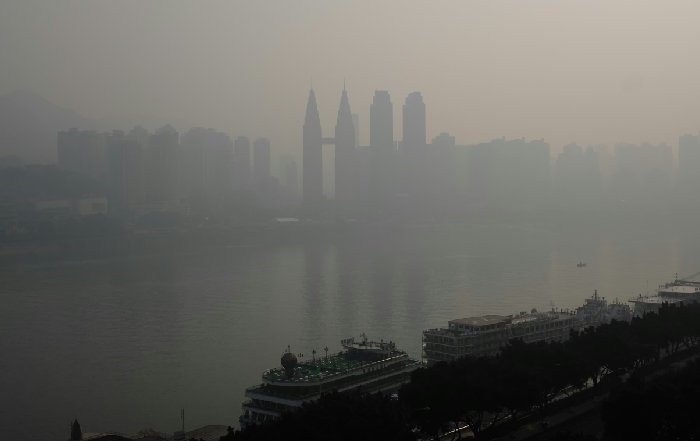
As global business leaders, health professionals, and policymakers increasingly recognize the strategic value of human performance, the quality of the air people breathe has moved from a niche environmental concern to a central determinant of vitality, productivity, and long-term wellbeing. For the global awesome audience of WellNewTime, which spans wellness enthusiasts, executives, entrepreneurs, and professionals across North America, Europe, Asia, Africa, and South America, air quality is no longer an abstract environmental metric; it is a daily performance variable that shapes how clearly they think, how deeply they sleep, how effectively they work, and how resilient they remain in the face of chronic stress and rapid change.
This shift is driven by a growing body of evidence from organizations such as the World Health Organization (WHO) and the U.S. Environmental Protection Agency (EPA), which shows that poor air quality contributes to millions of premature deaths annually and is closely linked to cardiovascular disease, respiratory illness, cognitive decline, and reduced workplace productivity. Readers who follow emerging trends in global health and wellness increasingly understand that vitality is not only a function of diet, exercise, and mindset, but also a direct reflection of the invisible air ecosystems that surround homes, offices, gyms, spas, and urban environments.
Air Quality as a Foundation of Modern Wellness
The modern wellness movement has often focused on nutrition, movement, and mental health, yet air remains the most continuous and non-negotiable input into the human body. An individual can survive weeks without food and days without water, but only minutes without air, which makes air quality a foundational pillar of any serious wellness strategy. As cities in the United States, Europe, and Asia confront recurring episodes of smog, wildfire smoke, and traffic-related pollution, wellness-oriented consumers and businesses are starting to treat clean air as a premium resource and a differentiator of quality of life.
Studies summarized by the WHO on their resources about ambient air pollution and health indicate that even modest increases in fine particulate matter (PM2.5) and nitrogen dioxide are associated with higher rates of stroke, heart disease, lung cancer, and chronic obstructive pulmonary disease. For the wellness and beauty sectors in cities such as London, New York, Berlin, Toronto, Sydney, Paris, and Singapore, this has created a new imperative to integrate air-aware practices into spa design, skin treatments, and recovery protocols, recognizing that the skin and respiratory system are constantly interacting with airborne pollutants that accelerate aging and undermine vitality.
At WellNewTime, where wellness, beauty, and lifestyle intersect, this means that discussions about self-care, longevity, and performance increasingly incorporate indoor air quality, ventilation, and filtration as core recommendations, alongside more traditional guidance on sleep hygiene, nutrition, and exercise.
The Business Case: Productivity, Performance, and Risk
For business leaders and workplace strategists, air quality is emerging as a measurable driver of productivity, cognitive performance, and operational risk management. Research highlighted by Harvard T.H. Chan School of Public Health through its work on healthy buildings and cognitive function has demonstrated that better ventilation and lower levels of indoor pollutants can significantly improve decision-making, response times, and strategic thinking, especially in knowledge-intensive roles common in finance, technology, consulting, and creative industries.
In global business hubs such as New York, London, Frankfurt, Toronto, Singapore, Tokyo, and Seoul, companies are beginning to treat indoor air quality as part of their human capital strategy rather than a mere facilities issue. By aligning with frameworks from organizations like the International WELL Building Institute (IWBI), which promotes standards for healthier buildings through the WELL Building Standard, forward-thinking organizations are investing in advanced filtration, real-time monitoring, and design strategies that reduce exposure to volatile organic compounds, particulates, and carbon dioxide buildup.
For readers of WellNewTime who follow business and workplace trends, this evolution underscores a broader shift: vitality is now a strategic asset. Companies that provide clean, well-ventilated, and low-pollution workplaces not only reduce absenteeism and healthcare costs, but also enhance cognitive performance, talent attraction, and employer branding, particularly among younger professionals in the United States, Europe, and Asia who increasingly assess employers based on wellbeing and sustainability credentials.
Urbanization, Climate, and the New Geography of Air
The global geography of air quality is being reshaped by rapid urbanization, climate change, and evolving industrial patterns. In Asia and parts of Africa and South America, fast-growing megacities face persistent challenges from traffic emissions, industrial activity, and construction dust, while cities in North America, Europe, and Australia are grappling with seasonal wildfire smoke and heat-related ozone spikes. Resources such as the IQAir World Air Quality Report and the European Environment Agency's air quality data provide detailed, country-level insights that show how exposure patterns differ across regions like Germany, France, Italy, Spain, the Netherlands, Sweden, Norway, Denmark, the United Kingdom, Canada, and the United States.
Climate change is intensifying many of these patterns by lengthening wildfire seasons, exacerbating heatwaves that increase ground-level ozone, and altering wind and precipitation patterns that would otherwise disperse pollutants. For environmentally conscious readers tracking sustainability and climate news, it is becoming clear that air quality and climate resilience are deeply intertwined; efforts to decarbonize energy systems, electrify transport, and redesign cities for active mobility not only reduce greenhouse gas emissions but also deliver immediate, tangible improvements in local air quality and human vitality.
This interdependence is particularly evident in cities such as Los Angeles, London, Beijing, Delhi, and Johannesburg, where investments in public transit, low-emission zones, and green infrastructure are being justified as both climate and public-health measures. As global organizations like the United Nations Environment Programme (UNEP) promote integrated solutions through initiatives like their air pollution and climate campaigns, business leaders and consumers are beginning to understand that clean air is both a moral imperative and a competitive advantage for regions seeking to attract talent, tourism, and investment.
Indoor Air: The Hidden Frontier of Personal Vitality
While urban smog and traffic emissions receive much public attention, the majority of human exposure to air pollutants occurs indoors, where people in developed economies often spend 85-90 percent of their time. Homes, offices, gyms, hotels, and wellness centers can accumulate pollutants from building materials, cleaning products, cooking, heating systems, and inadequate ventilation. The U.S. Environmental Protection Agency provides detailed guidance on indoor air quality and pollutants, highlighting risks such as radon, mold, particulate matter, and volatile organic compounds.
For the wellness-focused audience of WellNewTime, this indoor dimension is particularly relevant to spaces associated with relaxation, recovery, and performance. In massage studios, yoga centers, spas, and beauty clinics, where clients expect restorative experiences, suboptimal air quality can undermine the very outcomes these services aim to deliver. Integrating high-efficiency particulate air (HEPA) filtration, low-emission materials, and adequate ventilation into massage and spa environments can enhance both perceived and physiological benefits, reinforcing the value of professional massage and bodywork as part of a holistic vitality strategy.
Similarly, in fitness centers and high-intensity training studios, where respiration rates increase and users inhale more deeply, the quality of indoor air becomes a critical determinant of performance, recovery, and respiratory health. Owners and operators who align with international best practices, such as those shared by the American Society of Heating, Refrigerating and Air-Conditioning Engineers (ASHRAE) on ventilation and indoor air standards, are positioning their facilities as safer, higher-performing environments for athletes, executives, and wellness seekers alike.
Air Quality, Physical Fitness, and Recovery
Physical vitality is shaped not only by training load, nutrition, and sleep, but also by the purity and composition of the air that athletes and everyday exercisers inhale before, during, and after activity. Research summarized by organizations such as The Lancet and professional sports medicine bodies has shown that exposure to particulate pollution during endurance exercise can increase systemic inflammation, impair lung function, and reduce performance, particularly in endurance sports and outdoor training.
For readers interested in fitness and performance, this has practical implications for training schedules, location choices, and recovery strategies. In cities with variable air quality, such as Los Angeles, Mexico City, Beijing, and Bangkok, athletes increasingly consult real-time air quality indices, such as those provided by the World Air Quality Index Project on its global AQI map, to time outdoor runs or cycling sessions for periods of lower pollution. In colder climates like Canada, the Nordic countries, and parts of Germany and Switzerland, wintertime indoor training may expose individuals to poorly ventilated spaces, making investment in air purification and ventilation as important as equipment or coaching.
Recovery modalities such as massage, sauna, and contrast therapy, which are frequently discussed within the WellNewTime community, gain additional relevance when contextualized within air quality considerations. Ensuring that recovery spaces are low in airborne pollutants, fragrances, and irritants can support respiratory health and autonomic balance, helping the body to down-regulate from stress and exertion more effectively. For performance-oriented professionals and executives, this integration of air-aware fitness and recovery planning represents a sophisticated approach to sustaining high levels of energy and focus over the long term.
Beauty, Skin Health, and the Aesthetics of Clean Air
The link between air quality and vitality is also visible in the mirror. Dermatologists and cosmetic scientists have increasingly documented the impact of urban pollution on skin aging, pigmentation, barrier function, and inflammatory conditions such as acne and eczema. Studies referenced by organizations like the British Association of Dermatologists and the American Academy of Dermatology show that airborne particulates and polycyclic aromatic hydrocarbons can adhere to the skin's surface, generating oxidative stress and accelerating the appearance of fine lines, dullness, and uneven tone.
For readers who follow beauty and skincare insights, this has led to the rise of "anti-pollution" skincare formulations featuring antioxidants, barrier-supporting ingredients, and gentle cleansers designed to remove urban grime without compromising the skin's microbiome. However, truly addressing pollution-related skin aging requires more than topical products; it calls for a comprehensive lifestyle approach that includes clean indoor environments, strategic use of air purifiers, and urban design that increases access to green spaces and tree cover, which can help filter pollutants and provide microclimates of cleaner air.
In beauty capitals like Paris, Milan, Seoul, Tokyo, London, and New York, brands and clinics are beginning to differentiate themselves by emphasizing air-aware treatments, such as facials specifically designed for clients exposed to heavy pollution and protocols that combine skincare with breathwork and relaxation in purified environments. This convergence of beauty, wellness, and environmental design aligns closely with the editorial focus of WellNewTime, which views external radiance as a reflection of internal health and environmental conditions.
Mental Clarity, Mood, and Cognitive Resilience
Air quality exerts a subtle yet profound influence on mental clarity, emotional balance, and cognitive resilience. Elevated levels of particulate matter and nitrogen dioxide have been associated with higher rates of depression, anxiety, and cognitive decline, as documented in research summarized by the National Institutes of Health (NIH) and mental health organizations worldwide. In parallel, elevated carbon dioxide levels in poorly ventilated rooms can reduce alertness, impair concentration, and increase the subjective sense of fatigue, even when individuals are otherwise well-rested.
For readers interested in mindfulness, mental performance, and stress management, this connection suggests that meditation, deep work, and strategic thinking sessions are most effective when conducted in environments with fresh, clean air, natural light, and minimal pollutants. Mindfulness practices that include awareness of breath can be particularly powerful when paired with intentional environmental design, such as opening windows where outdoor air is clean, using plants judiciously to enhance perceived air quality, and integrating quiet, well-ventilated spaces into homes and offices.
Organizations like Mind in the United Kingdom and the American Psychological Association have begun to highlight environmental factors, including air quality, as contributors to mental wellbeing, reinforcing the idea that psychological resilience is not only a matter of mindset but also of physical context. For global professionals who spend long hours in meeting rooms, co-working spaces, and aircraft cabins, proactively seeking environments with better air quality can be a subtle yet powerful way to protect cognitive performance and emotional stability.
Travel, Hospitality, and the Experience of Place
As international travel resumes and evolves in 2026, air quality has become a key consideration for business travelers, wellness tourists, and digital nomads who prioritize vitality and performance on the road. Cities in Asia, Europe, North America, and beyond now vary widely in their air quality profiles, with some destinations investing heavily in low-emission transport, green infrastructure, and monitoring systems, while others continue to struggle with industrial emissions and traffic congestion.
Travelers who follow WellNewTime's travel and lifestyle coverage are increasingly using real-time air quality apps and government resources, such as the UK Met Office air quality forecasts and the Government of Canada's Air Quality Health Index, to plan trips, select accommodations, and time outdoor activities. Hotels, wellness resorts, and retreat centers that can demonstrate superior indoor air quality through certifications, filtration systems, and transparent monitoring are gaining a competitive edge among discerning guests who view clean air as part of the luxury and wellbeing experience.
For the hospitality and tourism sectors, this trend intersects with broader sustainability and ESG expectations. Properties that invest in low-emission operations, green building standards, and partnerships with local environmental initiatives can credibly position themselves as guardians of guest vitality, enhancing both brand value and guest loyalty. This is particularly true in wellness-focused destinations in Thailand, Bali, New Zealand, the Mediterranean, and the Nordic countries, where natural landscapes and perceived purity of environment are central to the travel proposition.
Innovation, Data, and the Future of Air-Aware Living
The convergence of sensor technology, data analytics, and health science is transforming how individuals, businesses, and cities understand and manage air quality. Affordable sensors integrated into smartphones, wearables, and building management systems are making it possible to monitor indoor and outdoor air quality in real time, correlate exposure with symptoms or performance metrics, and adjust behavior or systems accordingly. This emerging ecosystem aligns closely with the innovation-driven perspective of WellNewTime, which tracks how technology reshapes health, business, and lifestyle.
Technology companies, building-management firms, and health startups across the United States, Europe, and Asia are developing solutions that range from AI-driven ventilation control systems to personalized exposure dashboards that help users understand how daily routines affect their respiratory and cognitive health. Organizations such as the World Economic Forum (WEF) have highlighted these developments in their discussions on smart cities and clean air, emphasizing that air quality is becoming a core metric of urban competitiveness and liveability.
For employers, property developers, and city planners, this data-rich environment enables more targeted interventions, such as adjusting traffic flows, optimizing building ventilation, or prioritizing green infrastructure in neighborhoods with the highest exposure. For individuals, it offers the opportunity to make more informed choices about commuting routes, exercise times, and indoor environments, integrating air awareness into daily decision-making in the same way that many people now track steps, sleep, and heart rate.
Building a Culture of Air-Aware Vitality
The vital link between air quality and vitality calls for a cultural shift that extends beyond regulations and technologies to encompass personal habits, organizational norms, and societal values. For the global community of WellNewTime, which spans interests in wellness, business, fitness, beauty, travel, and innovation, this means recognizing clean air as a shared resource and a shared responsibility that directly influences individual performance and collective prosperity.
At the personal level, cultivating air-aware habits might include checking local air quality indices before outdoor exercise, investing in appropriate filtration for homes and offices where necessary, choosing fragrance-free and low-emission household products, and advocating for smoke-free, well-ventilated public spaces. At the organizational level, leaders can integrate air quality metrics into workplace design, ESG reporting, and employee wellbeing programs, treating clean air as a core element of health, safety, and performance rather than a peripheral concern.
At the societal level, supporting policies that reduce emissions, promote clean energy, and enhance urban greenery can yield rapid, measurable benefits for public health, economic productivity, and quality of life, particularly in densely populated regions of Asia, Europe, and North America. Resources from the OECD on air quality and economic impacts and from national environmental agencies in countries such as Germany, the United Kingdom, and Japan provide compelling evidence that investments in clean air deliver high returns in terms of reduced healthcare costs and enhanced labor productivity.
As WellNewTime continues to explore the intersections of news, brands, and lifestyle for a global readership, the message is clear: vitality in the 2020s and beyond will increasingly depend on the invisible yet powerful variable of air quality. By integrating scientific insight, technological innovation, and thoughtful design into homes, workplaces, and cities, individuals and organizations can unlock higher levels of energy, clarity, and resilience, transforming clean air from an overlooked backdrop into a deliberate, strategic foundation of modern life.
For readers who view wellness not as a luxury but as a prerequisite for meaningful work, fulfilling relationships, and sustainable success, embracing air-aware living is a natural next step. In an era defined by complexity and rapid change, the air that surrounds us-whether in New York, London, Berlin, Toronto, Sydney, Singapore, Tokyo, Cape Town, São Paulo, or beyond-may be one of the most powerful and accessible levers for enhancing human vitality, and it is a lever that the WellNewTime community is uniquely positioned to understand, champion, and put into daily practice.