

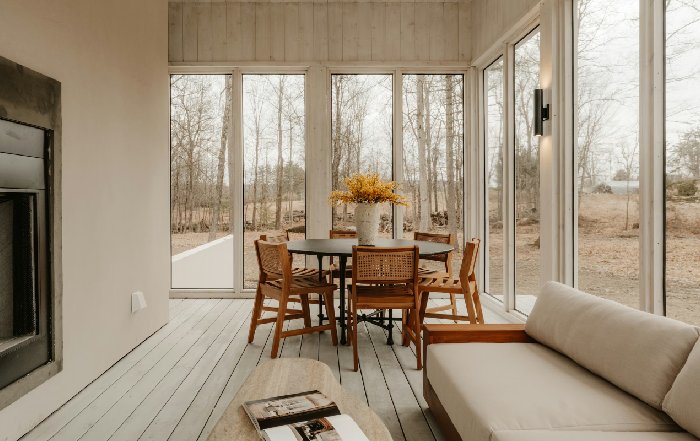
The Growing Allure of Minimalist Living
Minimalism Moves Mainstream
Wow minimalist living has shifted from a niche lifestyle trend into a global movement reshaping how people work, consume, travel and care for their health and the environment, and for readers of wellnewtime.com, this evolution is not an abstract cultural shift but a lived reality that touches daily choices in wellness, business, beauty, travel and personal development. Across North America, Europe, Asia-Pacific and emerging urban centers in Africa and South America, younger professionals and seasoned executives alike are re-evaluating what constitutes success, replacing accumulation with intentionality and prioritizing time, health and meaning over the relentless pursuit of more.
This transformation has been accelerated by economic uncertainty, the rise of remote and hybrid work, rapid advances in digital tools and a growing awareness of climate risk, and reports from organizations such as the World Economic Forum indicate that well-being, flexibility and purpose now rank alongside salary in defining career satisfaction; readers who explore business and workplace trends on wellnewtime.com will recognize how closely minimalist principles align with these emerging priorities. Minimalism, once associated mainly with stark interiors and capsule wardrobes, has matured into a holistic philosophy that informs financial decisions, mental health strategies, corporate sustainability efforts and even national policy debates in leading economies such as the United States, Germany, the United Kingdom, Japan and Singapore.
The Psychological Foundations of Owning Less
Modern psychology provides a compelling explanation for why minimalist living resonates so strongly in 2026, as research from institutions like Harvard Medical School and the American Psychological Association has repeatedly highlighted the cognitive cost of clutter, documenting how excess possessions, constant notifications and information overload can elevate stress hormones, fragment attention and undermine long-term goal pursuit. Readers interested in mental well-being can explore complementary perspectives in the mindfulness coverage at wellnewtime.com, which frequently underscores similar themes of focus, presence and deliberate choice.
Minimalism offers a structured response to this overload by inviting individuals to audit their physical and digital environments through the lens of usefulness, joy and alignment with personal values, and by systematically removing non-essential items, commitments and distractions, people create conditions that support sustained concentration, higher-quality relationships and more restorative rest. Studies summarized by the National Institutes of Health and the Mayo Clinic suggest that such intentional simplification can reduce anxiety symptoms, improve sleep hygiene and encourage healthier routines, particularly when combined with regular exercise and balanced nutrition that many readers associate with health and wellness insights on wellnewtime.com.
Importantly, the psychological appeal of minimalism is not rooted in deprivation but in autonomy; for professionals in cities from New York and London to Singapore and Sydney, the act of choosing what to exclude from their lives-whether that is unnecessary meetings, impulse purchases or digital noise-restores a sense of control that many felt slipping away during the hyper-connected 2010s and early 2020s. This shift toward intentional living aligns with a broader movement in positive psychology, where institutions like the Greater Good Science Center at UC Berkeley emphasize meaning, relationships and contribution as lasting sources of fulfillment that outpace material accumulation.
Minimalist Living and Holistic Wellness
For the global audience of wellnewtime.com, the connection between minimalist living and wellness is particularly tangible, as the same principles that guide the decluttering of a wardrobe can be applied to nutrition choices, movement routines and stress management practices. Health authorities such as the World Health Organization and Public Health England have increasingly framed well-being as a product of environments and habits rather than isolated medical interventions, which dovetails with the minimalist preference for designing supportive systems rather than relying on willpower alone.
Minimalist wellness emphasizes quality over quantity in all dimensions, encouraging individuals to favor a small number of sustainable, evidence-based practices-such as regular strength training, moderate cardiovascular activity, consistent sleep schedules and mindful breathing-over constantly chasing the next trend or miracle supplement, and readers can deepen their understanding of such approaches through the wellness resources maintained by wellnewtime.com. In practice, this might mean simplifying a crowded supplement shelf down to a few clinically validated essentials, replacing multiple overlapping fitness apps with a single program that aligns with personal goals, or committing to a short but daily meditation routine instead of sporadic, intensive retreats.
The rise of minimalist wellness is also visible in the design of contemporary fitness and spa environments across Europe, North America and Asia, where studios in cities like Berlin, Toronto, Seoul and Copenhagen increasingly favor natural materials, subdued color palettes and uncluttered spaces that promote calm and focus. This aesthetic is not purely stylistic; evidence from environmental psychology, including findings shared by the American Institute of Architects, indicates that well-designed minimalist spaces can reduce perceived stress, support better posture and encourage deeper breathing, which in turn enhances the benefits of practices such as yoga, Pilates and massage therapy. Readers exploring massage and recovery topics on wellnewtime.com will recognize how these environments complement hands-on therapies by reducing sensory overload and creating a sense of sanctuary.
Beauty, Self-Care and the Rise of the Edited Routine
The beauty and personal care sectors have undergone a parallel transformation, with consumers in markets from the United States and Canada to France, Italy, Japan and South Korea increasingly skeptical of overcrowded routines and aggressive marketing claims. Minimalist beauty, often associated with the "skinimalism" trend, prioritizes a short list of high-quality, multi-functional products supported by transparent ingredient lists and credible clinical data, and this shift has been documented by market analysts at McKinsey & Company and Euromonitor International, who report growing demand for streamlined regimens and science-backed formulations.
For the wellnewtime.com audience exploring beauty and personal care, minimalist living offers a framework for evaluating products through the dual lenses of efficacy and ethics; consumers increasingly ask whether an item truly serves their skin or hair's needs, whether its packaging is recyclable or refillable, and whether the brand demonstrates responsible sourcing and fair labor practices. Organizations such as the Environmental Working Group and the Campaign for Safe Cosmetics have helped raise awareness of ingredient safety and environmental impact, further empowering individuals to curate smaller but more thoughtful collections of products.
This movement has been reinforced by dermatologists and cosmetic scientists who caution against over-exfoliation, product layering overload and unverified social media trends, and leading clinics from Cleveland Clinic to Mayo Clinic have published guidance advocating for gentle cleansing, targeted actives and consistent sun protection as the core of a sustainable routine. As a result, minimalist beauty aligns closely with both dermatological best practices and broader sustainability goals, reducing bathroom clutter, packaging waste and unnecessary spending while supporting healthier skin and a more intentional relationship with self-care.
Minimalism at Work: Productivity, Burnout and Business Value
In the world of work and business, minimalist principles are reshaping how organizations structure teams, design workplaces and evaluate success, with leaders in the United States, the United Kingdom, Germany, Singapore and Australia particularly active in experimenting with leaner, more focused operating models. The pandemic-era shift to remote and hybrid work exposed the inefficiencies of meeting-heavy cultures and fragmented workflows, prompting many companies to streamline processes, reduce bureaucratic layers and prioritize high-impact initiatives; management consultancies such as Boston Consulting Group and Deloitte have documented how organizations that cut low-value activities and focus on core strengths often achieve better financial performance and higher employee engagement.
For professionals following business insights on wellnewtime.com, minimalist living provides a lens for personal productivity and career design, encouraging the deliberate selection of projects, roles and collaborations that align with long-term goals and values. Concepts like "deep work," popularized by computer science professor Cal Newport, have gained traction in boardrooms and co-working spaces from New York to Stockholm and Singapore, as executives recognize that uninterrupted concentration on a few critical tasks often yields greater value than constant multitasking and reactive communication.
Minimalism also intersects with the global conversation on burnout, a phenomenon recognized by the World Health Organization as an occupational syndrome; by setting clearer boundaries, reducing digital clutter, limiting unnecessary meetings and embracing asynchronous communication, both individuals and organizations can design workdays that respect cognitive limits and support recovery. Tech companies in hubs such as San Francisco, London and Berlin are increasingly experimenting with meeting-free days, focused work blocks and simplified tool stacks, while human resources leaders draw on research from institutions like Stanford University and INSEAD to craft policies that balance performance with well-being.
Environmental Sustainability and the Ethics of Consuming Less
Minimalist living is deeply intertwined with environmental consciousness, and by 2026, the climate implications of consumption have become impossible to ignore for citizens across Europe, Asia, North America, Africa and South America. Reports from the Intergovernmental Panel on Climate Change (IPCC) and agencies such as the United Nations Environment Programme have highlighted the outsized role of material production, transportation and waste in global emissions, prompting governments and businesses to promote circular economy models, extended producer responsibility and sustainable design. For readers exploring the environment section of wellnewtime.com, minimalism appears not merely as a personal preference but as a practical contribution to planetary health.
By choosing to own fewer but higher-quality items, extending product lifespans through repair, favoring second-hand markets and sharing resources via community libraries or digital platforms, individuals can significantly reduce their personal environmental footprint; organizations such as the Ellen MacArthur Foundation and Greenpeace have illustrated how shifting from a linear "take-make-waste" model to a circular one requires both systemic change and consumer participation. Countries such as Sweden, Denmark, the Netherlands and Germany have pioneered policies that incentivize repair and reuse, while cities from Amsterdam to Vancouver experiment with zoning and tax structures that support sharing economies and local production.
Minimalism also influences housing choices, as more people in the United States, Canada, Japan, New Zealand and beyond embrace smaller, energy-efficient homes, co-living arrangements or flexible modular spaces that reduce resource use without compromising comfort. Architectural movements emphasizing passive design, renewable materials and compact footprints align with guidance from organizations like the U.S. Green Building Council and World Green Building Council, and these trends are increasingly visible in urban developments highlighted in world and lifestyle coverage at wellnewtime.com, where design, sustainability and quality of life intersect.
Global and Cultural Dimensions of Minimalist Living
While minimalism is often associated with Scandinavian design or Japanese aesthetics, by 2026 it has evolved into a multifaceted, globally inflected phenomenon, shaped by cultural values and economic realities across continents. In Japan, concepts such as "ma" (the space between) and "wabi-sabi" (the beauty of imperfection) continue to influence minimalist interiors and product design, while authors like Fumio Sasaki and the earlier work of Marie Kondo have inspired decluttering movements in the United States, the United Kingdom and beyond. In Nordic countries such as Sweden, Norway, Denmark and Finland, minimalism is closely linked to social democratic values, environmental stewardship and the search for work-life balance, with lifestyle frameworks like "lagom" (just enough) encouraging moderation and sufficiency.
In rapidly urbanizing regions of Asia, Africa and South America, minimalist living often emerges less from aesthetic preference and more from pragmatic responses to limited space, high housing costs and resource constraints, yet many residents in cities like Singapore, Bangkok, São Paulo and Johannesburg have transformed compact apartments into exemplars of functional, beautiful simplicity. International design media and platforms such as Dezeen and Architectural Digest have helped circulate these ideas, while local architects and entrepreneurs adapt them to regional climates, materials and cultural norms.
For the diverse audience of wellnewtime.com, spanning readers in the United States, Canada, the United Kingdom, Germany, France, Italy, Spain, the Netherlands, Switzerland, China, South Korea, Japan, Thailand, South Africa, Brazil, Malaysia, Australia and New Zealand, minimalist living can therefore look very different depending on context; yet the underlying themes of intentionality, respect for resources and prioritization of well-being over status resonate across borders. As global media and digital communities continue to share case studies and personal stories, minimalism is likely to become less of a monolithic style and more of a flexible toolkit that individuals and businesses adapt to their own cultural and economic landscapes.
Travel, Mobility and the Minimalist Journey
The travel sector offers another lens through which to observe the growing allure of minimalism, particularly for readers who follow travel features on wellnewtime.com and seek experiences that prioritize depth over volume. Frequent travelers in Europe, North America and Asia have increasingly embraced carry-on-only packing, capsule wardrobes and digital documentation, not only to avoid baggage fees and delays but also to reduce decision fatigue and increase mobility. Platforms such as Lonely Planet and National Geographic Travel have highlighted journeys that focus on slow travel, local immersion and low-impact transportation, reflecting a shift away from checklist tourism toward more meaningful engagement.
Minimalist travel also intersects with sustainability, as organizations like the International Air Transport Association (IATA) and UNWTO encourage travelers to consider the carbon footprint of their choices, favoring rail over short-haul flights where possible, choosing eco-certified accommodations and supporting local businesses rather than mass-produced souvenirs. For digital nomads and remote workers in hubs such as Lisbon, Bali, Chiang Mai and Mexico City, living and working with a relatively small set of possessions has become a practical necessity and a philosophical choice, enabling greater flexibility and lowering the cost of experimentation with different lifestyles and locations.
This mobility-focused minimalism has influenced product design as well, with brands in Europe, North America and Asia producing versatile, durable luggage, multi-purpose clothing and compact tech accessories tailored to travelers who prioritize function, longevity and repairability. As more professionals structure their careers to include extended sabbaticals, workations or location-independent roles, the ability to thrive with fewer belongings and a streamlined digital setup becomes not just a preference but a competitive advantage in the evolving global job market, a topic often explored in the jobs and careers section of wellnewtime.com.
Innovation, Digital Minimalism and the Future of Consumption
Technological innovation has played a paradoxical role in the rise of minimalism, both enabling and complicating efforts to live with less, and by 2026, a growing number of individuals, startups and established companies are experimenting with "digital minimalism" as a complement to physical decluttering. Research from MIT, Oxford Internet Institute and other academic centers has documented the cognitive and emotional toll of constant connectivity, prompting designers and engineers to develop tools that encourage focused use, limit distractions and surface only the most relevant information at a given time.
For readers interested in innovation and emerging trends on wellnewtime.com, digital minimalism represents a frontier where user experience design, behavioral science and ethics converge. Operating systems now commonly include focus modes, notification summaries and app time limits, while some social platforms experiment with features that de-emphasize vanity metrics and infinite scroll; at the same time, privacy advocates and organizations like the Electronic Frontier Foundation warn that true digital minimalism also requires transparency around data collection and algorithmic influence, encouraging users to be as selective with their digital engagements as they are with physical possessions.
In commerce, minimalist values are reshaping product development and branding strategies, with companies across North America, Europe and Asia emphasizing durability, repair services, modular components and timeless design over rapid trend cycles. Analysts at Bloomberg and The Economist have noted a shift in consumer sentiment toward "buying once, buying well," particularly among younger demographics in the United States, the United Kingdom, Germany and South Korea, who balance financial constraints with sustainability concerns. Brands that align with these values and communicate authentically about their supply chains, labor standards and environmental impact are increasingly favored by discerning consumers who consult resources like the brands coverage on wellnewtime.com before making purchases.
Integrating Minimalism into Everyday Life
For the global audience of wellnewtime.com, the growing allure of minimalist living in 2026 is less about aspiring to a perfectly curated aesthetic and more about making a series of practical, values-driven decisions across wellness, work, beauty, travel and home life. In practice, this might involve establishing a weekly routine for reviewing calendar commitments and declining non-essential obligations, simplifying fitness and nutrition plans to focus on evidence-based fundamentals, consolidating digital tools to reduce fragmentation, or adopting a one-in, one-out policy for clothing and household items to prevent clutter from re-accumulating.
Minimalism also invites reflection on lifestyle narratives and social expectations, encouraging individuals and organizations to question whether bigger homes, longer hours, more possessions or faster growth truly translate into better lives or more resilient businesses. As readers explore the interconnected themes of lifestyle, fitness, wellness and global news through wellnewtime.com, many will recognize that the most sustainable and satisfying choices often share a common thread of intentional simplicity, where resources-time, money, attention and energy-are allocated with care rather than by default.
Looking ahead, the continued evolution of minimalist living will likely be shaped by technological advances, regulatory changes, economic cycles and cultural creativity across continents, yet the core appeal remains remarkably stable: in an era defined by abundance of information, options and stimuli, the ability to discern what truly matters and design a life around those priorities is a rare and valuable skill. For businesses, policymakers and individuals from New York to London, Berlin to Singapore, São Paulo to Johannesburg, embracing elements of minimalism may prove to be not only a path to personal well-being but also a strategic response to the environmental, social and economic challenges of the coming decade.
As wellnewtime.com continues to chronicle developments in wellness, business, beauty, environment, travel and innovation, minimalist living will remain a central, unifying theme, offering readers a practical framework for navigating complexity with clarity, purpose and trust in their own considered choices.