

Lifestyle Innovations Reshaping Healthier Daily Routines
A New Phase in the Architecture of Everyday Life
Lifestyle innovation has progressed from an experimental phase into a defining architecture of everyday life, reshaping how people across continents work, move, eat, rest, and connect. For the global audience of wellnewtime.com, spanning wellness, business, fitness, beauty, health, travel, environment, and innovation, this shift is not about chasing novelty for its own sake; it is about constructing a stable, evidence-informed daily structure that can support physical vitality, mental clarity, emotional balance, and sustainable prosperity in an era marked by geopolitical uncertainty, rapid technological transformation, and persistent public health pressures. Whether in the United States, United Kingdom, Germany, Canada, Australia, France, Italy, Spain, the Netherlands, Switzerland, China, Singapore, Japan, South Korea, South Africa, Brazil, or emerging hubs across Asia, Africa, and South America, individuals and organizations are now treating lifestyle design as a strategic discipline rather than a personal afterthought.
This evolution is being driven by the convergence of behavioral science, digital health, organizational psychology, environmental design, and longevity research, with leading institutions such as Harvard T.H. Chan School of Public Health and the World Health Organization (WHO) continuing to emphasize how everyday habits influence chronic disease risk, mental health outcomes, and healthy life expectancy. At the same time, technology developers in North America, Europe, and Asia are embedding wellbeing features directly into the tools people rely on every hour, from smartphones and wearables to collaboration platforms and smart homes. For readers turning to the Wellnewtime wellness hub, the central question in 2026 is no longer whether lifestyle innovation matters, but how to translate a complex, global stream of research and products into simple, coherent routines that genuinely fit personal values, cultural norms, and work realities.
From Wellness Concept to Operational Daily Practice
The last several years have cemented wellness as a non-negotiable operational priority for individuals, employers, and policymakers. Rising levels of burnout, anxiety, metabolic disorders, and musculoskeletal issues, amplified by hybrid work and digital overload, have made it clear that fragmented self-care cannot offset the cumulative strain of modern life. Frameworks such as the WHO's guidance on physical activity and mental health, alongside recommendations from national bodies like the National Institute of Mental Health (NIMH) in the United States, have reinforced the principle that sustainable wellbeing is built through consistent, modest actions repeated daily rather than sporadic, intensive interventions. Readers exploring the health section of Wellnewtime increasingly encounter this shift: the focus has moved from one-off "fixes" to integrated strategies that address sleep, stress, nutrition, movement, and social connection in a unified way.
For organizations, this has become a question of Experience, Expertise, Authoritativeness, and Trustworthiness. Corporations in finance, technology, manufacturing, hospitality, and professional services are no longer satisfied with superficial wellness perks; they are partnering with clinical experts, behavioral scientists, and reputable wellness brands to design programs that are evidence-based, measurable, and inclusive across geographies and job roles. Many of these initiatives align with guidance from authorities such as the U.S. Centers for Disease Control and Prevention and the National Health Service (NHS) in the UK, integrating health literacy, preventive screenings, and mental health resources into everyday workflows. For the wellnewtime.com community, this institutionalization of wellness creates an important opportunity but also a responsibility: to evaluate which programs genuinely improve daily life and which merely rebrand old practices without substantive impact.
Digital Health Ecosystems as the Nervous System of Daily Routines
By 2026, digital health has matured into a multilayered ecosystem that quietly orchestrates many aspects of daily life. Wearables from companies such as Apple, Garmin, Samsung, and Fitbit (under Google) have evolved into continuous monitoring platforms, capturing heart rate variability, sleep architecture, respiratory patterns, menstrual cycles, and early signals of stress or infection, while integrating with telehealth services and electronic health records in ways that were only partially realized a few years earlier. These devices increasingly draw on clinical frameworks and population-level data from organizations like the National Institutes of Health and Mayo Clinic, helping users interpret complex metrics in plain language and nudging them toward actionable changes such as adjusting sleep windows, moderating training intensity, or scheduling preventive consultations.
For busy professionals in New York, London, Berlin, Singapore, Seoul, Tokyo, Toronto, Sydney, and beyond, such tools now function as a personal health operating system, quietly synchronizing with calendars, lighting, nutrition apps, and even office access systems to create subtle but powerful behavioral cues. Telehealth services supported by leading providers such as Cleveland Clinic and Johns Hopkins Medicine offer same-day access to primary care, mental health counseling, physiotherapy, and specialist opinions, reducing friction and making preventive care more realistic for people with demanding schedules. Within this crowded market, however, the risk of misinformation, privacy breaches, and overpromising remains significant, which is why editorial teams and expert contributors at wellnewtime.com devote increasing attention to helping readers distinguish between clinically grounded digital tools and those that lack robust validation.
Mindfulness and Mental Fitness as Core Performance Infrastructure
Mental fitness has moved decisively into the mainstream, with mindfulness and related practices now recognized as core infrastructure for performance, leadership, and long-term health. Research from institutions including University of Oxford, Stanford Medicine, and Massachusetts General Hospital continues to demonstrate that mindfulness-based interventions can reduce stress, support emotion regulation, and enhance cognitive flexibility, while emerging studies explore their impact on decision-making and creativity in high-stakes environments. Summaries and position papers from organizations such as the American Psychological Association have helped translate these findings into practical guidance for workplaces, schools, and healthcare systems.
In 2026, mindfulness is increasingly embedded into the fabric of daily routines rather than confined to isolated meditation sessions. Context-aware apps and workplace platforms deliver brief, targeted prompts before negotiations, presentations, or complex problem-solving tasks, encouraging short breathing exercises, body scans, or reframing techniques that fit into one or two minutes. For readers engaging with Wellnewtime's mindfulness coverage, this shift reframes mental fitness as a trainable capability comparable to physical strength or cardiovascular endurance. Corporate leaders across North America, Europe, and Asia are integrating mental fitness into leadership development, recognizing that focus, empathy, and resilience are now core business competencies and essential safeguards against burnout in knowledge-intensive roles.
Massage, Recovery, and the Science of Restorative Bodywork
Massage and therapeutic bodywork have entered a new phase of scientific validation and structured integration into wellbeing strategies. Traditional practices from Thailand, Japan, Sweden, and Brazil are being re-examined and refined in light of research from institutions such as Mayo Clinic and Johns Hopkins Medicine, which have explored the role of massage in pain management, anxiety reduction, circulation, and recovery from both intensive athletic training and sedentary, screen-heavy work. As hybrid work remains a dominant model in 2026, with many professionals alternating between home offices and corporate hubs, the strain on posture, eyesight, and musculoskeletal health has only intensified, making structured recovery practices more important than ever.
In major urban centers across the United States, United Kingdom, Germany, Singapore, and Australia, high-quality studios and integrative health clinics are collaborating with physiotherapists, sports medicine specialists, and occupational health experts to design targeted protocols for specific needs, from tech-neck and lower back pain to pre-event athletic preparation and post-travel recovery. For readers of the Wellnewtime massage section, the emphasis is increasingly on selecting practitioners and facilities that adhere to clinical best practices, robust hygiene standards, and ethical guidelines, rather than choosing solely based on price or ambience. At the same time, the growth of intelligent at-home devices, such as app-guided percussive massagers and sensor-enabled foam rollers, allows individuals to incorporate short, restorative sessions into morning and evening routines, turning recovery into a proactive, measurable component of daily life.
Beauty, Longevity, and the Fusion of Inner and Outer Health
The beauty industry in 2026 is deeply intertwined with longevity science, preventive dermatology, and metabolic health. Leading brands such as L'Oréal, Estée Lauder, and Shiseido, alongside agile innovators in Europe, Asia, and North America, are investing heavily in research on the skin microbiome, barrier function, blue light exposure, pollution, and the systemic factors that influence visible aging. Guidance from authoritative bodies like the American Academy of Dermatology and the British Association of Dermatologists has become central to consumer education, clarifying best practices for sun protection, retinoid use, exfoliation, and early detection of skin cancers or inflammatory conditions.
Consumers in markets from the United States and Canada to France, Italy, Spain, China, and South Korea are increasingly skeptical of unsubstantiated claims and are demanding transparency around ingredients, testing, and sustainability. As a result, beauty routines are being reimagined as holistic protocols that integrate topical care, nutrition, sleep, and stress management. Articles in the Wellnewtime beauty section highlight the growing role of anti-inflammatory dietary patterns, circadian-aligned sleep strategies, and moderate, regular exercise in supporting skin health, hair quality, and biological age markers. The convergence of beauty and health also raises important questions about equity, accessibility, and realistic expectations, and wellnewtime.com increasingly positions itself as a guide that balances aspiration with grounded, science-based advice.
Fitness as a Continuous, Distributed Practice
By 2026, fitness has fully embraced the concept of being distributed throughout the day rather than confined to a single workout block. Research from the World Health Organization and the American College of Sports Medicine has reinforced the understanding that cumulative movement, even in short bouts, can significantly improve cardiovascular function, insulin sensitivity, and mental wellbeing. This has led to the normalization of "movement snacks" integrated into workdays, commutes, and household routines, particularly in countries with high adoption of hybrid work such as the United States, United Kingdom, Germany, the Netherlands, Sweden, and Singapore.
Hybrid fitness models, combining digital platforms, AI-driven coaching, and in-person sessions, are now mainstream in cities from Toronto and Vancouver to Melbourne, Tokyo, and Copenhagen. Connected equipment, computer-vision-based form feedback, and adaptive training plans adjust automatically to sleep quality, stress markers, and travel schedules. For readers following Wellnewtime's fitness coverage, the key challenge is not access to options but the design of realistic, sustainable routines that can survive busy weeks, family obligations, and frequent travel. Employers, especially in technology, consulting, and financial services, are redesigning offices to encourage incidental movement through staircase design, walking routes, standing collaboration zones, and scheduled micro-breaks, aligning with emerging guidance from public health authorities on reducing sedentary time.
Work, Business Culture, and the Economics of Wellbeing
Work culture in 2026 is undergoing a structural redefinition as organizations link wellbeing directly to innovation capacity, talent retention, and risk management. Global employers such as Microsoft, Salesforce, and leading firms across Europe and Asia are integrating wellbeing metrics into their human capital strategies, recognizing that chronic stress and disengagement erode not only individual health but also customer experience and shareholder value. Analyses from bodies such as the World Economic Forum and the OECD have helped quantify the economic cost of poor mental health and preventable chronic disease, making the business case for comprehensive wellbeing investment harder to ignore.
In practice, this has led to broader adoption of flexible scheduling, four-day workweek experiments in some markets, expanded access to mental health services, and stipends for wellness-related expenses such as fitness, massage, therapy, or mindfulness coaching. For professionals following Wellnewtime's business insights, the emerging landscape also presents new career paths in wellbeing strategy, employee experience design, and health data analytics, reflecting the fusion of HR, operations, and health science. At the same time, there is increasing scrutiny of "performative wellness" initiatives that add programs without addressing workload, psychological safety, or leadership behavior, and discerning employees are turning to trusted platforms like wellnewtime.com to differentiate between genuinely health-supportive workplaces and those that rely on surface-level branding.
Sustainable Living and the Health-Environment Nexus
A defining characteristic of lifestyle innovation in 2026 is the recognition that personal health, community resilience, and planetary stability are deeply interconnected. Climate-related events, air pollution, heat waves, and loss of green space are now understood as direct determinants of physical and mental health, a reality documented by organizations such as the United Nations Environment Programme and the European Environment Agency. As a result, individuals and communities from Scandinavia, the Netherlands, and Germany to Singapore, New Zealand, and South Africa are adopting sustainable practices not only for ethical or environmental reasons but as active health strategies.
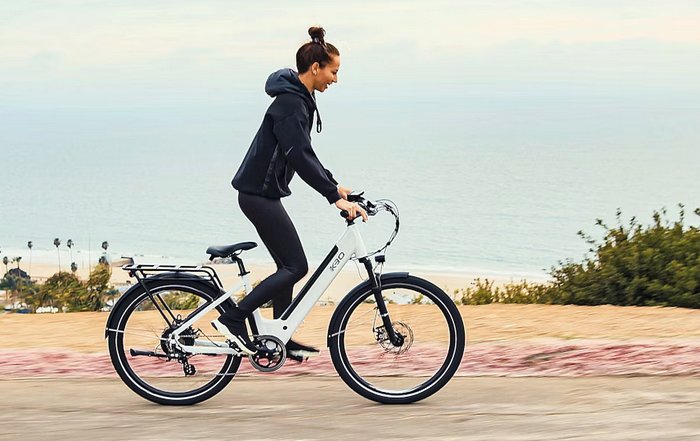
This integrated approach manifests in choices such as cycling or walking for short commutes, prioritizing plant-forward diets, reducing single-use plastics, and supporting buildings that meet high energy-efficiency and indoor air quality standards. For readers interested in the intersection of ecology and wellbeing, the Wellnewtime environment section explores how urban planning, green infrastructure, and public transport networks influence stress, sleep, physical activity, and social cohesion. Businesses embracing circular economy principles, low-emission logistics, and regenerative agriculture are increasingly positioning themselves as guardians of both environmental and public health, and wellnewtime.com regularly examines how these strategies shape brand trust and long-term competitiveness.
Travel, Global Mobility, and Health-Conscious Exploration
International travel in 2026 has stabilized and evolved, with wellness, safety, and sustainability now central to decision-making for travelers from North America, Europe, and Asia-Pacific. Destinations in Italy, Spain, France, Thailand, Japan, South Africa, and Brazil are promoting experiences that combine local healing traditions, nature immersion, cultural learning, and responsible tourism practices. Health-conscious travelers are seeking itineraries that protect sleep, nutrition, and movement routines rather than disrupt them, turning travel into an extension of their lifestyle rather than a temporary suspension of healthy habits.
Guidance from bodies such as the World Tourism Organization (UNWTO) and global health agencies supports safer, more informed mobility, while airlines and hospitality brands experiment with circadian-friendly lighting, healthier menus, air quality monitoring, and recovery-focused amenities. For readers planning trips through Wellnewtime's travel coverage, the emphasis is increasingly on designing journeys that respect local communities, minimize environmental impact, and incorporate realistic practices for jet lag management, hydration, movement, and digital boundaries. Business travelers, in particular, are adopting portable mindfulness practices, compact fitness routines, and structured pre- and post-trip recovery protocols to maintain performance across time zones.
Innovation Ecosystems and the Next Wave of Lifestyle Technology
Behind the visible products and services shaping daily life lies a dense ecosystem of researchers, entrepreneurs, investors, and regulators working to define the next decade of lifestyle innovation. In 2026, hubs such as Silicon Valley, Boston, London, Berlin, Stockholm, Zurich, Singapore, Seoul, Shenzhen, and Tokyo host startups focused on personalized nutrition, continuous metabolic monitoring, hormone health, sleep optimization, reproductive health, and healthy aging. Many of these ventures are collaborating with academic medical centers, regulatory agencies like the European Medicines Agency, and standards bodies to ensure that new offerings meet safety, efficacy, and privacy requirements.
Precision health tools, including continuous glucose monitoring for non-diabetics, at-home hormone and micronutrient testing, and microbiome analysis, are enabling individuals to fine-tune their routines with unprecedented specificity, although interpretation and long-term evidence remain areas where expert guidance is essential. For readers following Wellnewtime's innovation section, the central challenge is to navigate this landscape without succumbing to hype or data overload. wellnewtime.com aims to serve as a discerning intermediary, translating complex research and regulatory developments into practical, trustworthy insights that help users decide which technologies are worth adopting and how to integrate them responsibly into daily life.
Integrating Innovations into Coherent Personal Routines
The abundance of tools, services, and scientific findings available in 2026 can easily become overwhelming if not organized around clear priorities. The individuals and organizations achieving the most sustainable benefits are those who treat lifestyle innovation as a process of careful curation rather than maximal adoption. This often begins with identifying two or three primary goals, such as improving sleep quality, stabilizing energy levels, managing stress, or supporting healthy aging, and then selecting a limited set of practices and technologies that directly support those aims.
For many readers of wellnewtime.com, this integration involves combining digital health tracking with periodic consultations from trusted professionals, embedding mindfulness into workdays, adopting distributed movement and structured fitness sessions, and aligning nutrition and sleep with individual chronobiology. It may also include regular massage or bodywork for recovery, beauty routines rooted in dermatological science, and travel plans designed to reinforce rather than undermine wellbeing. Internal resources across wellnewtime.com, from lifestyle features and news analysis to brand insights, are increasingly organized to help readers see how decisions in one domain influence outcomes in others, enabling the construction of a coherent personal operating system for daily life.
Building a Trustworthy Path Forward for a Global Audience
As lifestyle innovation accelerates in 2026, trust has become the decisive currency. Consumers in the United States, United Kingdom, Germany, Canada, Australia, France, Italy, Spain, the Netherlands, Switzerland, China, Sweden, Norway, Singapore, Denmark, South Korea, Japan, Thailand, South Africa, Brazil, Malaysia, New Zealand, and across emerging regions in Africa, Asia, and South America are demanding transparency about data use, product safety, environmental impact, and scientific backing. Regulatory agencies, professional associations, and independent media outlets are playing increasingly active roles in evaluating claims, setting standards, and exposing risks.
For wellnewtime.com, this environment reinforces a clear mandate: to combine global perspective with rigorous editorial standards, ensuring that coverage reflects current evidence, ethical considerations, and cultural nuance rather than short-lived trends. Experience is built through ongoing engagement with practitioners and users across continents; expertise is grounded in collaboration with qualified professionals and careful monitoring of emerging research; authoritativeness is earned through consistent, accurate, and balanced analysis; and trustworthiness is maintained by prioritizing readers' long-term wellbeing over short-term attention. For a global community navigating complex choices across wellness, massage, beauty, health, news, business, fitness, jobs, brands, lifestyle, environment, world affairs, mindfulness, travel, and innovation, the role of a platform like wellnewtime.com is to serve as a stable, reliable guide.
In 2026, lifestyle innovations supporting healthier daily routines have moved to the center of how societies function and how individuals define success. The task ahead, for both the global audience and the editorial team at wellnewtime.com, is to continue turning knowledge into habit, technology into humane design, and aspiration into daily practice, so that the future of lifestyle is not only more advanced but also more balanced, equitable, and deeply aligned with human and planetary wellbeing.