

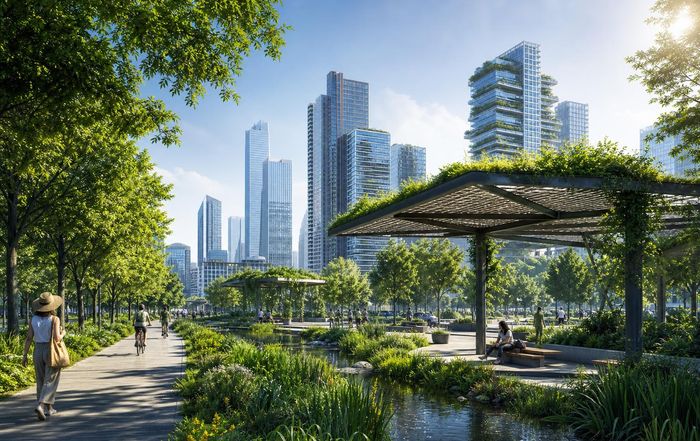
How Heat Resilience Is Rewriting Healthy City Planning
Record-breaking heat is no longer an occasional shock; in many cities it is becoming a defining feature of daily life. Urban planners, public health officials, and community advocates are being forced to rethink what a "healthy city" means when summer temperatures can be dangerous for weeks at a time, nights no longer cool down, and the burden of heat falls hardest on people who already face social and economic disadvantage. This shift is driving a new focus on heat resilience-a mix of design, policy, technology, and social support that allows people and places to withstand extreme temperatures without sacrificing health, productivity, or livability. Instead of treating heat waves as rare emergencies, cities are beginning to plan for chronic heat stress as a structural reality, alongside air quality, transport, housing, and green space. That change is reshaping everything from zoning codes and building materials to tree-planting priorities, social services, and climate adaptation budgets.
Heat is already the deadliest weather-related hazard in several countries, including the United States, where the National Weather Service reports more deaths from heat than from hurricanes, floods, or cold snaps. Globally, climate models assessed by the Intergovernmental Panel on Climate Change (IPCC) project that urban heat extremes will intensify in frequency, duration, and intensity this century, especially in regions with fast-growing cities. For wellness-focused readers, this is not only an environmental story but also a health, equity, and lifestyle one: heat affects sleep, mental health, physical activity, workplace safety, and the ability to enjoy public spaces. As city planning pivots toward resilience, the central question is no longer simply how to keep temperatures down, but how to build urban environments where people can live well and stay healthy despite the heat.
Why Extreme Heat Is Now a Core Public Health Issue
Public health agencies increasingly frame extreme heat as a systemic risk rather than a seasonal nuisance. The World Health Organization (WHO) warns that heat waves can trigger cardiovascular and respiratory problems, exacerbate chronic conditions like kidney disease and diabetes, and increase the risk of preterm birth. Even modest temperature spikes have been linked to higher hospital admissions and mortality, particularly among older adults, young children, outdoor workers, people with mental health conditions, and those without access to cooling. Night-time temperatures are especially important, because the body needs cooler nights to recover; when cities retain heat due to dense construction and limited vegetation, this recovery window shrinks, fueling cumulative stress and sleep disruption.
The health impacts of heat also intersect with broader wellness concerns. For many, high temperatures reduce opportunities for safe outdoor exercise, increase irritability, and worsen anxiety, especially when compounded by air pollution or wildfire smoke. Research synthesized by institutions such as Harvard T.H. Chan School of Public Health and The Lancet's climate and health initiatives has highlighted links between heat exposure and reduced cognitive performance, workplace injuries, and decreased productivity. In economic terms, the International Labour Organization (ILO) estimates that heat stress could result in significant working-hour losses globally, especially in sectors such as agriculture and construction. For city planners focused on healthy, active, and economically vibrant communities, these trends make heat resilience a central pillar of urban health-not an optional climate add-on.
The Urban Heat Island Effect and Its Unequal Impacts
One of the main reasons cities are so vulnerable to heat is the urban heat island effect: built-up areas tend to be hotter than surrounding rural or suburban zones because dark surfaces absorb and re-radiate heat, buildings trap warm air, and vegetation is limited. Research from agencies like the United States Environmental Protection Agency (EPA) and urban climate labs worldwide shows that temperature differences of 3-7°C (or more during heat waves) between city centers and nearby countryside are common. Dense districts with extensive asphalt, limited tree canopy, and heavy traffic can become heat traps, where even shaded areas feel oppressive due to stored warmth and low air movement.
These heat islands rarely affect all residents equally. Studies in cities across North America and Europe have found that neighborhoods with lower incomes, higher proportions of racial or ethnic minorities, or legacies of discriminatory zoning often experience significantly higher temperatures than wealthier, greener areas. This inequity is compounded by differences in housing quality, access to air conditioning, and occupational exposure. A resident in a poorly insulated apartment on an upper floor, working an outdoor or warehouse job, faces a radically different heat risk than someone in a tree-lined neighborhood with efficient cooling. For planners interested in environmental justice, this means that heat resilience is inseparable from broader questions of housing, transport, and social policy. It also connects directly to themes of lifestyle, health, and world trends that readers encounter across sections like environment, world, and news.
Cooling the City: Nature-Based and Design Solutions
One of the clearest ways heat resilience is reshaping city planning is through a renewed emphasis on nature-based solutions and climate-sensitive design. Urban forestry, green roofs, and water features are no longer viewed solely as aesthetic or recreational amenities; they are treated as essential cooling infrastructure. Trees provide shade and cool the air through evapotranspiration, and research summarized by organizations such as The Nature Conservancy suggests that increasing tree canopy can lower local temperatures by several degrees Celsius. Green roofs and walls help insulate buildings, reduce surface temperatures, and retain stormwater, which is increasingly important as extreme heat often coincides with drought or heavy downpours.
Planners are also rethinking materials and layouts. "Cool roofs" and "cool pavements," which use lighter-colored or reflective surfaces, can reduce the amount of solar energy absorbed by buildings and streets. Pilot projects in cities such as Los Angeles and Athens have experimented with reflective coatings on roads and schoolyards, reporting measurable surface temperature reductions. International networks, including C40 Cities and ICLEI - Local Governments for Sustainability, share case studies and standards to help municipalities evaluate which combinations of trees, reflective surfaces, and shading structures deliver the most benefit in different climates. For readers interested in innovation and business, this shift is also driving new markets in advanced materials, urban climate analytics, and cooling-focused design services, many of which intersect with the broader wellness economy.
These strategies are increasingly embedded in planning codes rather than left to voluntary initiatives. Cities are updating zoning regulations to require minimum tree-planting in new developments, mandate reflective roofing, or incentivize green roofs through tax breaks. Public realm design guidelines now prioritize shaded walking routes, cooled transit stops, and pocket parks that offer respite in dense neighborhoods. For those exploring holistic wellness and lifestyle, these changes can make everyday activities-walking to work, exercising outdoors, meeting friends in a plaza-healthier and more enjoyable even during hotter summers.
Buildings as Front-Line Health Infrastructure
As heat becomes a chronic risk, buildings themselves are being reframed as a form of health infrastructure. Traditional building codes in many regions were not designed with sustained heat extremes in mind, especially in historically temperate climates. Now, building standards are evolving to address insulation, shading, ventilation, and passive cooling more systematically. The International Energy Agency (IEA) notes that the global stock of air conditioners is expected to triple in coming decades, which raises concerns about electricity demand and emissions if cooling is not made more efficient and better integrated with building design.
Heat-resilient building strategies often start with passive measures: orienting buildings to reduce direct sun exposure, using overhangs and shutters, optimizing window placement, and maximizing cross-ventilation. High-performance insulation and external shading can keep indoor temperatures lower without constant mechanical cooling. Certification systems such as LEED and BREEAM have incorporated climate adaptation and thermal comfort criteria, pushing developers to consider heat resilience from the earliest design stages. In some countries, housing regulations are beginning to define maximum indoor temperatures or require mechanical cooling in certain building types, framing thermal comfort as a basic health requirement rather than a luxury.
At the same time, there is growing awareness that poorly implemented air conditioning can worsen outdoor heat and strain power grids, especially during peak demand. Urban planners and energy agencies are exploring district cooling systems, heat pumps, and renewable-powered cooling as less carbon-intensive alternatives, while public health agencies such as the U.S. Centers for Disease Control and Prevention (CDC) provide guidance on safe indoor temperatures and ventilation. For wellness-minded residents, these shifts may eventually mean apartments and workplaces that are designed to stay comfortable under higher temperature baselines, reducing reliance on emergency measures and making daily life more predictable and less stressful.
Public Spaces, Mobility, and Everyday Heat Exposure
Heat resilience is also transforming how cities think about public space and mobility. Streets, plazas, and transport hubs are often where people feel heat most acutely, especially those who walk, cycle, or rely on public transit. Urban designers are increasingly integrating shade structures, trees, and cooling features into sidewalks, bus stops, and cycling routes to support active transportation and outdoor life even in hotter climates. This aligns closely with broader fitness and wellness goals: if walking or cycling becomes unbearable for much of the summer, physical activity levels can drop, undermining public health objectives.
Transport agencies are responding with measures such as shaded or air-conditioned transit stops, improved ventilation in subway systems, and scheduling adjustments during heat waves. Some cities have experimented with misting systems, water fountains, and temporary shade installations in high-traffic areas during the hottest months. Parks departments are reconfiguring playgrounds and sports facilities to include more shade, heat-tolerant surfaces, and access to drinking water. For happy travellers interested in travel and urban tourism, these adaptations also influence how visitors experience cities, potentially shifting peak visiting seasons and altering what counts as comfortable sightseeing.
These changes interact with broader debates about street design and car dependency. Asphalt-heavy, car-dominated streets tend to be hotter and less comfortable for pedestrians than tree-lined, traffic-calmed corridors. Many cities are exploring "cool corridors" that combine greenery, reflective materials, and reduced vehicle traffic to create walkable, bike-friendly routes that remain attractive even in hot weather. Such interventions not only reduce heat exposure but also contribute to air quality improvements and noise reduction, reinforcing the holistic benefits of well-designed public spaces.
Social Resilience: Heat Plans, Cooling Centers, and Community Care
Physical infrastructure is only part of heat resilience; social systems and public health services are equally important. Many cities now publish heat action plans that outline thresholds for warnings, protocols for opening cooling centers, outreach strategies for vulnerable residents, and coordination among health services, social workers, and emergency responders. Organizations such as the Global Heat Health Information Network (GHHIN) and UN-Habitat provide frameworks for integrating heat into urban governance, emphasizing that early warning systems, risk communication, and community engagement are as crucial as technical cooling measures.
Cooling centers-air-conditioned public buildings such as libraries, community centers, and schools-have become a common feature of heat response strategies, particularly in North America and parts of Europe. However, their effectiveness depends on accessibility, awareness, and trust: residents must know where they are, feel safe using them, and be able to reach them without excessive exposure en route. Some municipalities are experimenting with mobile cooling units, neighborhood-based volunteers, and partnerships with faith groups and NGOs to extend support to people who are homebound, homeless, or socially isolated. For calm people interested in wellness and mindfulness, this highlights the importance of community networks and social connection as protective factors during climate stress.
Public communication is evolving too. Traditional heat advisories are being supplemented with tailored messaging for different audiences: outdoor workers, athletes, parents, older adults, and those with chronic health conditions. Some public health agencies, including the European Centre for Disease Prevention and Control (ECDC) and national meteorological services, provide multilingual guidance on hydration, activity modification, medication management, and recognizing early signs of heat-related illness. These efforts underscore that individual behavior-staying hydrated, adjusting exercise routines, checking on neighbors-is a vital complement to structural changes, especially during acute heat events.
Rethinking Equity: Who Gets Cooled First?
As heat resilience moves into mainstream planning, questions of equity are becoming central. Not every neighborhood benefits equally from new trees, cool roofs, or upgraded transit stops. Data from satellite imagery, temperature sensors, and demographic mapping tools allow cities to identify "hot spots" where heat exposure and social vulnerability overlap. The challenge is then to prioritize investment in ways that correct, rather than reinforce, historical inequities. This means deliberately channeling resources to communities with high heat burdens, poor housing quality, limited green space, and high shares of at-risk residents, instead of focusing solely on high-visibility downtown areas or new developments.
Equity-focused planning also extends to housing and energy policies. Subsidies or regulations that promote efficient cooling must account for renters, low-income households, and informal settlements, where residents may lack control over building upgrades or face energy insecurity. Some cities are exploring targeted support for utility bills during heat waves, distribution of fans or efficient air conditioners, and landlord requirements to maintain safe indoor temperatures. International organizations such as UN-Habitat and UNICEF have emphasized the need to protect children, who are particularly vulnerable to heat in crowded or substandard housing, especially in rapidly urbanizing regions of Africa, Asia, and Latin America.
Community participation is increasingly recognized as essential to successful, fair heat resilience. Residents often know which streets, bus stops, or apartments are unbearably hot, and which cooling strategies are culturally acceptable and practically feasible. Participatory mapping, neighborhood workshops, and collaboration with local organizations help planners design interventions that reflect lived experience. For those following recent business and jobs trends, this also creates opportunities for local employment in tree planting, building retrofits, and community outreach, linking climate adaptation with inclusive economic development.
Measuring Success: New Metrics for Healthy, Heat-Resilient Cities
As cities invest in cooling strategies, they need ways to measure whether these efforts actually improve health and quality of life. Traditional metrics such as average air temperature or tree canopy coverage provide useful benchmarks, but planners are increasingly turning to more nuanced indicators. These include the number of heat-related hospitalizations and deaths, changes in indoor temperature profiles across different housing types, access to shaded public spaces within a short walking distance, and the distribution of cooling infrastructure across neighborhoods. Universities and research institutes, such as MIT, ETH Zurich, or national meteorological services, often collaborate with municipalities to develop heat maps, thermal comfort models, and sensor networks that track microclimate conditions.
Health-focused metrics are particularly important. Integrating heat data with health records-while respecting privacy-can reveal which interventions have the greatest impact on vulnerable populations. For example, planting trees near senior housing complexes or retrofitting social housing with better insulation might yield greater health benefits than more diffuse interventions. Public health agencies like Public Health England (now part of the UK Health Security Agency) and similar bodies elsewhere have begun to incorporate heat resilience indicators into broader climate and health monitoring frameworks. These tools help justify investments in cooling as cost-effective preventive health measures, not just environmental or aesthetic projects.
From a wellness perspective, success is not only about reducing extreme outcomes like mortality, but also about improving everyday comfort, sleep quality, and the ability to maintain healthy routines. Surveys on how people feel in their neighborhoods, how often they use parks in summer, and whether they can safely commute or exercise outdoors provide complementary insights. For happy readers exploring health and fitness, these softer indicators may be just as meaningful as technical temperature data when assessing how heat resilience is changing real lives.
What Individuals Can Do Within Heat-Resilient Cities
While much of heat resilience depends on policy and design, individuals and communities still play a crucial role, especially as cities transition from reactive to preventive approaches. On a personal level, understanding local heat advisories, recognizing symptoms of heat exhaustion and heatstroke, and adjusting daily routines-such as exercising earlier in the morning, wearing breathable clothing, and prioritizing hydration-are key steps. Public health agencies like the CDC and WHO provide accessible guidance on safe behaviors during heat waves, including how to check medications that might increase heat sensitivity or affect sweating and hydration.
Residents can also engage with local planning processes: contributing to tree-planting initiatives, supporting neighborhood cooling projects, and participating in consultations about street redesign or housing upgrades. In some cities, community groups have organized "heat check" programs where volunteers check on older or isolated neighbors during hot spells, combining social connection with practical support. For those interested in holistic wellness, these forms of mutual aid align with broader themes of community care, resilience, and mental wellbeing, reinforcing the idea that a healthy city is built as much through relationships as through infrastructure.
At the household level, simple measures such as using shading devices, improving ventilation, choosing light-colored interior finishes, and creating cooler sleeping spaces can make a noticeable difference. Where possible, investing in energy-efficient fans or air conditioners and exploring renewable energy options can help reduce both personal heat exposure and the broader climate footprint. Smart readers who follow beauty and self-care content may also encounter evolving skincare and sun-protection routines tailored to longer, more intense hot seasons, as dermatologists and wellness experts respond to changing UV and heat exposure patterns.
Toward Cities That Stay Healthy in a Hotter World
Heat resilience is pushing city planning to integrate health, climate, and equity in new ways. Instead of treating heat as an occasional emergency, planners are beginning to design urban environments that assume hotter conditions as the baseline-and aim to keep people thriving anyway. This shift is visible in the spread of urban forests and cool roofs, the redesign of streets and public spaces, the tightening of building codes, and the growth of social programs that protect those most at risk. It is also evident in the language of policy: terms like "thermal comfort," "climate-adaptive design," and "equitable cooling" are now common in planning documents, signaling a deeper cultural change in how cities define success.
For hot individuals, this emerging paradigm offers both challenges and opportunities. Daily life in many places will involve more conscious adaptation to heat, from adjusting routines to rethinking how and when we move through the city. At the same time, the push for heat resilience can catalyze broader improvements: greener neighborhoods, better housing, safer working conditions, and stronger community networks. For wellness-centered readers, the key takeaway is that healthy city planning in a warming world is not just about surviving heat waves, but about reimagining urban life so that physical, mental, and social wellbeing remain possible-even as the thermometer rises.