

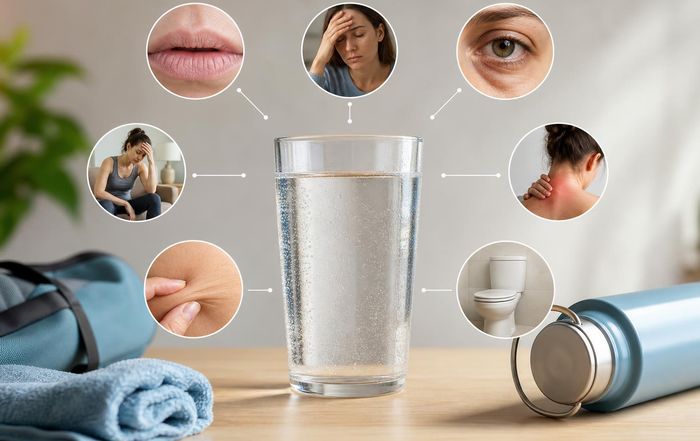
Everyday Signs You May Need More Hydration
Most people know dehydration is dangerous in extreme heat or intense exercise, yet mild, everyday under-hydration is far more common and much easier to miss. It rarely looks like a dramatic medical emergency. Instead, it tends to show up as afternoon headaches, sluggish thinking, dry skin that no cream seems to fix, or constant cravings for coffee and sugary snacks. For people trying to improve overall wellness, fitness, or focus, recognizing these quieter signals can be as important as tracking sleep or steps. Understanding how the body tells you it needs more fluids-and what to do about it-can support everything from mood and digestion to exercise performance and skin health.
Health organizations such as the World Health Organization and U.S. National Academies emphasize that fluid needs vary widely with climate, activity level, diet, and health status, but they also note that many adults simply do not drink enough water across the day. Mild dehydration as low as 1-2% loss of body weight from fluids can affect attention, memory, and mood, according to research summarized by institutions like the European Hydration Institute and universities including Harvard T.H. Chan School of Public Health. Yet these small deficits often go unnoticed because the signs are subtle and develop gradually. Rather than obsessing over a fixed "8 glasses" target, it is more useful to learn to read your body's cues and adjust your intake according to your lifestyle, environment, and health conditions.
For fit readers focused on broader wellness, hydration intersects with many themes-energy for fitness, skin and hair in beauty, digestion and immunity in health, and even stress resilience and presence in mindfulness. The following everyday signs do not replace medical diagnosis, but they can help you notice when your body is likely asking for more fluids and electrolytes.
How the Body Regulates Hydration
The human body maintains a remarkably tight balance of fluids and electrolytes through a network of hormones, kidneys, and sensors in the brain. When you lose water through breath, sweat, urine, or bowel movements, the concentration of dissolved particles in your blood rises. Specialized receptors in the brain detect this and trigger thirst, while hormones such as vasopressin signal the kidneys to conserve water. According to organizations like the National Kidney Foundation and Mayo Clinic, this system usually works well, but it can be blunted by aging, certain medications, high alcohol intake, illness, and some chronic diseases, making it easier to become mildly dehydrated without feeling dramatically thirsty.
Daily fluid needs come not only from drinking water but also from other beverages and water-rich foods like fruits, vegetables, soups, and yogurt. The U.S. National Academies suggest general daily water intake (from all sources) of about 3.7 liters for men and 2.7 liters for women, but stress these are averages, not prescriptions. Hot climates, exercise, fever, high-fiber diets, pregnancy, and breastfeeding can all increase needs. Conversely, some medical conditions (such as kidney or heart failure) may require restricted fluids under medical supervision. For most healthy adults, though, the key is tuning into subtle body signals rather than rigidly following a single number.
Thirst: Useful Signal, But Not the Whole Story
Thirst is the most obvious sign that you need more fluids, yet it is not always as straightforward as it seems. In younger, healthy adults, thirst usually appears once the body has already lost around 1-2% of its fluid, a level where cognitive performance can begin to dip. In older adults, research summarized by groups such as Age UK and geriatric societies suggests the thirst mechanism may become less sensitive, so they might not feel as thirsty despite needing more fluids. High-sugar or high-salt diets can also alter thirst signals, as can frequent intake of caffeinated or alcoholic beverages, which may have mild diuretic effects for some people.
It is also common to confuse thirst with hunger. Many people reach for snacks when their body is actually asking for water, especially in the late afternoon or evening. If you often feel "snacky" shortly after a meal, drinking a glass of water and waiting a few minutes can help clarify whether you were thirsty. For those interested in weight management or metabolic wellness, as often explored in wellness features, learning to distinguish these signals can be a simple but effective strategy. While thirst remains an important cue, it should be considered alongside other signs such as urine color, energy levels, and skin and mouth dryness.
Urine Color, Frequency, and Odor
One of the most practical everyday indicators of hydration is urine. Health services and organizations such as the NHS in the UK and Cleveland Clinic commonly recommend using urine color as a rough guide. In general, pale straw or light yellow suggests adequate hydration, while darker yellow or amber can indicate you need more fluids, assuming you are not taking supplements or medications that alter urine color. Very dark, tea-colored urine, especially if accompanied by pain, fever, or confusion, can be a warning sign of more serious dehydration or other medical issues and warrants prompt medical attention.
Frequency matters as well. Most well-hydrated adults urinate every few hours during the day. Going long stretches-such as only urinating once or twice in a working day-may reflect low intake, especially if you are in a hot environment or exercising. Strong, pungent odor can also be associated with concentrated urine, though certain foods (like asparagus), vitamins, and medications can change odor independently of hydration status. People who deliberately restrict fluid intake to avoid restroom breaks at work or during travel might notice more frequent headaches, fatigue, or constipation, illustrating how closely hydration is tied to everyday comfort and performance. For those who travel often for work or wellness retreats, as covered in travel reporting, planning regular water intake and bathroom access can make a meaningful difference.
Fatigue, Brain Fog, and Mood Shifts
Mild dehydration is increasingly recognized as a contributor to tiredness, difficulty concentrating, and irritability. Research referenced by institutions like Harvard Health Publishing, NIH, and the European Food Safety Authority has found that even small fluid deficits can impair short-term memory, alertness, and reaction time, and can worsen subjective feelings of fatigue and tension. These effects can be especially noticeable during tasks requiring sustained attention, such as long meetings, driving, or studying, as well as during demanding business or creative workdays.
In everyday life, this may show up as needing more coffee than usual to get through the afternoon, rereading emails because they do not "stick," or feeling uncharacteristically short-tempered. For people who practice mindfulness or meditation, subtle dehydration can make it harder to settle the mind or maintain focus on the breath, which might be misinterpreted purely as mental restlessness. While many factors influence energy and mood-sleep, stress, nutrition, hormones-hydration is one of the easiest to adjust. If you often feel mentally foggy or unusually fatigued mid-day, experimenting with a consistent water routine for a week can be a low-risk way to see whether your focus improves before assuming more complex causes.
Headaches and Lightheadedness
Headaches are a classic but often overlooked sign of inadequate fluid intake. Dehydration can cause the brain to temporarily contract or shrink slightly from fluid loss, pulling away from the skull and triggering pain, according to explanations from groups such as the American Migraine Foundation and Johns Hopkins Medicine. Even mild dehydration can sensitize people who are already prone to tension headaches or migraines. Many clinicians encourage patients with recurrent headaches to track hydration patterns alongside triggers like sleep, stress, and diet.
Lightheadedness or dizziness when standing up quickly can also occur when fluid levels are low, as blood volume decreases and blood pressure may drop. This can be more pronounced in hot weather, during or after exercise, or when combined with alcohol. However, dizziness and headaches can signal many other conditions, some serious, including infections, anemia, heart or neurological problems, and medication side effects. Persistent, severe, or unusual headaches, especially with confusion, vision changes, chest pain, or shortness of breath, require urgent medical evaluation regardless of hydration status. For those simply noticing mild, recurring head discomfort in everyday settings-such as air-conditioned offices, long flights, or heated yoga studios-building in regular water and electrolyte intake can often reduce frequency and intensity.
Dry Mouth, Eyes, and Skin
Dryness is another common consequence of under-hydration, although it is not always caused solely by low fluid intake. Saliva production depends heavily on adequate fluid and electrolyte balance, so a persistently dry mouth, stringy saliva, or bad breath can all be clues that you are not drinking enough, especially if you consume a lot of salty or processed foods. Organizations like the American Dental Association note that chronic dry mouth also increases the risk of cavities and gum disease because saliva helps buffer acids and wash away bacteria. Certain medications-antihistamines, antidepressants, blood pressure drugs-can also cause dry mouth, making hydration and regular dental care particularly important.
Dry eyes and skin are slightly more complex because they are influenced by environmental factors (air conditioning, heating, wind, screen time), skincare routines, and aging. Nonetheless, dermatologists and eye specialists, including experts at American Academy of Dermatology and American Academy of Ophthalmology, often highlight systemic hydration as one piece of the puzzle. When the body is short on fluids, it prioritizes vital organs over skin and mucous membranes, which may leave skin feeling tight, less plump, or more prone to fine lines and flaking, and eyes feeling gritty or irritated. No topical product can fully compensate for inadequate internal hydration. For readers interested in beauty and skin health, pairing a consistent water intake with an appropriate skincare routine and humid indoor environment can be more effective than relying on serums alone.
Digestive Changes and Constipation
The digestive system is highly sensitive to fluid balance. Water helps dissolve nutrients, move food smoothly through the intestines, and soften stool. When the body is short on fluids, the colon draws more water out of waste material to conserve it, which can lead to hard, dry stools and constipation. Gastroenterology organizations such as the American College of Gastroenterology and International Foundation for Gastrointestinal Disorders consistently recommend adequate fluid intake as a cornerstone of managing and preventing constipation, alongside fiber and physical activity.
Everyday signs that your gut may be signaling a need for more fluids include infrequent bowel movements, straining, or a sense of incomplete evacuation. People who increase fiber intake for heart health or weight management-by eating more whole grains, legumes, fruits, and vegetables-sometimes feel worse initially if they do not also increase fluids. Fiber absorbs water; without enough, it can make stools bulkier but harder, exacerbating discomfort. Those following high-protein or low-carbohydrate diets, which may be lower in naturally water-rich plant foods, can also be more vulnerable to digestive sluggishness. For individuals exploring holistic lifestyle changes, aligning hydration with dietary shifts is key to keeping digestion comfortable.
Muscle Cramps, Exercise Performance, and Recovery
During physical activity, especially in heat or humidity, fluid and electrolytes (particularly sodium, potassium, and magnesium) are lost through sweat. If these are not adequately replaced, muscles may become more prone to cramps, and overall performance can decline. Sports medicine organizations like the American College of Sports Medicine and Gatorade Sports Science Institute emphasize that even a 2% loss of body weight from sweat can impair endurance, strength, and cognitive function during exercise. In practical terms, this might look like feeling unusually heavy-legged during a familiar run, needing more rest between sets, or noticing your heart rate stays higher than usual during a workout.
Muscle cramps-sudden, painful tightening, often in the calves, feet, or hands-can be related to dehydration and electrolyte imbalance, especially when they occur during or soon after exercise in hot conditions. However, cramps can also stem from overuse, nerve issues, mineral deficiencies, or medications, so hydration is not the only factor. For those integrating regular workouts, yoga, or outdoor activities into their routine, as covered in fitness and wellness content, it is helpful to track not just water intake but also timing: drinking steadily before, sipping during, and rehydrating with some electrolytes afterward, rather than consuming large amounts only at the end.
Changes in Heart Rate and Body Temperature
Hydration status affects how efficiently the heart and circulatory system can deliver blood and oxygen to tissues. When fluid levels are low, blood volume decreases, and the heart may need to beat faster to maintain adequate circulation. This can show up as a slightly elevated resting heart rate or feeling your heart pound during relatively light activity. In hotter environments, dehydration also impairs the body's ability to sweat and cool itself, raising the risk of heat exhaustion and heatstroke. Public health agencies such as the Centers for Disease Control and Prevention (CDC) and World Health Organization repeatedly warn that inadequate hydration during heat waves is a major risk factor for serious heat-related illness.
Everyday hints of this process include feeling unusually hot or flushed in modest warmth, sweating less than expected despite feeling overheated, or experiencing a racing heart while doing routine tasks such as climbing a few stairs. In extreme cases, confusion, rapid breathing, fainting, or cessation of sweating can signal dangerous dehydration and heatstroke, which require emergency care. For people living in or traveling to hotter climates, or working in physically demanding outdoor jobs, proactive hydration strategies and scheduled breaks in the shade are essential safety measures, not just comfort preferences.
Skin Turgor and Other Physical Clues
Clinicians sometimes assess hydration status using skin turgor-the skin's elasticity. Gently pinching the skin on the back of the hand or forearm and seeing how quickly it returns to place can provide a rough indication; very slow return may suggest dehydration, especially in younger individuals. However, this test is less reliable in older adults, whose skin naturally loses elasticity with age, and can be influenced by sun damage and collagen changes. Health organizations like UpToDate and MedlinePlus note that skin turgor is best interpreted alongside other signs rather than in isolation.
Other physical clues of under-hydration include chapped lips, a coated or rough tongue, sunken-appearing eyes, and reduced tear production. For people who receive regular bodywork or massage, therapists may also notice muscle tightness or tissue "stickiness" that can be aggravated by inadequate fluids. While these signs are not diagnostic on their own, they can serve as useful prompts to reflect on recent fluid intake, diet, alcohol use, and environmental exposures such as air travel or prolonged indoor heating.
When Everyday Signs Require Medical Attention
Most mild dehydration can be corrected by drinking water and, when appropriate, consuming oral rehydration solutions or electrolyte drinks. However, certain patterns and symptoms indicate a need for professional medical assessment. International health bodies like the World Health Organization, UNICEF, and national health services highlight red-flag signs including very dark or minimal urine output, rapid heartbeat, rapid breathing, confusion or disorientation, extreme sleepiness, inability to keep fluids down due to vomiting, or signs of dehydration in infants and older adults (such as no tears when crying, sunken soft spot on a baby's head, or sudden confusion in an older person).
People with chronic conditions-especially kidney disease, heart failure, diabetes, adrenal or pituitary disorders-should follow guidance from their healthcare providers regarding safe fluid ranges, since both too little and too much water can be harmful. Athletes or workers who sweat heavily for prolonged periods may need tailored hydration and electrolyte plans to avoid both dehydration and hyponatremia (dangerously low blood sodium from drinking excessive plain water). If everyday signs like headaches, dizziness, or digestive changes persist despite improving hydration, it is important not to assume water alone will solve the problem; a medical evaluation can help rule out other causes and guide appropriate treatment.
Practical Ways to Support Everyday Hydration!
Recognizing the signs of under-hydration is only useful if it leads to sustainable habits. For many people, the barrier is not lack of knowledge but busy routines and competing priorities. Simple strategies can help: keeping a reusable bottle within reach at work, setting gentle reminders on a phone or smartwatch, or pairing drinking water with existing habits (such as after brushing teeth, before meals, or following a meditation session). Choosing water-rich foods-fruits, vegetables, soups-supports hydration while also contributing vitamins, minerals, and fiber, aligning with broader health and environment goals when these foods are sourced sustainably.
Mindful drinking can complement mindful eating. Instead of chugging large amounts of water sporadically, sipping regularly and paying attention to how the body feels-energy, focus, digestion, skin, and mood-can deepen self-awareness, a theme often explored in mindfulness coverage. For those who dislike plain water, unsweetened herbal teas, infused water with slices of citrus or cucumber, and broths can be appealing alternatives. Limiting high-sugar drinks and being thoughtful about caffeine and alcohol intake can also support a more stable hydration pattern. Ultimately, the goal is not perfection but responsiveness: noticing when everyday signs suggest your body is running a little low on fluids and adjusting before discomfort or performance dips become your new normal.
By learning to interpret these everyday signals-thirst patterns, urine changes, energy and mood shifts, headaches, digestive clues, and how your skin and muscles feel-you can make hydration a quiet but powerful pillar of your overall wellbeing.